London’s Heathrow Airport moves closer to expansion as Ministers select third runway proposal

November 25, 2025
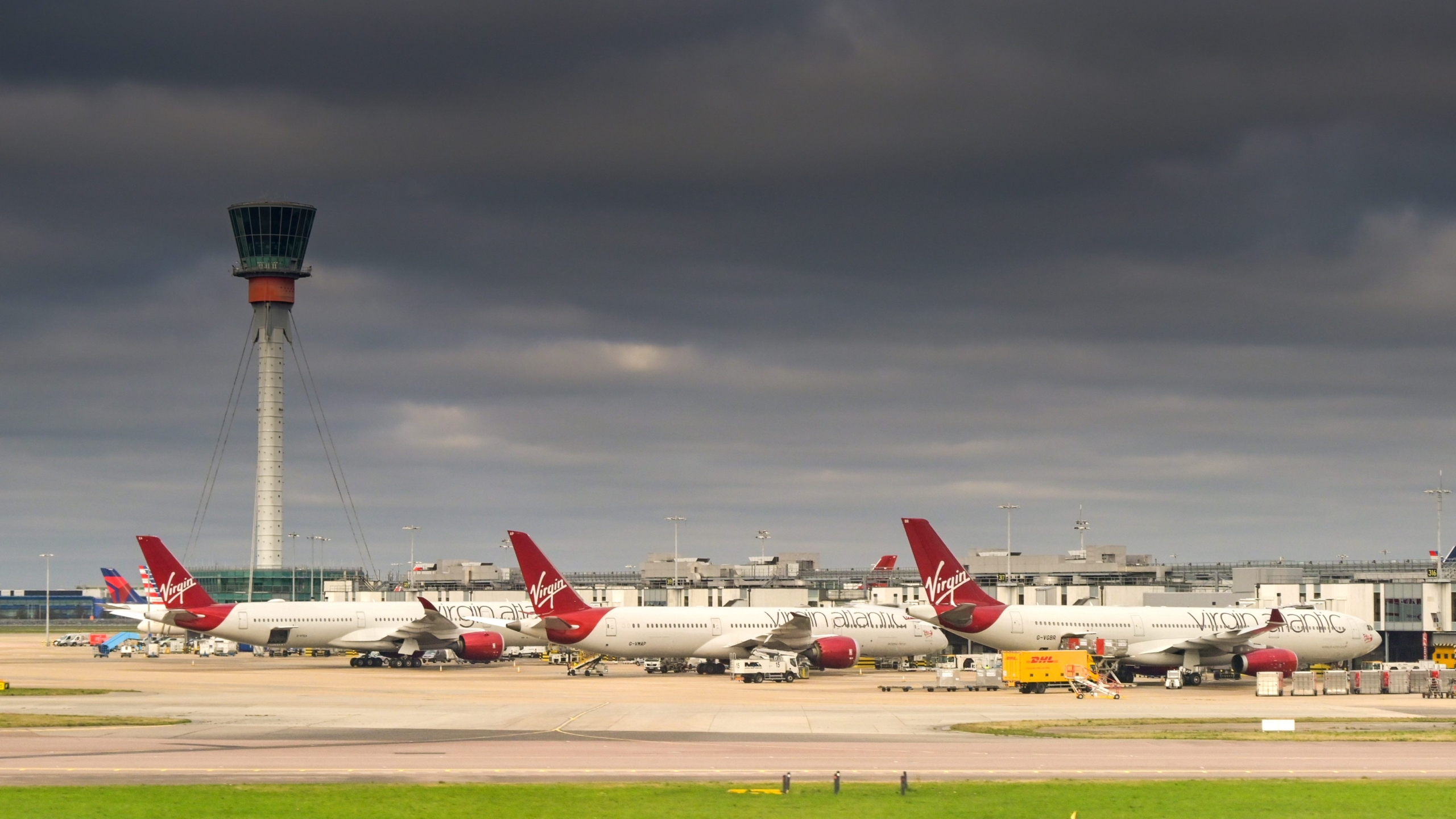
The UK Government has taken its most decisive step in years toward Heathrow expansion by selecting Heathrow Airport Limited’s (HAL) third-runway proposal as the basis for reviewing the Airports National Policy Statement (ANPS).
This does not approve the runway or lock in a final design, but it restarts the policy process that must precede any planning application.
Ministers say the refreshed ANPS will be drafted by summer 2026 and completed by the end of that year, enabling a Development Consent Order decision by 2029 and a potential operational runway by 2035.
Alongside this, the Government has prioritised the modernisation of London’s airspace block to enable “quicker, quieter, greener” flightpaths and accommodate additional runway capacity.
The Transport Secretary also confirmed that the Climate Change Committee will be formally consulted to ensure the updated ANPS aligns with the UK’s legally binding carbon budgets.
Get all the latest commercial aviation news on AGN here.
What the new Heathrow expansion decision means for airlines and passengers
The immediate impact is clarity. After years of political drift, legal challenges, and the pandemic freeze, Ministers have signalled that Heathrow expansion is once again a live national infrastructure project.
HAL’s proposal is now the “reference scheme” against which environmental, climate, noise and air-quality obligations will be tested.
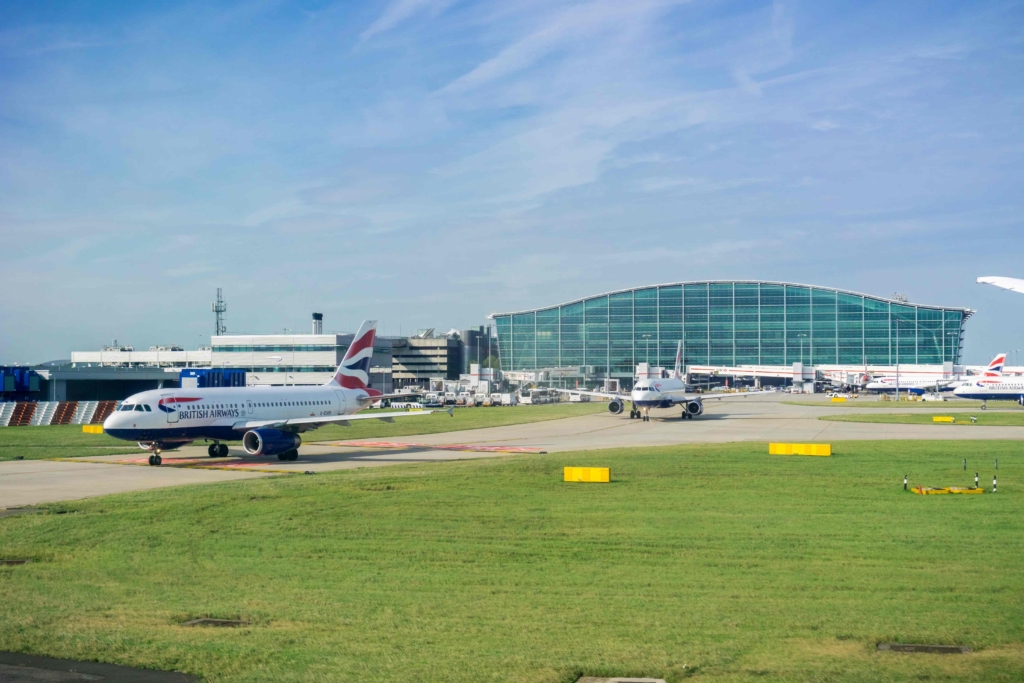
The decision sits comfortably within a wider pro-aviation stance from the new Government, arriving shortly after approvals for expansion at Luton and Gatwick, as well as investment commitments under the Sustainable Aviation Fuel Bill.
Taken together, the message is that aviation growth and decarbonisation will be pursued in parallel, not treated as mutually exclusive.
Industry has reacted positively to the renewed momentum. Jonathan Willcock, transportation managing director at Costain, said the announcement “provides welcome clarity and certainty for a project that will cement the UK’s position as a global hub while greatly enhancing the passenger experience.”
He added that early contractor involvement and long-term collaboration would be key to delivering the scheme safely and efficiently, underscoring the scale and complexity of what lies ahead.
CAA explores new regulation to support Heathrow’s expansion plans
Alongside Government support, the UK Civil Aviation Authority has moved quickly to align its own work with the expansion timetable.
On Tuesday, it launched a consultation on whether Heathrow’s regulatory model should be redesigned to support efficient, timely and consumer-focused delivery of new capacity. The working paper examines alternatives to the current framework, drawing on models used in other regulated industries and on submissions from Heathrow Airport Ltd and the rival Heathrow Reimagined consortium.
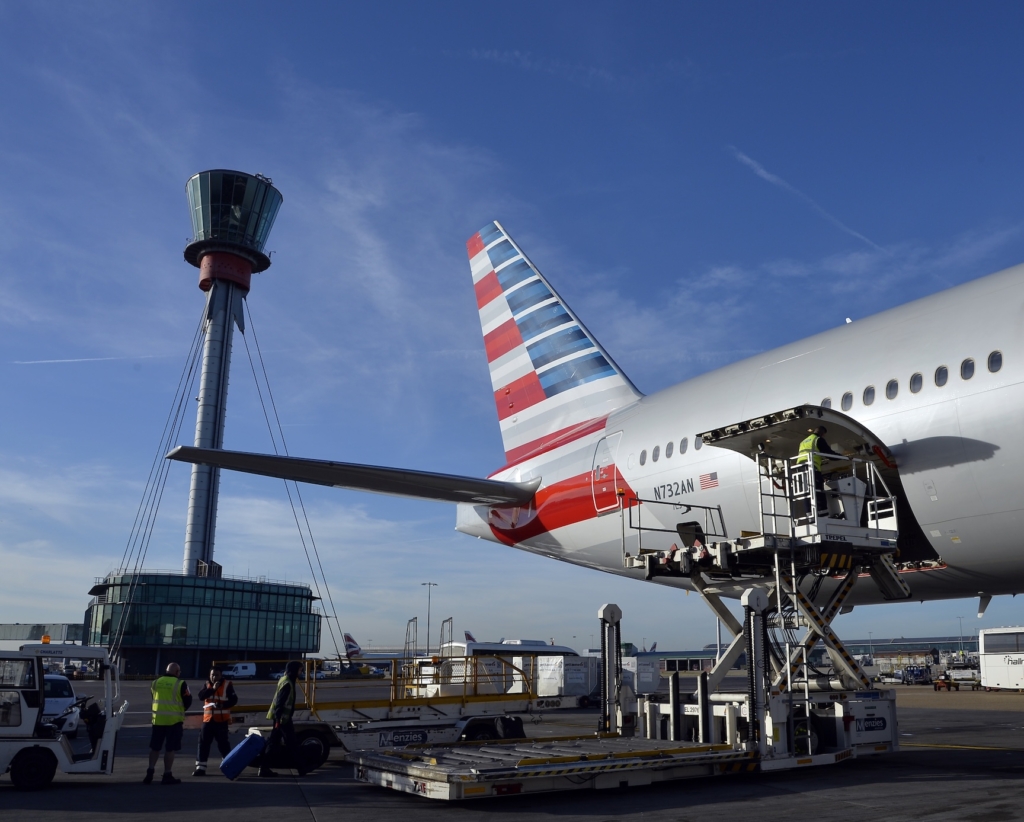
Selina Chadha, Group Director of Consumer and Markets at the CAA, said the regulator aimed to “deliver the best outcomes for consumers and support the Government’s timetable for the delivery of expansion.”
A recommendation on the preferred regulatory approach is expected in spring 2026, meaning regulatory reform could run in parallel with the ANPS review.
Key uncertainties that still surround Heathrow’s third runway
Despite the headlines, almost nothing about the physical design of the runway or its supporting infrastructure has been finalised. Many of the most contentious elements of the pre-pandemic scheme remain live questions.
Key unknowns include:
- Runway length and exact alignment
- Taxiway and terminal layout
- Airfield footprint and environmental mitigations
- The future of the M25 realignment/tunnel plan, one of the most expensive and contentious elements of the previous scheme
- Noise contour changes and flightpath distribution, which hinge on the airspace modernisation programme
- Carbon-compliance modelling, which now sits front and centre of the policy review
- Whether any alternative promoters will come forward once the ANPS is finalised
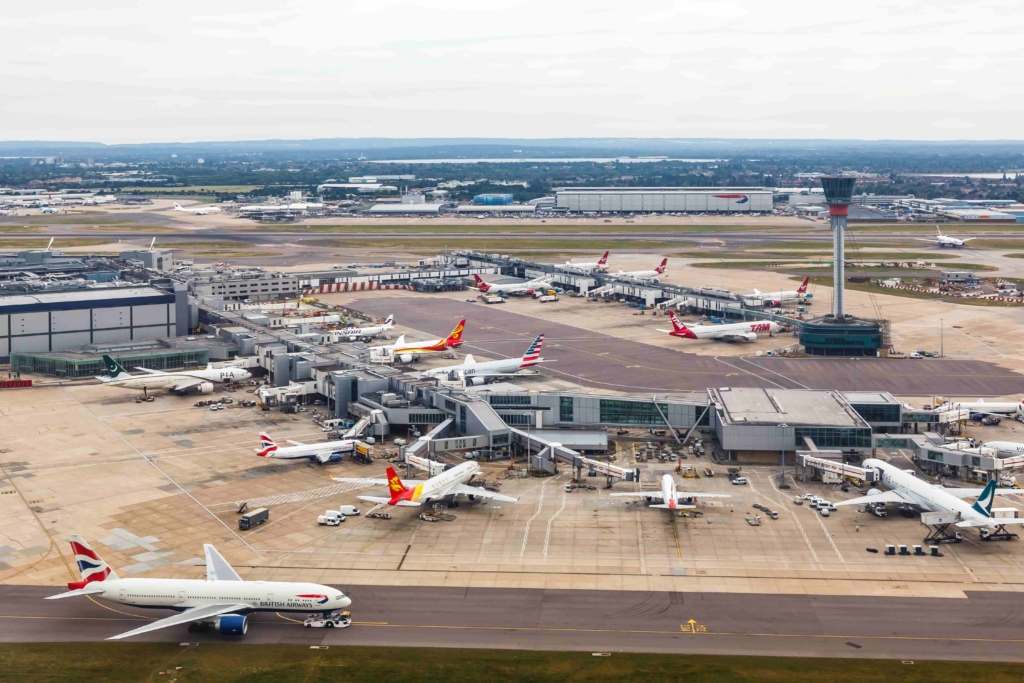
The DfT has been explicit that selecting HAL’s proposal “does not represent a final decision on a third-runway design”, and all detailed elements remain open throughout the ANPS review.
Timeline: How Heathrow’s expansion will progress from ANPS review to a new runway
The process now moves into a tightly choreographed sequence:
- 2025–26: Rewrite the ANPS: Government develops a new draft policy framework, integrates climate advice from the Climate Change Committee, and consults publicly by summer 2026.
- End-2026: Final ANPS published: This will set the legal and policy conditions under which any promoter — almost certainly HAL — can apply for development consent.
- 2027–29: Development Consent Order (DCO): HAL prepares, submits, and defends a full DCO, including environmental impact assessments, community mitigation, surface-access plans and airspace implications.
- 2029: Secretary of State decision
- 2030s: Construction and airspace redesign: London’s airspace — handling more than a million flights a year — will be redrawn to accommodate new departure and arrival flows. The Government says this work will be prioritised so a new runway could open in 2035.
Whether the third runway ultimately proceeds will hinge on design, climate compliance, surface-access planning and the DCO process, but today’s decision resets the national policy machinery after years of drift. Heathrow is once again central to the UK’s long-term aviation strategy, and industry planning over the next decade will need to assume that expansion is firmly back on the table.