LAT Aerospace: India’s start-up validates uSTOL capability before prototype crash

January 8, 2026
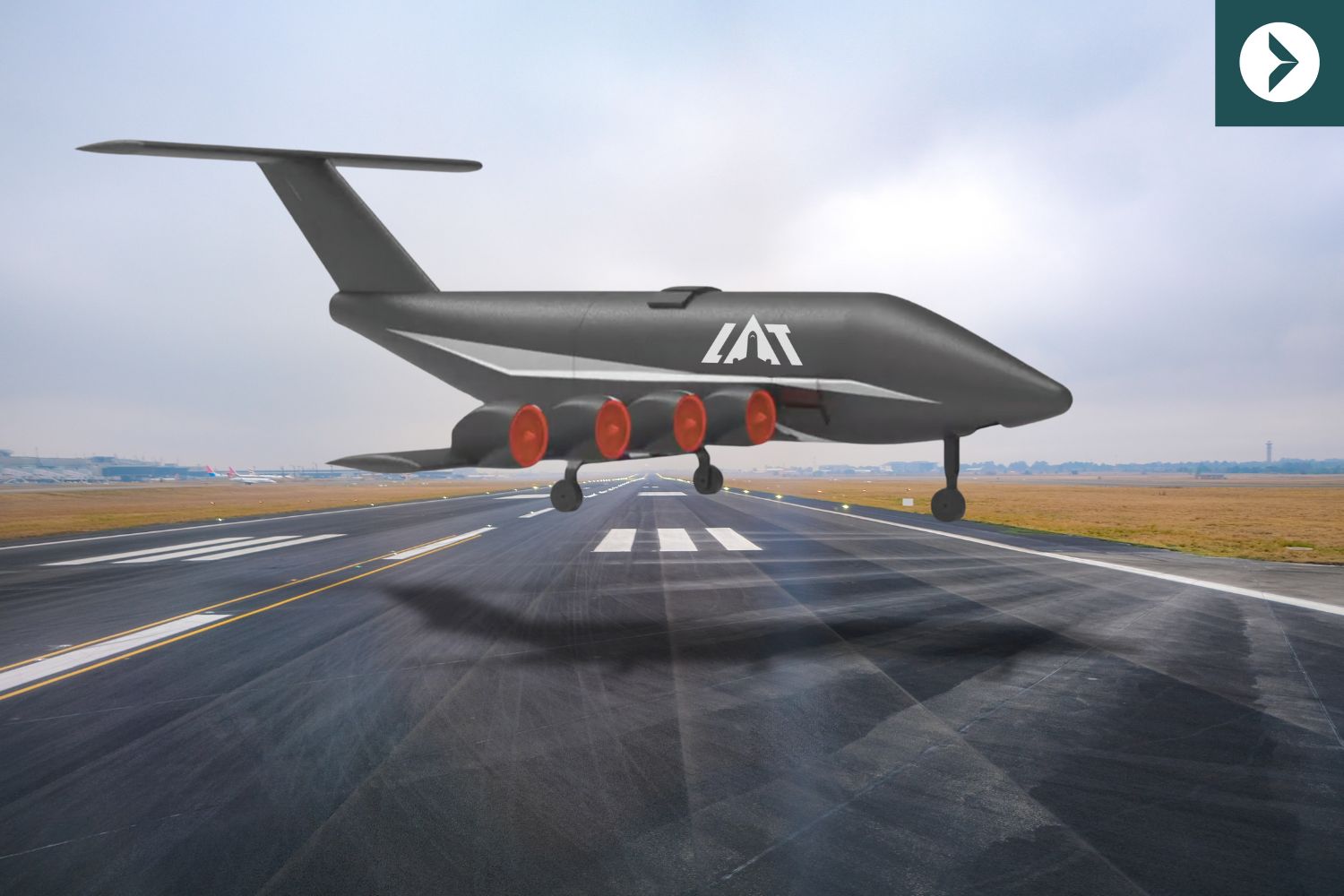
Indian aviation start-up LAT Aerospace has reached an early technical milestone in its aircraft development programme with the maiden flight of its Lat One v0.1 prototype. The aircraft successfully demonstrated ultra-short take-off and landing capability before crashing shortly afterwards.
The company said the loss of the prototype was anticipated and formed part of an intentionally aggressive test programme designed to validate specific performance parameters rather than complete a full flight mission.
Engineers involved in the programme said pre-flight simulations had already identified structural weaknesses that were expected to manifest once the aircraft progressed beyond its primary test objective.
Video of Lat One v0.1 test flight.
— Deepinder Goyal (@deepigoyal) January 4, 2026
uSTOL achieved. Achievement unlocked 🛫
The plane crashed a bit later, which we knew was going to happen, and our simulations had already suggested so, due to structural defects. However, the main objective of the test flight was to test… pic.twitter.com/vji5oQPC7A
The short flight, which was captured on video and shared publicly, marked the first real-world validation of the aircraft’s ability to lift off from an extremely short distance, a core requirement for the platform’s intended role.
Lat One maiden flight proves uSTOL performance before planned failure
Investor and co-founder Deepinder Goyal described the outcome as a meaningful technical achievement despite the crash.
Writing on social media, he said the aircraft achieved ultra-short take-off as intended before a structural failure occurred later in the flight.
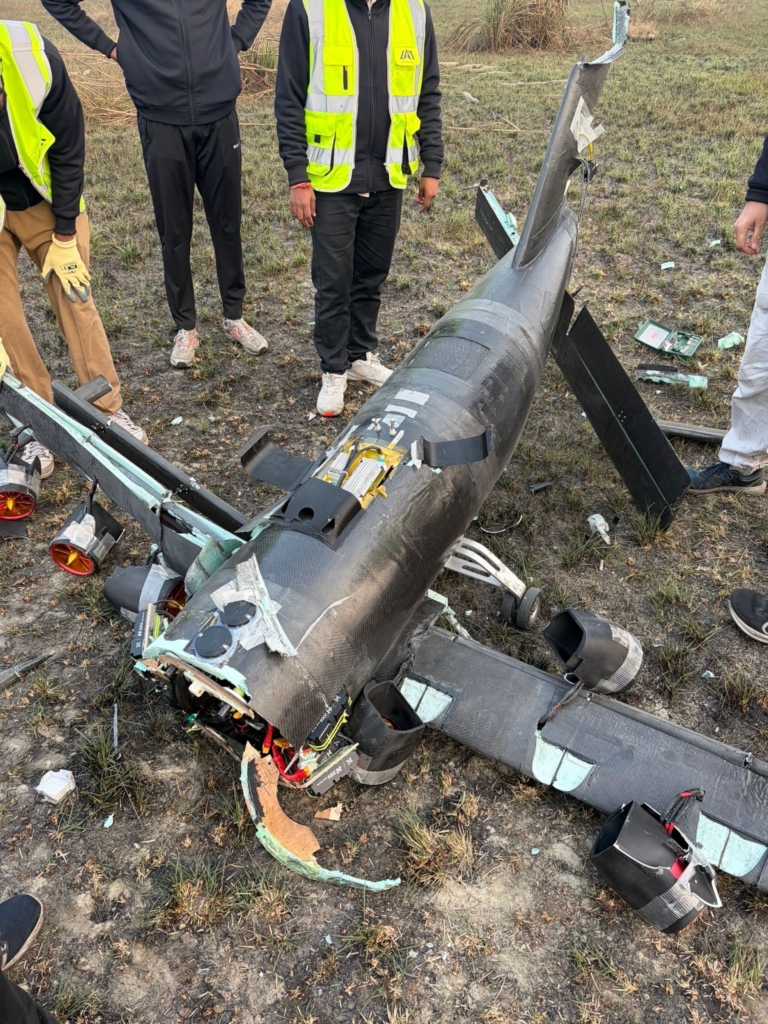
According to Goyal, simulations conducted ahead of the test had already indicated that the early prototype would not survive the later phases of the trial. The objective, he said, was narrowly focused on validating take-off performance rather than landing or mission completion.
Engineers involved in the programme echoed that assessment, noting that early-stage aerospace development often involves pushing prototypes to failure to accelerate learning and reduce uncertainty in subsequent designs.
LAT Aerospace moves to Lat One v0.2 after first flight data
LAT Aerospace said the Lat One v0.1 programme was conceived as a rapid, heavily instrumented build intended to test aerodynamic assumptions rather than serve as a reusable demonstrator.
With the ultra-short take-off envelope now validated, the company is moving directly to its next prototype, Lat One v0.2.

Work on the new aircraft is already underway, with a focus on strengthening the structure, refining control laws and expanding the test envelope to include controlled landing and repeatable flight profiles.
The company said lessons from the crash are being fed directly into the new design, in line with an iterative development philosophy common to advanced aircraft and space programmes.
Designing STOL aircraft for air-stops, not airports
Founded in January 2025 by Goyal and former Zomato chief operating officer Surobhi Das, LAT Aerospace is attempting to create a new class of short take-off and landing aircraft designed to operate from compact air-stops rather than conventional airports.
The company’s long-term vision centres on enabling dense, high-frequency regional air networks, particularly in markets where building or expanding traditional airport infrastructure is impractical or uneconomical.
Rather than adapting existing aircraft concepts, LAT Aerospace says it is designing its platform from first principles, combining unconventional aerodynamics with new propulsion and automation approaches.
High-lift aerodynamics enable ultra-short take-off performance
Central to the Lat One design is an unusually high lift coefficient, achieved through high-lift wing geometry and distributed propulsion.
Goyal has said the aircraft targets a lift coefficient of around five, more than twice that of many conventional aircraft, enabling take-off distances as short as 40 metres.
In its current form, the prototype more closely resembles a large unmanned aircraft than a piloted platform. This allows the team to explore extreme flight regimes without the constraints associated with carrying a pilot during early development.
The v0.1 prototype was capable of flying for up to an hour and cruising autonomously, according to the company, providing a flexible testbed for aerodynamic and control-system validation.
Hybrid-electric propulsion and autonomy ambitions
Beyond aerodynamics, LAT Aerospace is investing heavily in hybrid-electric propulsion.
The company is developing in-house powertrain laboratories, hardware-in-the-loop simulation systems and its own wind tunnel facilities.
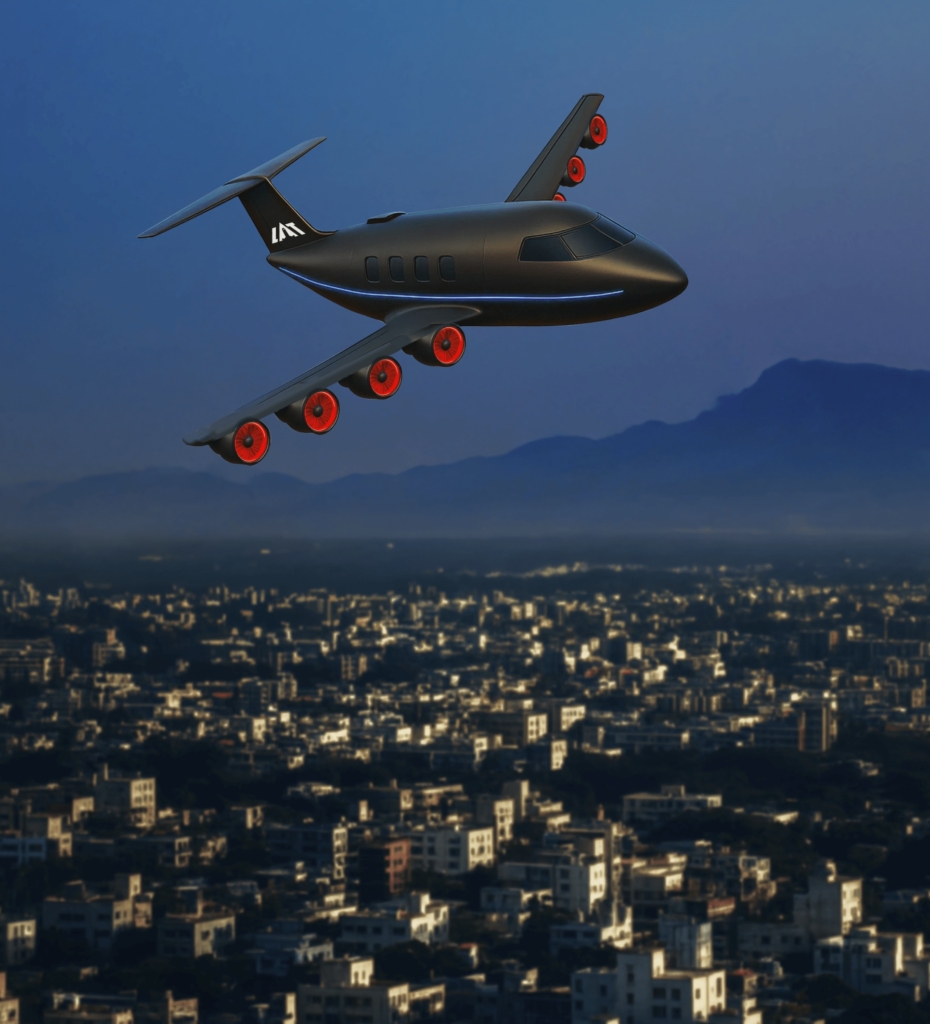
According to Das, the engineering team is building physics-based models from scratch, including Monte Carlo simulators and ground architectures for hybrid-electric vehicles. Work has also begun on gas turbine development to complement battery systems, providing greater endurance and operational flexibility.
Autonomy is another pillar of the programme, with advanced pilot-assist and flight-management systems intended to reduce workload and support scalable, high-frequency operations over time.
A long-term bet on next-generation STOL aviation
LAT Aerospace has been steadily recruiting aerospace engineers and systems specialists as it moves from early concept validation to successive hardware builds.
The founders have consistently framed the programme as a long-term research effort rather than a near-term commercial project. Goyal has described the initiative as one of the most demanding engineering challenges in aviation, saying the company aims to make the concept operational before the end of the decade.
He has also clarified that LAT Aerospace operates independently and is not part of Eternal, his listed food delivery business.
Media reports have said Goyal has invested around $20 million of personal capital into the venture.
For now, the brief flight and abrupt end of Lat One v0.1 stand as a single, data-rich moment in a programme that is deliberately embracing failure as a pathway to progress. The next prototype will determine how quickly those lessons translate into a more complete and survivable aircraft.
Featured image: LAT Aerospace / AGN