Korean airlines enter ‘emergency mode’ as jet fuel prices soar

March 31, 2026
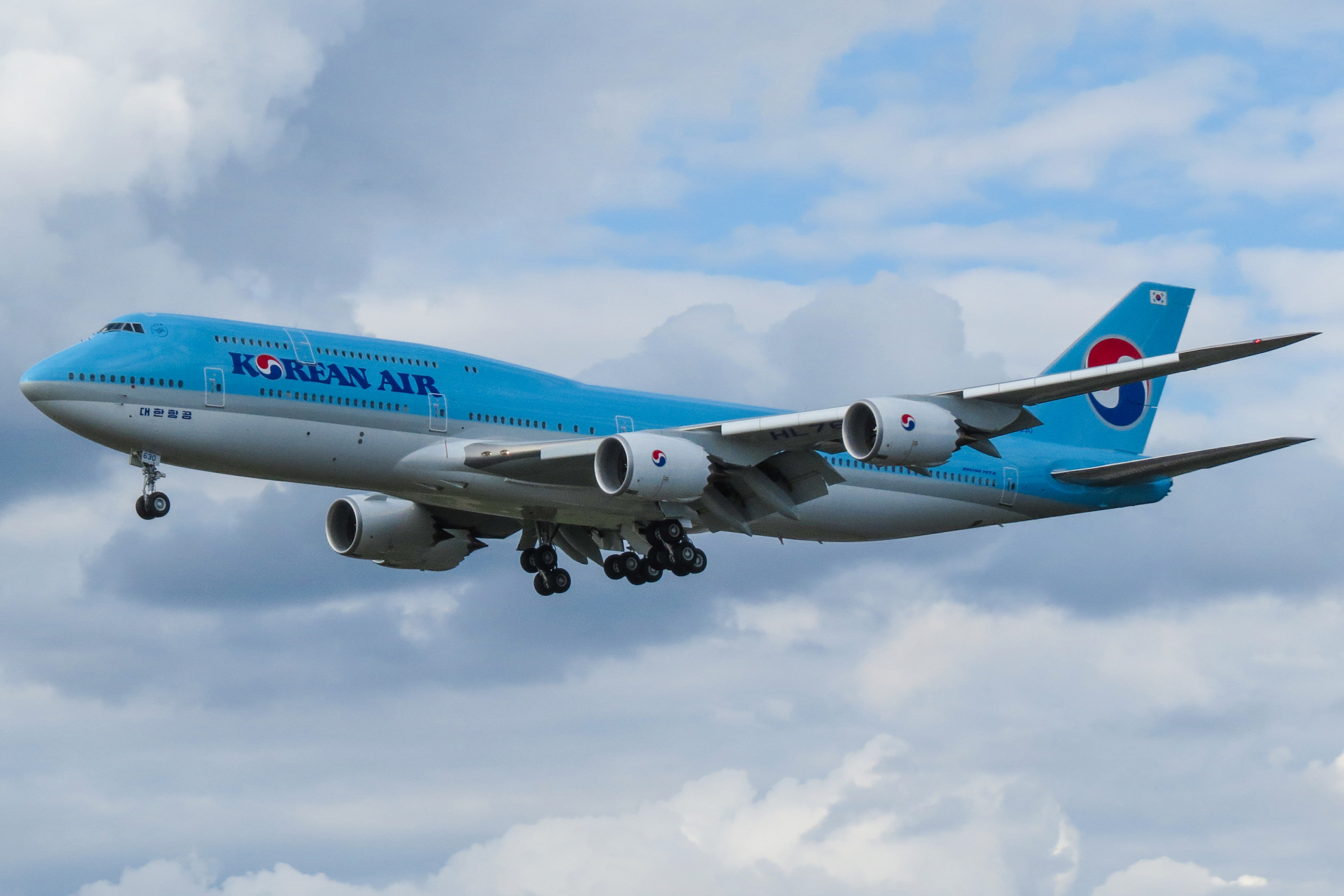
South Korean airlines, including the nation’s flag carrier, have implemented emergency measures in response to the surging cost of jet fuel.
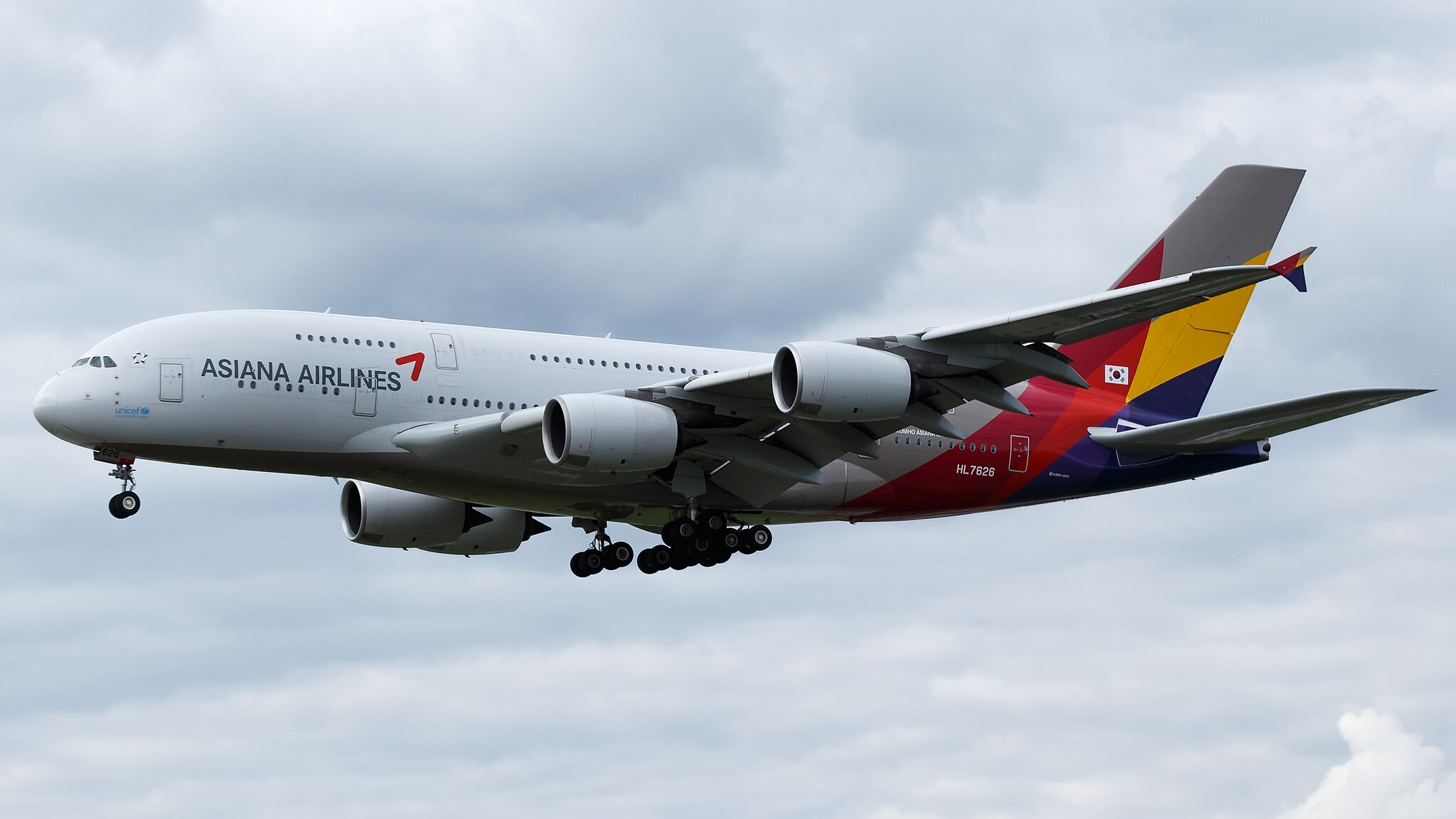
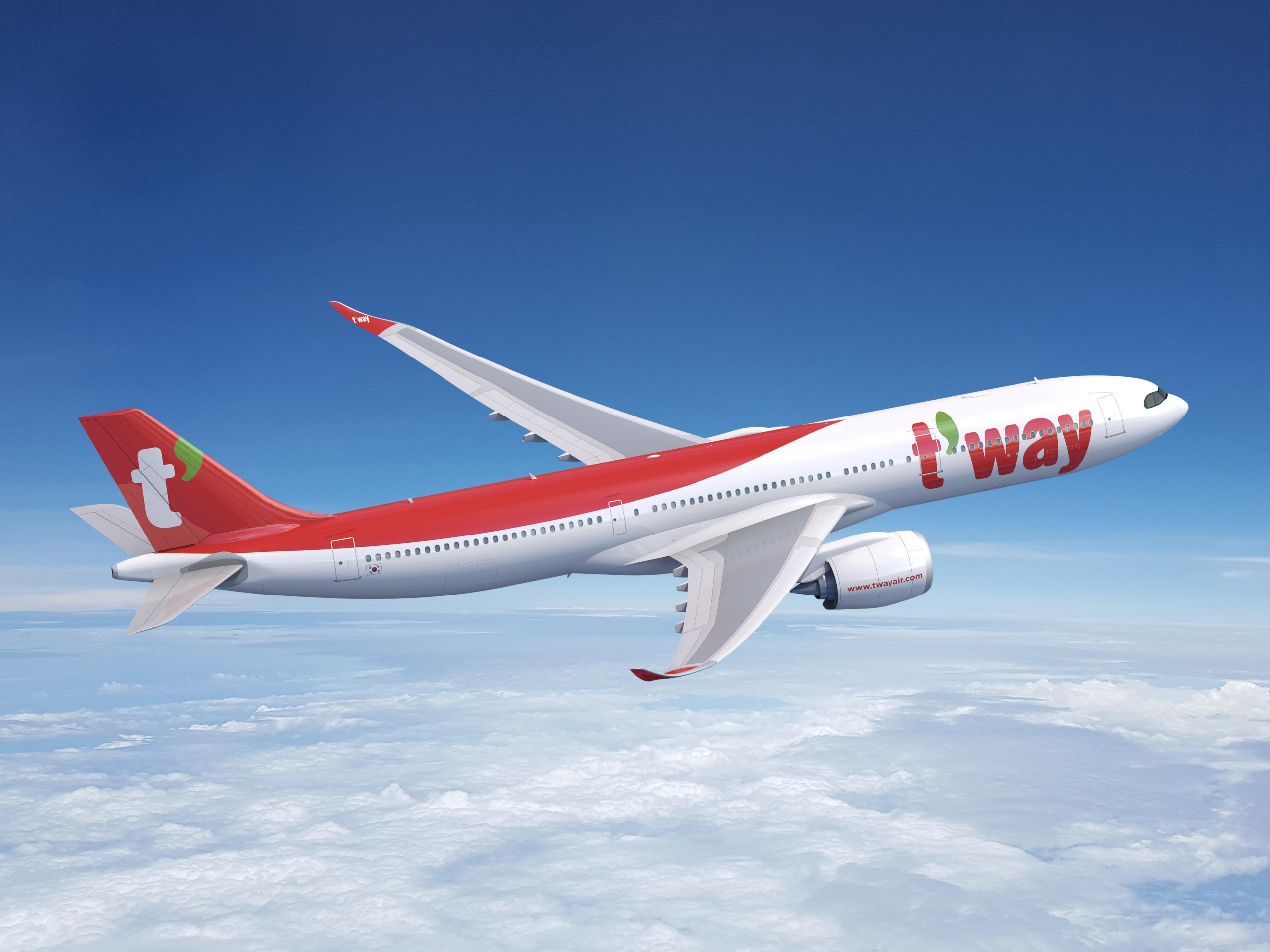
Korean Air, Asiana Airlines (which is in the midst of a merger with Korean Air) and T’way Air have entered what Reuters, which first reported the story, called an emergency management mode.
Globally, airlines are facing rising operating costs following the ongoing US–Israeli war with Iran. The conflict has caused jet fuel prices to surge and carriers face additional costs from rerouting flights around closed airspace.
Fuel costs surge for airlines worldwide
The combination of higher fuel prices and longer flight paths is squeezing airline margins.
To tackle the issue, Korean Air will enter an emergency operating system in April, Reuters said, citing an internal memo.
It said that high oil prices risked upending its financial targets, and the measures were intended to tackle this.
Asiana Airlines and T’way Air are facing a similar situation are both said to be considering entering a similar state of emergency.
Reuters reported that the result would be a focus on implementing efficiencies that would bring down costs to the business.
Iran conflict hits energy supply lines
Jet fuel prices have risen since the escalation of the conflict in late February, due to disruption to energy supply routes in the Middle East.
The closure of the Strait of Hormuz is having a significant impact on the usual flow of oil from the Middle East to Europe and Asia. Around 20% of the world’s daily oil demand normally passes through the strait.
As a result, the cost of jet fuel has spiked to the highest level since the beginning of the Russia-Ukraine war.
The price of jet fuel is up 116.8% in the week ending 27 March, versus a year earlier.
The impact is more pronounced in certain regions. For example, the price of jet fuel in Asia has risen 140.5% year-on-year, according to the Platts Jet Fuel Price Index provided by IATA.
The crack spread – the difference between a barrel of crude oil and the refined end product in the form of jet fuel – has surged 287.2% year-on-year.
Korean Air opts for internal cost-reduction measures
Commenting on the situation, a spokesperson for Korean Air was quoted by the BBC as saying the carrier would implement “internal cost-reduction measures” to ensure “stability amidst rising fuel prices and global economic uncertainty”.
Korean carriers are also cutting schedules to reduce costs on less profitable routes.
Low-cost carrier Jin Air is axing 45 services on eight routes in April, including from the capital Incheon to Guam and -Nha Trang, and from Busan to Cebu.
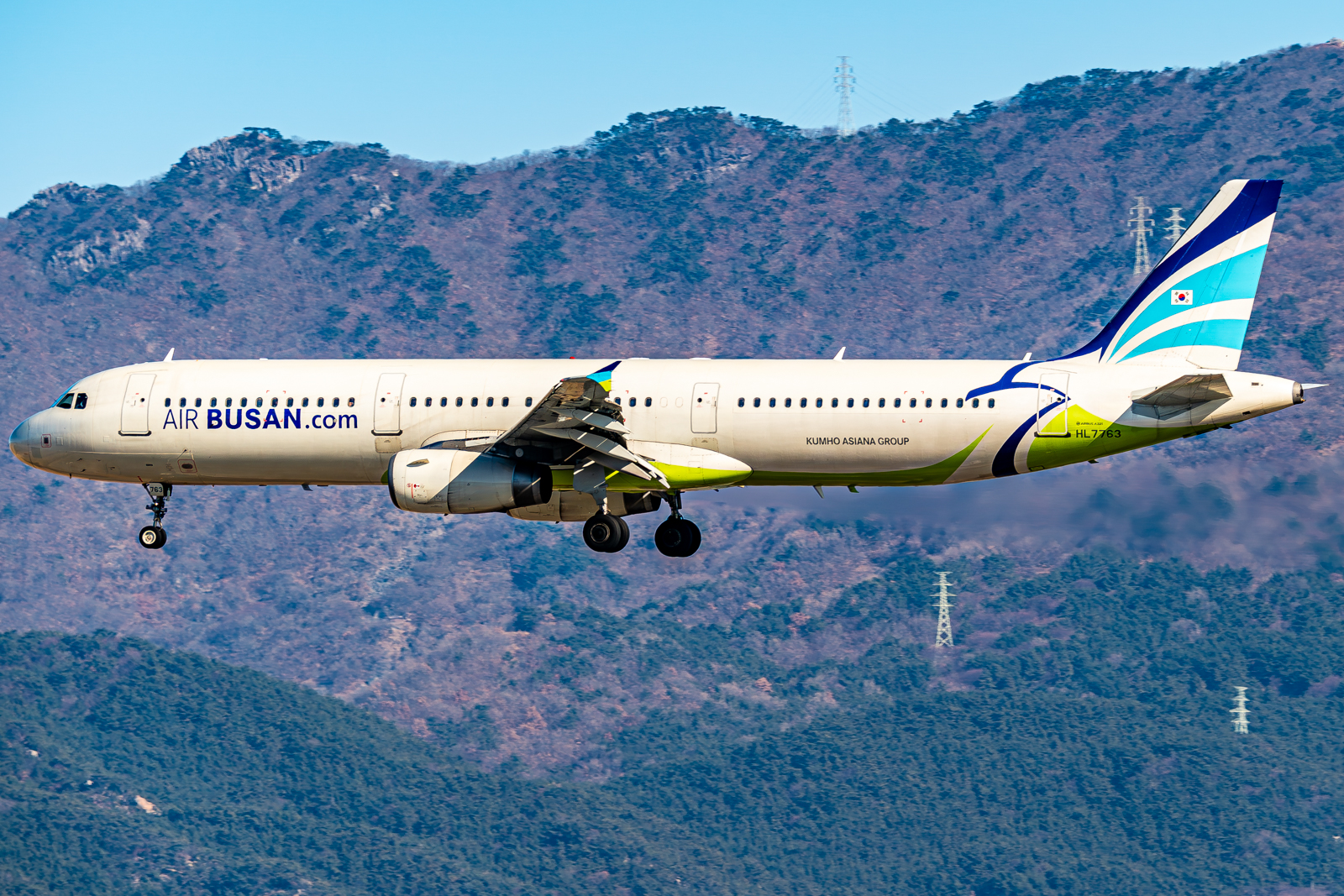
Air Premia is reducing frequencies on its services to Los Angeles, while Air Busan and Eastar Jet are also trimming schedules.
Featured image: Wikimedia Commons