Jeju Air crash: South Korea’s parliament steps in over investigation concerns

December 24, 2025
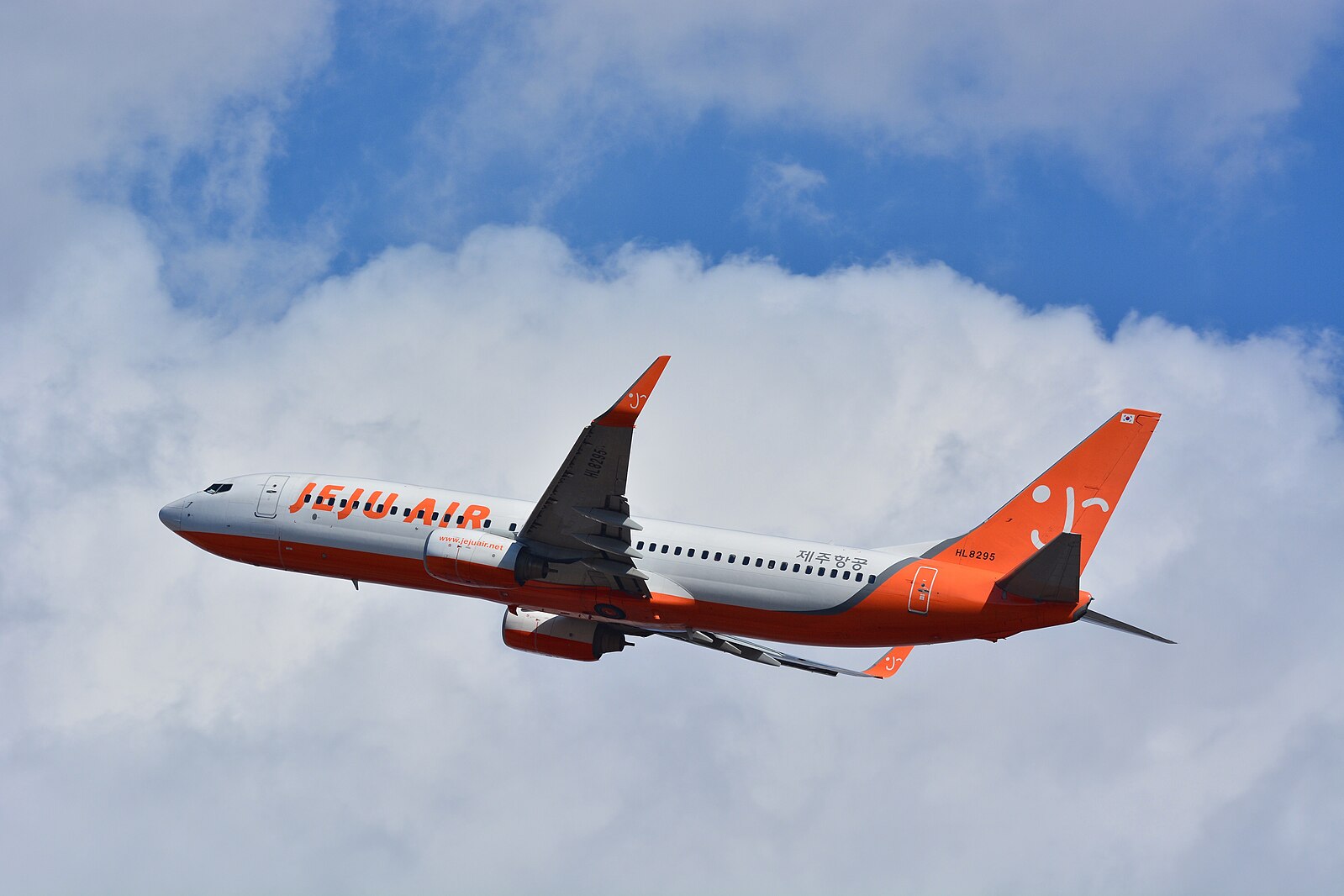
Almost one year after the Jeju Air plane crash at Muan International Airport, South Korea’s parliament has passed a bill to investigate the exact cause of the fatal crash on 29 December 2024.
Made up of 18 members of parliament, the panel has been set up to perform an independent investigation into the exact causes of the Jeju Air crash. It has also been tasked with investigating whether government agencies attempted to downplay or cover up the accident during the investigation process.
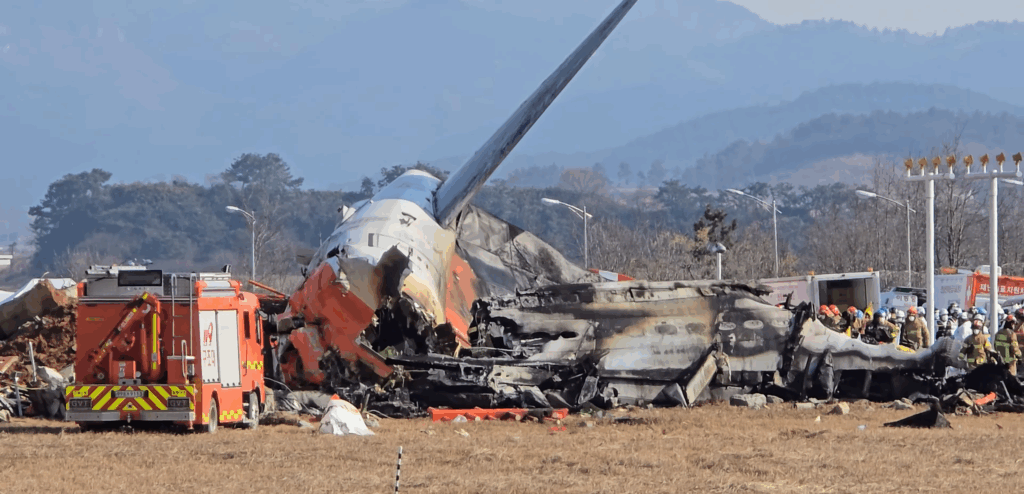
The move to instigate a parliamentary probe comes amid deep dissatisfaction from the victims’ families with the government’s investigation into the crash. They have expressed concern into the transparency and credibility of how the tragedy has been investigated as well as fears that the process has lacked impartiality.
At the heart of these concerns is how the Aviation and Railway Accident Investigation Board (ARAIB), the government-backed agency leading the official inquiry into the crash, has handled the investigation. ARAIB reports directly to South Korea’s transport ministry. This same department is responsible for airport safety and overseeing the runway structure that was widely reported to have exacerbated the Jeju Air tragedy last December.
There has also been concern over the delays in releasing information and the cancellation of public hearings. A report in the Korea Herald reiterated that this latest probe was launched amid a delay in the release of the full accident report by the government-backed investigation board.
Jeju Air: South Korea’s deadliest crash
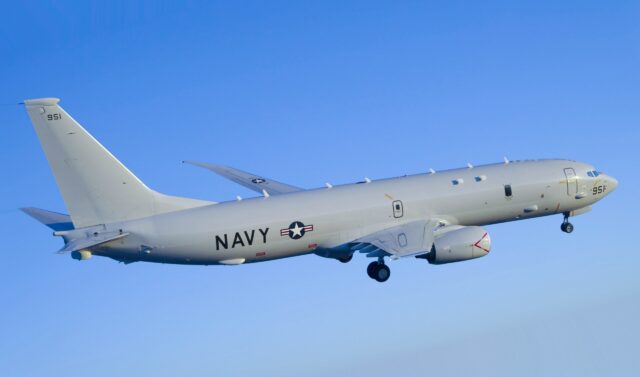
Described as the deadliest air crash in South Korea, the Jeju Air incident last December killed 179 passengers and crew onboard the Boeing 737-800. All 175 passengers and four of the six crew members perished in the tragedy.
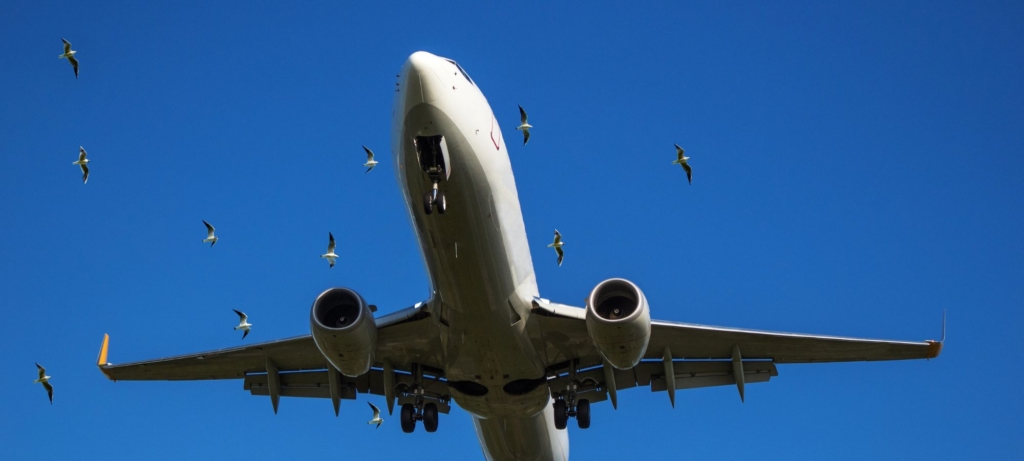
Initial reports suggested that the aircraft struck a flock of wild ducks during its approach to Muan International Airport. Following the bird strike, the pilot declared a mayday and the aircraft touched down without its landing gear being lowered. It landed on its belly, skidding down the runway before colliding with a concrete berm supporting an antenna array for the instrument landing system (ILS).
Aviation safety experts at the time were widely reported as saying the high death toll from the accident could have been mitigated if the concrete barrier had been designed differently. International aviation safety guidelines state that such structures should be made of frangible, or breakable material. This recommendation was not adhered to at Muan Airport.
The accident prompted a review of all South Korean airports. In the month following the crash, South Korea announced plans to overhaul concrete barriers used for navigation at seven airports.
ARAIB report suggested pilot error in Jeju Air crash
While the initial reports focused on the bird strike as the likely cause of the crash, an interim report in July by ARAIB and seen by Reuters, found that pilot error could have contributed to the tragedy.
The report, which wasn’t released publicly, suggested the aircraft’s captain mistakenly shut down the wrong engine after the bird strike, leading to a catastrophic loss of power.
According to the ARAIB, this error was the cause of a complete power loss and contributed to the aircraft’s landing gear failing to deploy properly. It did not address the concrete structure at the end of the runway.

Lawyers representing the families objected to the publication of the report, while the Jeju Air pilots’ union also criticised the findings. One family member told the Korean newspaper, Chosun Ilbo, “The board is ignoring issues like the concrete slope at the runway’s end and possible mechanical defects, and is simply blaming the pilot, which we cannot accept.”
The push for accountability into the Jeju Air crash
The parliamentary probe will look closely into all possible causes of the crash, including bird strike, the concrete mound the aircraft crashed into and possible aircraft defects or mechanical failures. It will also enable the panel to call on government officials, airline executives and airport authorities to provide testimonies and documents.
This broader reach offers hope for the families of those involved in the accident, as it will explore whether government agencies tried to conceal or downplay anything and raises the possibility of suppressed information coming to light.
Beyond uncovering technical causes, families want reassurance that such a devastating event won’t recur. In their quest for accountability in how the investigation has been handled, families of the victims still gather frequently at Muan Airport, staying in makeshift accommodation set up in the departure terminal, while they await answers.
The investigation is set to start immediately and will continue until 30 January 2026, but can be extended if necessary. The special independent committee involved in the probe includes nine members from the Democratic Party of Korea, seven from the People Power Party and two from non-negotiating groups.
Featured image: Masakatsu Ukon / Wikimedia