Is the Airbus A330neo the most underestimated aircraft?

January 4, 2026
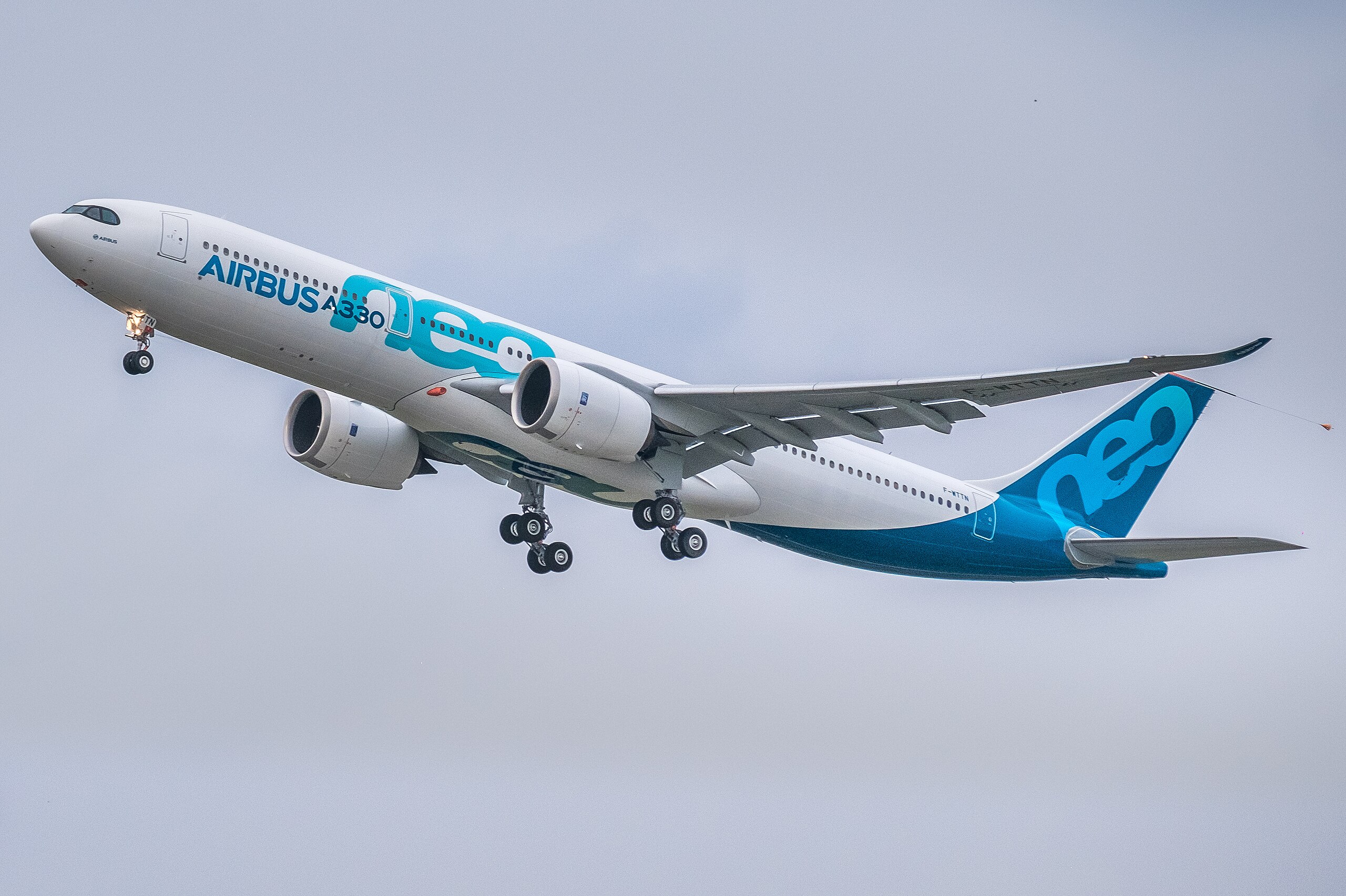
Airbus launched the A330neo to refresh its popular A330 with nearly 14% better fuel economy and greater range. With new engines, aerodynamic improvements, and cabin optimization, the European manufacturer aimed to compete with the Boeing 787 Dreamliner, offering a more modern version of the already popular twin-engine jet.
However, the aircraft didn’t turn out to be as popular as its new-generation competitors, having one-third of the sales compared to the A350 and one-fifth of the Boeing 787. Despite new engines and wings, it is fundamentally an older A330 design, making it harder to compete with newer-generation aircraft.
As of November 2025, Airbus has acquired orders for 470 A330neo aircraft, of which 177 have been delivered. The orderbook includes 458 of the larger A300-900 (169 delivered) and 12 A330-800 (eight delivered). While the orderbook isn’t as strong as its competition, Airbus has leveraged the popularity of the original A330 design.
Is the A330neo the most underestimated aircraft on the market? Can it fill the void for the new midsize airplane (NMA)? We analyze the A330neo business case, highlighting current operations and delivery challenges airlines face for newer-generation aircraft.
The Airbus A330neo may offer the best of both worlds for airlines
With the Boeing 757 and 767 nearing their retirement ages, the commercial aviation industry is in dire need of a new midsize airplane. What was once hoped for from Boeing is no longer on the horizon, and airlines are forced to find alternatives.
Continuing to utilize aging planes can only last for so long, and acquiring a new-generation airplane like the A350 or the 787 is a long waiting game. The Airbus A330neo can offer the best of both worlds – small enough to serve the midsize market, and large enough to be deployed on long-haul routes.
Quickly deliverable, cheaper, and robust
An Airbus A330-900 costs approximately $120 million, over 30% cheaper than the A350-900 and the B787-9. While the A330-900 may not be as fuel-efficient as its contenders on the market, the aerodynamic improvements, greater range, and slightly higher capacity bring it into the ballpark.
Comparing it to what could be the new middle market airplane (180-230 passengers), the A330-900 offers almost 30% more capacity and 20% more range for slightly higher ownership costs. Irrespective of which category the A330-900 competes with, its greatest advantage remains the same – the production lead time.
The current A330neo’s production rate sits at around four aircraft per month, with an additional room to grow. The type may not be suitable for airlines eyeing very niche routes, but it could benefit a majority of other carriers impacted by production delays of A350s and B787s.
Current operators of the Airbus A330neo
| Airline | A330-800 | A330-900 |
|---|---|---|
| Delta Air Lines | – | 39 |
| TAP Air Portugal | – | 19 |
| Condor | – | 18 |
| Cebu Pacific | – | 13 |
| ITA Airways | – | 12 |
| Corsair | – | 9 |
| Kuwait Airways | 4 | 4 |
| Lion Air | – | 8 |
| Malaysia Airlines | – | 8 |
| Virgin Atlantic Airways | – | 8 |
| Azul | – | 7 |
| Garuda Indonesia | – | 5 |
| Starlux Airlines | – | 5 |
| Aircalin | – | 2 |
| Air Senegal | – | 2 |
| Sunclass Airlines | – | 2 |
| Uganda Airlines | 2 | – |
| Air Algerie | – | 1 |
| Air Côte d’Ivoire | – | 1 |
| Air Greenland | 1 | – |
| Air Mauritius | – | 1 |
| Hainan Airlines | – | 1 |
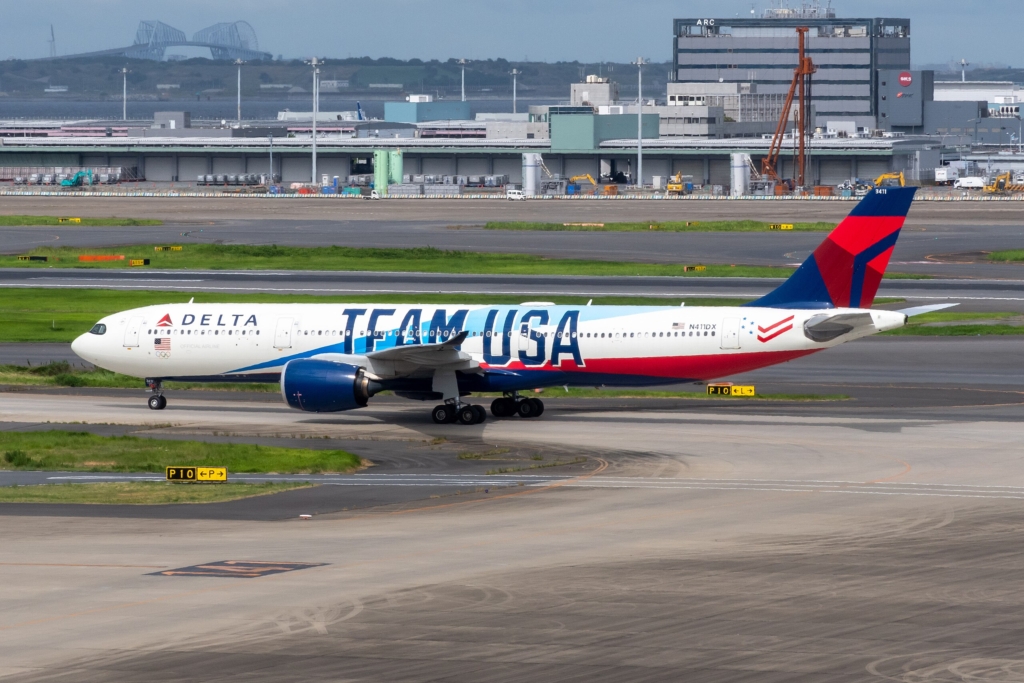
Delta Air Lines is the largest operator of the Airbus A330-900, with 39 active examples as of November 2025. The airline owns 37 of the type while leasing the other two aircraft, making the average age of 3.2 years across the fleet. TAP Air Portugal is the launch operator of the type, receiving its first A330-900 in April 2019.
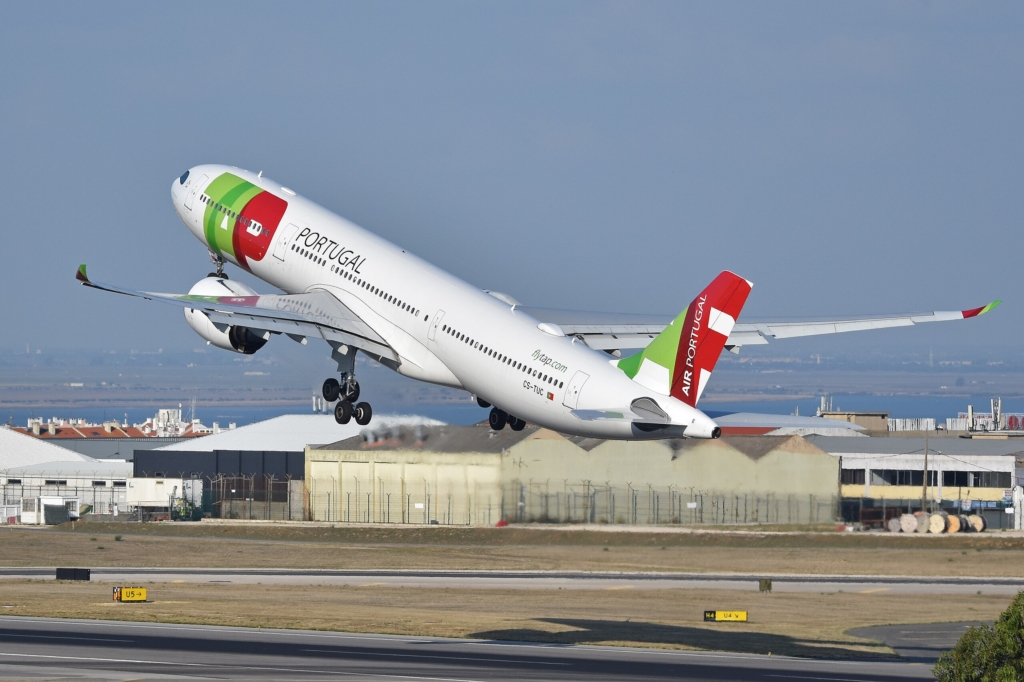
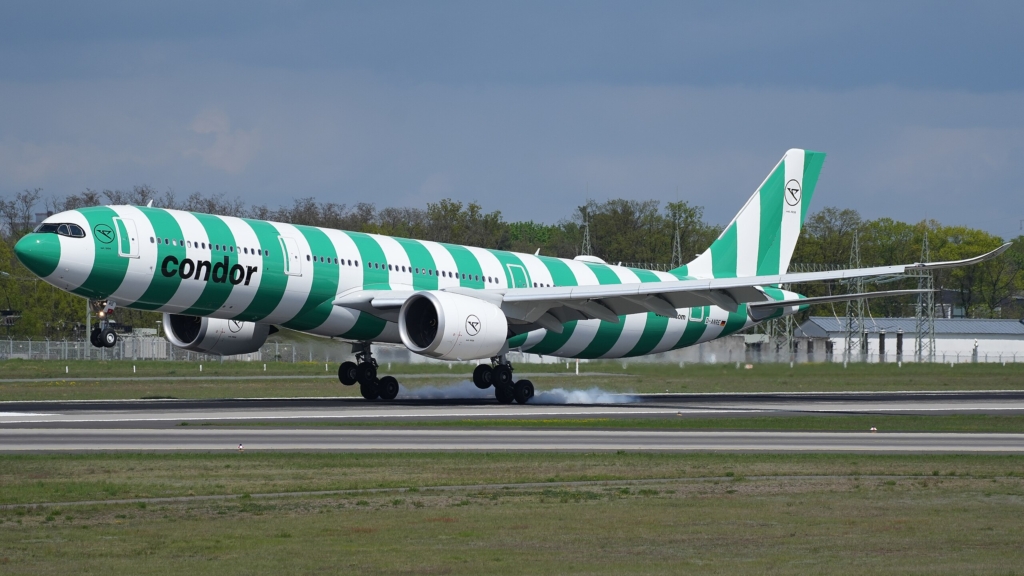
The airline currently operates 19 A330-900s, with an average age of 6.7 years. German carrier Condor is another major operator of the type, with 18 examples in service, averaging 2.7 years. Kuwait Airways is the only airline to operate both types of the A330neo family. Airbus has a backlog of 293 aircraft, which would run production until at least 2031.
Featured Image: Alex Cheban / Wikimedia Commons
Sign up for our newsletter and get our latest content in your inbox.