Emirates A380 and Saudia A321 damaged in Iran strikes on Dubai Airport

March 23, 2026
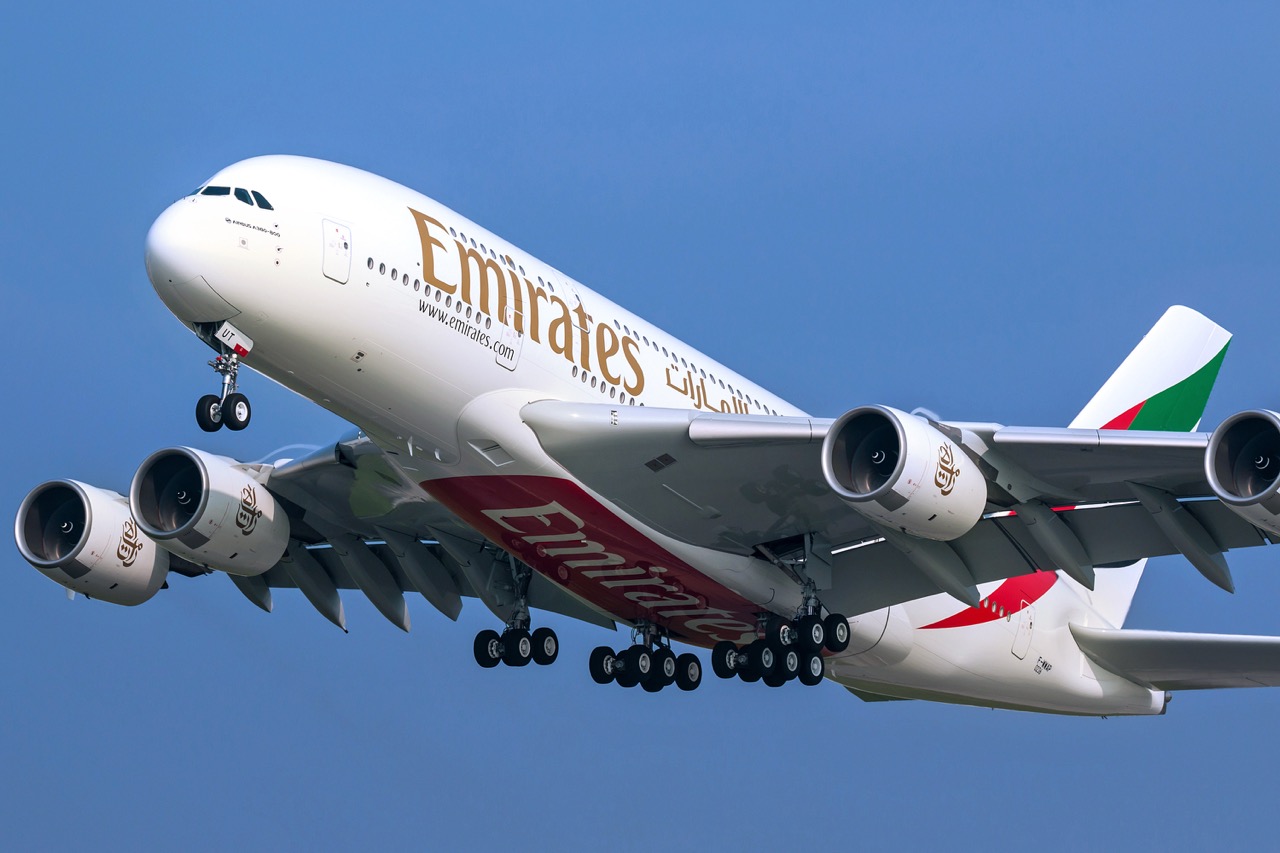
New reporting by The Wall Street Journal (WSJ) suggests that Iranian drone and missile activity has already begun to impact commercial aviation assets on the ground, with two major airliners reportedly damaged at Dubai International Airport.
According to the report, an Emirates Airbus A380 Superjumbo and a Saudia Airbus A321 were struck while parked during the early stages of the conflict, citing people familiar with the incidents.
The WSJ adds that these were among at least five aircraft damaged in total. While details remain limited, including the extent of the damage and whether the aircraft are repairable, the incidents underline a notable escalation, moving beyond airspace disruption into direct physical impact on airline fleets and infrastructure.
Emirates A380 reportedly hit on the ground by Iranian fire
The publication reports that at least five aircraft parked at airports in Dubai and Israel have “sustained damage from Iranian attacks,” underscoring how rapidly the conflict is spilling into civilian aviation infrastructure. Two of those aircraft were identified as an Emirates Airbus A380 and a Saudia Airbus A321.
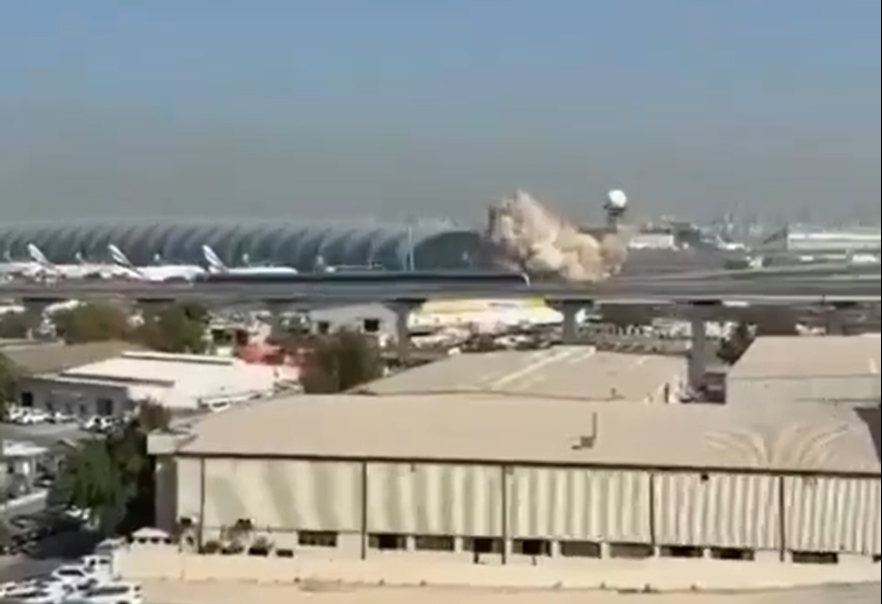
According to the WSJ, both airliners were struck on the ground at Dubai International Airport in the early phase of the conflict, citing unnamed sources familiar with the incidents. While the exact circumstances remain unclear, the claim suggests that even major, well-defended hubs are not immune from the expanding threat envelope.
The remaining three aircraft were reportedly private jets damaged at Israel’s Ben Gurion Airport after debris from intercepted ballistic missiles fell onto the airfield. These incidents are said to have taken place last week, highlighting the secondary risks posed not just by direct strikes, but by interception activity overhead.
BREAKING: In response to the heavy airstrikes by the Israeli and U.S. Air Forces on Mehrabad International Airport in Tehran, the IRGC Aerospace Force used Shahed-136 one-way attack drones to target the fuel depot at Dubai International Airport in the UAE. The strike occurred a… pic.twitter.com/gD1MwaEX2B
— Babak Taghvaee – The Crisis Watch (@BabakTaghvaee1) March 16, 2026
Crucially, the WSJ did not provide detail on the extent of the damage to either the A380 or the A321, and it remains unknown whether either aircraft can be repaired and returned to service. That uncertainty is significant, particularly in the case of the A380, where replacement options are extremely limited.
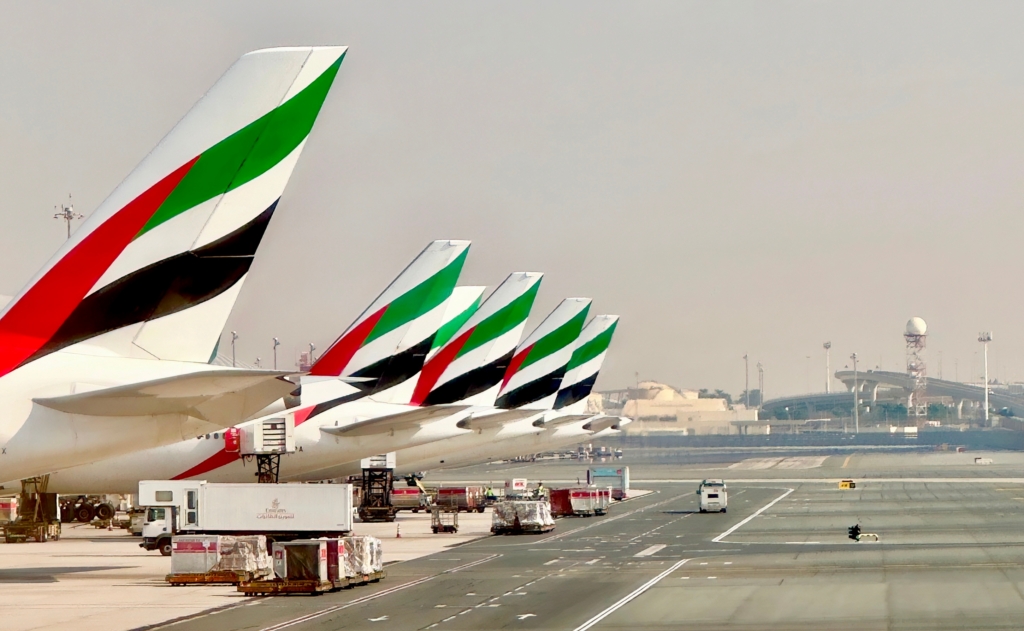
The Emirates fleet context makes the report even more notable. The airline acquired 123 of the 251 A380s ever built and, according to Planespotters.net, still has around 116 in active service. Far from phasing the aircraft out, Emirates has doubled down on the type, with President Tim Clark repeatedly stating his intention to keep the superjumbo flying into the 2040s and even previously urging Airbus to consider a re-engined A380neo.
Another Iranian attack drone hit Dubai International Airport, barely missing Concourse A. pic.twitter.com/axvNdrXUFn
— OSINTtechnical (@Osinttechnical) March 7, 2026
Against that backdrop, any confirmed damage to one of Emirates’ flagship aircraft, particularly on home soil, would carry both operational and symbolic weight.
Civilian aircraft in Iran face growing risk amid escalating conflict
Separately, there are growing indications that Iranian aircraft themselves, including elements of the civilian fleet, may have been caught up in retaliatory strikes by Israel and/or the United States.
While details remain limited and difficult to independently verify, multiple reports suggest that aircraft on the ground at Iranian airbases and dual-use facilities have been targeted as part of a broader effort to degrade logistics and air mobility capabilities.
Israel has previously alleged that civilian aircraft have been used to transport weapons and equipment to Hezbollah in Lebanon, blurring the line between commercial and military aviation. In parallel, European authorities have sanctioned Iran Air over accusations that it has been involved in moving military materiel to support Russia’s war in Ukraine.
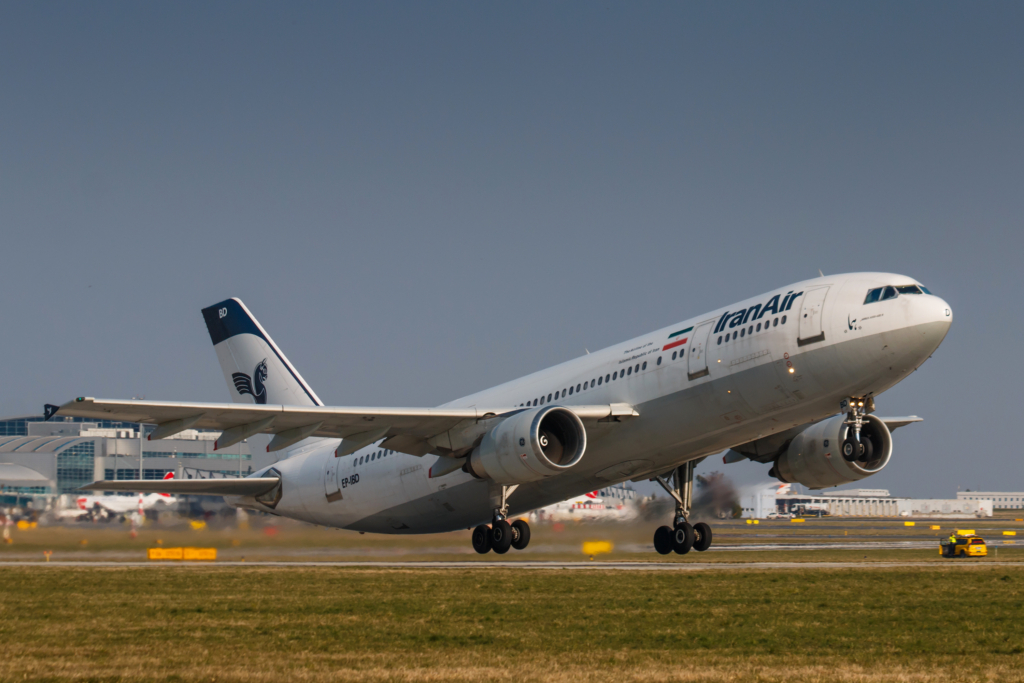
That context is important, as it helps explain why commercial platforms could be considered legitimate targets by opposing forces, even if doing so raises serious legal and safety questions.
Iran’s fleet composition adds another layer to the story. Decades of sanctions have prevented the country from purchasing new Western-built aircraft directly, forcing operators to rely on older jets sourced through intermediaries and shell companies. As a result, the fleet is heavily weighted toward ageing Airbus A340s and Boeing 747s, types that are more readily available on the secondary market and comparatively easier to keep operational under constrained conditions.
BREAKING: The number of Iranian Army Aviation helicopters destroyed in Israeli airstrikes at the 4th General Support Base in Isfahan and its training facility has now reached over 250. These helicopters had been dispersed across different locations within the base in an effort to… pic.twitter.com/ndJLkXy8hG
— Babak Taghvaee – The Crisis Watch (@BabakTaghvaee1) March 22, 2026
There are also claims of significant losses within Iran’s rotary-wing fleet, with reports suggesting large numbers of helicopters have been destroyed at military bases. While these figures remain unconfirmed, they point to the scale of attrition that could be affecting Iran’s overall aviation capability.
Risk of civilian aircraft shootdowns rises amid Middle East conflict
As Iran continues to target infrastructure around the UAE, including Dubai International Airport, airlines such as Emirates are maintaining operations, albeit in an increasingly complex and volatile environment.
The Wall Street Journal notes that “airlines have reinstated hundreds of flights a day even as drones and missiles have struck across the region,” highlighting the tension between operational continuity and evolving security risks.
However, beyond the immediate threat of drone and missile strikes, there is a more insidious danger: the risk of misidentification. In congested and contested airspace, civilian aircraft can be mistaken for hostile targets, particularly during periods of heightened alert when air defence systems are primed to respond within seconds.
Recent history offers several examples. In 2020, Iran’s air defence forces shot down Ukraine International Airlines Flight 752 shortly after take-off from Tehran, killing all 176 people on board. The incident occurred amid heightened military tensions and was later attributed to human error.
In 2014, Malaysia Airlines Flight MH17 was downed over eastern Ukraine by Russian-backed forces using a surface-to-air missile system. More recently, Russia was linked to the downing of Azerbaijan Airlines Flight 8243 over southern Russia in 2024.

There have also been near misses. In 2025, an Aeroflot Boeing 737 reportedly came under flak fire while approaching Moscow.
The risk is not new. In 1988, the US Navy mistakenly shot down Iran Air Flight 655 over the Persian Gulf during a period of heightened tension, a reminder that even advanced militaries are not immune to fatal errors.
Taken together, these incidents underscore a persistent and growing concern that as conflict intensifies and airspace becomes more contested, the margin for error narrows, and the consequences for civilian aviation can be catastrophic.
Featured Image: Emirates