IndiGo appoints external expert to investigate cancellation chaos as operation ‘normalises’

December 14, 2025
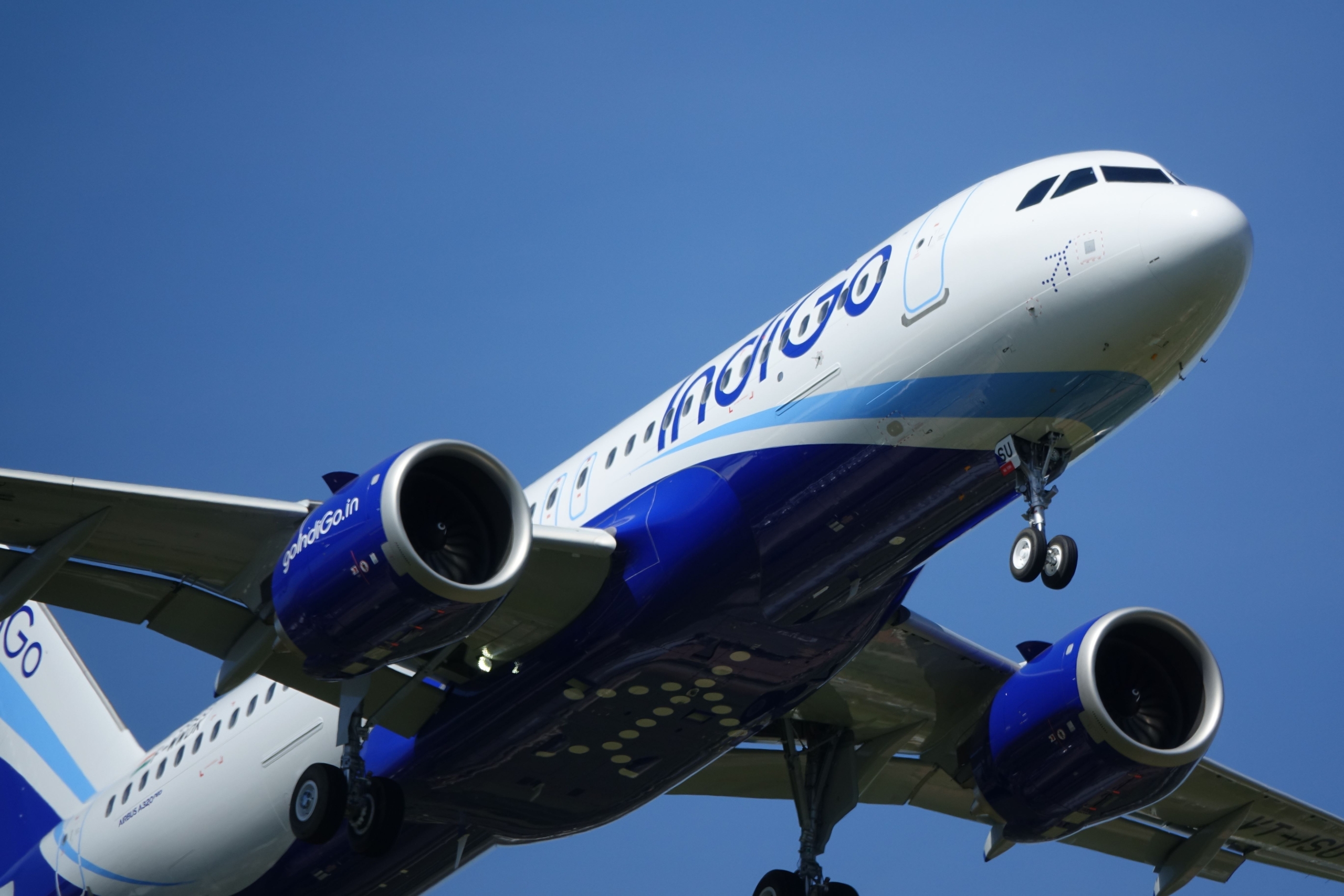
IndiGo has appointed an independent aviation consultancy to investigate the recent disruption that saw thousands of flights cancelled, as India’s largest carrier seeks to manage the fallout from a week that has deeply damaged the carrier’s reputation and left many wondering how such wide-scale chaos was allowed to happen.
The airline has confirmed that Chief Aviation Advisors, led by Captain John Illson, is to carry out a detailed review and root cause analysis of the meltdown.
“With the board’s approval now in place, the review will begin at the earliest, and the independent expert reviewer will submit a comprehensive report to the board upon completion,” the airline said in a statement.
Captain Illson, who brings more than 40 years of experience with the FAA –where he was a senior advisor until March 2025 – ICAO, IATA, and multiple global airlines, will assess both the operational failures and potential improvements in scheduling, crew management, and infrastructure use.
IngiGo: Weeks of cancellations and network strain
Illson’s appointment is just the latest development in a saga that has brought Indigo’s operation to its knees.
The crisis began in early December, when IndiGo faced a surge in flight cancellations linked to crew shortages and compliance with new duty regulations brought in by the Indian regulator.
Industry sources said the airline struggled to adjust its schedules to comply with newly strengthened Flight Duty Time Limitations (FDTL), leading to grounded flights and extensive passenger disruption.
The Directorate General of Civil Aviation (DGCA) responded by instructing the carrier to reduce its flight schedule by roughly 5%, aligning operations with available crew resources.
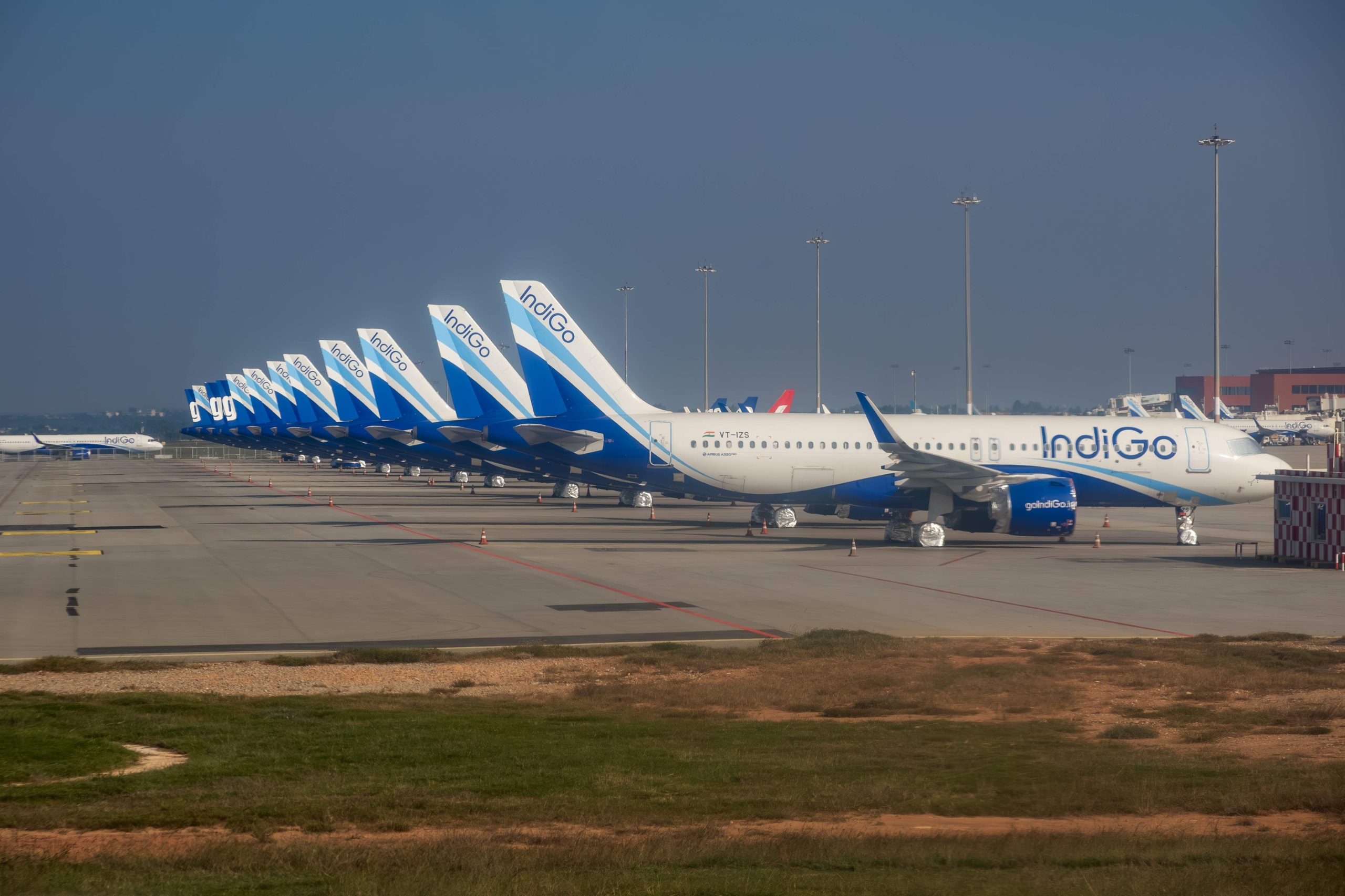
Analysts noted that IndiGo’s dominant share of the domestic market, approximately 65%, amplified the impact of these cancellations, causing ripple effects across the Indian aviation system.
Data from earlier in December indicated thousands of flights were affected, with daily cancellations peaking in the early days. For example, on 8 December, over 1,700 flights operated, but one cancellation was reported. By 11 December, the airline had run about 1,950 flights, with four cancelled, largely due to adverse weather. Industry tracking suggested that cumulatively, several thousand flights were disrupted over the initial week.
Stabilisation underway at IndiGo
In its latest operational update, IndiGo reported that by 12 December, it planned to operate more than 2,000 flights under a scaled-down schedule, with all 138 destinations in its network reconnected.
On-time performance had reportedly returned to the airline’s normal level, reflecting a gradual stabilisation after the chaotic start to the month.
The airline said that airport partners had been advised to update terminal flight information to minimise passenger confusion, and that weather remained the only significant factor affecting cancellations.
Passenger compensation and financial impact
IndiGo has also moved to address customer grievances, offering travel vouchers worth 10,000 Indian rupees (£85) to passengers most affected by the earlier cancellations, alongside standard refund options.
The disruptions have prompted analysts to revise near-term earnings forecasts, citing potential operational costs and compensation liabilities.
Airports in cities such as Ahmedabad and Chandigarh reported residual impacts, with some flights still being cancelled or delayed, although overall services have largely stabilised.
Industry scrutiny and broader implications
Regulators have increased oversight of IndiGo’s operations. DGCA officials have visited the airline’s headquarters to monitor recovery efforts, while senior management received formal notices requiring explanation for the disruption.
The episode has reignited debate over India’s heavily concentrated domestic airline market.
Observers say that the dominance of a single carrier can magnify operational problems, and some industry voices are calling for more balanced distribution among multiple operators to reduce risk in the future.
On Friday, Indian press reported that the DGCA had dismissed four flight inspectors responsible for overseeing IndiGo’s operational and safety compliance.

The regulator cited lapses in monitoring and inspection as the reason for their removal.
The DGCA has also stationed two teams at IndiGo’s offices near Delhi to monitor the airline’s recovery. Each team is said to be required to submit a daily report to the regulator by 6 pm.
One team is tasked with reviewing operational metrics, including fleet availability, pilot numbers, crew utilisation hours, ongoing training, split duty schedules, unplanned absences, and standby staffing, among other criteria, while a second team is focused on passenger-facing issues arising from the disruption.
Independent IndiGo review expected to guide reforms
By bringing in Captain Illson and Chief Aviation Advisors, IndiGo aims to identify both immediate and structural causes of the disruption, and to outline steps to prevent a repeat.
The review is expected to examine crew scheduling, technology systems, operational processes, and risk management strategies.

Its findings will be closely watched by regulators, the airline industry, and passengers, as India seeks to restore confidence in its commercial aviation sector.
Featured image: Franz Massard / stock.adobe.com