India is entering the secretive 6th-generation fighter jet race, starting with quantum avionics

December 17, 2025
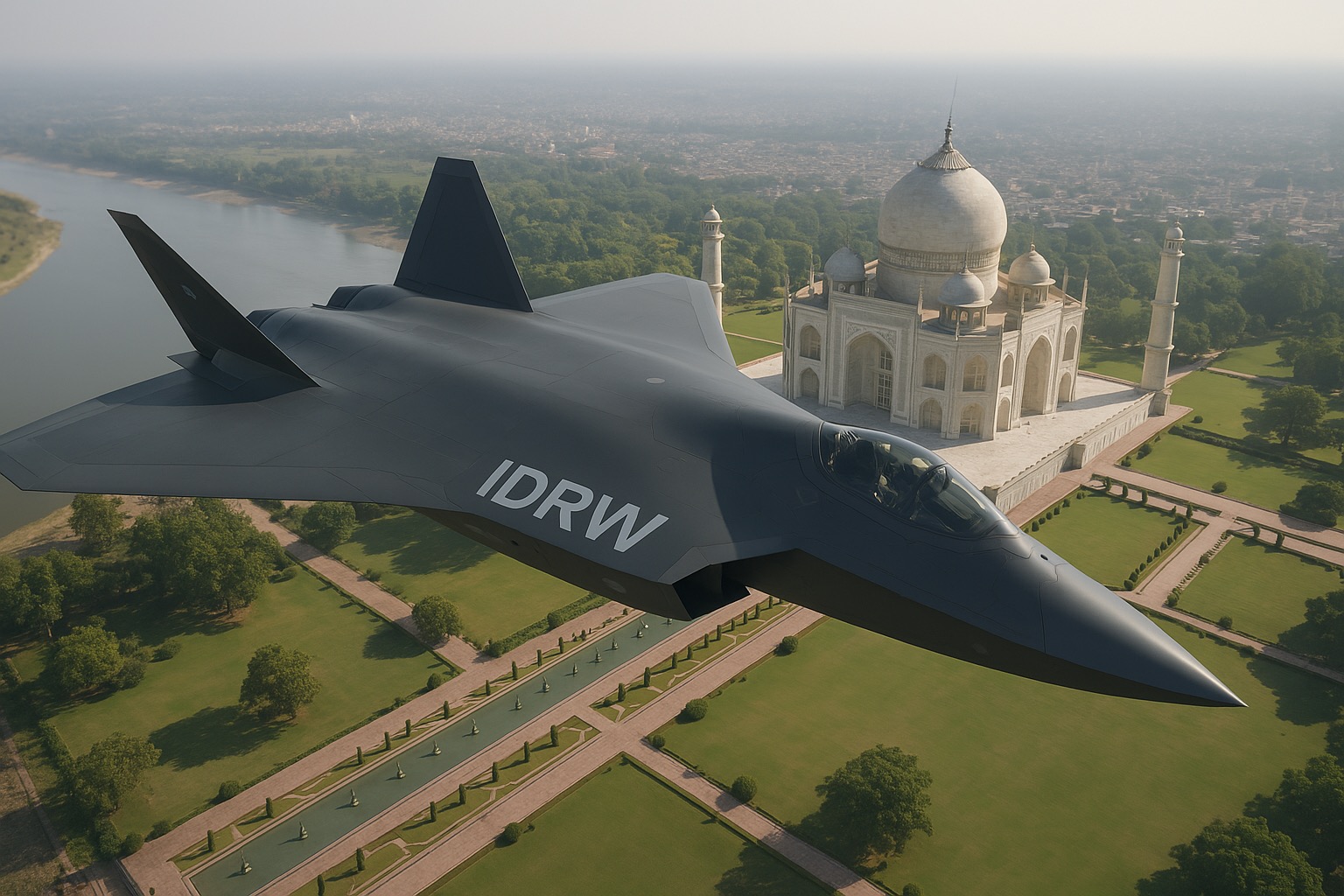
India has begun taking its first concrete steps toward sixth-generation fighter technologies, even as its fifth-generation Advanced Medium Combat Aircraft (AMCA) programme continues through development.
Rather than announcing a formal project, New Delhi is pursuing a quiet, technology-first strategy built around next-generation avionics, propulsion concepts and artificial intelligence, with the Defence Research and Development Organisation (DRDO) drawing Indian private industry in at an unusually early stage.
At the centre of this effort is DRDO’s Research Centre Imarat (RCI), the Hyderabad-based laboratory responsible for airborne sensors and avionics. In recent months, RCI has begun collaborating with Indian firms and start-ups on quantum-based avionics, technologies widely seen as foundational for sixth-generation air combat.
People familiar with the programme say the logic is straightforward. Before India can design a sixth-generation aircraft, it must first master the systems that will define how such a fighter fights, survives and commands the battlespace.
India’s push into quantum avionics to power future sixth-generation aircraft
The initial emphasis is on quantum avionic sensors, including quantum inertial navigation systems, quantum magnetometers and next-generation atomic clocks. These promise extremely high accuracy without reliance on satellite navigation, a capability increasingly central as future battlefields become heavily contested in the electromagnetic spectrum.
Defence planners now assume that GPS jamming and spoofing will be routine in high-end conflict. Conventional navigation systems degrade rapidly in such conditions, whereas quantum-based systems can determine position and motion by measuring fundamental physical properties rather than external signals.

RCI’s goal is to move these technologies from controlled laboratory settings into rugged, miniaturised packages suitable for combat aircraft. The laboratory is prepared to fund a significant share of development costs to accelerate progress while ensuring that intellectual property remains indigenous.
Beyond fighters, the same technologies are expected to feed into unmanned aircraft, missiles, electronic warfare systems and naval platforms.
India’s sixth-generation fighter vision centres on AI and manned-unmanned teaming
Sixth-generation fighters are no longer conceived as standalone aircraft. Indian designers see them instead as command nodes within a distributed combat network capable of managing drones, sharing real-time data and orchestrating air and surface assets.
AI will be central to this shift, driving sensor fusion, threat prioritisation, electronic warfare management and flight-control optimisation. Rather than overwhelming pilots with raw data, AI-driven avionics will filter and present information as actionable options, reducing cognitive load in dense electronic warfare environments.

This does not automatically imply pilotless fighters. India’s thinking leans toward optional manning and manned-unmanned teaming, with fighters directing loyal wingman drones or performing some missions autonomously.
Adaptive engines and extreme altitude flight shape India’s sixth-gen concepts
India’s early sixth-generation concepts also stretch far beyond avionics. Studies across the defence ecosystem envision aircraft capable of operating at extreme altitudes, potentially up to around 75,000 feet, well above the envelopes of current fifth-generation fighters.
Operating at such heights extends sensor reach, improves missile launch conditions and reduces vulnerability to some surface-based air defences. Achieving this requires major advances in airframe design and propulsion.

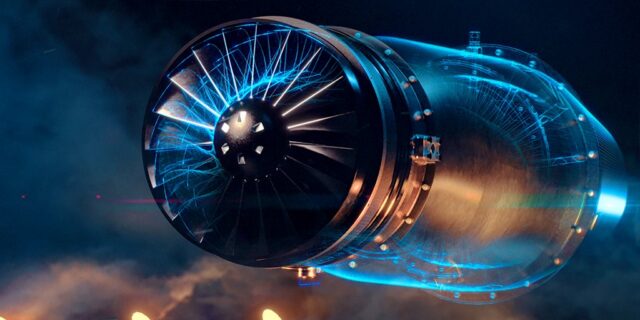
Engineers describe blended-wing and lifting-body layouts, lightweight composite structures and adaptive control surfaces that shift shape to maintain efficiency across subsonic, supersonic and high-altitude regimes. These are being explored in parallel with variable-cycle engines that can alternate between high-thrust and high-efficiency modes depending on mission requirements.
Such engines will also need to generate far greater electrical power to support future sensors, electronic warfare suites and, eventually, directed-energy weapons.
India’s sixth-generation sensor suite: multi-band radar, counter-stealth and EW
While stealth remains important, Indian planners expect future battlespaces where stealth alone will not guarantee survivability. As a result, future aircraft are likely to field multi-band radar suites, passive detection systems and distributed sensor apertures embedded across the airframe.
Work is underway on architectures capable of fusing infrared, electro-optical, RF and electronic support measures into a single, coherent picture. Electronic warfare systems are being designed to adapt in real time, learning enemy radar behaviour and updating jamming profiles mid-mission.
Quantum radar and photonic radar systems are also under study, though officials caution that these remain long-term prospects.
How AMCA research is feeding India’s sixth-generation fighter technologies
India’s current priority is delivering the AMCA, expected to enter service in the mid-2030s. But senior DRDO and Air Force figures have repeatedly argued that sixth-generation technology development must run in parallel, not wait until AMCA is complete.
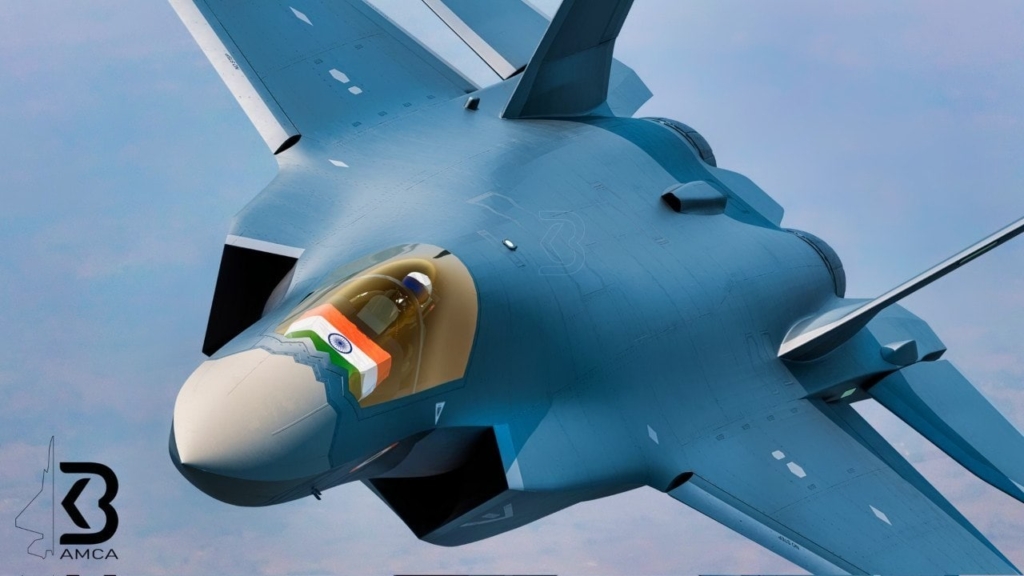
Former programme leaders have said publicly that India is technically ready to pursue a sixth-generation unmanned or optionally manned fighter, drawing on work from stealth UAV initiatives such as the Ghatak programme. Scale models, aerodynamic studies and control-law research have already been conducted, even without formal project approval.
For now, India is following a cautious, capability-first approach: investing in quantum sensing, AI-driven avionics, adaptive propulsion and advanced electronic warfare so that when a sixth-generation aircraft is eventually approved, the core technologies are already mature.
Why India is taking a technology-first path to sixth-generation fighter development
India’s approach contrasts with the more public announcements of sixth-generation technology in the US and Europe. Officials argue that mastering critical technologies early will reduce risk later and limit exposure to foreign suppliers.
As one person involved put it, “You don’t announce a sixth-generation fighter until you are sure you can build its brain and nervous system yourself.”
The groundwork now being laid suggests India intends not to follow but to compete in the next era of air combat, even if it chooses to move quietly until the technology is ready to take flight.
Featured image: IDRW