India’s AMCA stealth fighter research achieves near-perfect intake airflow efficiency

March 10, 2026
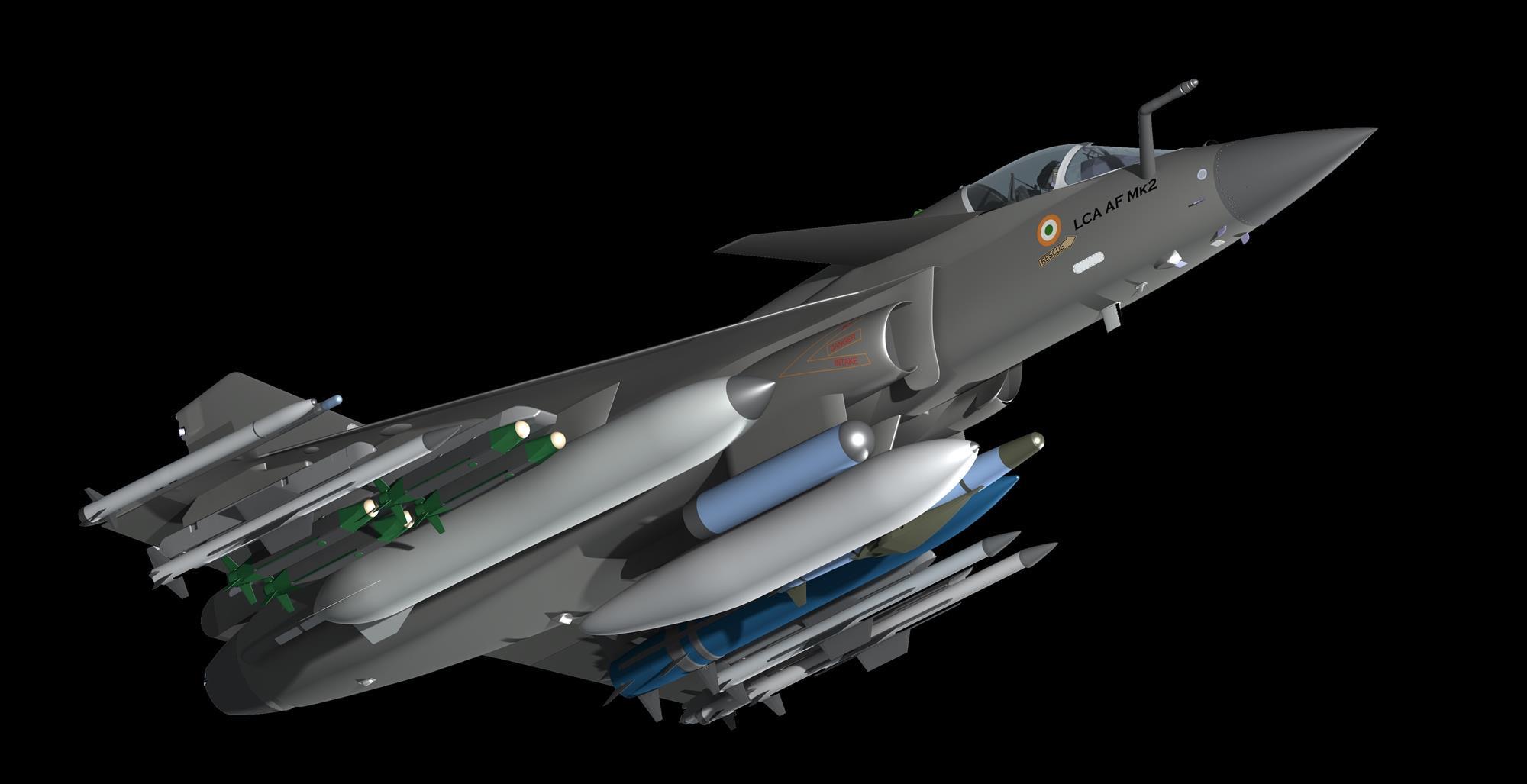
India’s Aeronautical Development Agency (ADA) has reported a significant advance in the aerodynamic design of stealth fighter engine intakes, achieving performance levels that could strengthen the technological foundations of the country’s Advanced Medium Combat Aircraft (AMCA) programme.
The findings, published in the February 2026 edition of the Journal of Aerospace Sciences and Technologies and first reported by Defence.in, outline how engineers have validated a new intake geometry capable of preserving engine efficiency while maintaining the low-observable characteristics required for modern stealth aircraft.
The aerodynamic dilemma of stealth fighter engine intakes
One of the fundamental design challenges for stealth aircraft lies in hiding the engine’s compressor blades from radar.
These rotating components are highly reflective to radar waves and can compromise an aircraft’s low-observable profile if exposed.
To solve this, designers use serpentine or “S-duct” air intakes that curve inward, preventing radar from having a direct line of sight to the engine face.
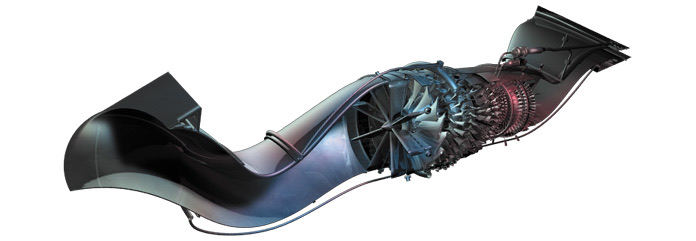
While effective for stealth, the curved geometry introduces severe aerodynamic complications.
In a straight intake, airflow enters the engine smoothly. In a curved duct, however, the air can become distorted as it negotiates the bends.
Disturbed airflow reduces engine efficiency and can lead to compressor stall, an abrupt disruption of airflow that may result in engine failure. Persistent distortion can also increase vibration and fatigue in turbine components.
New S-duct intake design achieves 98% pressure recovery
In their study, ADA researchers, including R. Abilashini and Valliammai Somasundaram, combined wind-tunnel experiments with advanced Computational Fluid Dynamics (CFD) modelling to test a revised intake configuration.
The results demonstrated a pressure recovery rate of around 98% at transonic speeds, meaning almost all of the incoming airflow energy was preserved before entering the engine.
For curved intake systems, such efficiency is considered exceptional. Every bend in a duct typically introduces energy losses through friction and turbulence, making high-pressure recovery difficult to achieve.
The researchers also confirmed that the intake remained stable at angles of attack of up to 60 degrees.
In such extreme manoeuvring conditions, airflow normally becomes highly unstable.
However, the team found that the intake lip generates a controlled vortex that guides airflow smoothly through the duct even during aggressive combat manoeuvres.
Improving wind tunnel testing for stealth fighters
The research also addressed another technical challenge: how to accurately test stealth aircraft designs in wind tunnels.
Because full-scale fighters are too large for most facilities, engineers rely on scaled models mounted on a supporting rod known as a “sting”. That rod can disturb the airflow behind the model and affect measurement accuracy.
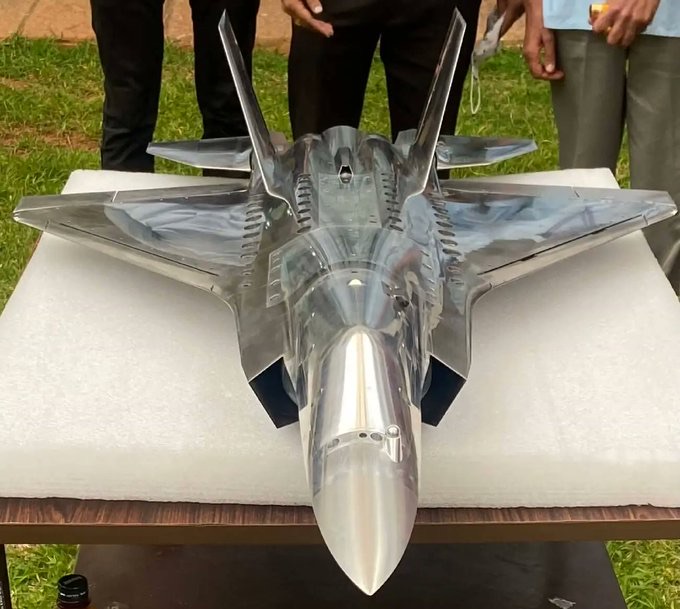
The ADA team developed correction factors to account for this “sting interference”, improving the reliability of wind-tunnel data.
The study also confirmed that simplified or “truncated” aircraft models can produce accurate intake behaviour results when instrumentation is carefully calibrated.
These improvements could make aerodynamic testing for stealth aircraft faster and more reliable.
What the breakthrough means for India’s AMCA stealth fighter
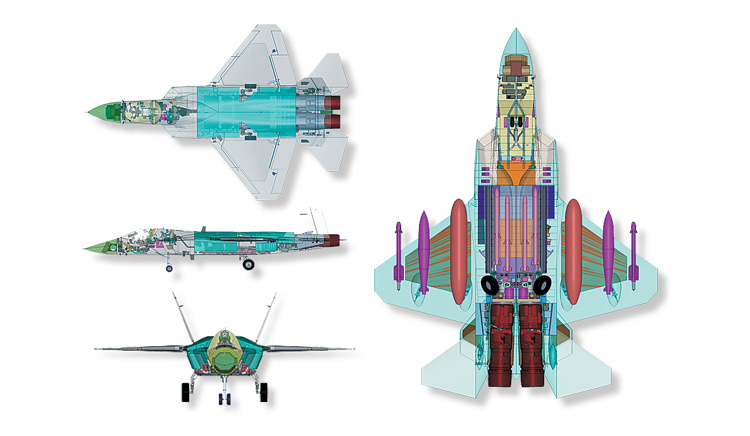
The research provides important technical validation for India’s AMCA programme, the country’s flagship fifth-generation fighter initiative led by ADA under the Defence Research and Development Organisation.
The aircraft is being designed as a twin-engine, medium-weight stealth platform with internal weapons bays, advanced avionics, sensor fusion and supercruise capability.
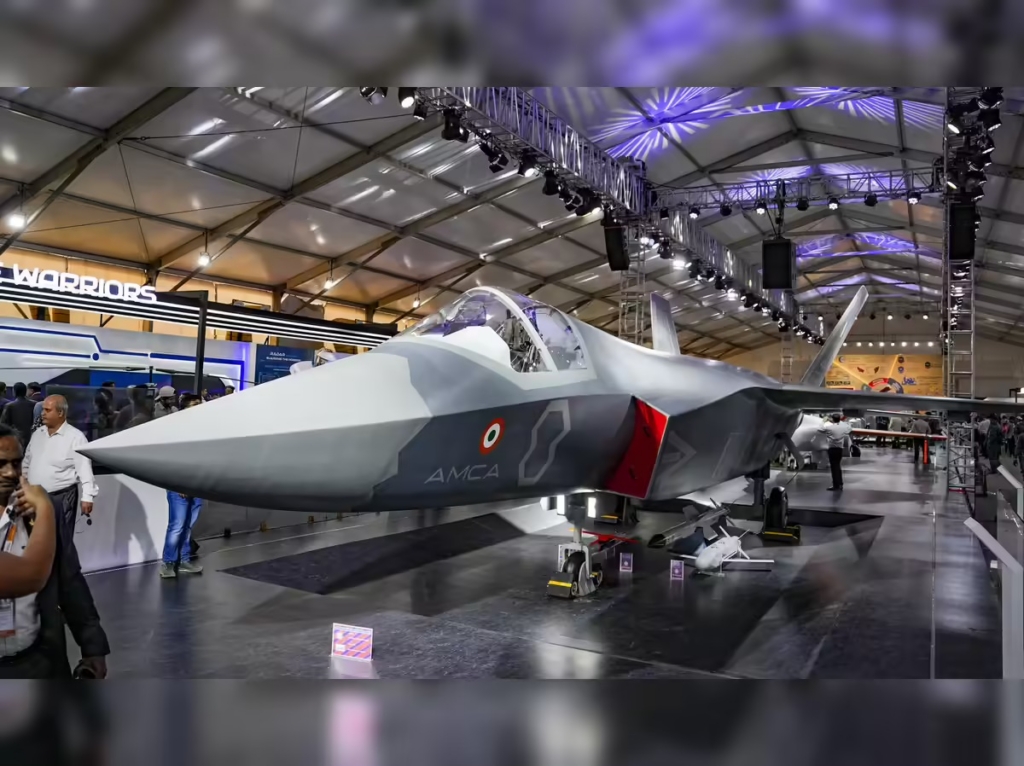
Current plans call for the first prototype to fly around 2029, with development concluding by 2034 and production expected to begin in the mid-2030s.
The Indian Air Force is expected to induct roughly 120 aircraft across six squadrons, making the AMCA a central component of the country’s future air combat capability.
Implications for sixth generation fighter jets
Beyond the immediate needs of AMCA, the intake research could also support future sixth-generation aircraft designs, particularly tailless or blended wing-body configurations.
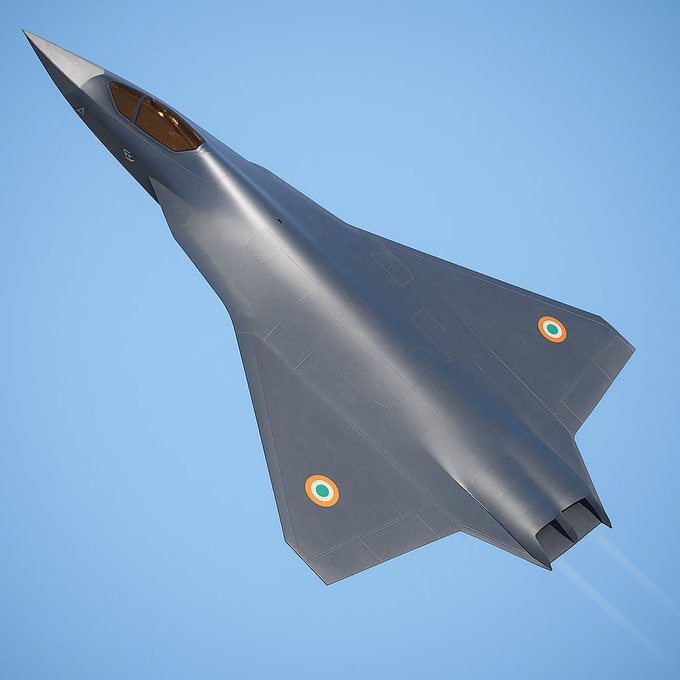
Such aircraft aim to minimise radar signatures even further by eliminating vertical stabilisers, but the absence of those surfaces introduces new aerodynamic challenges.
Demonstrating that stable airflow can be maintained in complex intake systems without relying on conventional airframe stabilisation marks an important step toward these next-generation designs.
Taken together, the ADA study not only addresses a long-standing engineering hurdle in stealth aircraft design but also lays the groundwork for India’s ambitions in advanced combat aviation in the decades ahead.
Featured image: IDRW