How aircraft engines are getting quieter

November 16, 2025
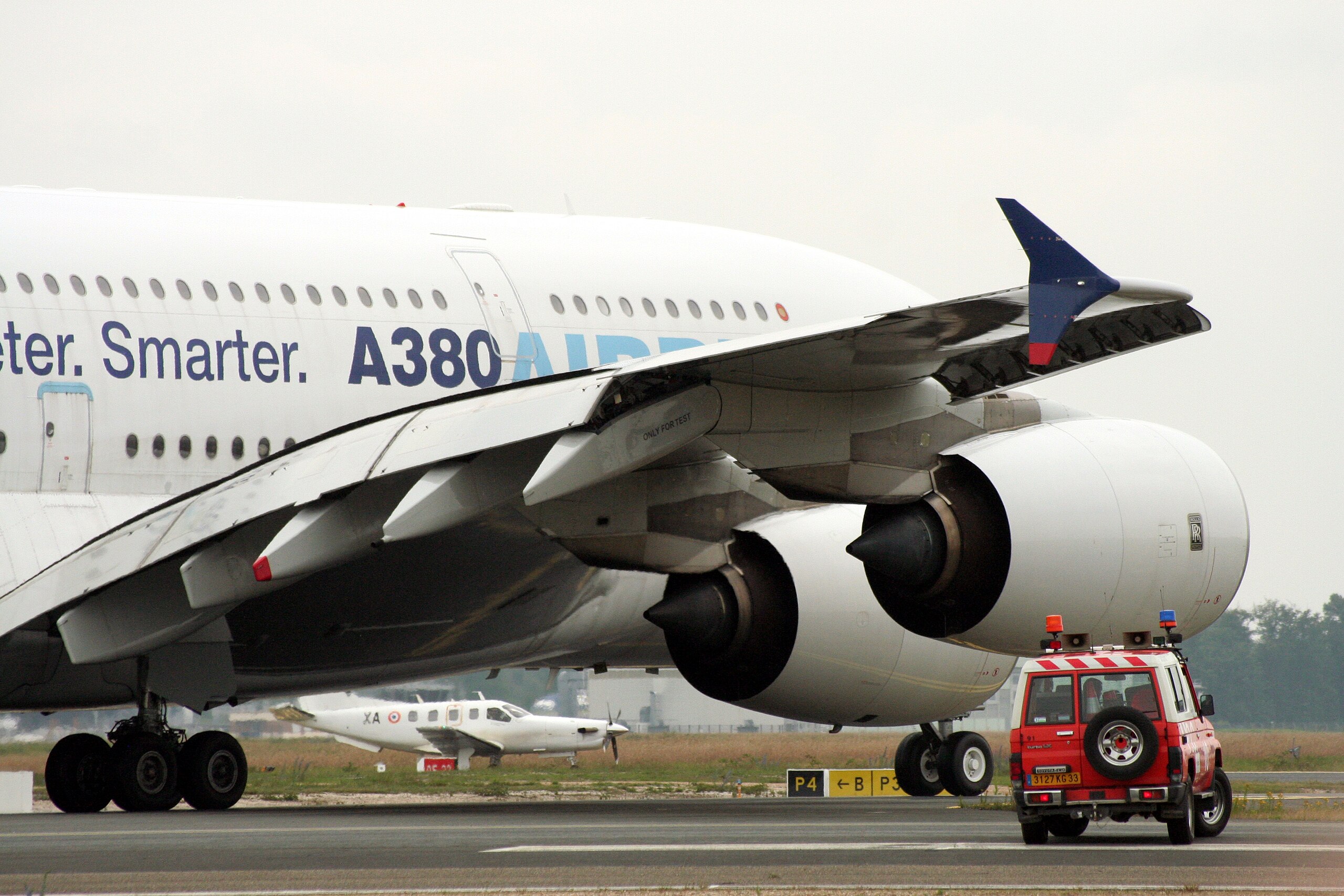
Aircraft engine technology has come a long way in recent years. From noisy high-emission gas guzzlers to quieter, more efficient powerplants, jet engines have transformed significantly. Technological advancements in engine design, aerodynamics, and material sciences have resulted in clean and quieter engines.
Design elements that contribute to quieter engines
Modern turbofan engines feature a large fan to transfer more air through the secondary bypass, providing shielding for high-speed gases coming out of the exhaust. A high bypass ratio means only a fraction of air is compressed and ignited with fuel, while the majority of it adds to the thrust. With slower bypass air, less-violent turbulence occurs in the exhaust, minimising noise and overall temperature of the engine.
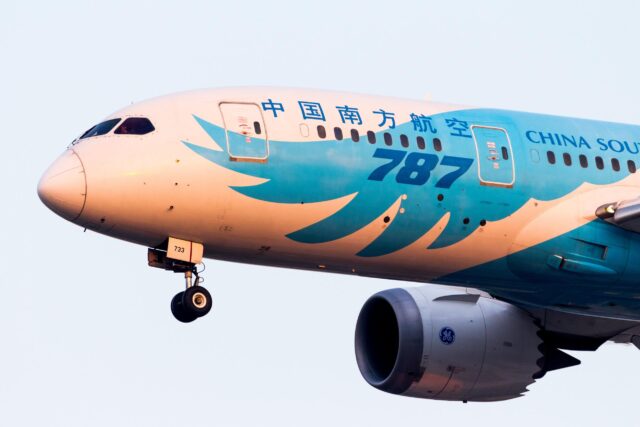
While the bypass air cools the engine, the interaction between hot gases and the cold ambient environment during flight creates significant noise. Chevron exhaust nozzles have serrated edges on the aft of the engine nacelle. These are found on various aircraft, including Boeing 737 MAX (CFM LEAP), 747-8 (GEnx), and the 787 Dreamliner (GEnx or RR Trent). It is noteworthy that chevrons are part of the powerplant (airframe) and not the engine.

Chevrons allow smooth blending of hot and cold air streams, thereby reducing noise created by the high-speed exhaust. The design of the chevron creates small vortices in the downstream region, which reduces the noise created through turbulence. The noise reduction is highly beneficial during takeoff and landing, allowing quieter operations at and around airports.
The use of chevrons has also resulted in weight savings due to the removal of sound insulation. Although the engine’s thrust performance is slightly compromised due to the creation of vortices from chevrons, the aircraft complies with noise regulations.
Aerodynamics and materials for aircraft engine noise reduction
Modern aircraft like the Airbus A350 and the Boeing 787 are designed with lightweight composite materials to improve efficiency and minimise noise and emission footprint. Similarly, jet engines powering these airliners feature sound-absorbing materials to achieve regulatory compliance.
According to Boeing, “The 787 Dreamliner family incorporates a number of newer technologies. The noise footprint of the 787 is up to 60% smaller than those of the airplanes it will replace, and acoustically treated aerodynamic surfaces make it quieter for surrounding communities.”

Other noise abatement techniques for engines
Engine noise from rotating components such as the fan, compressor, and turbines increases as it gains speed. Fan blades and other airfoils are shaped to increase efficiency and minimise noise emissions. Major components are digitally designed and tested to ensure noise from shapes and contours is within limits.
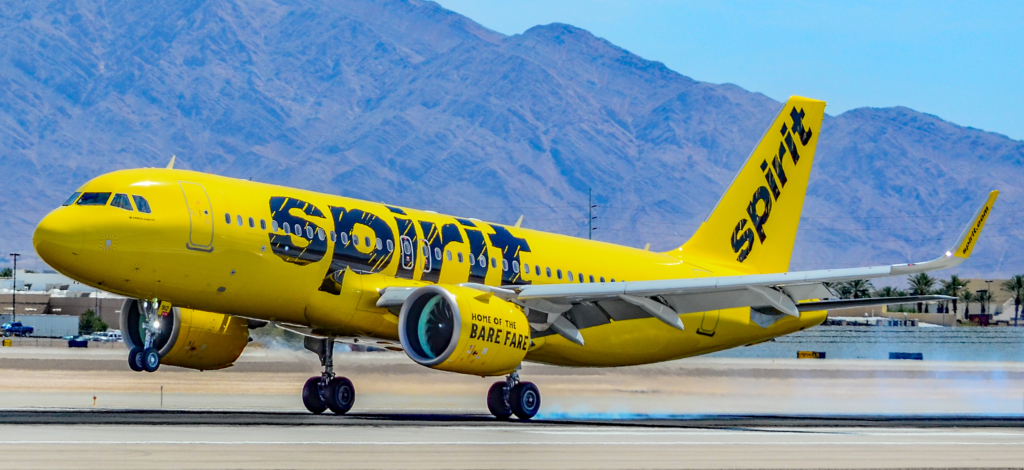
Geared Turbofan (GTF) engines optimise the rotational speed of compressor and turbine shafts to reduce material stress and noise. Placing a 3:1 gearbox between the fan and the low-pressure compressor allows each shaft to spin at optimal speed. The GTF engine family powers a range of aircraft, including the Airbus A220, A320neo family, and Embraer E-Jet E2.
Pratt & Whitney claims that the GTF engine family is the quietest and most fuel-efficient in its class of single-aisle aircraft.
Sound-damping materials, such as aerogels, are used for noise abatement. Where necessary, specialised acoustic liners are installed in clearances between rotating airfoils and casings. These technologies minimise environmental impact and offer a comfortable flying experience for passengers.
Featured Image: Ludovic Courtès / Wikimedia Commons