A brief history of airline meals: From boxed lunches to global catering giants

April 5, 2026
Airline meals have evolved dramatically since the earliest days of commercial aviation. What began as simple boxed lunches handed to passengers in the 1930s has grown into a global industry involving specialised catering companies, high-tech kitchens and complex logistics networks capable of producing tens of thousands of meals each day.
A newly announced partnership between gategroup and KLM Royal Dutch Airlines—which will see the Swiss catering giant acquire a 75% stake in KLM Catering Services—reflects how the airline catering sector continues to evolve nearly a century after airlines served the first meals in the sky.
The first airline meals
Commercial airline meals date back to the 1930s, when airlines began offering simple boxed lunches or picnic-style meals on long-distance flights to make the new form of travel more appealing.
One of the earliest introductions of in-flight dining came in 1936, when United Airlines began serving prepared meals on board its flights. Flight attendants heated dishes such as fried chicken or scrambled eggs in small onboard galleys and served them on china plates.
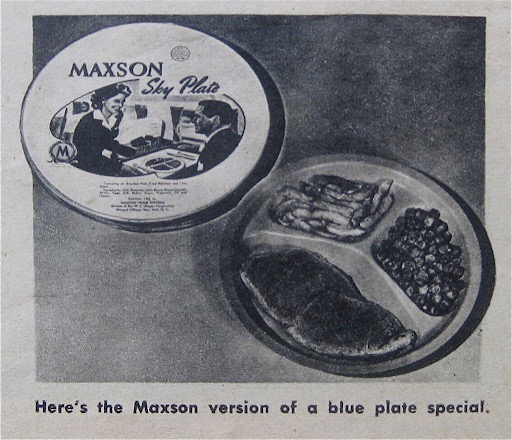
In the 1940s, WWII US Navy veteran William Maxson developed the ‘sky plate’—a frozen food combination which could be heated and served. It was a precursor to popular TV dinners. Maxon first intended the ‘sky plate’ to feed naval troops, but Pan Am found the one-plate meal concept ideal and brought it onboard.
By the 1950s, in-flight dining had become part of the glamour of flying. Premium passengers on carriers such as Pan American World Airways and Trans World Airlines enjoyed multi-course meals served with linen tablecloths and silverware.
The arrival of jet aircraft in the late 1950s and the introduction of the Boeing 747 in the 1970s transformed in-flight catering. Larger aircraft carrying more passengers required airlines to develop industrial-scale kitchens near airports capable of producing hundreds—eventually thousands—of meals per departure.
The origins of airline catering companies
As airline networks expanded after World War II, carriers began establishing dedicated catering divisions to manage the growing complexity of meal preparation and logistics.
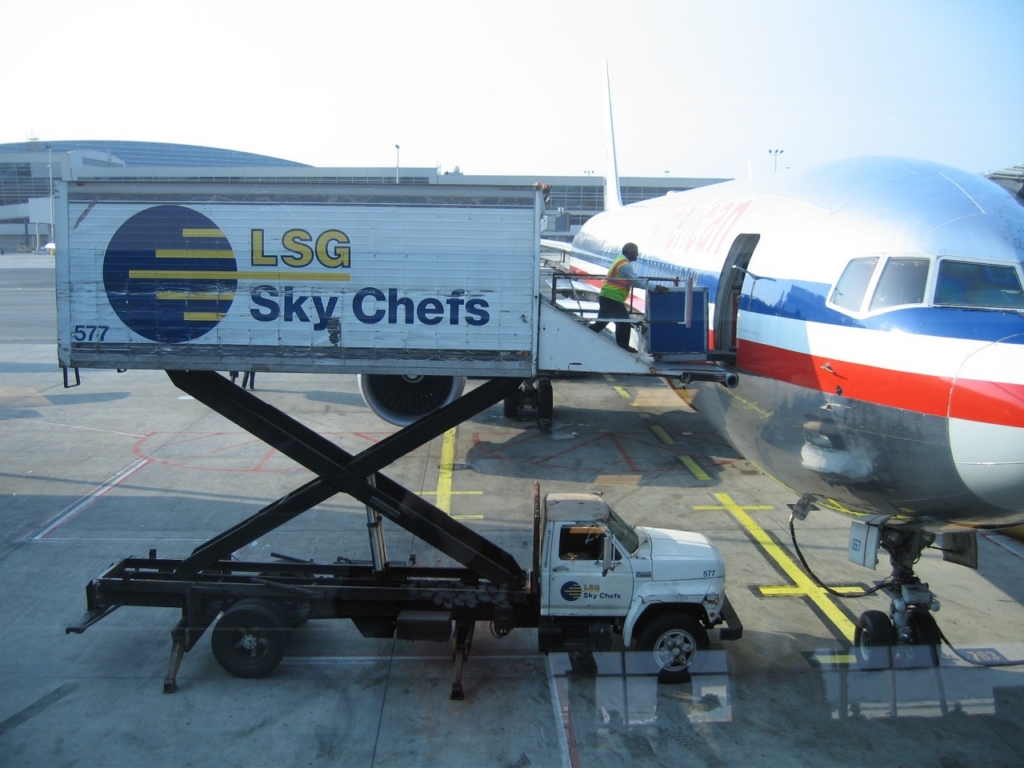
One of the earliest was Sky Chefs, created by American Airlines in 1942 to prepare meals for its flights. The business eventually grew into a major global catering provider and later became part of LSG Group, which originated as Lufthansa‘s catering branch. The combined company became LSG Sky Chefs, which produces 591 million in-flight meals annually and manages onboard service logistics for more than 300 airlines worldwide through 210 service centers in 51 countries.
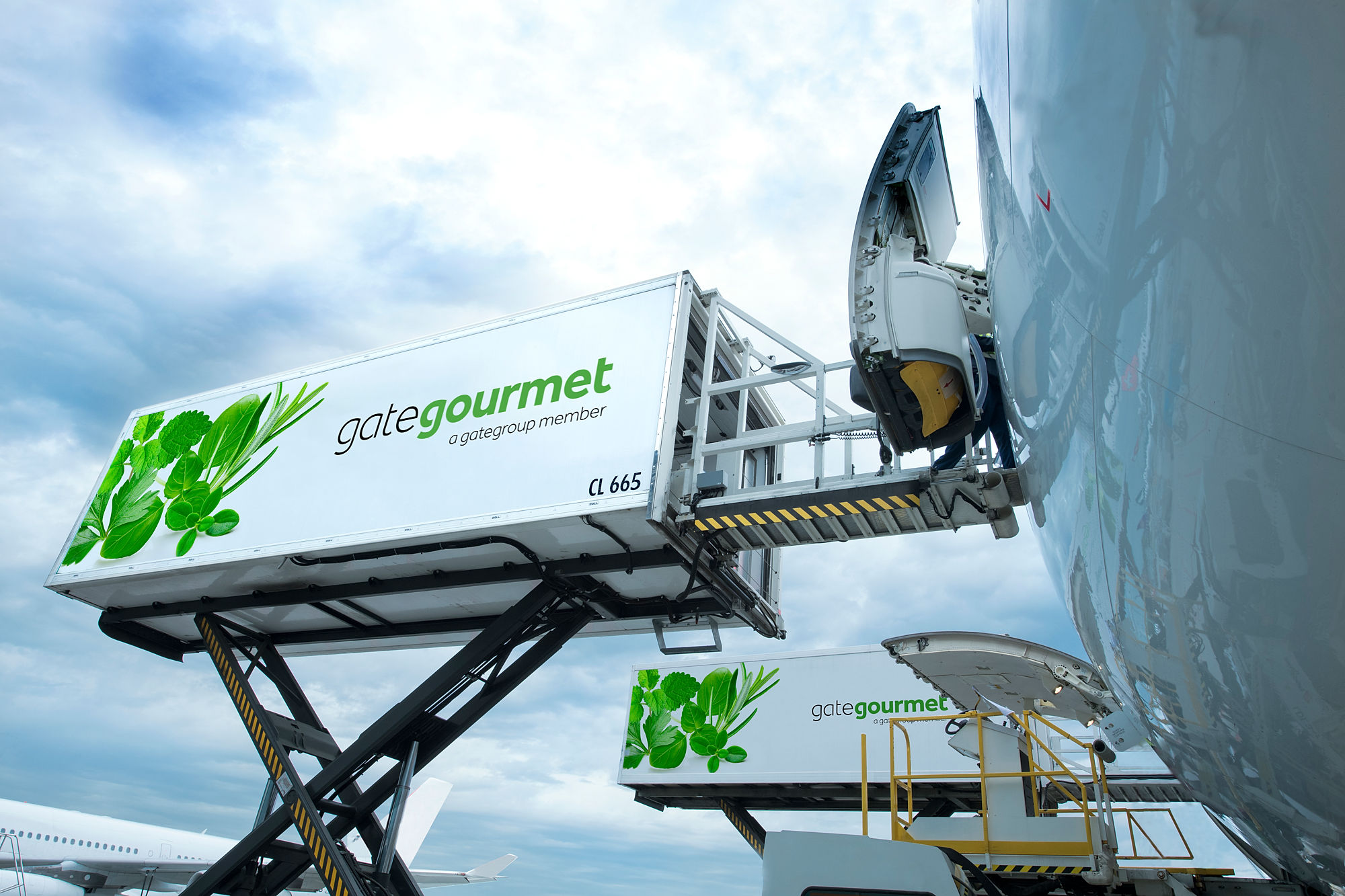
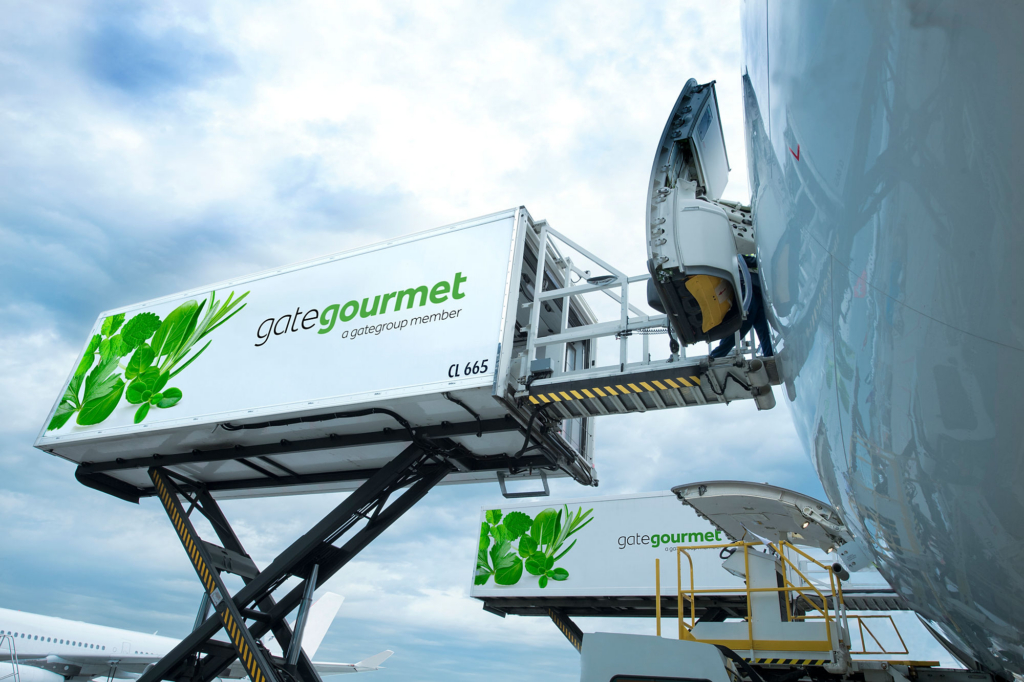
Another major player, gategroup, which operates catering services as gategourmet, traces its origins to Swissair’s catering operations. The airline’s catering division eventually became independent. Today’s gategroup, headquartered in Zurich, and one of the world’s largest airline catering companies, with over 120 airline customers, providing meals and retail for more than 350 million passengers annually. The company operates from over 200 facilities in over 60 countries.
Meanwhile, aviation services provider dnata, part of the Emirates Group, built a global catering network serving 120 airlines across the Middle East, Europe, Asia and the Americas.
Today, these companies operate large centralised facilities near major airports, producing meals that are chilled, packaged and delivered to aircraft via specialised catering trucks shortly before departure.
Airlines that still run their own kitchens
Despite widespread outsourcing, some airlines still maintain strong operational involvement in catering—particularly at their largest hubs.
American Airlines and LSG Sky Chefs
American Airlines operates one of the largest airline catering facilities in the United States at Dallas-Fort Worth International Airport.
Opened in 2023, the 214,000-square-foot facility represents a $100 million investment and prepares roughly 15,000 fresh meals per day during peak travel periods. The facility supplies meals for flights departing American’s largest hub and also provides food service for the airline’s Admirals Club lounges.
Although LSG Sky Chefs operates the facility, American remains closely involved in designing and managing catering operations at its most important hub.
Several other airlines continue to maintain in-house or closely integrated catering operations.
Singapore Airlines and SATS
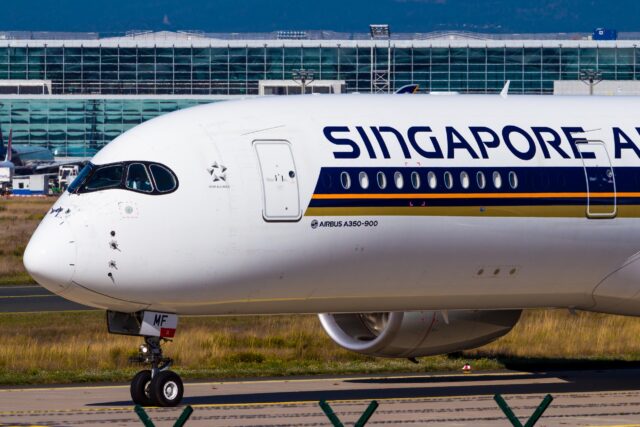
At its home hub, Singapore Airlines relies on catering provider SATS Ltd, now an independent airline services company which was previously the airline’s ground services and catering subsidiary.
Operating from facilities at Singapore Changi Airport, SATS prepares tens of thousands of meals daily for Singapore Airlines and dozens of other carriers. The company’s large-scale catering complexes combine industrial food production with specialised kitchens for premium menus and special dietary meals.
Singapore Airlines maintains a strong influence over menu design through collaborations with its International Culinary Panel, a group of globally recognised chefs who help shape the airline’s in-flight dining program. SATS kitchens prepare these dishes in specialised production areas designed to preserve quality during reheating onboard aircraft.
Emirates Flight Catering in Dubai
Few airlines operate catering facilities as large as the one run by Emirates at Dubai International Airport.
Emirates Flight Catering operates one of the world’s largest airline catering facilities, which can produce well over 200,000 meals per day for airlines operating at Dubai. The company is majority-owned by the Emirates Group and serves more than 100 airlines, including Emirates itself.
The facility includes vast automated tray-assembly lines, large-scale cold storage areas and specialised kitchens for premium cabin dining. Emirates Flight Catering also operates large bakery, butchery and dessert production facilities on site, enabling the airline to control a significant portion of its in-flight food supply chain.
The scale reflects Dubai’s role as a major global aviation hub and the airline’s emphasis on in-flight dining as a key part of its premium brand.
Turkish Airlines and Turkish DO&CO
In Istanbul, Turkish Airlines works with catering provider Turkish DO&CO, a joint venture between the airline and Austrian hospitality group DO&CO.
The company operates large catering facilities at Istanbul Airport, producing meals for Turkish Airlines’ extensive long-haul network as well as other carriers serving the airport.
Turkish Airlines has become known for its elaborate in-flight dining service, particularly in business class, where meals are often served by onboard chefs wearing traditional white chef uniforms. Turkish DO&CO kitchens prepare many dishes inspired by Turkish cuisine alongside international dishes, reflecting the airline’s strategy to showcase national culinary traditions as part of the passenger experience.
These hybrid arrangements allow airlines to retain control over brand identity and menu design while benefiting from the scale and expertise of specialised catering companies.
KLM’s catering business enters a new era
The latest shift in airline catering comes from the Netherlands, where the world’s oldest airline is finally handing over the reins of its renowned in-house catering unit. In March 2026, gategroup and KLM Royal Dutch Airlines announced a strategic partnership in which gategroup will acquire a 75% stake in KLM Catering Services, with KLM retaining the remaining 25%.
The companies say the partnership will combine gategroup’s global expertise with KLM’s long local catering heritage at Amsterdam’s Amsterdam Airport Schiphol.
As part of the deal, gategroup plans to invest in a new flagship catering facility at Schiphol, which will integrate advanced automation, sustainability standards and modern working environments.
Herman Anbeek, president of Europe at gategroup, said the partnership would allow the companies to “enhance performance, reliability and the overall customer experience.”
KLM CFO Bas Brouns said the deal allows the airline to focus on core operations, but KLM will still monitor the process closely. “We will remain involved in the catering on board our flights, ensuring the quality and service our passengers expect from KLM,” he said.
The complex logistics of in-flight meals have scaled along with passenger numbers
When airline catering began in 1936, US airlines served over a million passengers. Last year, global passenger numbers reached 4.98 billion, and this year they are expected to reach 5.2 billion, according to the International Air Transport Association (IATA). That puts airline catering on a path to compete with the world’s restaurants in terms of customers served, and they certainly try to meet the same standards of quality.
Today’s airline catering industry produces millions of meals every day worldwide, ranging from chef-designed dishes in premium cabins to pre-packaged snacks in economy class.
Behind the scenes, the sector represents one of aviation’s most complex logistical operations—requiring adherence to strict food safety standards, precise timing and coordination with airline schedules.
Nearly a century after passengers enjoyed the first boxed lunches in the air, airline meals remain both a key part of the passenger experience and a sophisticated global business in their own right.
Featured Image: gategroup