Changing airport retail: Gen Z passengers swap booze for beauty products

December 30, 2025

Gen Z travellers are swapping pre-flight drinks at the airport bar for ginger shots, moisturiser and AI-powered trip planning.
New data from Manchester Airports Group (MAG), which owns Manchester Airport, London Stansted and East Midlands Airport, suggests the UK’s youngest adult travellers are changing travel routines, and airlines and retailers are adapting quickly.
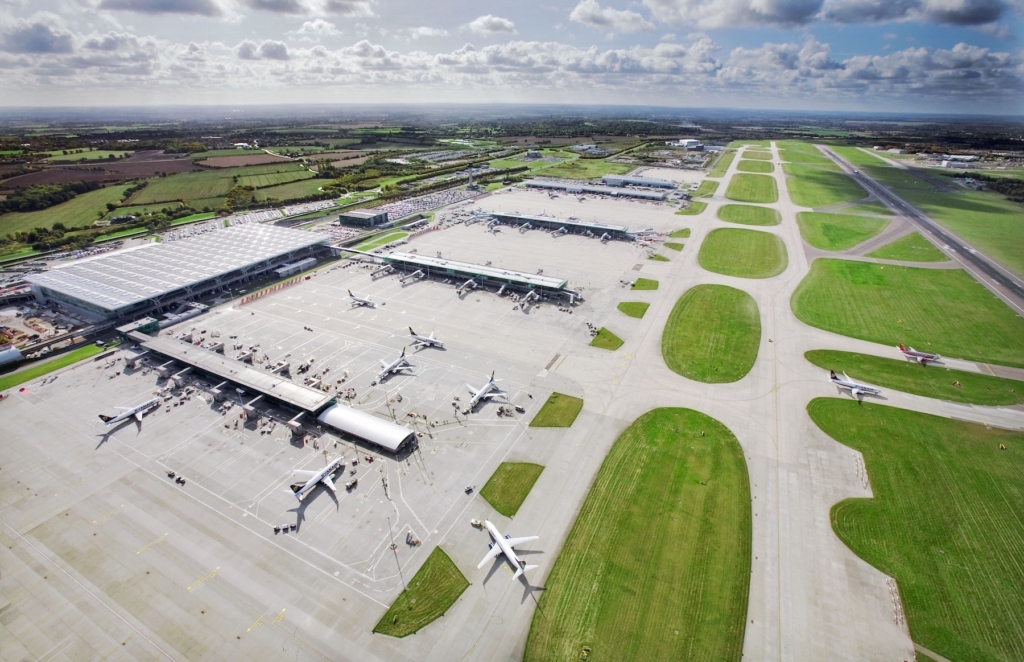
From matcha lattes replacing pre-flight fry-ups to face masks becoming an in-seat essential, Generation Z is setting new trends at airport terminals. Retail data from MAG’s airports show dramatic shifts in what Gen Z buys before boarding, with sharp growth in wellness drinks, skincare, and accessories they’ve seen on TikTok.
The younger generation of travellers also increasingly relies on AI and social media platforms to inspire their journeys. MAG says one in four passengers under 25 is now using, or plans to use, AI tools such as ChatGPT to plan holidays.
The findings reveal a generation that is both digitally fluent and experience-led, expecting the airport experience to connect with their online identity.
Matcha airport sales soar with Gen Z
One signal of changing habits is what Gen Z is drinking before flying. Once a niche Japanese green tea powder, matcha has become a staple of wellness culture on social media, marketed as a cleaner, antioxidant-rich alternative to coffee.
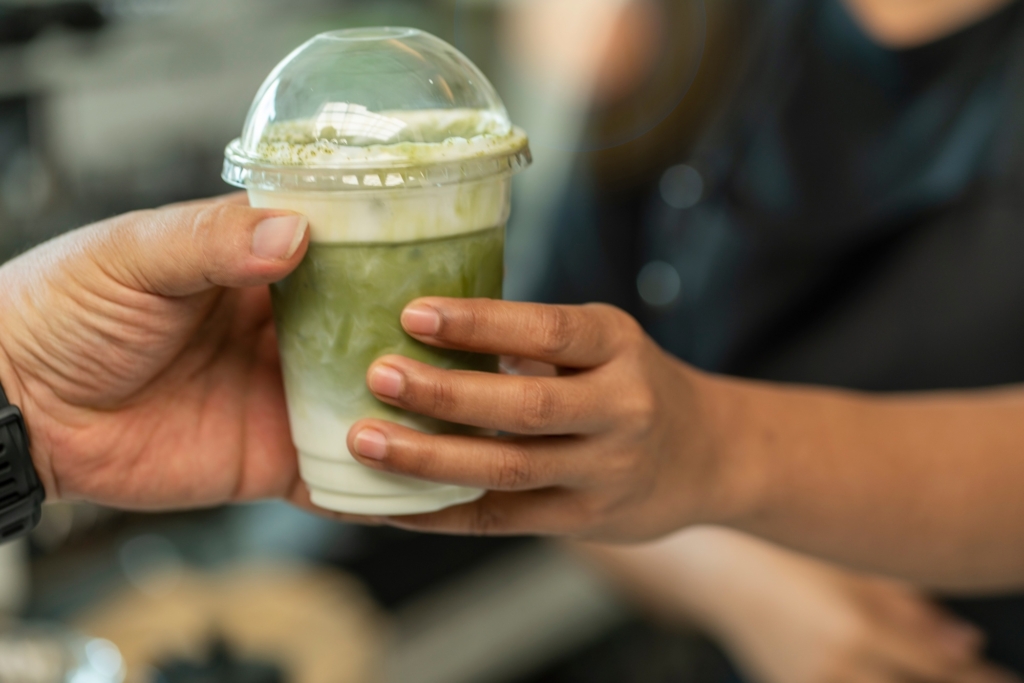
Across MAG’s three airports, matcha sales rose 165% year-on-year, with London Stansted seeing the strongest growth at 174%, followed by Manchester at 144%. Sales have climbed across both sit-down outlets and grab-and-go chains, including Pret A Manger and Pasta Evangelists at Manchester, and Caffè Nero, Itsu and Krispy Kreme at London Stansted.

Where earlier generations of young holidaymakers might fuel up with all-day breakfasts and pre-departure drinks, MAG’s data suggests Gen Z leans toward energy, hydration, and perceived health benefits.
That trend extends beyond tea. Sales of “super smoothies” such as Innocent Energise and Defence increased by more than 650% year-on-year, often purchased as add-ons to budget meal deals, showing that even cost-conscious younger travellers still prioritise wellness.
TikTok trends move into the airport terminal
MAG says social media increasingly influences its airport retail mix feeds as Gen Z brings online trends offline.
One of the most striking examples is the Stanley Cup water bottle, introduced into JD Sports stores across MAG airports last year. The oversized hydration accessory, which went viral on TikTok, has seen sales increase sixfold in just 12 months.
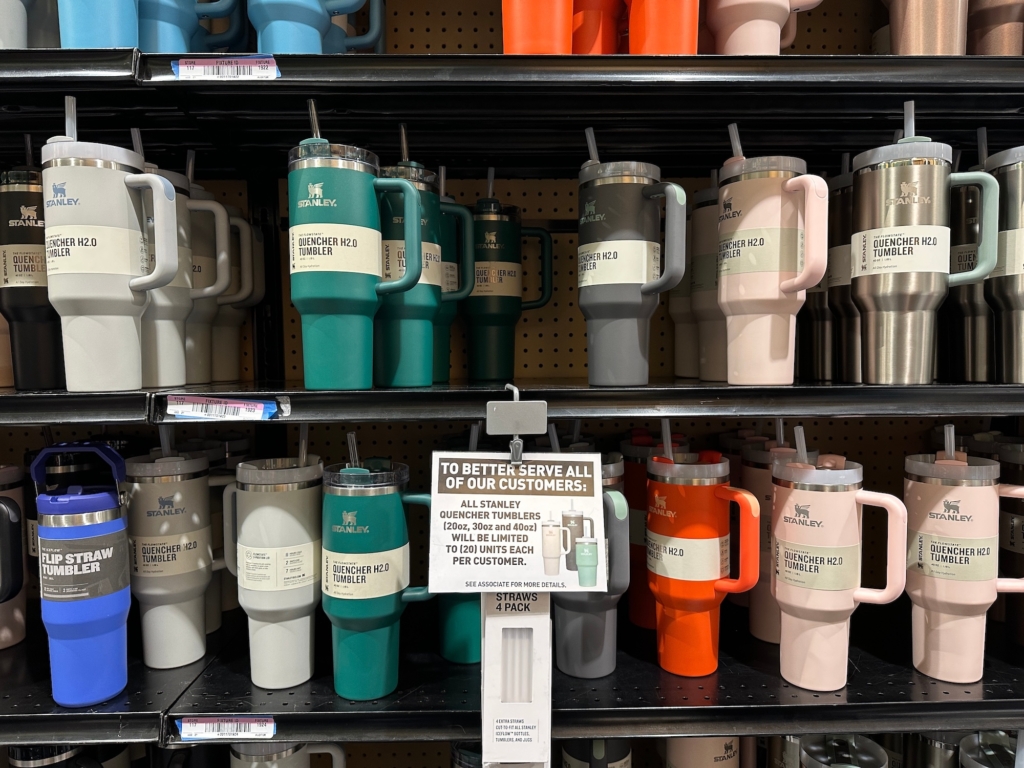
Manchester Airport leads in demand, followed by London Stansted, with the rose-coloured version emerging as the most popular across all three airports. Sales peak during the summer months, when warmer weather and increased travel volume drive hydration-related purchases.
Airport shopping has long been associated with forgotten essentials or discounted fashion, but MAG’s data suggests younger passengers are now deliberately seeking out trend-led items, treating the terminal as a convenient extension of mainstream retail.
‘Skincare in the sky’ takes off
If giant water bottles are Gen Z’s must-have accessory, skincare may be their in-flight ritual.
Social media platforms are increasingly filled with content creators applying sheet masks mid-flight or completing full skincare routines before landing. MAG says that trend is now clearly visible in airport sales data.
Sales of face masks at Boots and World Duty Free across its airports increased by 399% year-on-year. Garnier sheet masks saw particularly strong demand, with more than 2,000 sold over the year, most frequently at Manchester Airport.
More premium skincare is also gaining traction. Elemis Pro-Collagen Balm, popular with under-25 travellers heading to city-break destinations, recorded a 35% sales increase. Retinol products showed even sharper growth, with Elizabeth Arden’s leading retinol item seeing a 1,500% year-on-year rise.
For airport retailers, Gen Z’s social media-driven beauty routines are reshaping purchasing behaviour in airport terminals.
AI becomes the new travel agent
Beyond what Gen Z buys, MAG’s research also points to how they plan their trips.
A recent social media poll found that one in four MAG passengers under 25 have used, or intend to use, AI tools to organise holidays, from destination ideas to itineraries. East Midlands Airport reported the highest proportion of young travellers relying on AI-based planning.
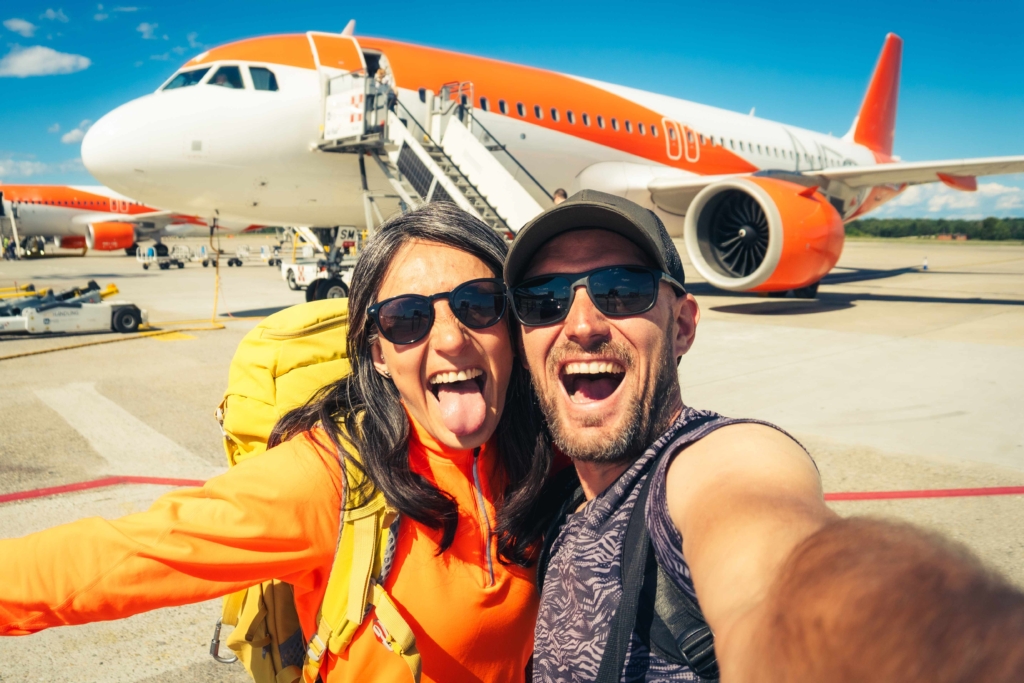
The behaviour reflects Gen Z’s comfort with conversational technology and their willingness to outsource decision-making to digital tools. This shift, also identified by Amadeus as a dominant travel trend for 2026, could have longer-term implications for traditional travel planning, marketing, and inspiration, which airlines should also monitor.
Gen Z favours city breaks over party resorts
So, where does AI send Gen Z travellers? MAG’s analysis, supported by UK Civil Aviation Authority (CAA) data, suggests European city breaks are now overtaking the traditional “18–30s” beach and party destinations that dominated previous generations’ travel choices.
Tenerife was the last island destination to appear in the under-25’s top 10 in 2024. Since then, it has been replaced by Dublin, which now ranks in the top three alongside Amsterdam and Barcelona.
Long-haul city travel is also part of the mix. New York remains a popular destination among under-25s, with Time Out recently naming it one of the world’s best cities for Gen Z, citing its diversity, inclusivity and cultural depth.
The data also point to a growing appetite for “dupe destinations”—lesser-known, more affordable alternatives to established but sometimes overcrowded tourism hotspots.
CAA figures show a 97% increase in under-25 travel to Albania, Bulgaria and Romania since 2023.
Albania is a “dupe” for Greece, southern Italy, and Croatia. Albania’s Riviera along the Ionian Sea has become one of Europe’s most talked-about alternatives to saturated Mediterranean destinations.
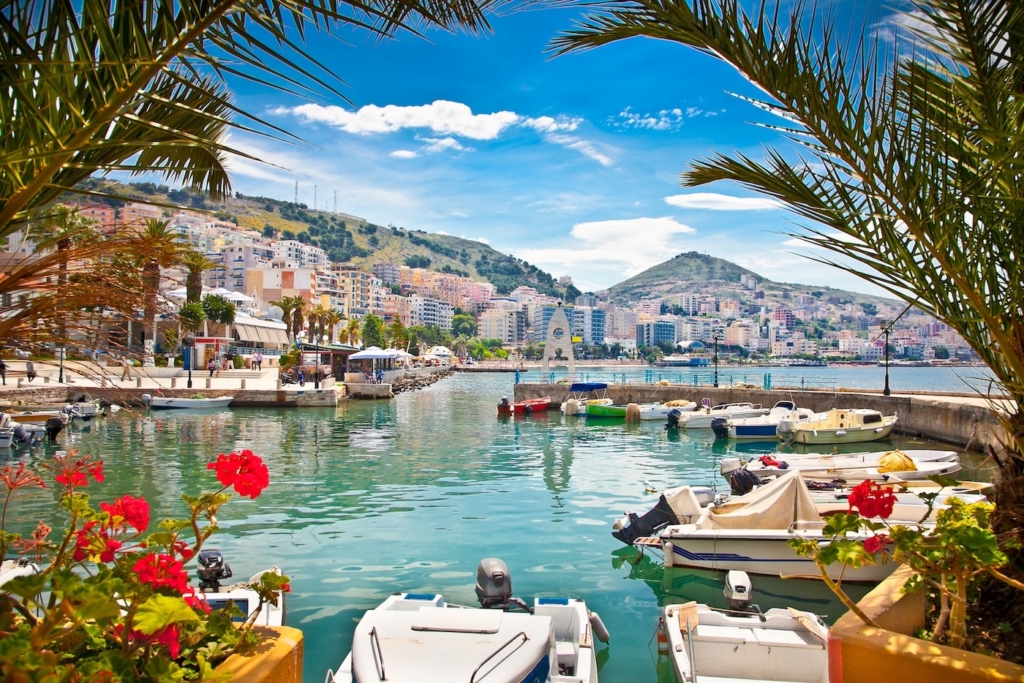
Bulgaria, a “dupe” for Spain, Italy, Austria, and Switzerland, straddles several travel categories, offering Gen Z beach, ski, and nightlife options.

Romania is a “dupe” for Austria, Germany, Prague, and even parts of Switzerland. Its GenZ appeal lies in dramatic landscapes, rich folklore, and historic architecture, providing a feel that is similar to visiting Central European medieval cities, but far less crowded. Romania’s mix of history, nature and mystique also aligns well with Gen Z’s interest in storytelling and distinctive travel experiences.

When it comes to long-haul air travel, Mumbai has grown 245% among the same age group since 2019.
Airports adapt to a new generation of travellers
Andrew MacMillan, MAG’s Chief Strategy Officer, said the findings highlight how younger travellers are shaping both airport retail and the wider travel ecosystem.
“As consumer trends evolve, so does the travel industry — that’s both in terms of the destinations we work with our airlines to provide and the kind of products people want to consume in terminals,” he said. “This data shows the influence of our younger passengers — Generation Z — who are curating airport experiences strongly influenced by AI and social media.”
With MAG serving around one in five UK air passengers and investing £2 billion across its three airports, MacMillan said the group is focused on ensuring airport environments reflect emerging demographics and technologies.
For airports, airlines, and retailers alike, Gen Z’s habits offer an early glimpse of what the future passenger experience may look like—digital-first, trend-inspired, and increasingly technology-driven long before travellers reach the gate.
Featured Image: Generative AI | stock.adobe.com