FCAS crisis deepens as France and Germany step in to resolve Airbus-Dassault tensions

March 19, 2026

France and Germany are set to hold high-level talks on the troubled Future Combat Air System (FCAS) programme, as tensions between industry partners threaten to derail Europe’s flagship next-generation fighter project.
As first reported by Reuters, leaders from both countries will discuss the crisis-hit programme on the sidelines of a European Union summit, with the future of the €100 billion ($115 billion) initiative hanging in the balance amid a deepening dispute between Dassault Aviation and Airbus.
The discussions come at a critical moment for FCAS, a joint effort involving France, Germany and Spain to develop a sixth-generation combat air system intended to enter service around 2040.
Conceived as a cornerstone of Europe’s strategic autonomy, the programme is now facing mounting uncertainty over industrial control, workshare, and long-term political commitment.
Airbus-Dassault dispute pushes FCAS fighter programme to the brink
At the heart of the crisis lies a widening rift between Dassault Aviation and Airbus over control of the programme’s most critical element, which is the Next Generation Fighter (NGF).
Dassault, which leads the fighter pillar, has pushed for greater authority over design and supplier choices, while Airbus has insisted on maintaining equal partnership structures agreed earlier.
This disagreement has stalled progress on the next development phase, including the construction of a flying demonstrator.

According to Reuters, relations between the companies have deteriorated to the point where many involved now question whether the programme will proceed in its current form.
The stakes extend beyond industrial rivalry. A collapse of FCAS could trigger a broader reshaping of Europe’s defence industry, potentially pushing countries towards alternative partnerships such as the UK-led Global Combat Air Programme (GCAP) with Japan and Italy.
FCAS ‘system of systems’ centres on next-generation fighter and combat cloud
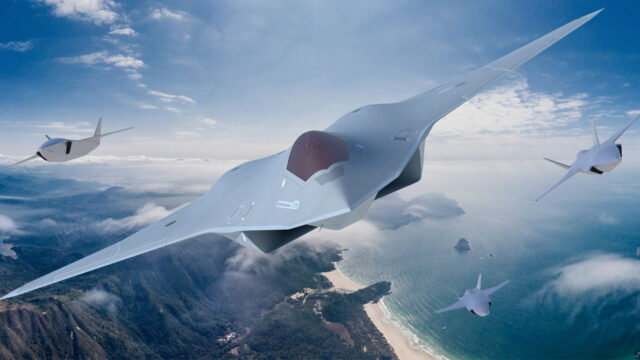
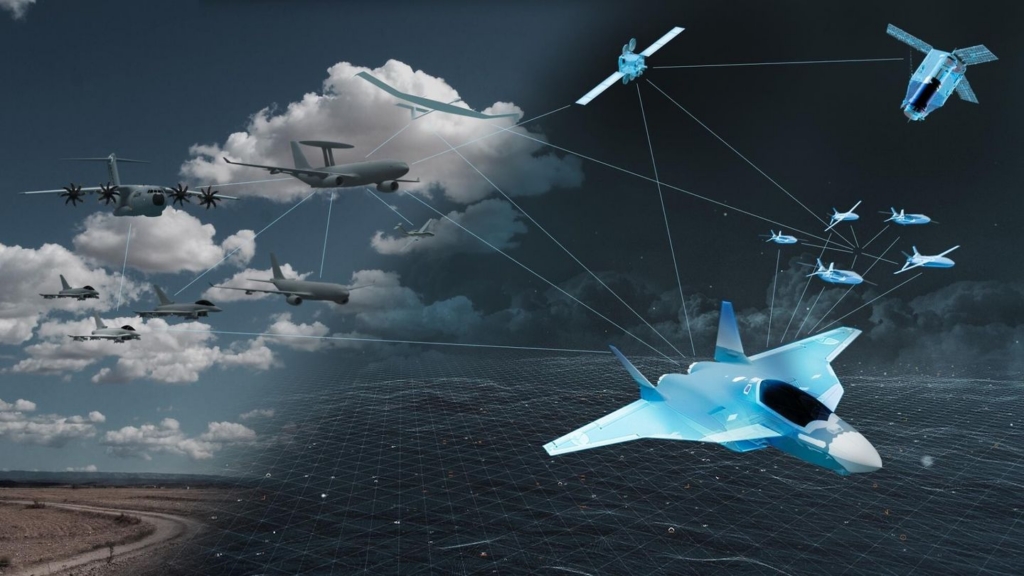
FCAS is not simply a fighter aircraft programme. As outlined in a study by the German Council on Foreign Relations (DGAP), it is designed as a “system of systems” combining crewed aircraft, unmanned platforms, sensors and a digital combat cloud into a single, networked architecture.
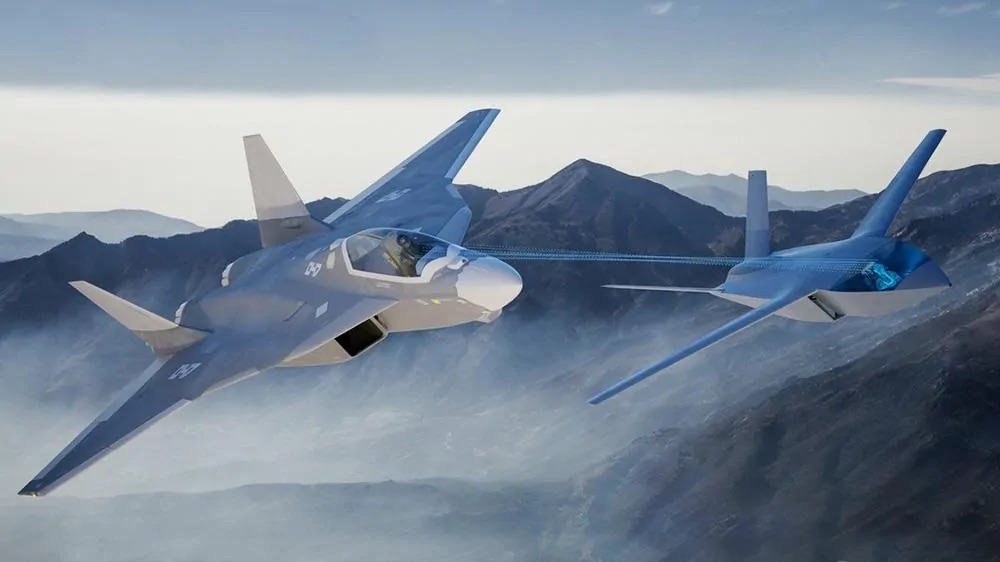
At its core is the NGF, intended to work alongside remote carrier drones, both reusable and expendable and a Combat Cloud that integrates data, command and control across multiple domains.
This architecture is meant to enable real-time coordination between manned and unmanned systems, enhancing operational flexibility and survivability in contested environments.

However, the same report highlights that FCAS has been “largely characterised by a lack of progress and cooperation,” with disagreements over workshare and leadership repeatedly slowing the programme.
France views the NGF as the central pillar, closely tied to its nuclear deterrence mission, while Germany places greater emphasis on the Combat Cloud and broader system integration. These differing priorities have added another layer of complexity to an already strained partnership.
Franco-German divide over FCAS deepens amid strategic differences
Analysts argue that the FCAS impasse reflects deeper structural differences between France and Germany rather than a purely industrial dispute.
A study by the Carnegie Endowment for International Peace notes that European defence cooperation often falters due to mismatched requirements, procurement timelines and, most critically, disputes over industrial benefits.
In the case of FCAS, these challenges are amplified by contrasting strategic cultures. France prioritises strategic autonomy and expeditionary capability, including nuclear roles, while Germany remains more closely aligned with NATO structures and has already invested in platforms such as the F-35.
The same analysis points out that disagreements over workshare and control have become the central fault line, with France seeking to retain technological leadership and Germany aiming to secure industrial returns and integration with its broader defence ecosystem.
What happens if the FCAS fighter programme collapses?
Despite the uncertainty, experts opine that the collapse of FCAS would not spell the end of Europe’s defence ambitions. Instead, it could accelerate a shift towards smaller, more flexible coalitions and alternative programmes.
Carnegie researchers argue that European defence cooperation is increasingly moving towards “coalitions of the willing,” where countries collaborate on specific capabilities rather than large, rigid flagship projects.
At the same time, a failure of FCAS could strengthen the position of non-European suppliers in the short term, particularly US manufacturers, while forcing European industry to rethink its approach to collaboration and innovation.
Political decisions will determine the future of the FCAS programme
Ultimately, the future of FCAS will be decided not in boardrooms but at the political level. French President Emmanuel Macron has downplayed industrial tensions, insisting that disputes between companies should not dictate strategic decisions.
Yet with billions already invested and national industrial interests at stake, the proposed discussions between Paris and Berlin could be a make-or-break for the programme.