FAA fines Boeing $3.1 million for ‘hundreds’ of quality systems violations

September 15, 2025
The Federal Aviation Administration (FAA) has fined Boeing $3.1 million—the maximum penalty allowed under the law—for multiple quality systems violations. “These include actions related to the January 5, 2024, door plug blowout and interference with safety officials’ independence,” the FAA stated.
What triggered the $3.1 million Boeing fine?
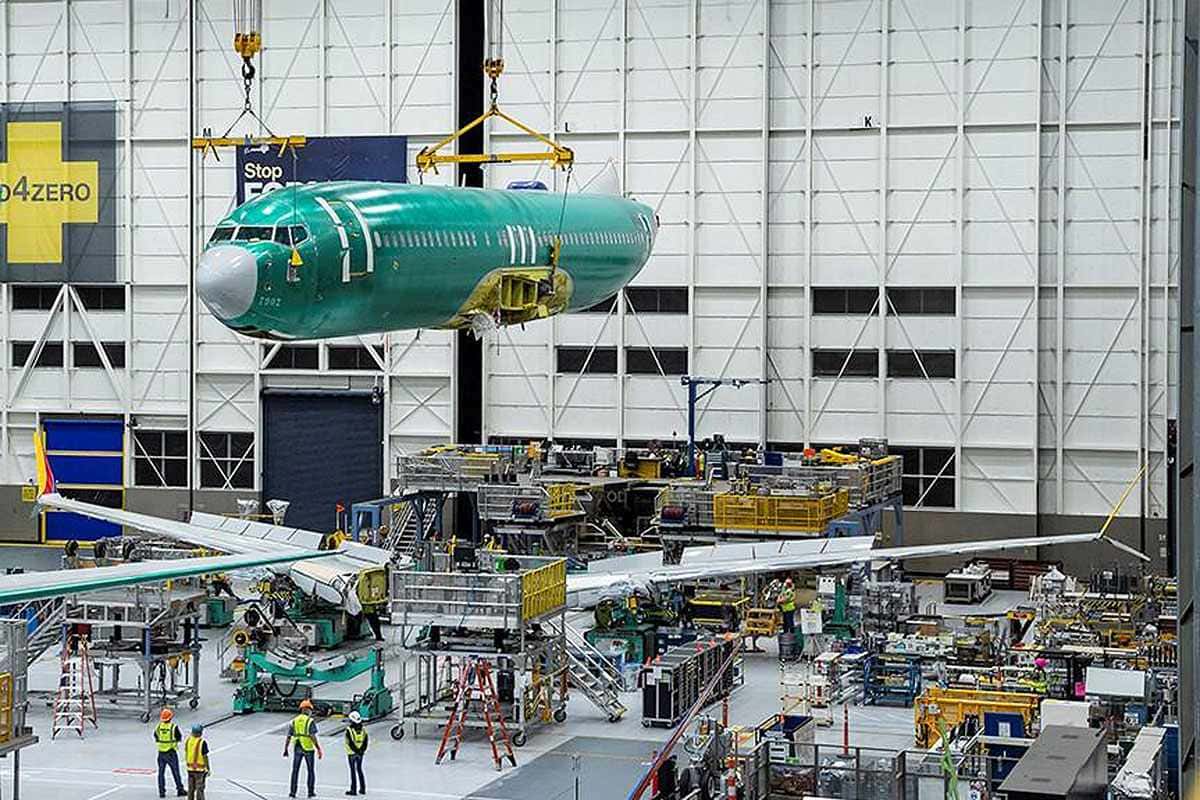
The FAA is levying a $3,139,319 fine against Boeing for violations that occurred between September 2023 and February 2024. The regulator identified “hundreds of quality system violations at Boeing’s 737 factory in Renton, Washington, and Boeing subcontractor Spirit AeroSystems’ 737 factory in Wichita, Kansas.”

Among the more serious charges, the FAA states that Boeing presented two aircraft for airworthiness certification, even though they did not meet the required safety and quality standards.
Also, a Boeing employee pressured an FAA‐designated unit member (part of Boeing’s ODA – Organization Designation Authorization) to approve aircraft despite identified non-compliances—ostensibly to meet delivery schedules.
Boeing has 30 days to respond to the proposed penalty.
Safety system failures draw criticism of Boeing and the FAA
The fine comes amid a cascade of audits, investigations, and internal reviews that show deep, structural problems in how Boeing builds its aeroplanes—and how the FAA regulates that process.
The US Department of Transportation’s Inspector General (DOT IG) released a report in October 2024 that was critical of the FAA’s oversight of Boeing 737 and 787 production.
Among its findings was that the FAA’s audit processes are not comprehensive enough to catch recurring or systemic non-compliance. The IG also found shortcomings in the oversight of suppliers and insufficient tracking of whether problems are repetitive.
The report also cited failures in the timely resolution of 34 allegations of employees feeling pressured to compromise on quality or documentation to meet production goals.

The IG’s report made 16 recommendations to address these issues. The FAA formally accepted all the recommendations as “resolved but open pending completion of the planned actions.”
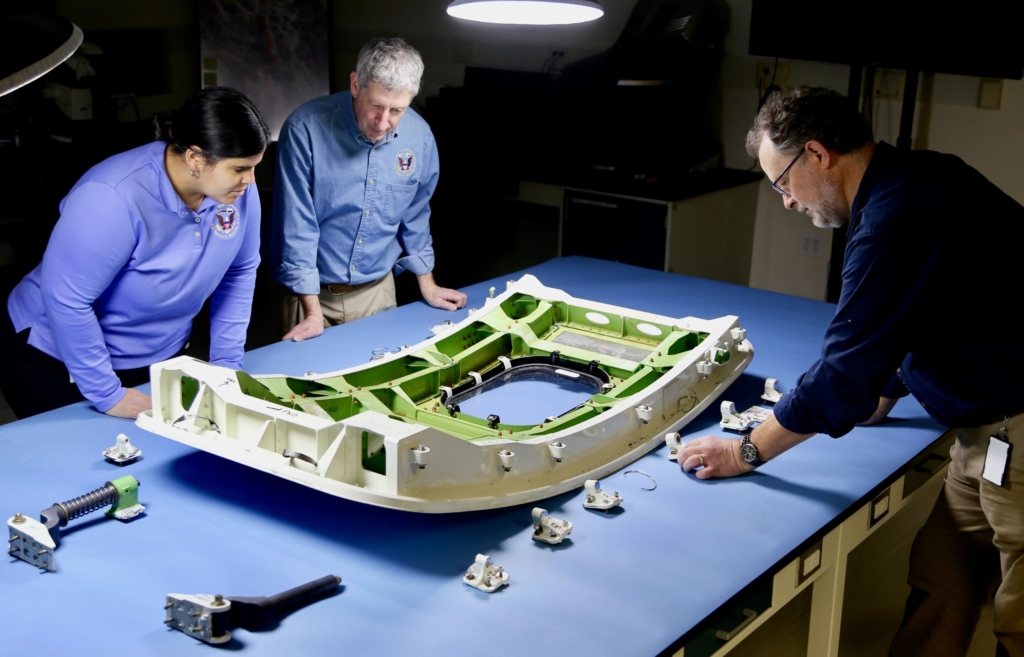
In June of this year, the National Transportation Safety Board (NTSB) criticised Boeing, the Federal Aviation Administration (FAA) and Spirit Aerosystems for “multiple system failures” which led to the Alaska Airlines mid-cabin door plug blowout in January 2024.
Boeing’s safety culture comes under scrutiny after Alaska Airlines’ mid-cabin door plug blowout
In January 2024, a mid-cabin door plug panel suddenly detached midair from the Boeing 737 MAX 9 operating Alaska Airlines Flight 1282, shortly after takeoff from Portland, Oregon.
Following the Alaska Airlines incident, the FAA tasked Boeing to develop a Safety Management System (SMS) to “ensure a structured, repeatable, systematic approach to identifying hazards and managing risk.”
Among the measures required were better oversight of suppliers, encouraging employees to report concerns without fear of reprisal, and improving quality oversight at every stage of production.
FAA Administrator Mike Whitaker stated that reforming Boeing’s safety culture will take years—not months. He called for a “fundamental cultural shift” at Boeing, where safety and quality are prioritised over schedule pressures and profitability.
Specific FAA oversight measures at Boeing
- The FAA increased onsite inspector presence at key facilities, including Boeing’s facilities in Renton and Spirit AeroSystems’ plant in Wichita.
- The FAA placed a cap on Boeing’s 737 MAX production (38 aircraft/month) to ensure that safety and quality improvements have time to take effect.
- Boeing was required to submit a corrective action plan by May 2024 and to provide milestones, completed actions, and mid- and long-term actions to monitor progress.
Where Boeing and the FAA stand now
Boeing responded to the regulatory scrutiny by implementing a number of reform initiatives. It issued a comprehensive safety action plan under FAA supervision, tied to its Safety Management System and strengthening of internal reporting and audit mechanisms.
Boeing also increased training for mechanics and quality inspectors, and enhanced the transparency of its supply chain, improving defect tracking, especially at Spirit AeroSystems.

The planemaker has worked to improve its internal safety culture through mechanisms such as “Speak-up” programs and non-punitive reporting.
Under scrutiny from Congress to address safety at Boeing, the FAA committed to more robust oversight, including weekly reviews with Boeing leadership about progress, monitoring safety culture metrics, and ensuring that ODA and other delegated authority arrangements are subject to stricter criteria.
The FAA has emphasised that the production cap on the 737 MAX will remain in effect until Boeing demonstrates sustainable improvements.
Boeing has been trying to restore regulatory confidence in its processes and increase the production rate to meet customer needs. However, the findings that led to the $3.1 million fine imposed by the FAA suggest there is still a lot of work ahead.