F-35 crashes in Nevada as pilot ejects safely in latest US fighter mishap

April 1, 2026
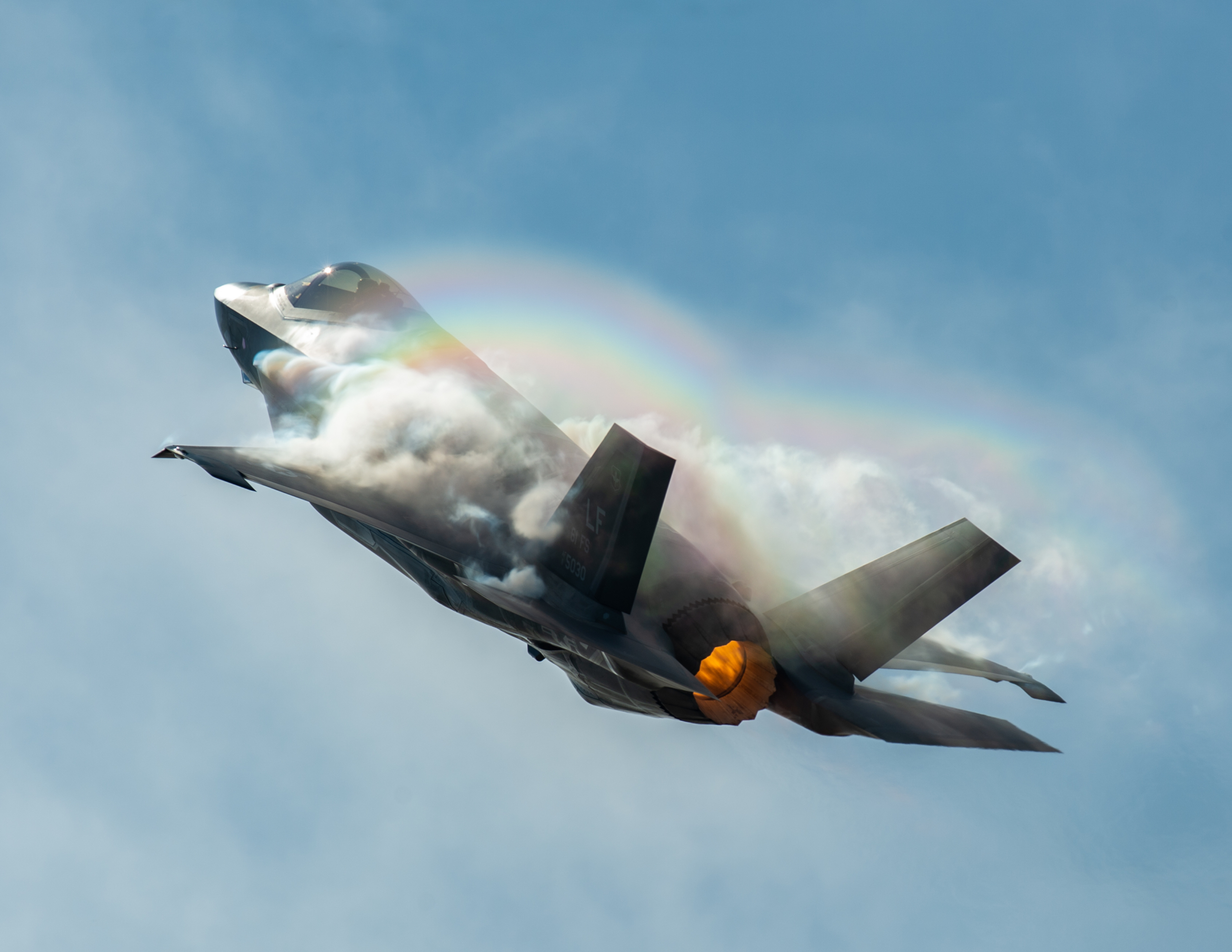
A US Air Force Lockheed Martin F-35 Lightning II has gone down at the Nevada Test and Training Range, with the pilot ejecting and escaping with minor injuries, officials at Nellis Air Force Base have confirmed.
The crash, reported north of Las Vegas on March 31, has triggered an emergency response but caused no danger to nearby communities. Investigators have yet to determine what led to the apparent mishap.
F-35 crashes in Nevada with pilot ejecting
Local broadcaster KSNV News 3 Las Vegas was among the first to report that an F-35 had crashed at the Nevada Test and Training Range in southern Nevada on March 31, 2026.
Initial reports suggested the pilot was missing, but this was later updated after confirmation from Nellis Air Force Base that the pilot had safely ejected and sustained only minor injuries.
UPDATE: Nellis Air Force Base tells News 3 the pilot is safe, having reported minor injuries. An F-35 from Nellis AFB crashed north of Las Vegas, and emergency responders are on scene.https://t.co/KNlxePnBRm
— KSNV News 3 Las Vegas (@News3LV) March 31, 2026
In a statement, Nellis AFB said: “Emergency responders are on-scene and there is no impact to populated areas. The pilot is safe and being treated for minor injuries. The safety of our personnel and the community remain our top priority.”
Further details reported by the Las Vegas Review-Journal indicate the aircraft came down approximately 25 miles northeast of Indian Springs, within restricted military airspace.
As of publication, the specific F-35 variant and operating unit have not been confirmed.
The Air Force statement said, “Emergency responders are on-scene and there is no impact to populated areas. The pilot is safe and being treated for minor injuries. The safety of our personnel and the community remain our top priority.”
Cause of the F-35 crash near Las Vegas remains unconfirmed
The cause of the crash has not yet been disclosed, and an investigation is expected to determine the sequence of events leading to the loss of the aircraft.
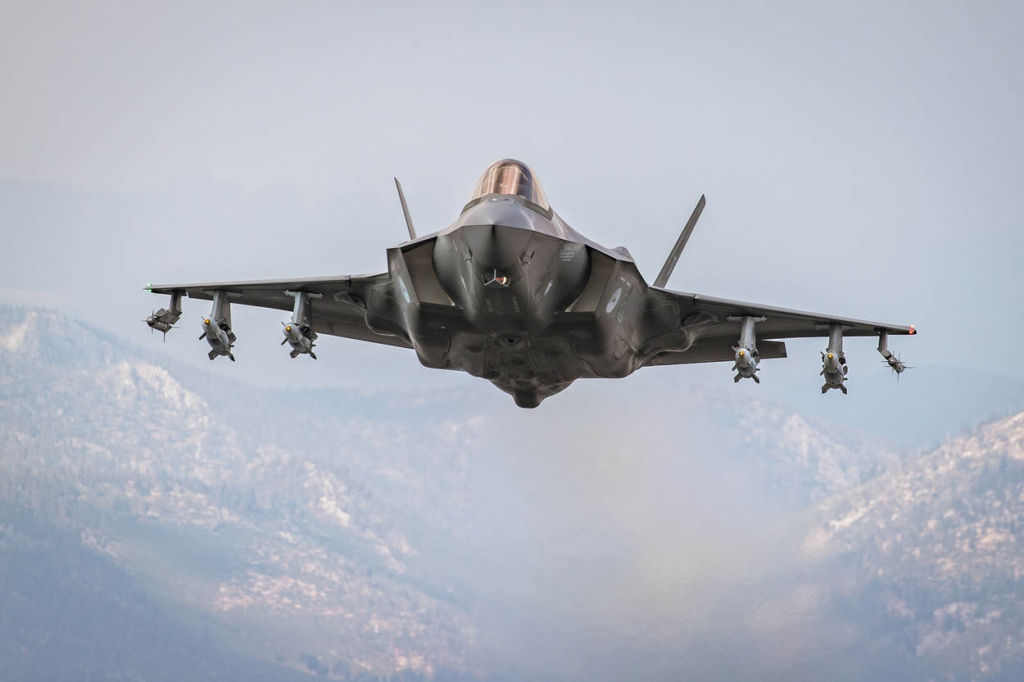
While details remain limited, previous incidents involving the Lockheed Martin F-35 Lightning II highlight the range of potential factors behind such mishaps. In 2025, an F-35A crash at Eielson Air Force Base was attributed to contaminated hydraulic fluid, while a 2023 F-35B incident in South Carolina, in which the aircraft continued flying for several minutes after the pilot ejected, was later linked to an electrical fault.
Attention will also turn to the aircraft’s escape system. The F-35 is equipped with the US16E ejection seat produced by UK-based Martin-Baker, a manufacturer whose systems are widely used across Western fast jet fleets. The company has not yet commented publicly on the incident.
Yesterday, a U.S. Navy T-45C Goshawk operated by TAW-2 crashed south of NAS Kingsville, Texas.
— Martin-Baker (@MB_EjectEject) October 1, 2025
The pilot successfully ejected using the Martin-Baker US14A (NACES) Ejection Seat.
Martin-Baker Ejection Seats have now saved the lives of 2,273 U.S. Navy servicemen and women.
This… pic.twitter.com/LVA39Vrz2X
Martin-Baker reported earlier this year that its ejection seats saved 35 aircrew lives in 2025, bringing the total number of lives saved to more than 7,800. The figure spans multiple platforms, including the F-35, Boeing F/A-18F Super Hornet and the Boeing T-45C Goshawk.
Crashes are expected from fighter jets
Incidents involving the Lockheed Martin F-35 Lightning II tend to draw disproportionate attention, in part due to the aircraft’s status as the most advanced and expensive fighter jet in service today.
That visibility can create a perception bias. Mishaps involving the F-35 are widely reported and scrutinised, while incidents involving older or less prominent platforms often receive far less coverage. This imbalance is further compounded by limited transparency in some countries, where military aviation losses are not routinely disclosed.
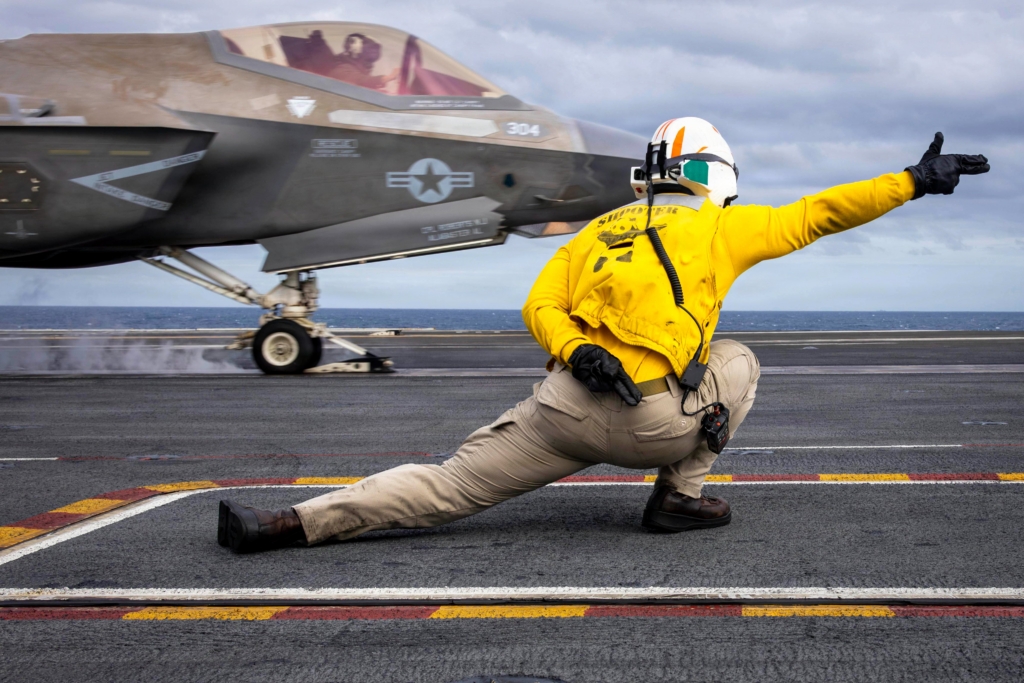
In operational terms, however, the F-35 remains one of the safer fast jet programmes relative to its scale. Lockheed Martin has delivered more than 1,300 aircraft, making the type one of the most widely deployed modern fighters globally.
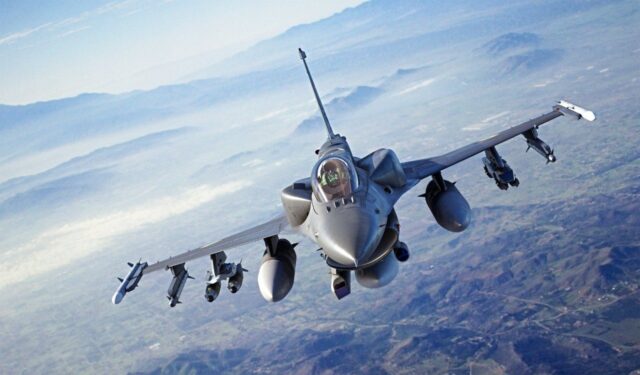
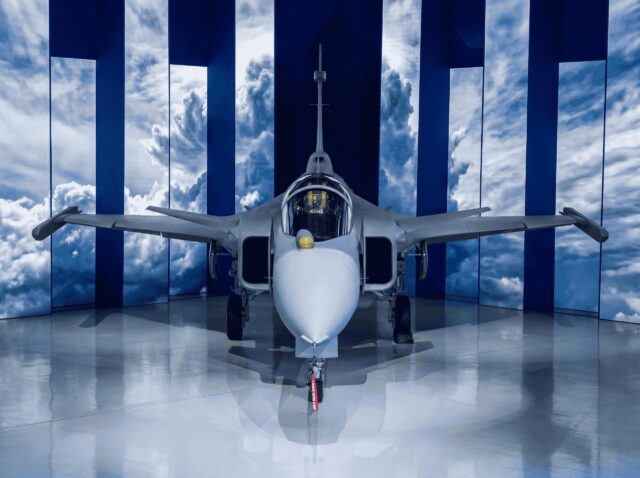
By comparison, programmes such as the Dassault Rafale and Saab JAS 39 Gripen number in the hundreds rather than the thousands. The long-established General Dynamics F-16 Fighting Falcon family remains the most numerous globally, though the F-35 fleet is rapidly closing that gap.
Yesterday, a Pakistan Air Force Mirage 5 ROSE aircraft crashed on a routine training mission in Sargodha.
— Martin-Baker (@MB_EjectEject) September 10, 2025
The pilot successfully ejected using the Martin-Baker PRM4 Ejection Seat.#MartinBaker #EngineeringForLife pic.twitter.com/yF7O16sSb6
Against that backdrop, a rise in absolute mishap numbers is not unexpected as the fleet continues to expand and operational tempo increases across multiple air forces.
Featured Image: USAF