Bishoftu Airport: Ethiopian breaks ground on massive $12.5bn African megahub

January 12, 2026
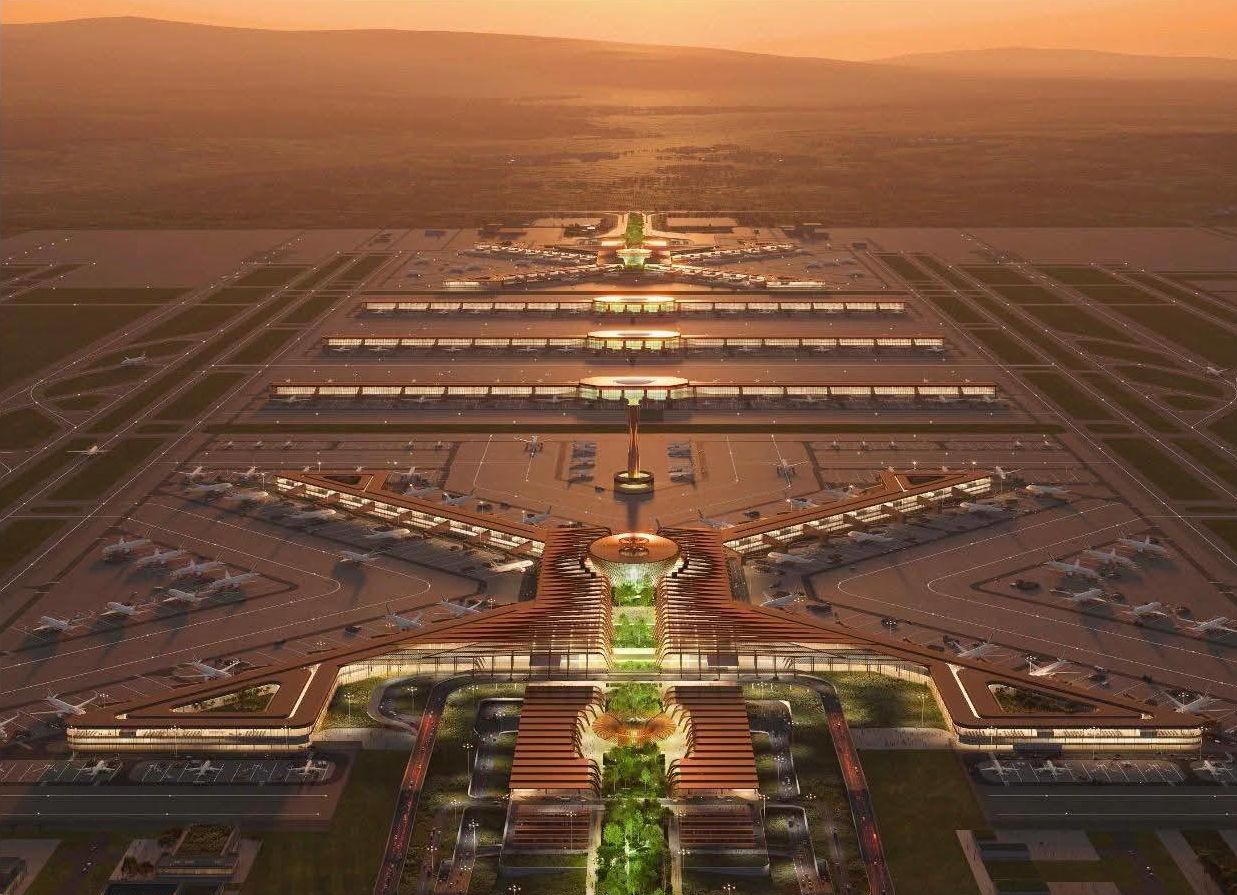
Ethiopian Airlines has broken ground on a $12.5 billion construction project that will culminate in Africa’s biggest airport when it opens in 2030.
The new gateway, located in the Ethiopian town of Bishoftu, around 28 miles (45 km) southeast of Addis Ababa, will have capacity for up to 110 million passengers a year once fully operational.
The new airport, to be known as Bishoftu International Airport, will feature four runways and will become the new home of Ethiopian Airlines.
Bishoftu Airport is planned to be four times the size of Addis Ababa’s existing airport, Bole International (ADD), and is expected to reach its current capacity of 25 million passengers annually within the next two to three years.
Construction of the new airport is due to commence this year, with the main contractors scheduled to start work in August 2026.
Ethiopian Airlines begins construction of Bishoftu International Airport
The new facility, with parking space for 270 aircraft, has been designed to become a major air travel portal, not just for East Africa, but for the continent as a whole.
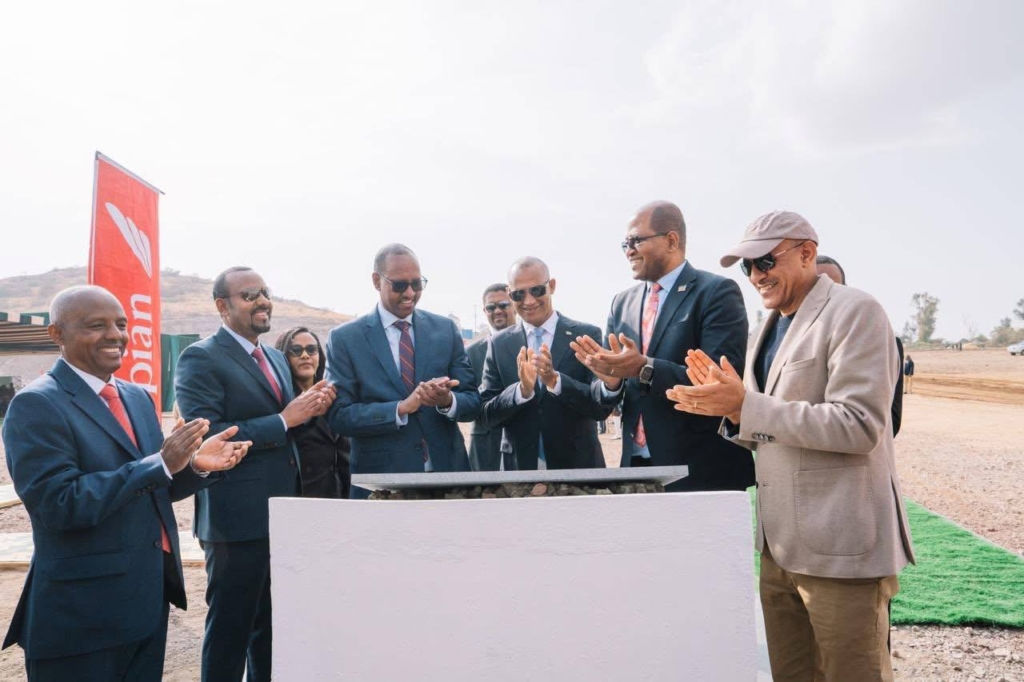
The groundbreaking event was attended by His Excellency Dr Abiy Ahmed, the Prime Minister of the Federal Democratic Republic of Ethiopia, ministers, high-level government officials, industry leaders, stakeholders, and Ethiopian Airlines executives, signalling Ethiopia’s commitment to becoming a world-class travel hub.
“Bishoftu International Airport will be the largest aviation infrastructure project in Africa’s history,” said the Ethiopian Prime Minister Abiy Ahmed, posting on X. “The airport will have space to park 270 planes and capacity for 110 million passengers a year.”
The entire project has been priced at $12.7 billion. Ethiopian Airlines will become the airport’s leading shareholder, with the airline’s Infrastructure Development & Planning Director, Abraham Tesfaye, telling reporters that it will fund 30% of the construction costs, while institutional lenders will finance the remaining 70%.

The airline has already allocated $610 million for earthworks, which are due to be completed within a year, he said at the site, with the main contractors scheduled to start work in August 2026.
As reported by Reuters, other creditors include the African Development Bank, which in August 2025 said it would be lending $500 million to the project and would be leading efforts to raise another $8.7 billion in the meantime.
“Lenders from the Middle East, Europe, China and the USA have shown strong interest in financing the project,” Abraham added.
Unveiling the design of Bishoftu International Airport.
— Ethiopian Airlines (@flyethiopian) January 10, 2026
Africa’s Global Gateway redefined. #FlyEthiopian pic.twitter.com/pRb0koBNkA
Bishoftu Airport set to replace Bole International Airport
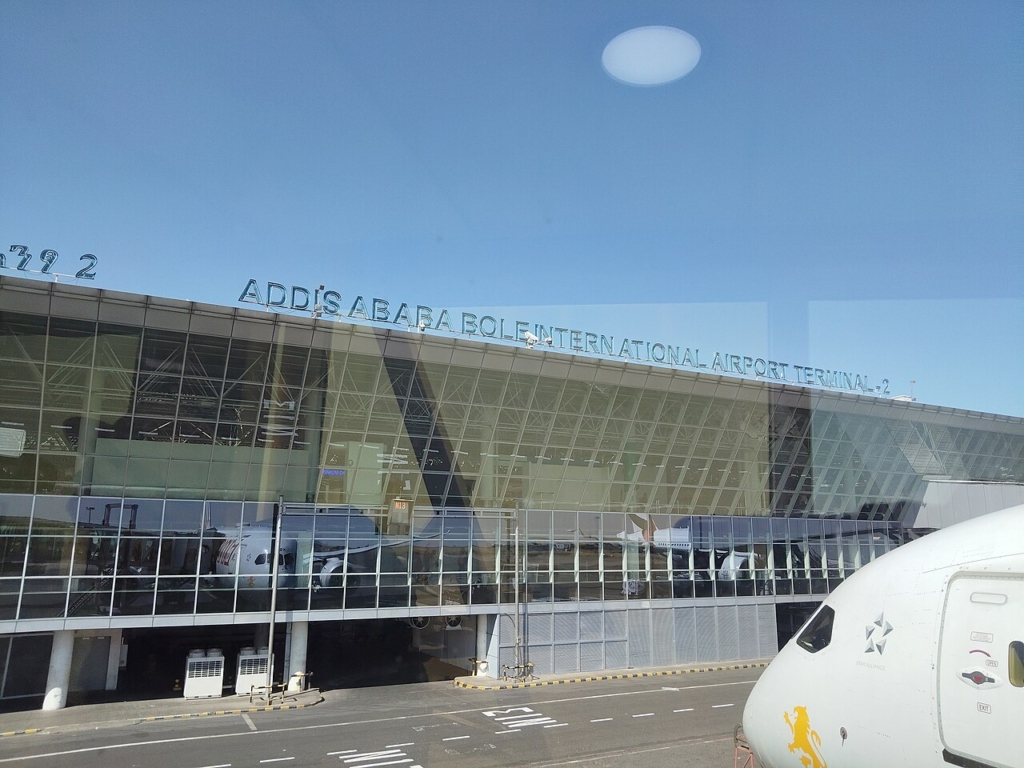
The new airport’s location southeast of the capital has also been selected to address another issue at the existing airport, Bole, located in the heart of Addis Ababa.
At an altitude of 2,300 metres above sea level, aircraft have to depart Bole lighter, reducing cargo and fuel capacity. This prevents profitable direct long-haul flights to North America with full payloads.
Bishoftu, positioned approximately 400 metres lower, will eliminate this technical handicap. For Ethiopian Airlines, whose “Vision 2035” strategy will see the carrier aim to join the world’s top 20 aviation groups by 2035, the new hub represents “operational necessity, not mere ambition,” according to analysts.
The new Bishoftu International Airport is being developed in multiple phases. The first phase alone will serve 60 million passengers, making it one of the largest initial airport hubs in the world.
Future expansions will increase capacity to 110 million passengers per year, making it the African continent’s largest airport in history.
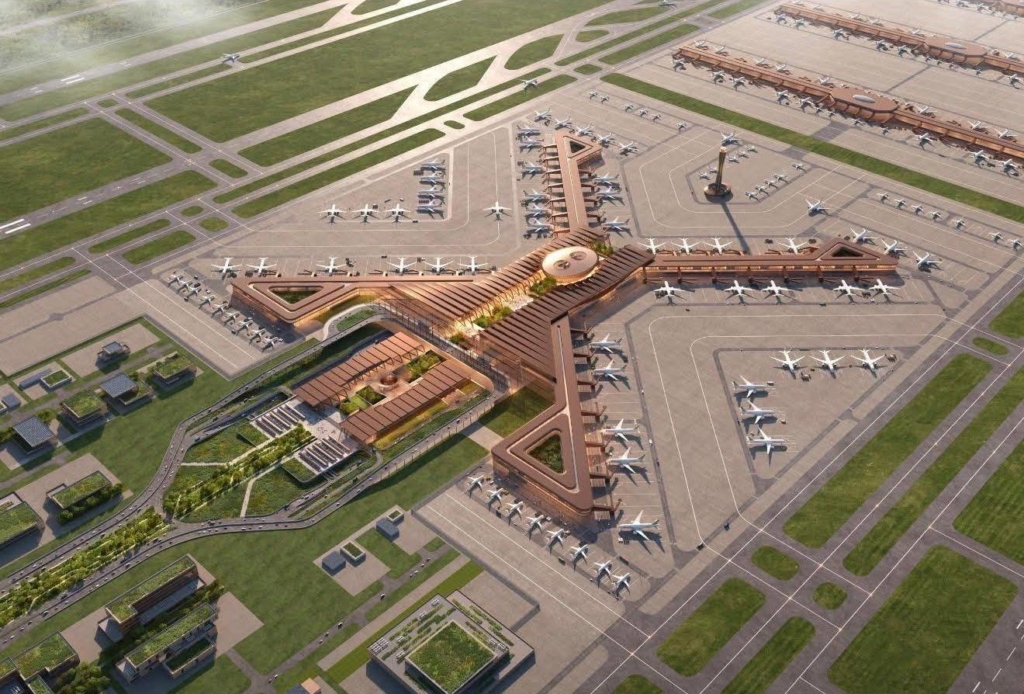
This mega-project is planned to ease congestion at Addis Ababa’s current airport and ensure faster travel between Africa, Europe, Asia, and the Americas.
The airport will act as the country’s main gateway for global tourism, linking travellers to Ethiopia’s rich culture, historic sites, and stunning landscapes. For tourists worldwide, this means a smoother, faster, and more comfortable gateway to East Africa.
Ethiopian Airlines’ involvement in the new airport
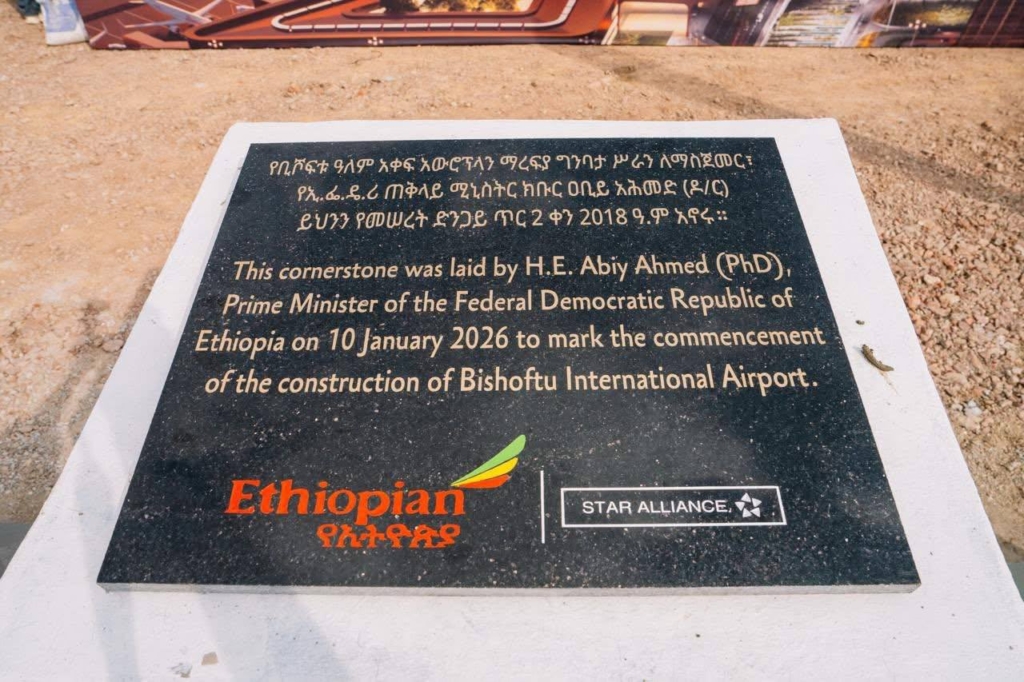
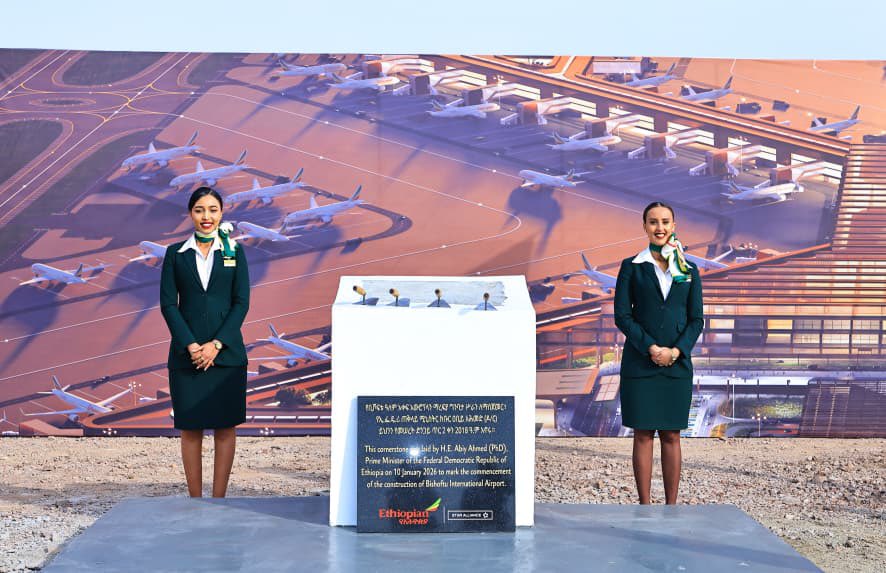
Those present at the ceremony watched Ethiopian Airlines Group CEO, Mr Mesfin Tasew, place the plaque marking the official commencement of the construction.
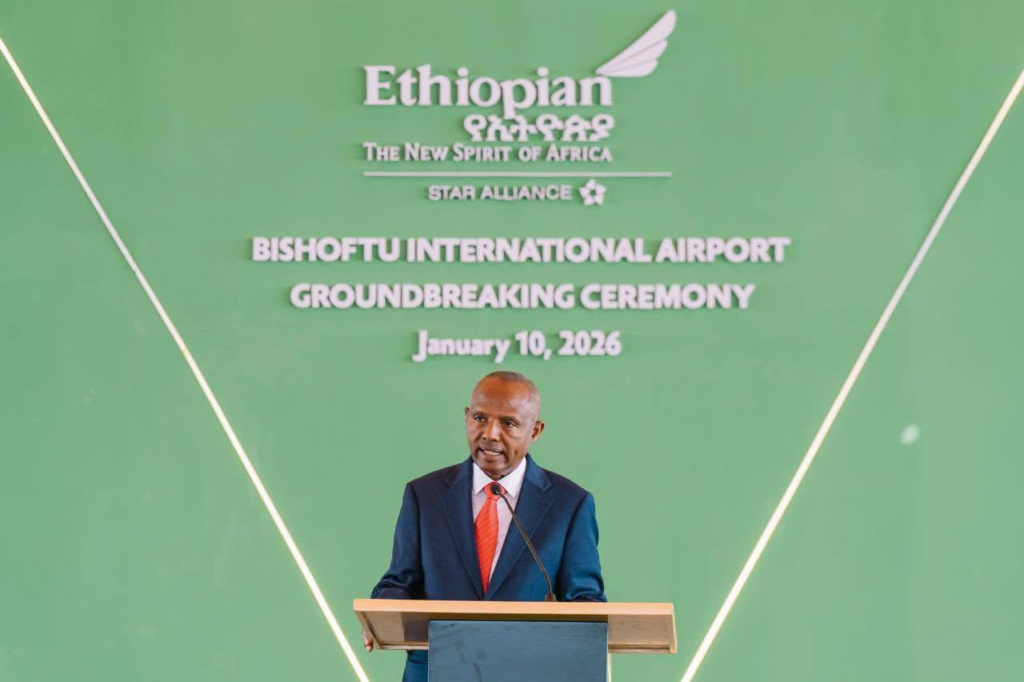
“This is truly a proud moment for Ethiopian Airlines and for all of Africa,” remarked Tasew. “We are embarking on a new chapter with the groundbreaking of Bishoftu International Airport that will redefine the continent’s aviation ecosystem.
“As we celebrate 80 years of service, this project stands as yet another milestone, underscoring our commitment to shaping the future of the African air transport industry, while supporting the growing demand for our passenger and cargo services.”
Tasew added that Bishoftu International Airport will become a major step towards addressing the infrastructural gap in Africa and a key player in implementing the African Continental Free Trade Area (AfCFTA).
The strategic logic underpinning Bishoftu International Airport is the demonstrable success of Ethiopian Airlines. The national carrier is a prime example of an African state enterprise that has consistently defied the status quo of chronically loss-making and inefficient national carriers.
The airline reported record revenues of $7.6bn in its 2025 fiscal year, positioning it as a genuine continental aspirational carrier setting the benchmark for others to follow.
As reported by The Economist, Ethiopian Airlines has maintained profitability for nearly two decades. In 2024, its passenger-carrying capacity roughly equalled that of Africa’s second, third, and fourth-largest airlines combined.

As listed by Planespotters.net, the carrier has a combined fleet of 148 aircraft, including Arica’s largest fleets of Airbus A350s and Boeing 787s with 26 and 30, respectively. At the Dubai Air Show in November 20205, the carrier added orders for a further six A350-900s.
The new airport is already causing controversy
However, despite the fanfare that the groundbreaking of the new airport has generated, it has also caused a degree of criticism on various fronts.
The building of the new airport will cause the displacement of approximately 15,000 people from their land surrounding the town of Bishoftu, a scale of dispossession that crystallises deeper tensions about who benefits from Ethiopia’s modernisation.
According to The Ethiopian Tribune, whilst Ethiopian Airlines has allocated $350m for livelihood restoration and resettlement, and some residents have received promises of housing, others fear losing land without adequate compensation.
Activists who have raised concerns about the displacement process have reportedly faced harassment and arrests.

Mesfin Tasew indicated that resettlement sites should be completed and farmers relocated by early 2026, framing this as evidence of project momentum. Yet for displaced communities, Bishoftu represents dispossession, potentially fuelling precisely the geopolitical grievances that have ignited conflict across Ethiopia over recent years.
Data from the Armed Conflict Location and Event Data Project recorded 1,105 political violence events in Ethiopia during 2023 alone (the most recent year for which data is available), resulting in more than 5,428 reported fatalities.
Critics question the investment in the new airport
Additionally, anti-development arguments have also crystallised on how a single country can justify spending $12.5 billion on a new airport, where there are many other shortcomings and economic failures in the country that could use just a fraction of that money.
In a nation where poverty has increased significantly in recent years, and millions depend on humanitarian assistance, directing $12.5bn towards a single aviation facility is said to “represent an extraordinary allocation choice.”
The World Bank and other international aid agencies focus their Ethiopian interventions on providing basic healthcare, food security, and social services, and the investment being made in a new airport would go a long way to supporting those programmes, according to critics of the government.
Whilst the construction of Bishoftu International Airport may generate significantly more specialist aviation jobs and bring foreign currency into Ethiopian Airlines and the wider national economy, it offers limited pathways from poverty for the rural majority or unemployed urban youth, say aid agencies.
Featured image: Ethiopian Airlines