One minute screening? TSA could nix 3-1-1 liquids rule with ‘multilayered screening’ and CT scanners

July 17, 2025
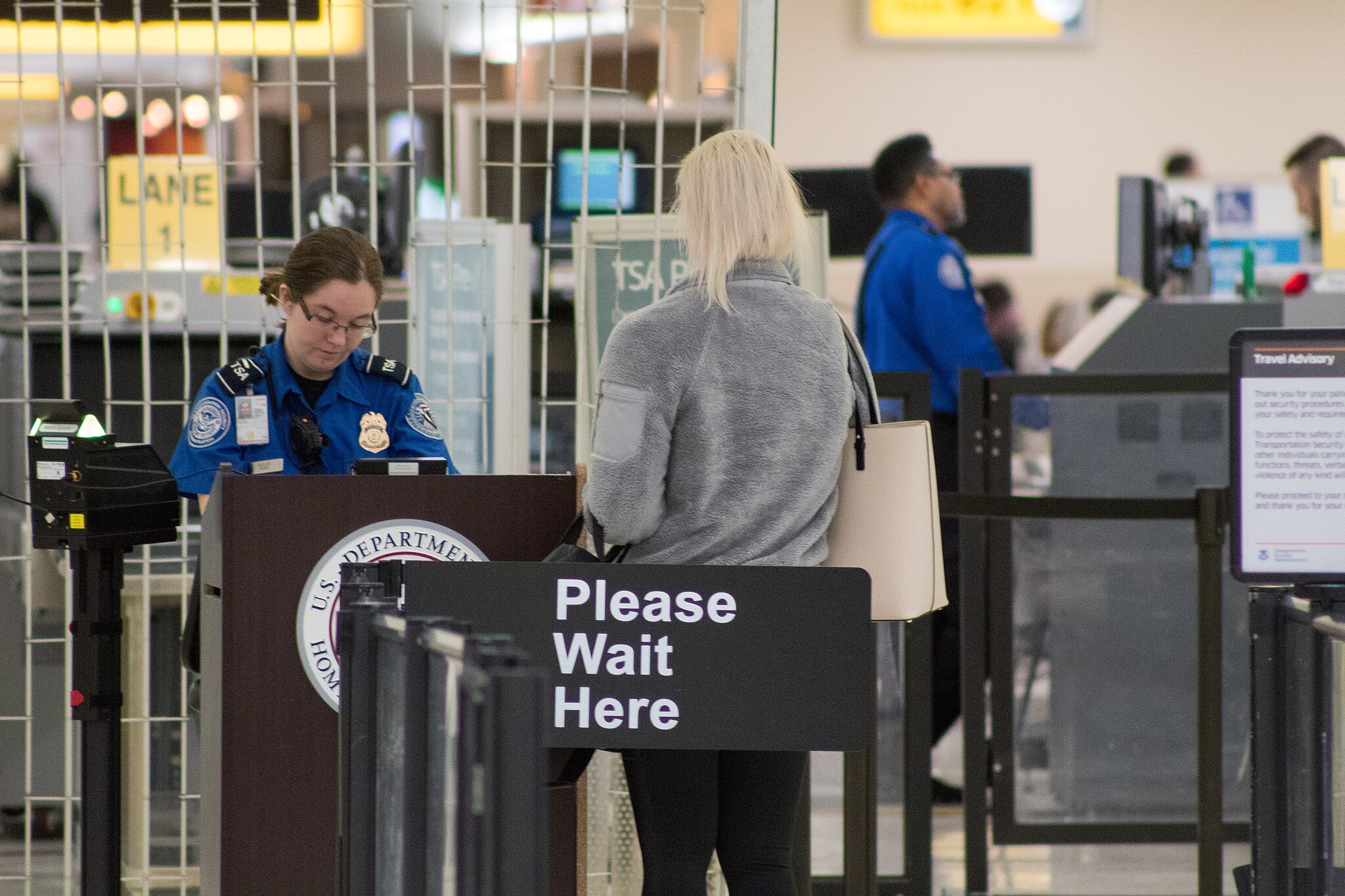
The Transportation Security Administration could soon lift its long-standing limits on liquids in carry-on bags. This comes as more U.S. airports now have CT scanners to streamline the screening process.
Homeland Security Secretary Kristi Noem suggested that TSA could change the 3-1-1 liquids rule this Wednesday during the Hill Nation Summit.
Her statement follows the TSA’s cancellation of the shoes-off policy at security checkpoints, which the Department of Homeland Security announced earlier this month.
“That may be the next big announcement, is what size your liquids need to be,” Noem said. “We’re looking at, you know, our scanners.”
Finally, an end to the TSA’s 3-1-1 liquids rule
The current limit on liquids, gels and aerosols was established in 2006. It followed the discovery of a plot to detonate liquid explosives on transatlantic flights.
The 3-1-1 liquids rule requires passengers to store liquids in carry-on luggage in containers of no more than 3.4 ounces (100ml). All containers must fit in a single, clear quart-sized bag for screening. Only one bag is allowed per passenger.
The TSA provides guidance on what constitutes a liquid, a gel, and an aerosol, as well as the alternative limits in place for medicinal and nutritional requirements, on its website.
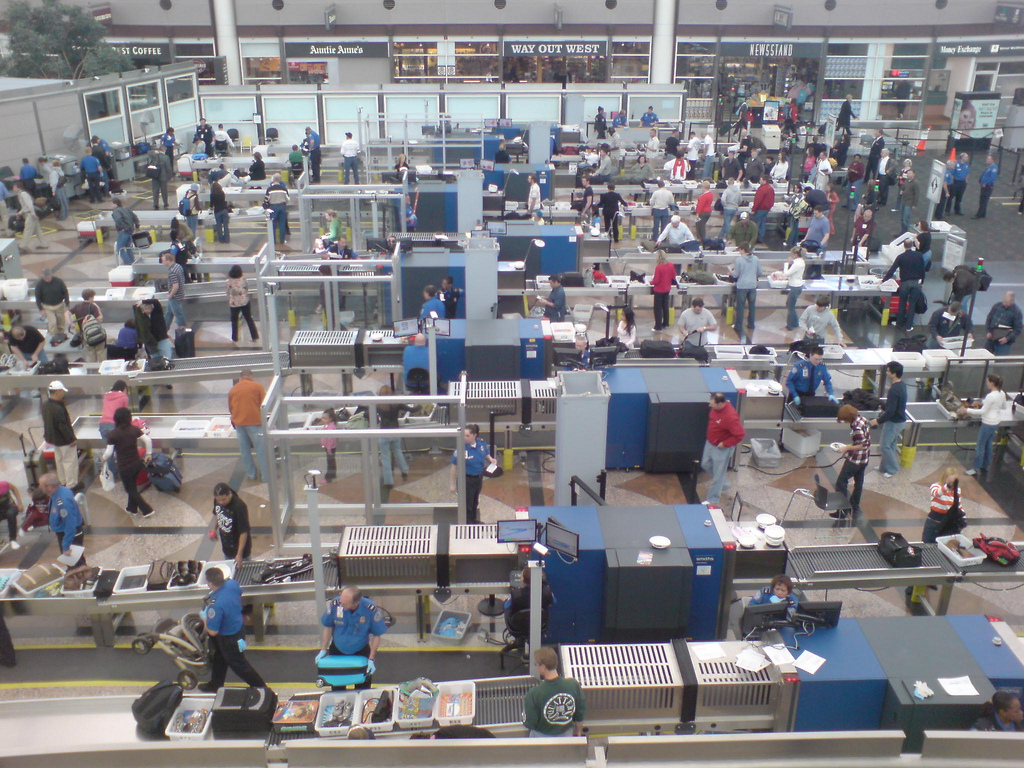
However, passengers are still frequently confused about what they can and cannot bring through security, which often causes screening delays.
Noem said that the focus should be on reducing delays without compromising security.
“Well, hopefully the future of an airport where I’m looking to go is that you walk in the door with your carry-on suitcase, you walk through a scanner and go right to your flight,” Noem said, setting expectations of one minute to clear security and get to the gate.
Noem sees the TSA ultimately adopting a “multi-layered screening process that allows us to change some of how we do security and screening so it is still safe.”
More advanced CT scanners in US airports
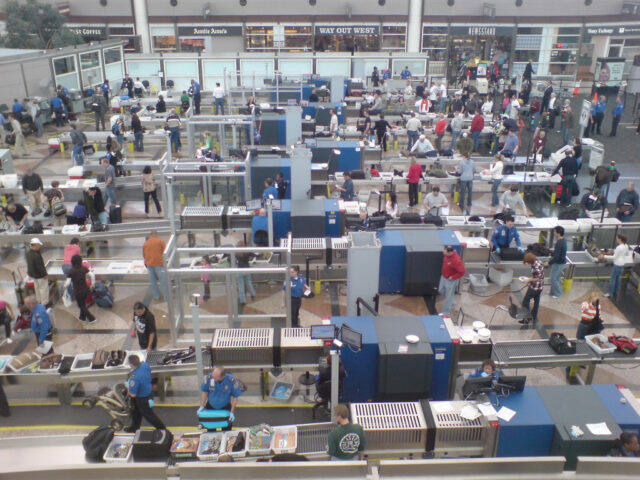
An initiative to adopt more advanced Computed Tomography (CT) scanners at US airports has been ongoing for several years. Phoenix Sky Harbor International Airport was the first airport to receive the CT scanners for testing, with the technology being deployed there in 2017.
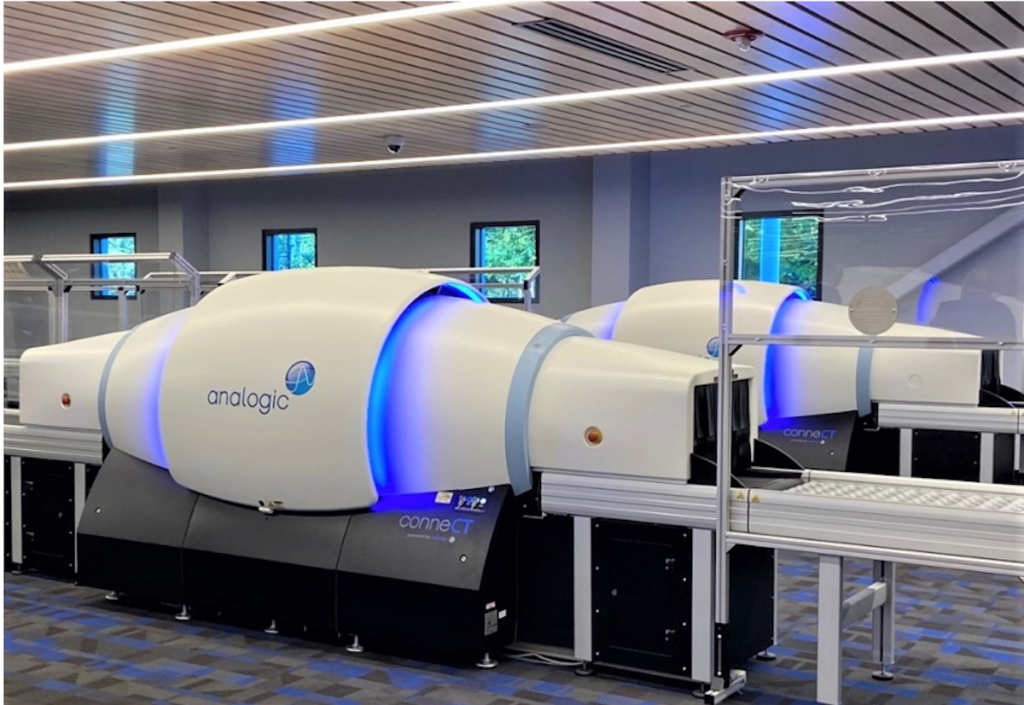
In July of last year, the TSA reported that 205 automated screening lanes, utilising CT scanners, had been installed in security checkpoints at airports nationwide, with more installations ongoing.
The technology is similar to medical imaging machines used to examine patients. These 3D scanners can generate sharper images of carry-on bag content than 2D X-ray scanners.
According to the TSA, “Using a touch-screen monitor, TSA officers can rotate the image to get a more complete view of what is inside each bag.”
The algorithms with which the CT scanners are programmed can also identify dangerous materials in bags. This feature makes it easier for TSA agents to select bags for additional screening.
That said, CT scanners are generally larger than X-ray machines and may require changes to the screening area to accommodate sufficient machines. As a result, airport implementation can be a slow process.
According to Noem, the Department of Homeland Security is “working with several different companies” on bids to adopt advanced screening technologies. “You will see us pilot this at a couple of airports before it gets implemented nationwide,” she added.

While the news that the 3-1-1 rule may be welcome to many, it might not be implemented immediately.
“It’s not certainly anything we’ll be announcing in the next week or two, but we’re working to see what we can do to make the travelling experience much better and more hospitable for individuals, but also still keep safety standards,” Noem said.
UK recall of liquid limits faces setback
Last year, the UK’s Department for Transport also planned to end its 100ml liquid limits on carry-on bags at UK airports. Some airports failed to install CT scanners in time, delaying implementation.
However, even at some airports with CT scanners installed, the Department re-established limits on liquids to “enable further improvements to be made to the new checkpoint systems.”
The 100ml liquid restrictions remain in place at most UK airports.