Rollout of first Embraer-built Saab Gripen E puts Brazil in elite club of supersonic fighter producers

March 25, 2026
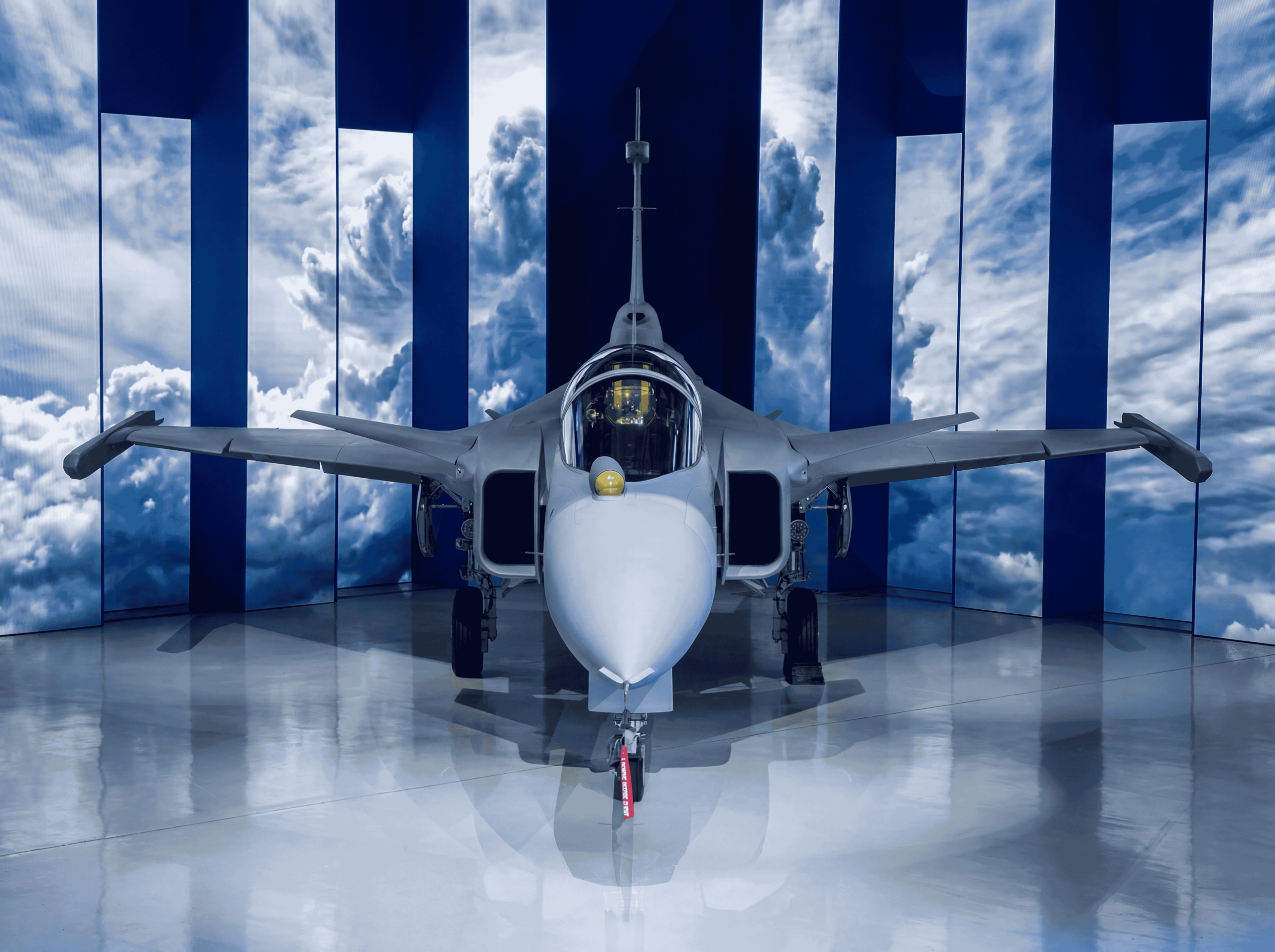
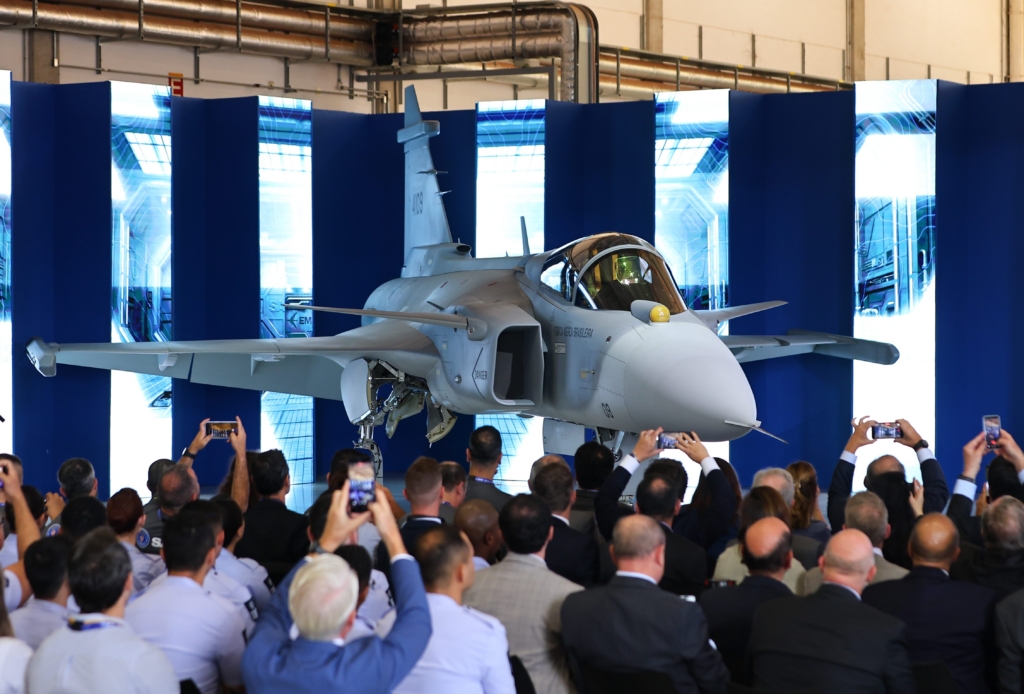
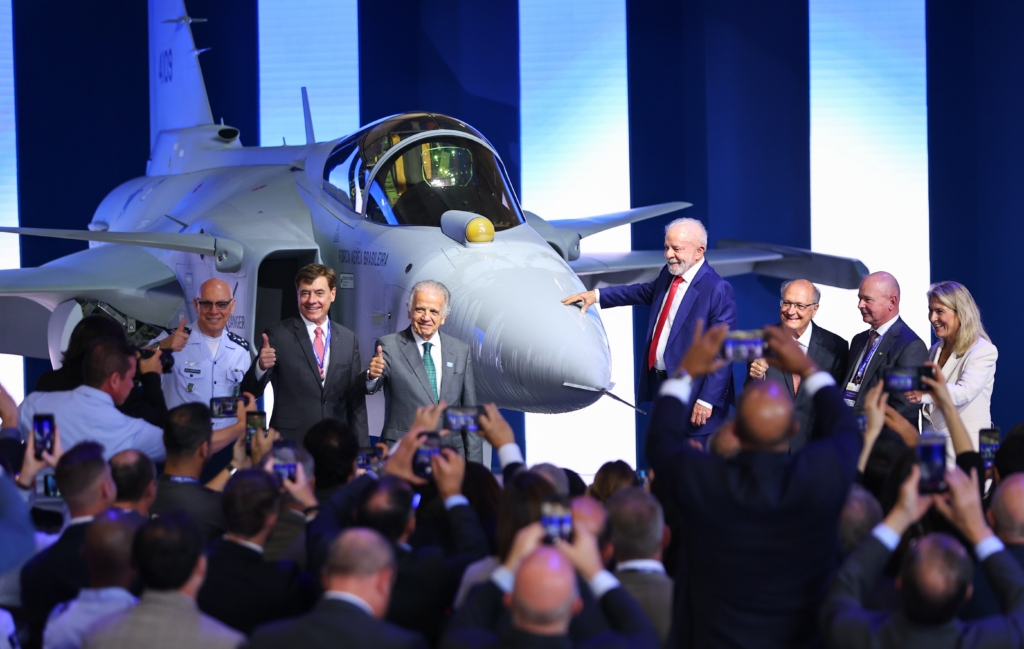
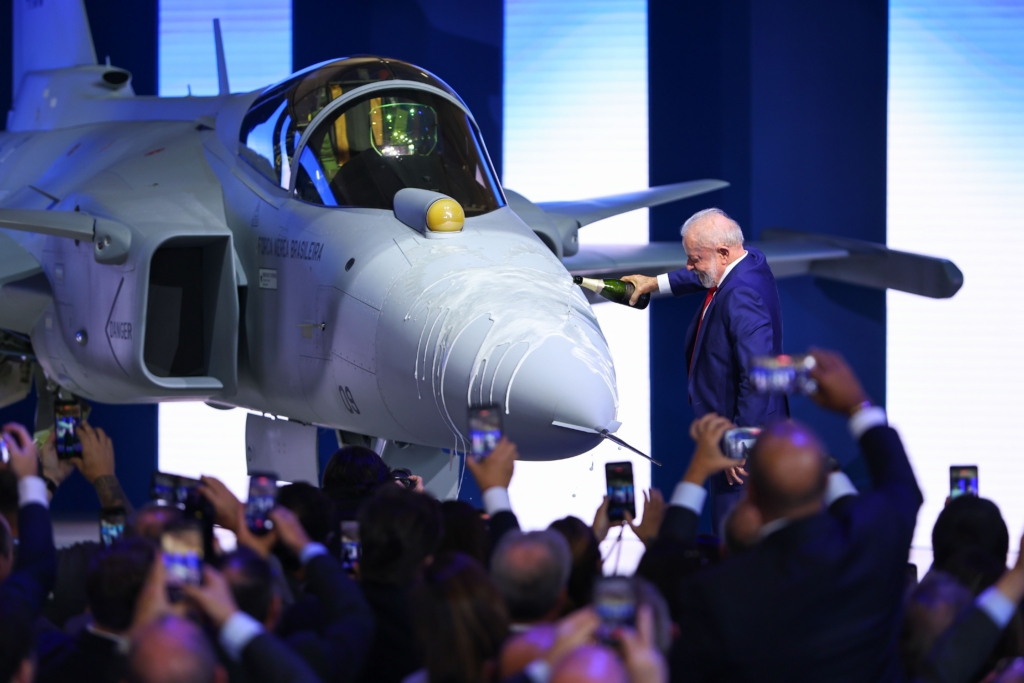
Embraer, Saab and the Brazilian Air Force are celebrating today as the first Gripen E fighter jet has rolled off the production line in Gavião Peixoto.
This marks the first supersonic fighter aircraft ever produced in Brazil and an important moment for Saab’s foothold outside of Europe.
“The delivery of the first Gripen produced in Brazil represents far more than the completion of an aircraft,” said Micael Johansson, President and CEO of Saab, at the delivery ceremony. “It symbolises the strength of a partnership built on trust, long‑term vision, and true cooperation.”
Who is the customer of Brazil’s first home-built Gripen?
The newly minted Gripen E is destined for the Brazilian Air Force (Força Aérea Brasileira, FAB) as part of its 2014 order for 36 jets. Within that order, FAB committed to 28 Gripen E plus eight two-seat Gripen F.
To date, 11 aircraft have been handed over, joining the fleet at the 1st Air Defence Group (1st GDA) at Anápolis Air Base. Here, the Gripen fleet is already supporting national air policing duties, including Quick Reaction Alert (QRA) missions.
While Sweden led the development of the Gripen E, Brazil became its first operator, inducting the aircraft into service in 2022, with Sweden following with its first operational unit in 2025.
Brazil joins the fighter production club with first domestic Gripen E
The rollout of the first domestically produced Gripen E places Brazil in an elite club of nations that can produce supersonic fighter jets. However, it’s important to recognise the difference between production from scratch and final assembly.
In terms of building fighter jets from scratch, only a handful of countries have the capabilities today:
- United States: Companies like Lockheed Martin and Boeing produce platforms such as the F-15EX and F-35
- France: Dassault Aviation builds the Rafale entirely domestically
- Russia: Russian company Sukhoi produces aircraft like the Su-35
- China: Chengdu Aircraft Corporation builds the J-20 and J-10
- Sweden: Saab builds the Gripen family
The United Kingdom is presently not on the list, as it hasn’t produced a solo fighter for many years. However, it does collaborate on the F-35 and is involved with GCAP to (hopefully) produce a sixth-generation fighter.
Aside from these core nations, a few countries are emerging as serious players:
- India: Hindustan Aeronautics Limited builds the Tejas, although it relies on imported engines
- Japan: Japan builds the F-2 fighter and is collaborating on GCAP with the UK
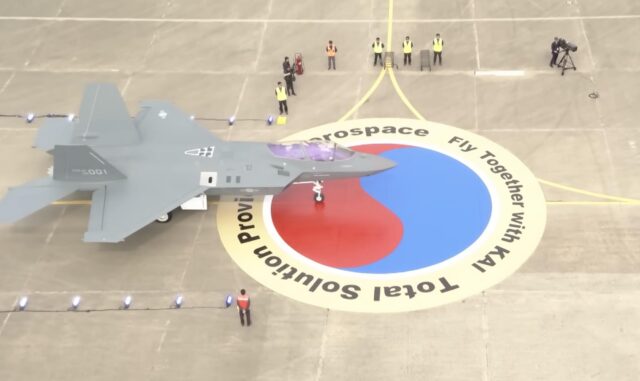
- South Korea: Korea Aerospace Industries (KAI) is producing the KF-21 Boramae fighter
However, several other nations produce, or finish, fighter jets locally under licensed production. For example, Italy and Japan are able to assemble F-35s, and during the Cold War, Soviet aircraft were built in China and India.
Brazil joins this latter group of nations able to build airpower under licensed production.
Why the Gripen E rollout matters for Brazil and Embraer
Although Brazil’s position is not one of designing and producing fighter jets independently, the rollout of this first Embraer-built Gripen E is a major milestone for the nation.
The Gripen marks the first production of a supersonic, frontline multirole fighter on home soil, a clear step up from Brazil’s previous experience with subsonic attack jets and turboprops.
It also moves Embraer into the realm of high-end combat aircraft manufacturing, supported by sophisticated production lines capable of assembling and integrating one of the world’s most advanced fighters.
Beyond industrial capability, the Gripen programme positions Brazil as a potential regional export and support hub, particularly in Latin America, aligning with Saab’s ambition to use the country as a base for future international sales.
Brazil has not yet joined the ranks of nations designing fighter jets from scratch, but with Gripen, it has firmly entered one of aerospace’s most exclusive industrial clubs.
Featured image: Embraer