US DOT cuts airline passenger rights with new rule ending flight-number change refunds

December 5, 2025
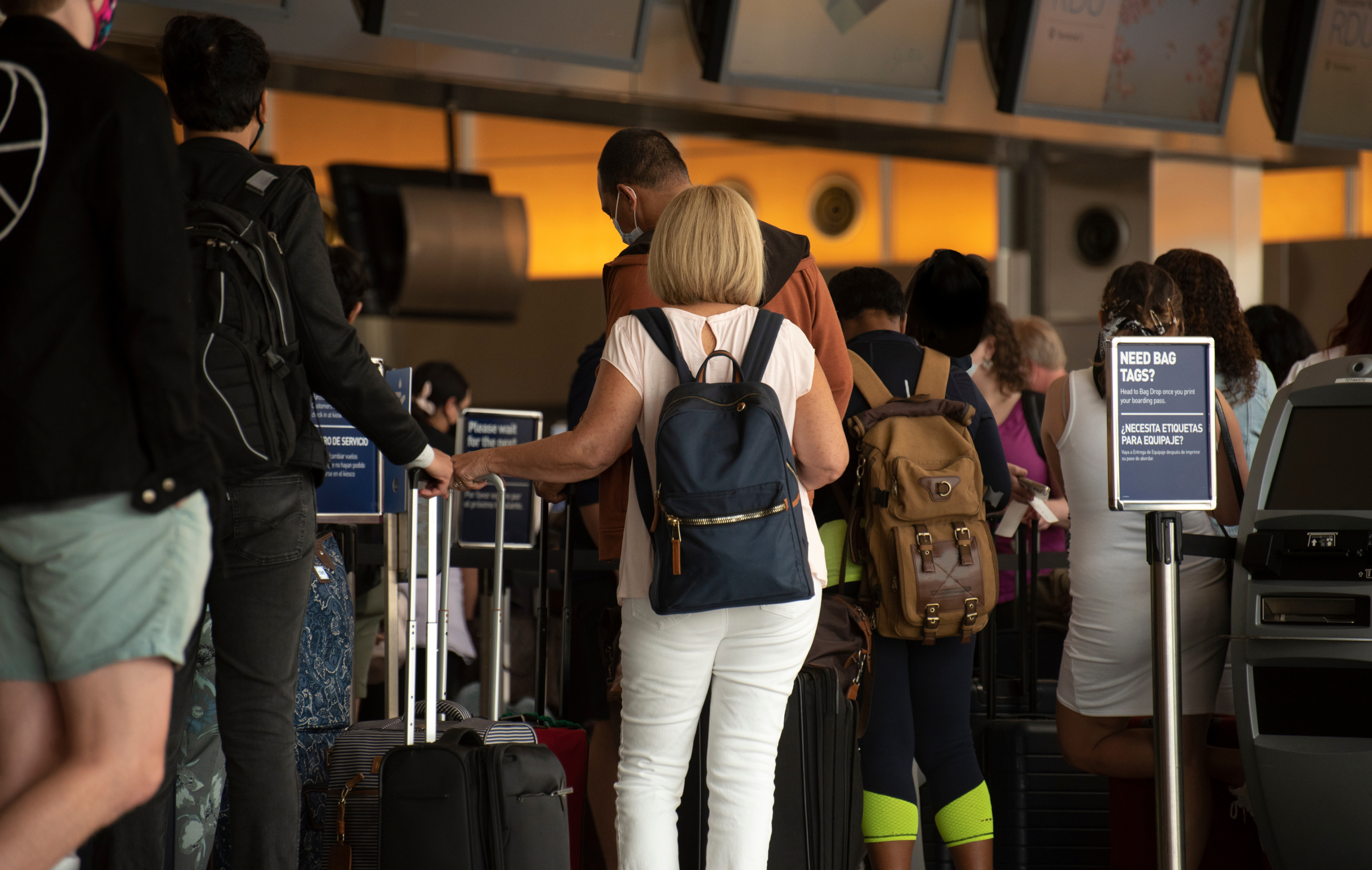
The US Department of Transportation (DOT) has quietly reshaped a major pillar of airline consumer rights, issuing a new enforcement notice that removes flight-number changes from the list of schedule alterations that automatically entitle travellers to a refund.
The change appears in the Federal Register public-inspection notice Airline Refunds and Other Consumer Protections III (Document No. 2025-22140), which was published on December 4.
This latest development adds to the DOT’s broader retreat from passenger protections established under the Biden Administration, including the withdrawal of a proposed rule requiring airlines to pay cash compensation for long delays.
The Trump administration’s reversal of passenger rights has triggered political backlash. As reported by Reuters, a coalition of 15 Democratic senators is now pushing legislation to reinstate compensation requirements for airline-caused disruptions.
DOT redefines what counts as a “significant change” to a flight
Under the new enforcement framework, DOT maintains that refunds are still required when a flight is cancelled, rerouted, or significantly delayed beyond federal thresholds. But flight number changes no longer trigger refund eligibility unless other qualifying changes occur.
In April of this year, the DOT “sought public input” on regulations which could be “modified or repealed” to reduce regulatory burden.
“Several airlines and airline trade associations commented in the Regulatory Reform RFI docket that the Department should not consider a simple flight number change a flight cancellation. The commenters pointed out that flight number changes are made for a myriad of operational or commercial reasons and have no material impact on passengers,” the DOT states in its December 4 notice.

The main push for the DOT not to enforce the flight change refund requirement came from Alaska Airlines, in support of its merger with Hawaiian Airlines. This was because the retirement of the HA airline code would require the airlines to renumber “tens of thousands of flights” that would otherwise have the same flight number.
“The Department determined that consumers were not harmed by this flight renumbering, and based in part on this determination, the Department granted that request.”
The DOT states this non-enforcement of the flight number change refund requirement is only a temporary measure, as it is working to redraft the airline refund rule “to change the definition of a cancelled flight.” The department expects to complete a final Refund III rule by June 30, 2026.
What rights do passengers have after the DOT’s decision?
According to the DOT’s notice, for now, the remaining consumer protections are through refund requirements when a “significant delay or change would occur as a result of the new flight.”
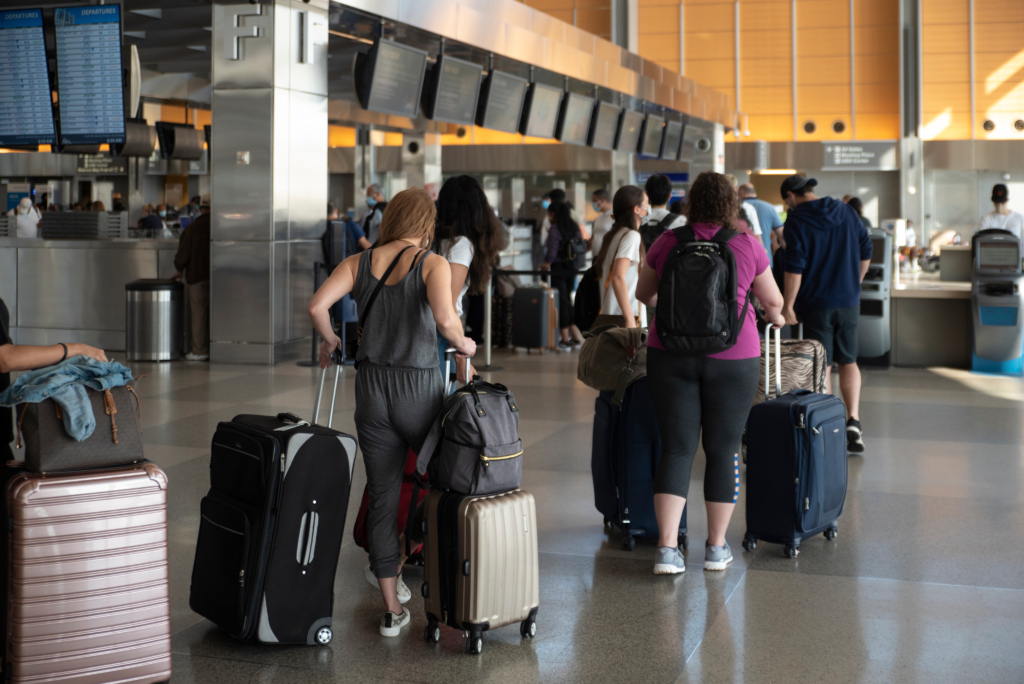
Specifically:
(1) Travellers are scheduled to depart domestically at least three hours earlier, and internationally at least six hours earlier than their original departure time.
(2) Travellers are expected to arrive three or more hours later at the destination airport for domestic flights or six or more hours later for international flights than the original arrival time.
(3) Travellers are scheduled to depart from a different origination airport or arrive at a different destination airport.
(4) The revised travel itinerary will have more connection points than the original itinerary.
(5) Airlines downgrade air travellers to a lower class of service.
(6) Travellers with disabilities are scheduled to travel through one or more connecting airports.
Elizabeth Warren condemns the rollback of consumer protections under Trump
Senator Elizabeth Warren sharply criticised the policy shift in a video explaining the consequences of the Trump administration’s airline deregulation efforts.
“Donald Trump just repealed the rule that would force airlines to compensate you when your flight is delayed or cancelled,” Warren said in a brief statement accompanying the video on her newsroom page, adding, “Now you need to shell out top dollar for a cramped airport hotel room and overpriced food at the gate. If you ask me, that food and the price of that hotel room shouldn’t come out of your pocket. It should be paid for by the airline.”
Warren has also criticised the rollback on social media, calling it a “giveaway to the airlines at the expense of working families.”
The Trump administration just ended the rule that made airlines compensate passengers for flight disruptions that are the airline’s fault.
— Elizabeth Warren (@ewarren) September 26, 2025
Who does this policy help besides airline CEOs? pic.twitter.com/9hJ1Z987Qq
DOT withdraws the Biden-era delay compensation rule
The flight number reinterpretation came shortly after DOT withdrew a major consumer protection initiative begun under the Biden Administration: a proposed rule mandating cash compensation for airline-caused delays.
Under that proposal, airlines would have been required to pay:
- $200–$300 for delays of at least three hours,
- Up to $775 for longer disruptions.
DOT withdrew the rule on November 14, arguing that mandatory cash payouts would impose heavy operational and regulatory burdens on airlines and that the rule exceeded “what Congress has required by statute.”
Senators push back with new delay-compensation legislation
As reported by Reuters, 15 Democratic senators — including Mark Kelly, Ed Markey, and Richard Blumenthal — introduced new legislation on December 4 to reinstate and strengthen mandatory compensation for delays caused by airlines.
Under their proposal:
- Passengers would receive at least $300 for delays of three hours,
- And at least $600 for delays of six hours or more.
The senators say the bill would bring the US closer to the standards already set in Europe and Canada, where compensation is guaranteed by law.
“Airlines have to be accountable when they cost the American people money and travellers are left stranded,” Reuters quotes Kelly as saying. “We’re working to make sure that passengers are protected so that cancellations and delays don’t cost them money out of their own pockets.”
What do all these rule changes mean for air travellers in the US?
The regulatory rollback on consumer protections makes passenger rights more vague and uncertain than in other markets, including Europe and Canada.
- Refund rights are narrower: Passengers no longer have a guaranteed right to a refund simply because the airline changes the marketing flight number.
- Compensation for delays is not guaranteed, unless airlines voluntarily provide assistance
- Travellers receive no cash compensation for disruptions
- Hotel, meal, and rebooking expenses may fall entirely on passengers
If the new legislation proposed by Senators advances, the US could see its first-ever statutory delay-compensation regime. If not, the United States will continue to lag behind other markets with stronger consumer safeguards.
A significant shift in consumer rights that favours US airlines
Supporters of DOT’s new approach, namely airlines themselves through their lobbying group Airlines for America (A4A), argue that airlines need flexibility and that mandatory compensation would raise costs for all passengers.
Critics argue that the rollback reduces accountability and shifts the financial burden of disruptions onto consumers. For now, travellers are likely to face a patchwork of protections as US airline refund and compensation rights have weakened. Still, the fight over what protections passengers should have is ongoing.
Featured Image: Sharkshock | stock.adobe.com