Delta Air Lines will let you fly in first class for less in 2026—but there’s a catch

January 19, 2026
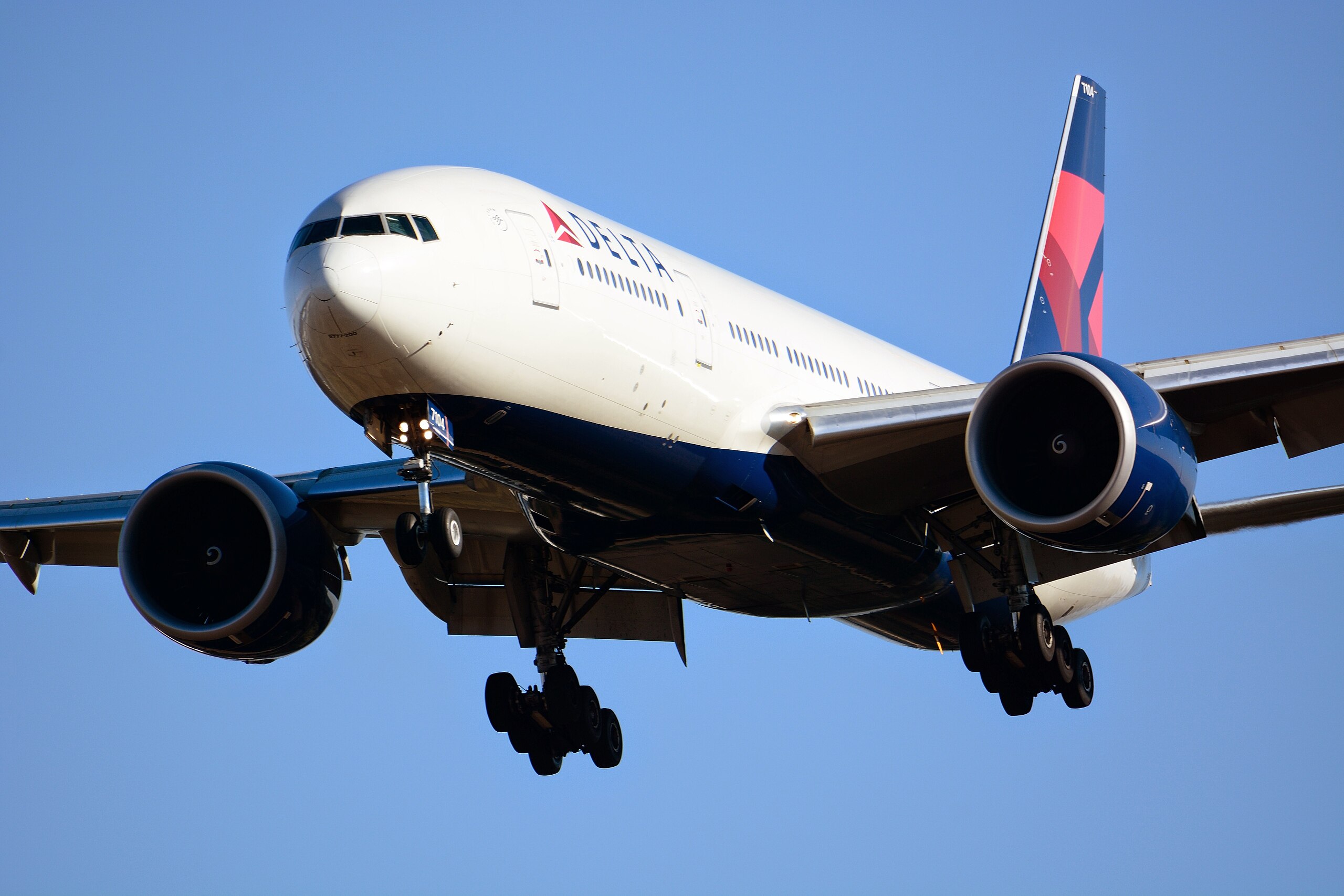
Delta Air Lines is preparing a major shift in how it sells premium travel by introducing stripped-down “Basic” business and first class fares in 2026.
The move follows a global trend among carriers to unbundle traditional premium cabins, offering lower-entry pricing with fewer bundled perks, and potentially filling seats that might otherwise go empty.
This strategy reflects evolving demand patterns as both leisure and business travel reshape airline revenue models.
What Delta has said about basic business and first class
Delta Air Lines has not rolled out new “basic” business and first class fares yet. However, during the airline’s Q4 earnings call this month, its executives discussed plans to expand fare segmentation across all cabin products, including its most premium seats.

“We’ve talked about really having three categories for every product, which is basic, main and extra. And that continues to evolve,” said Delta President Glen Hauenstein, adding that Delta already introduced unbundled fares in its premium economy seating with good results. “We put those products in place for Comfort+ earlier in the year, and that implementation is producing results that are actually slightly above our internal projections.”
Haunstein said Delta plans to continue expanding unbundled fares “up the ladder to give customers choice not only of the seat, but the actual product that they want to buy with that seat” throughout 2026 as part of the airline’s planned initiatives.
Delta hopes this unbundled product will appeal to more of its customers
The airline believes that the basic pricing will encourage more travellers to move up to the front of the plane, but will roll out the new fare tiers gradually, gauging customer response.
“I think that if you were offered a $500 ticket, there was no reason for you to ever want to pay more than $500 because it was fully loaded,” Hauenstein said. “Now we have that seat is $500, but you can buy it for $450 if you’re willing to get the seat assignment at 48 hours, if you’re willing to have it nonrefundable and then all the way up to extra, where it’s fully refundable, and you get the best seats unlocked at that time.”
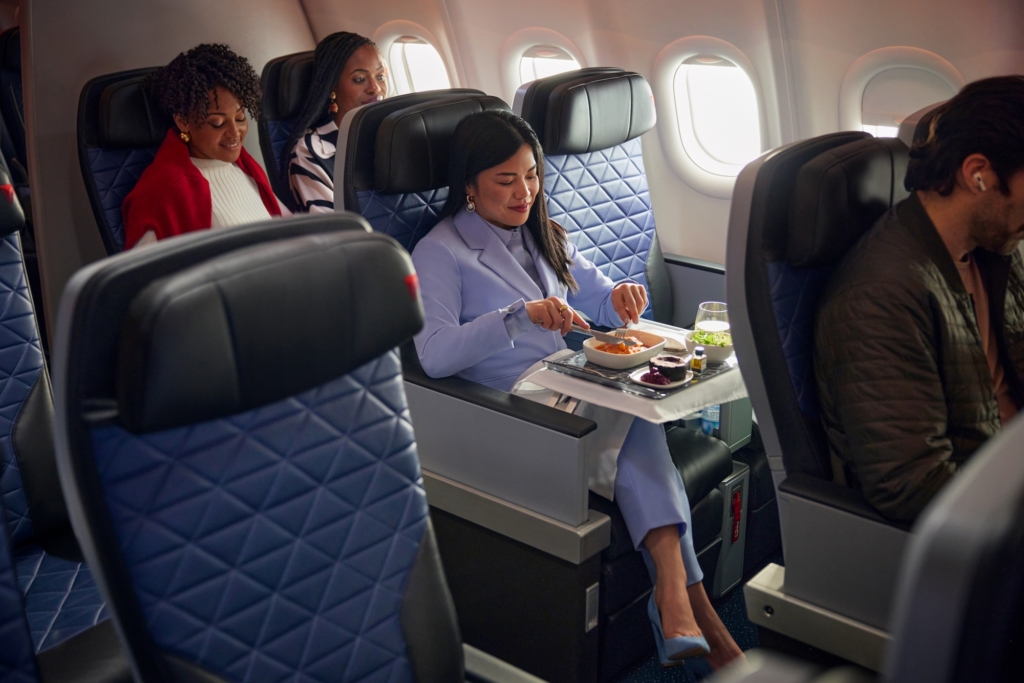
Joe Esposito, Delta’s Senior Vice President of Network Planning, added, “We’ve been incredibly thoughtful about not going too fast, making sure that we’re measured in that approach. We’re still testing Comfort Basic right now. We’re going to expand that for the rest of this year.
“The great thing when you think about merchandising is the products you’re able to put in there,” Esposito continued. “And we’ve got a lot of products. We’re innovating with more products, and there’s just more we can offer the customer based on what they’re willing to pay.”
More airlines unbundle premium fares to help fill the cabin
Delta’s move comes as airlines balance strong leisure demand for premium experiences with softer corporate travel, compared to pre-pandemic patterns.
While premium cabins have generally outperformed economy in terms of yield growth, airlines are seeking more nuanced ways to price and sell those seats, targeting travellers who prioritise cabin comfort over traditional bundled services.
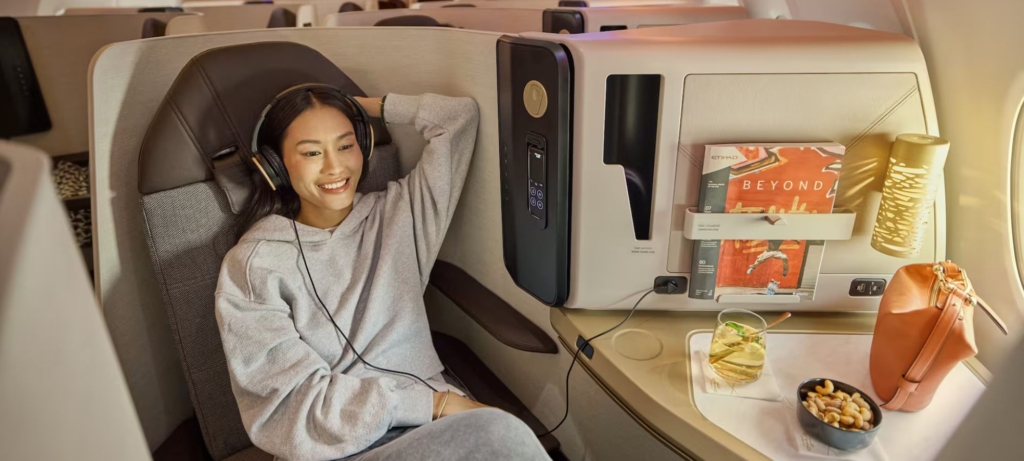
Delta is not alone in exploring or adopting this strategy. Premium unbundling has already begun in the airline industry with carriers tiering their pricing to capture a broader customer base without eroding overall premium revenue. Several airlines have already successfully introduced “basic” or stripped-down business class options.
Qatar Airways
Qatar Airways has offered Business Lite and other segmented fare families that price business class tickets with fewer included services (such as lounge access or advanced seat selection) in exchange for lower base pricing.
Emirates
Emirates pioneered segmented business class pricing years ago, introducing discount-oriented fares that still offer lie-flat seating but reduce traditional perks and services in the bundle.
Air France & KLM
Air France and KLM have launched “Business Light” fare categories on select international routes. These stripped-down options typically exclude extras such as lounge access, advanced seat selection, and flexible ticket conditions.
Finnair
Finnair’s business class fare structure also includes options that emphasise core seat and onboard experience while placing ancillary services in optional-pay categories.
Etihad Airways
Etihad has implemented similar fare variations, shaping entry-level business class pricing that appeals to travellers focused on seat comfort rather than ground-based premium perks.
ZIPAIR
Innovative low-cost long-haul Japanese operator ZIPAIR markets truly unbundled business-class offerings—where only certain defined benefits like a lie-flat bed are included, and everything else (bags, seat choice, meals) can be added separately.
Since premium-cabin unbundling is already underway globally, Delta has a roadmap of how segmented pricing can expand access to pricier cabins without sacrificing ancillary revenue.
Delta is filling seats that might go empty
One of the core commercial rationales for basic premium fares is straightforward: sell inventory that might otherwise go unsold. Premium cabins typically have limited seating, and unsold seats represent lost revenue.
By offering lower entry-level price points without all the perks, Delta aims to tap price-sensitive travellers who value comfort but don’t need all the premium services.
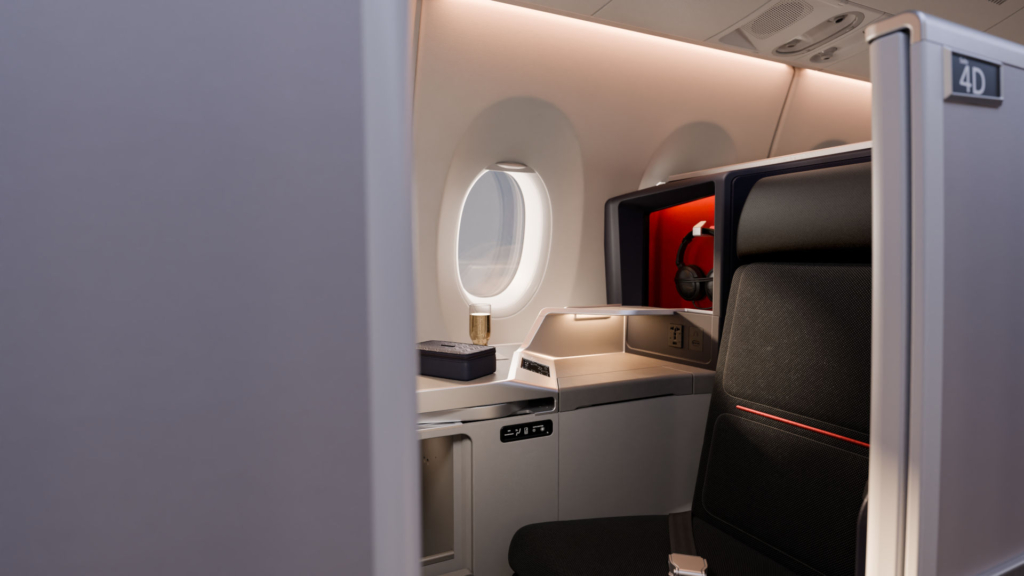
Delta’s fare segmentation tools—already in use in other cabins—allow for unbundling of specific attributes such as seat selection, mileage accrual, lounge access, and ticket flexibility. This lets the airline align prices more directly with a traveller’s willingness to pay for each element of the experience.
For those who would upgrade to business class, this might mean fewer seats are available.
What Delta’s basic premium product strategy means for travellers
Delta’s basic business and first-class fares are expected to:
- Offer core premium seats at a lower base price
- Require extra fees for seat choice, refunds or changes
- Exclude lounge access or include it as an add-on
- Limit loyalty earnings or elite credits depending on the fare
For many passengers—leisure travellers and returning corporate travellers, who might be more price-sensitive—this could make front-of-plane travel more accessible. Frequent flyers accustomed to big-bundle premium tickets may continue to prefer traditional fare structures.
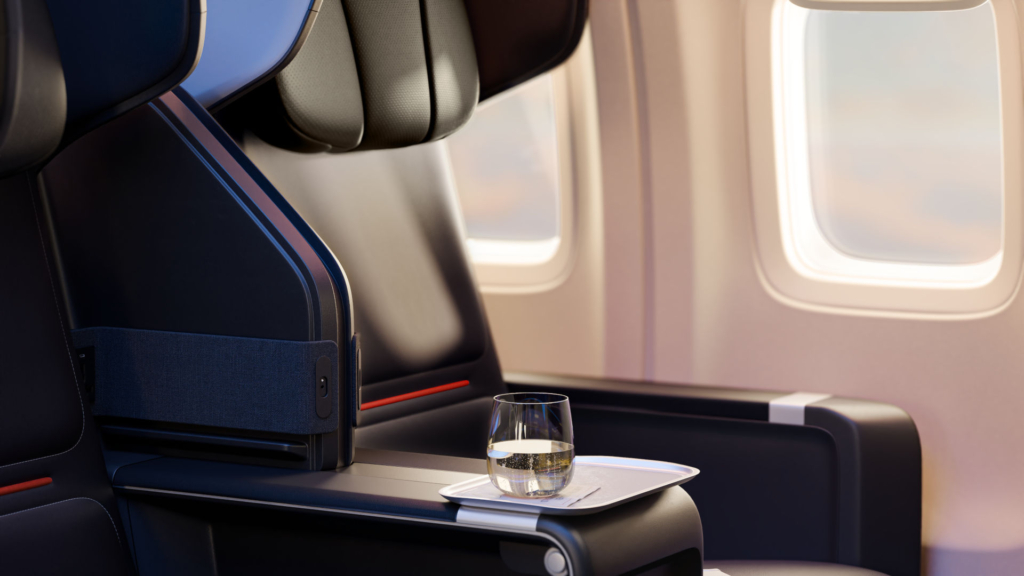
Delta’s introduction of Basic Business and Basic First fares aligns with a global trend toward retail-style airline pricing, where travellers choose and only pay for what they value. As the 2026 rollout progresses, we can expect more details about Delta’s specific basic fare restrictions and benefits. It will be interesting to watch whether other US carriers follow suit.
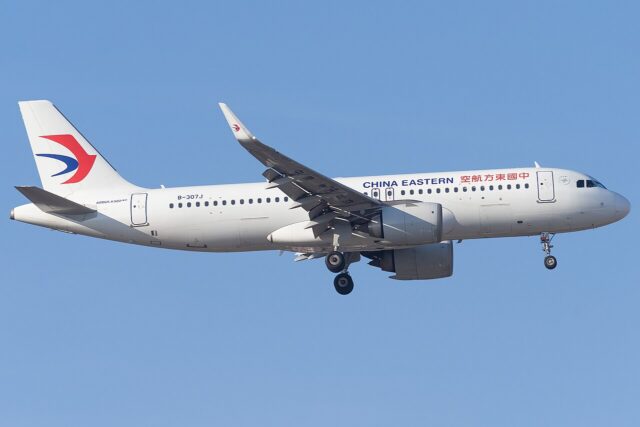
Featured Image: Masakatsu Ukon / Wikimedia Commons