De Havilland’s DHC-6 Twin Otter hits 1,000 built after six decades of rugged flying

January 24, 2026
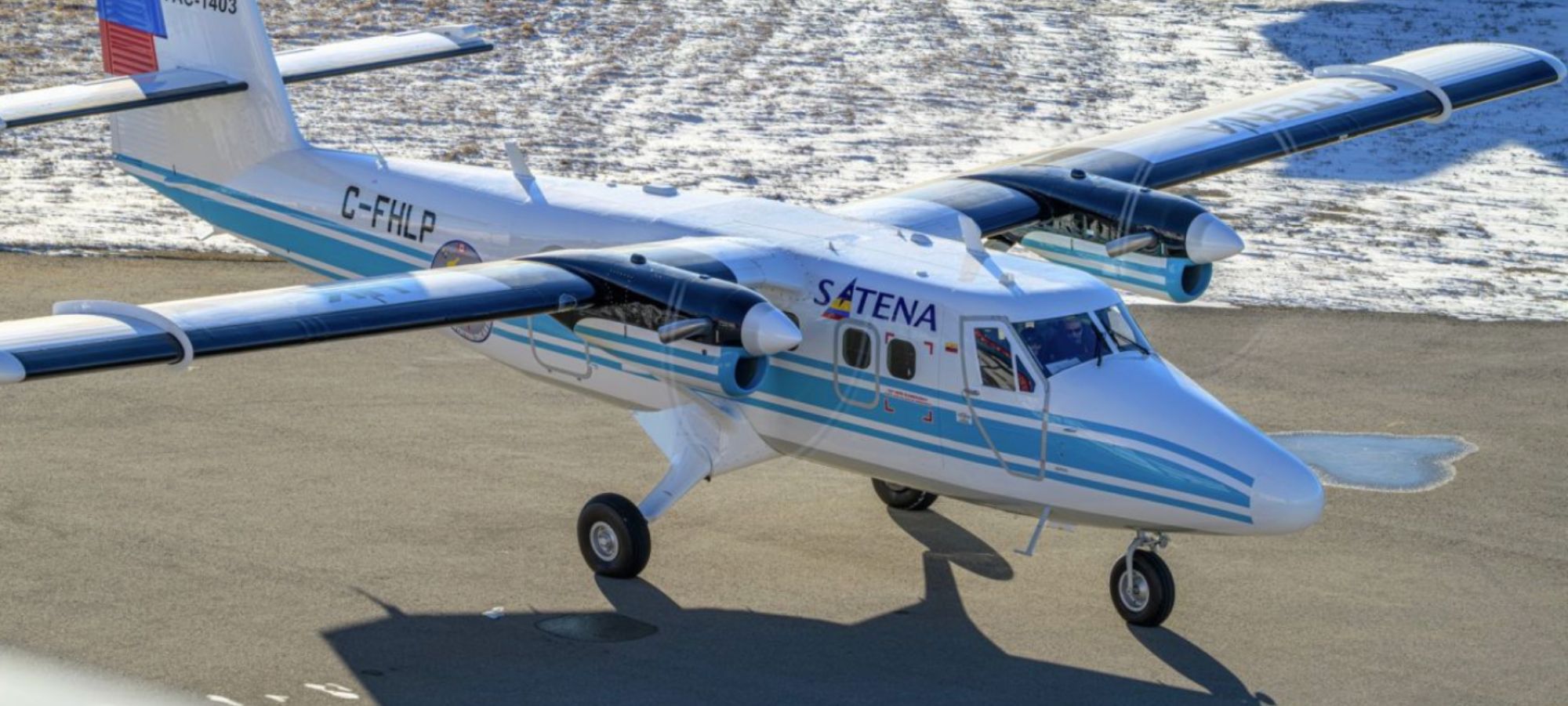
De Havilland Canada’s 1000th DHC-6 Twin Otter, with serial number MSN1000, made its debut flight on 20 January from Calgary Airport. Although a firm date has yet to be confirmed, the turboprop is due for delivery to SATENA in Bogotá in the near future, following a roughly 4,000-hour ferry flight.
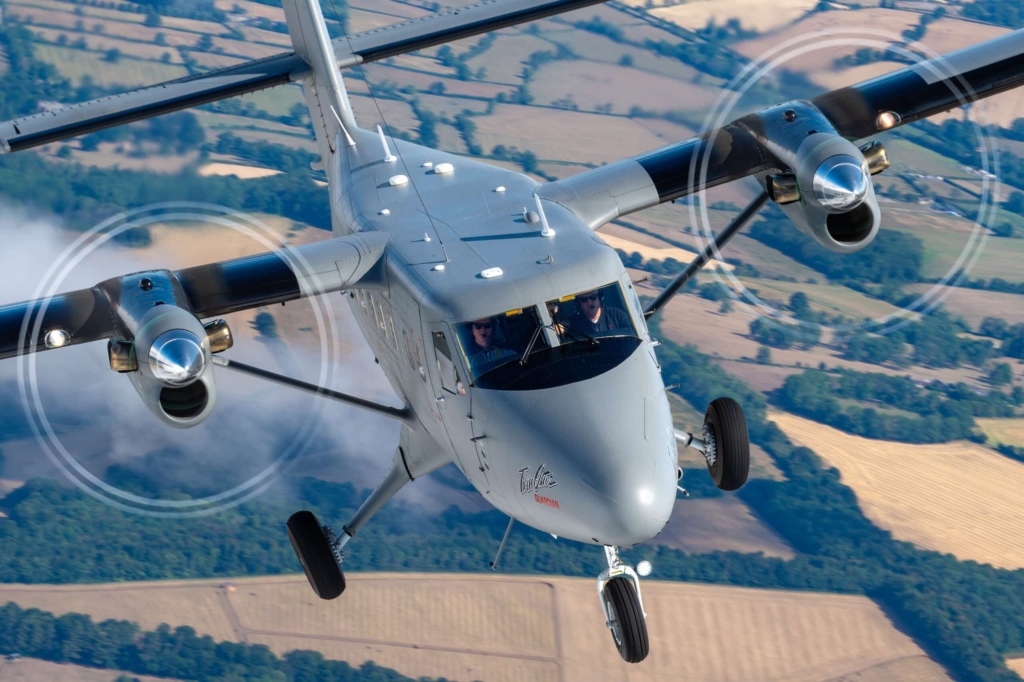
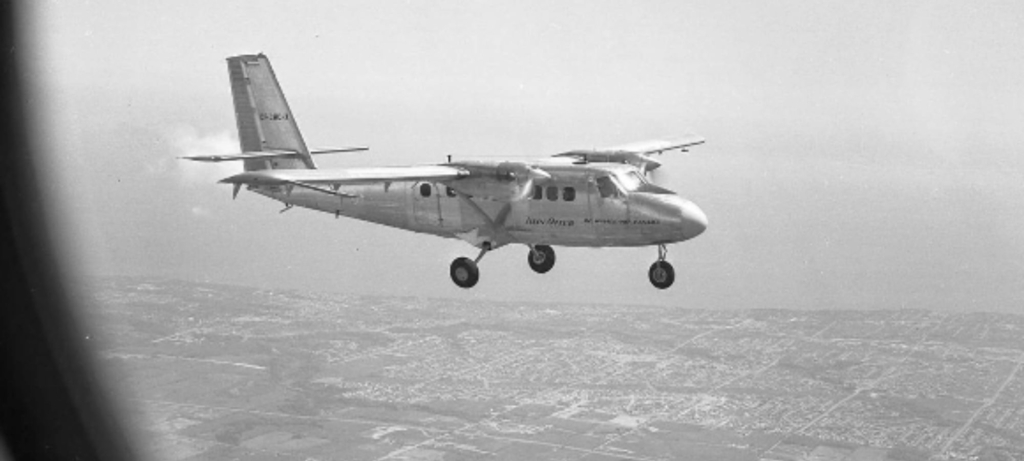
The development of De Havilland Canada’s Twin Otter dates back to 1964, with its inaugural flight made in 1965 and delivery of the first unit made in 1967 to a US-based regional carrier, Air Commuter. The twin turboprop aircraft has been proving itself as a workhorse of the regional aviation market ever since and is in demand from operators in over 100 countries worldwide.
Six decades of the De Havilland Canada DHC-6 Twin Otter
Last year saw the airframe manufacturer proudly marking the 60th anniversary of its “legendary” DHC-6 Twin Otter.
Speaking at the time, Brian Chafe, CEO of De Havilland Canada, said: “The Twin Otter is more than a machine; it’s a lifeline, a workhorse, and a testament to Canadian ingenuity. We’re proud that it continues to connect the most remote corners of the world with unmatched reliability.”
Capable of short take-off and landing (STOL) in under 400 metres, the Twin Otter is widely used in regional passenger transport, recreational and skydiving flights, as well as for cargo operations, medical and humanitarian evacuations and military missions.
Its rugged airframe, powered by Pratt & Whitney PT6 engines, has been designed to operate in some of the world’s harshest and most remote environments.
The aircraft’s STOL capabilities make it ideal for operations in remote regions, with the twin-engine utility aircraft able to operate on short, unimproved runways. The Twin Otter has also proved uniquely adaptable, operating on wheels, skis, or floats, enabling flights in Arctic conditions, on the water, mountainous terrain and even dense jungles.
Why did De Havilland Canada halt production of the Twin Otter?
There have been various iterations of the Twin Otter. Production of the original Series 100, 200 and 300 variants continued until 1988, by which time more than 800 aircraft had been built.
The Twin Otter’s durability and long lifespan worked against new sales, as operators didn’t need replacements, instead turning their attention to larger regional aircraft.
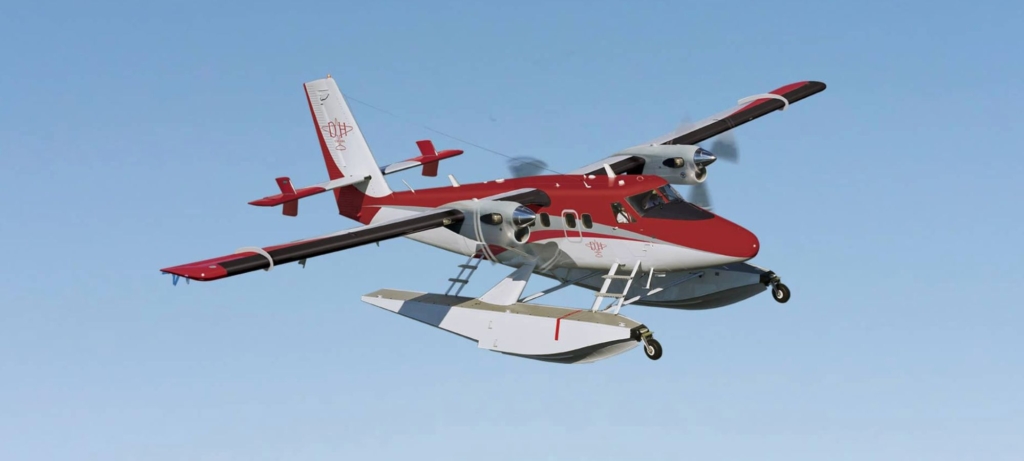
Economic and market pressures halted production of the Twin Otter until Viking Air revived production in 2008 after acquiring the type certificate. The manufacturer resumed operations under the De Havilland Canada name with the launch of its modernised DHC-6 Series 400.
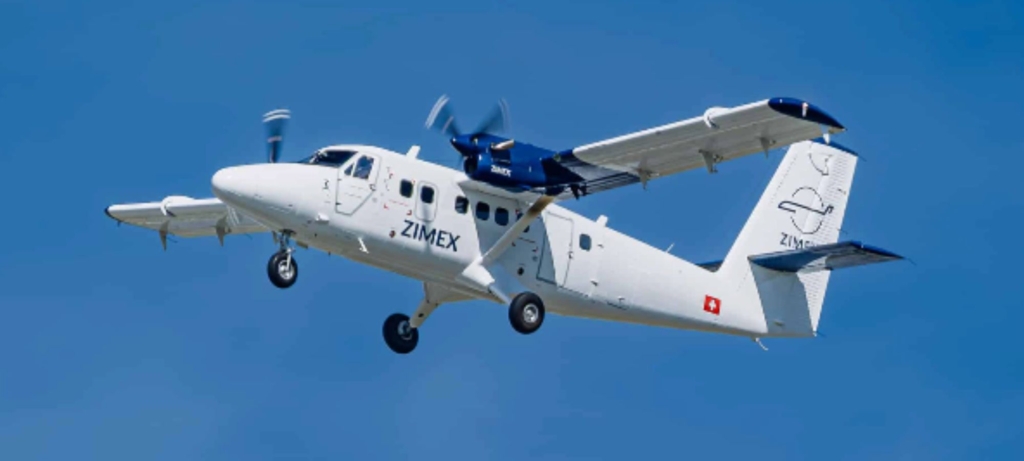
In 2025, De Havilland Canada’s current production model – the DHC-6 Twin Otter Classic 300-G was unveiled at Paris Air Show as a new variant to complement the Series 400, targeting customers who prioritise maximum payload and operational flexibility.
The 300-G features modern avionics, including the Garmin 1000 NXi integrated flight deck, lightened structure and cabin upgrades. It entered service with Switzerland-headquartered Zimex Aviation.
According to planespotters.net, as of 15 January 2026, Colombian state airline SATENA had three DHC-6 Twin Otters in its fleet, two of which are in service. Three more of the aircraft type are expected to be delivered this year, including MSN1000.
The delivery of the carrier’s second Twin Otter in March 2025 arrived in Bogota, Colombia, having made stops in Great Falls and Little Rock, Grand Cayman.
With typical passenger configurations of the Twin Otter seating between 18 and 20 passengers, the aircraft will be used to strengthen SATENA’s coverage in airports with limited air connectivity to boost commerce, tourism and regional integration.
Twin Otter orders grow as De Havilland Canada marks 1,000th aircraft
The last 12 months have seen multiple orders for De Havilland Canada’s Twin Otter model. During the Dubai Airshow in November, IndiaOne Air confirmed its intent to purchase up to 10 DHC-6 300-G aircraft.
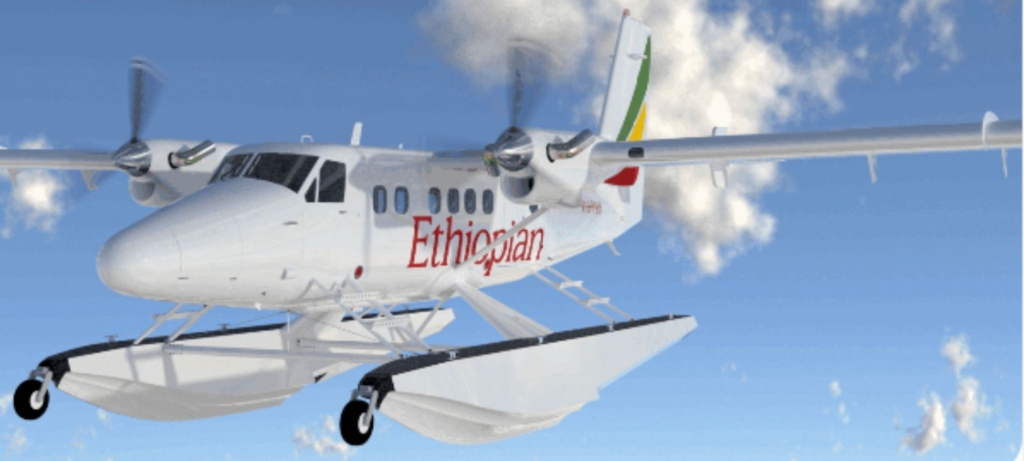
Meanwhile, in June, the Canadian manufacturer announced an order for one of its Twin Otter Classic 300-G aircraft to the US Air Force to be used in Guatemala, and Ethiopian Airlines ordered two of the aircraft type, underscoring its commitment to connect communities across diverse and remote regions of Ethiopia and East Africa
Featured image: De Havilland Canada