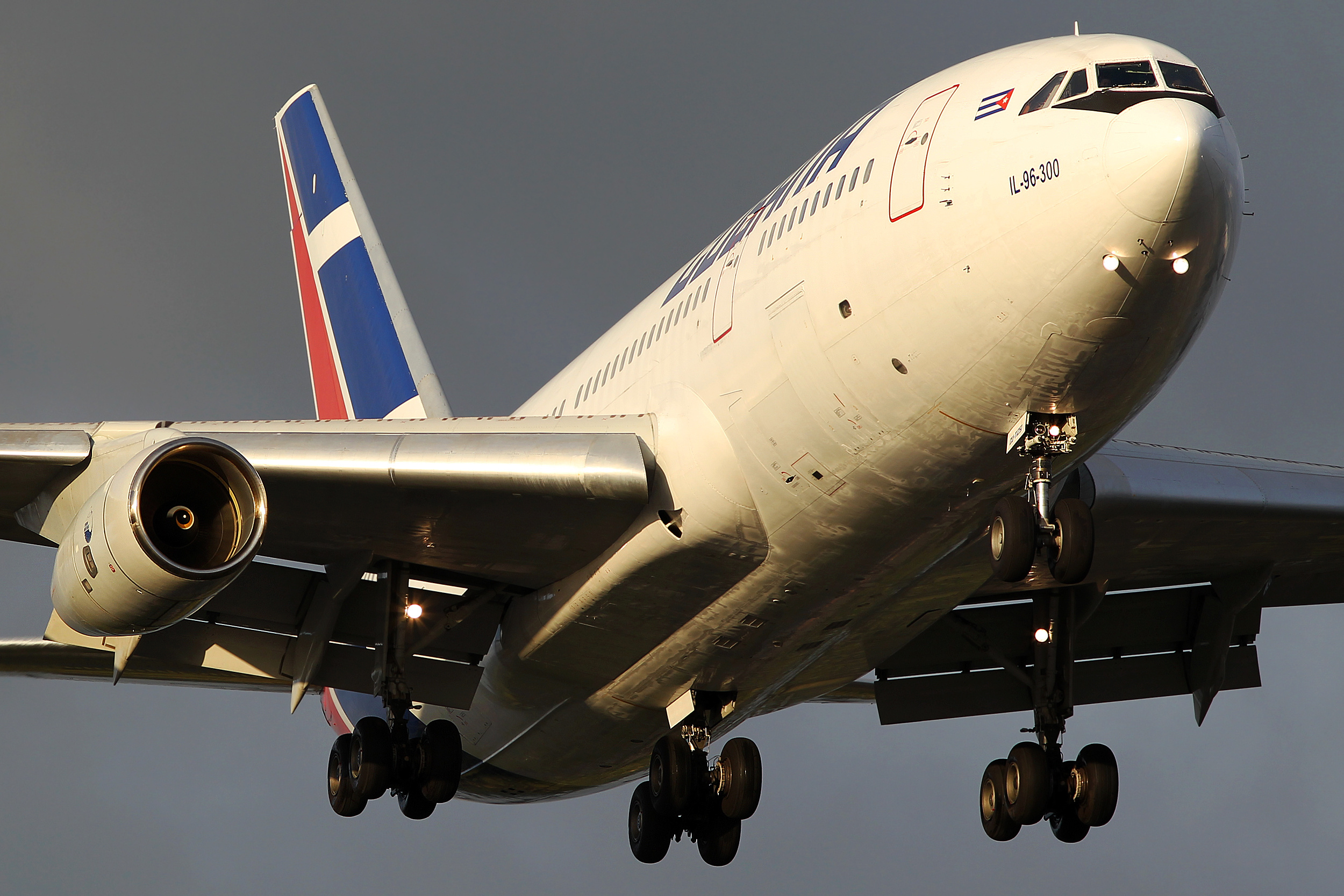
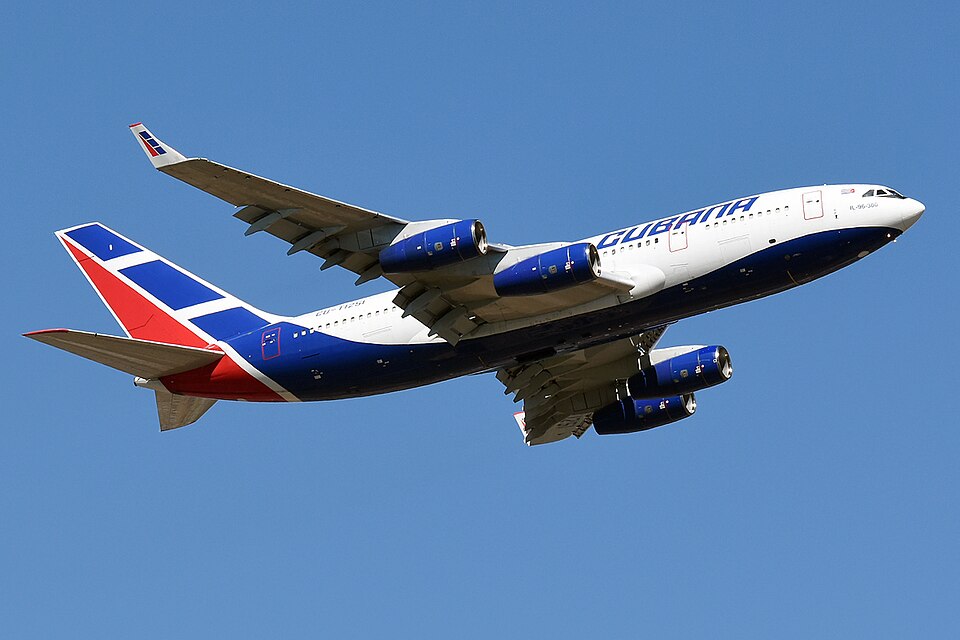
A rare Cubana de Aviacion Ilyushin Il-96 was seen holding off the Venezuelan coast earlier today after appearing to be denied permission to enter the country’s airspace, an unusual move that has raised questions about the flight’s purpose.
Ultimately, the aircraft did not enter Venezuela but turned back in the direction of Cuba.
Cubana de Aviacion Ilyushin Il-96 circles the coast of Venezuela
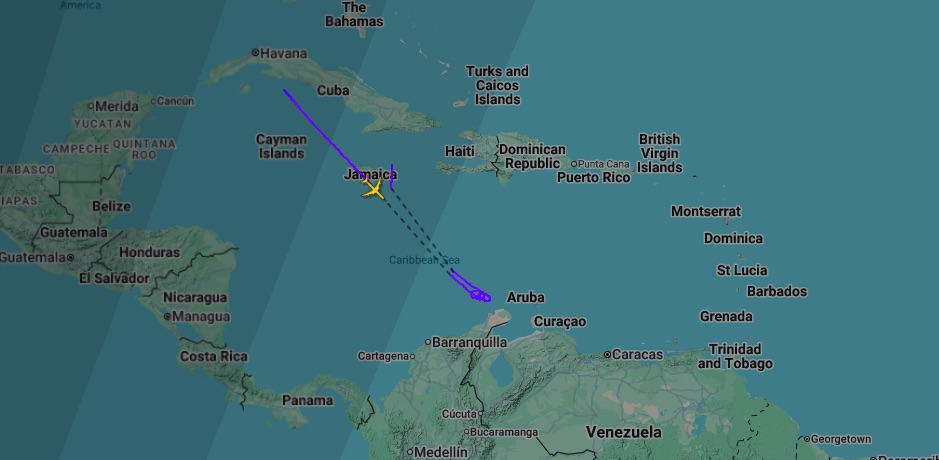
The flight took off from Havana at around 10:50 UTC (around 05:50 local time) and flew southeast, crossing Jamaica and the Caribbean Sea. Under an hour and a half later, the Ilyushin was approaching the coast of Colombia and preparing to cross into Venezuelan airspace.
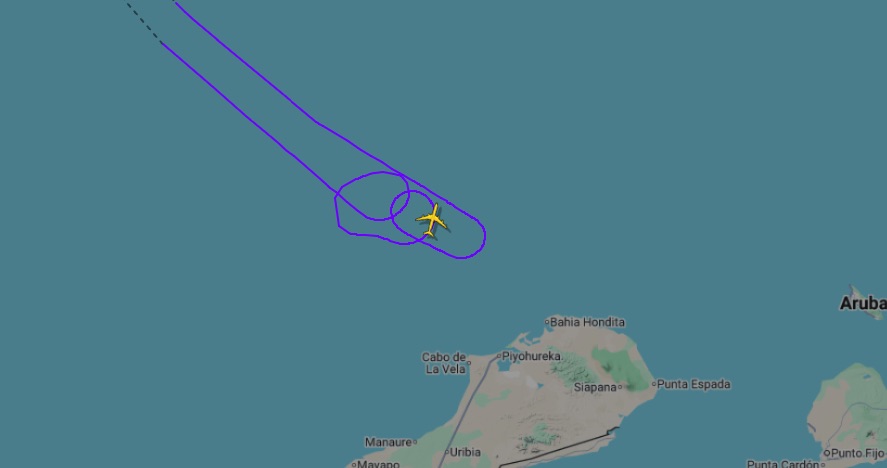
But it seems permission was not given, as the aircraft began a holding turn. It circled twice, holding for around 20 minutes, before making a turn and heading back the way it had come.
The aircraft was one of two Ilyushin Il-96s used by Cubana, with tail number CU-T1250. The other, with tail number CU-T1251, has been parked at Havana for some time. The aircraft seen today was only reactivated in October 2025 following a long maintenance visit to Belarus.
Why was Cubana de Aviacion flying to Venezuela?
The flight was unscheduled, and Cubana has no scheduled flights to Venezuela in the next few weeks. It was very unlikely to be carrying passengers.
According to news outlet 14ymedio, Cuba had planned a flight on Monday with the Il-96 to repatriate the bodies of 32 Cuban nationals who were killed in Saturday’s US operation to capture President Nicolás Maduro. The outlet said the plane “is full of military personnel and they are supposed to stay there.”
Reportedly, the operation was being carried out in complete secrecy, with the flight handled by military personnel rather than airport workers. At the time, the flight was scheduled to take off at 14:00 on Monday.
However, there is no record of the flight having taken off or any announcement from Havana of a successful repatriation of the bodies. Indeed, some sources say Cuba has told families it may not be able to repatriate the deceased at all.
It’s probable, therefore, that today’s flight was another attempt to repatriate deceased and wounded Cuban nationals from Venezuela, a mission that seems to have been denied.
Cuba’s ‘Black Wasps’ suffer a historical defeat in Venezuela
Following the weekend’s operation, the emerging view among analysts is that Cuba’s elite “Black Wasps” intelligence force, deployed to protect Maduro, suffered a severe defeat.
Cuba’s state newspaper Granma published the names and ranks of 32 Cuban agents who were killed while defending Fort Tiuna, the Caracas base used by Maduro and his wife Cilia Flores. These losses underscore Havana’s deep operational role in Venezuela’s security apparatus.

As part of the operation, the US Navy deployed assets, including the EA-18G ‘Growler’ electronic warfare aircraft, to disable air defences and radar networks. This created an opening for drone strikes and the insertion of helicopters from the Army’s 160th Special Operations Aviation Regiment (SOAR).
Elite Delta Force troops then engaged Cuban and Venezuelan forces in close combat. Venezuela has reported that at least 100 Cuban and Venezuelan military personnel were killed, while several US soldiers were wounded.
For now, the Il-96’s aborted approach stands as a quiet but telling signal of how sharply the balance has shifted for Cuba in Venezuela.
Featured image: photogoodwin / stock.adobe.com