Cuba bans foreign airlines from refuelling as jet fuel shortages hit airports

February 9, 2026
The Cuban government has announced that international airlines will no longer be able pick up fuel at any airport on the island as of 10 February.
The move comes as the island nation faces a critical shortage of aviation fuel, largely caused by the Trump administration’s threat of tariffs on any country that provides Cuba with oil.
Cuba bans foreign airlines from refuelling as fuel supplies run dry
On 8 February, the country’s government stated that the country faces an imminent threat to the amount of fuel it has in reserve, adding that reserves could be exhausted by the end of Monday, 9 February, prompting the ban to take effect the following day.
The effect is likely to be significant on airlines that operate into José Martí International Airport (HAV), the main international gateway serving the island, although other airports are also involved.
As reported by Spanish language media outlet EFE, the Cuban government has warned international airlines operating on the island that the country will run out of aviation fuel due to the US oil blockade. The kerosene shortage is expected to persist for the next month, with all nine of Cuba’s international airports affected.
The official NOTAM (Notice to Air Missions) from Cuban authorities to pilots and air traffic controllers specified that the kerosene shortage would affect all of Cuba’s international airports and that the notification was valid for one month, from February 10 to March 11.

According to the EFE, the NOTAM warning pilots of the unavailability of aviation fuel simply reads that Jet A1 aviation fuel is not available.
The affected airports include:
- José Martí International Airport (HAV)
- Juan Gualberto Gómez Airport (VRA)
- Jaime González Airport (CFG)
- Abel Santamaría Airport (SNU)
- Ignacio Agramonte Airport (CMW)
- Jardines del Rey Airport (CCC)
- Frank País Airport (HOG)
- Antonio Maceo Airport (SCU)
- Sierra Maestra Airport (MZO)
Airlines from the US, Canada, Spain, Panama and Mexico are likely to be hardest hit, as carriers from these countries are all regular visitors to the island’s main international gateway in Havana.
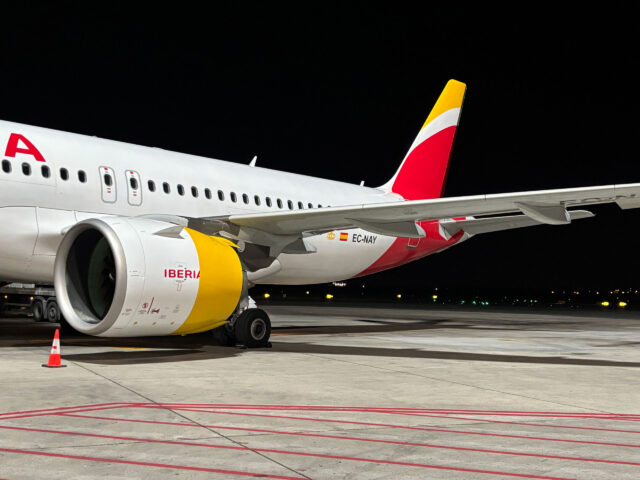
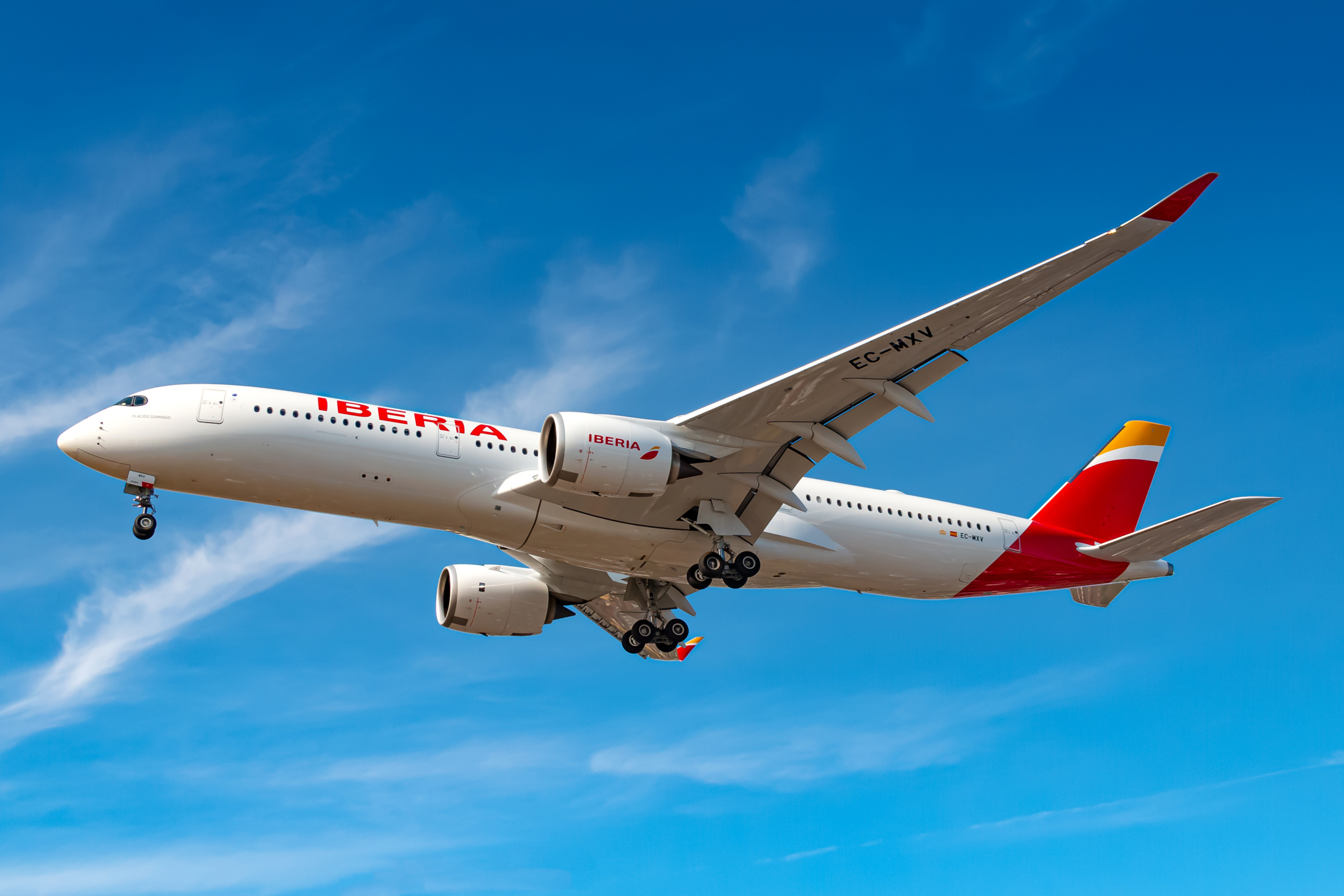
At the time of writing, no specific airline has explicitly stated how it intends to deal with the ban. Iberia’s four-time weekly flight from Madrid (MAD) to Havana was due to leave on time on 9 February, although the ban will come into effect the following day.
How US tariffs triggered Cuba’s aviation fuel shortage
As reported by CNBC, at the end of January, President Trump issued an executive order stating that the Cuban government constituted “an unusual and extraordinary threat,” which required a national emergency declaration.
The US president added that Cuba’s ties to countries including China, Russia and Iran, as well as human rights violations and communist leadership, destabilise the region “through migration and violence.”
As a consequence of the announcement, Trump said that the US would look to immediately impose tariffs on countries that provide any oil to Cuba, whether directly or indirectly.
In response, Cuba’s Foreign Minister Bruno Rodríguez Parrilla said that the country’s leadership condemned Washington’s tariff threats in the “strongest possible terms.” He also accused the US government of resorting to “blackmail and coercion in an attempt to make other countries join its universally condemned blockade policy against Cuba.”
What Cuba’s refuelling ban means for international airlines
The majority of international flights serving Cuba originate from airports in Florida, including Miami (MIA), Tampa (TPA), and Fort Lauderdale (FLL). Elsewhere, there are daily flights to the island from Madrid in Spain, Panama City (Panama), and Mexico (Mexico City, Merida, Cancun).
Cuba also has regular connections with Bogotá (Colombia), Santo Domingo (Dominican Republic) and Caracas (Venezuela), among other Latin American capitals.
As many of these flights are relatively short, airlines may be able tanker round-trip fuel from their point of origin. Tankering is where aircraft carry enough fuel to complete both the outbound and return legs of their journey without needing to refuel.

Although it costs additional fuel to carry the round-trip fuel required, it may be the only way of continuing non-stop operations without a requirement to divert and refuel elsewhere.
For the longer flights, such as those from Spain, round-trip tankering of fuel is not feasible. Airlines such as Iberia, World2Fly and Air Europa, which all operate regularly from Madrid to Havana, will either have to divert to refuel elsewhere or cancel services altogether.
Fuel shortage adds pressure to Cuba’s aviation and tourism industries
The ban on refuelling could cause further harm to the already beleaguered aviation and tourism sectors in Cuba.
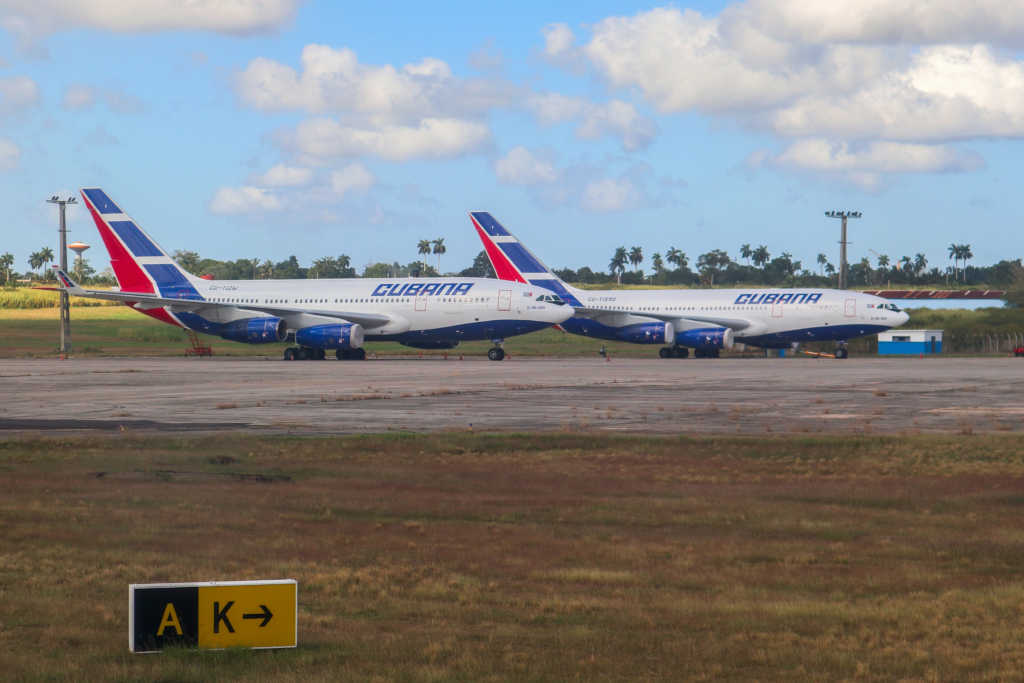
With its own domestic airline, Cubana, only managing to operate a small number of services due to a depleted fleet caused by international sanctions, the country has become more reliant on international airlines to bring in foreign carriers and overseas travel dollars into the country’s embattled economy.
Cuba’s tourism sector has suffered since the pandemic, with the number of overseas visitors falling significantly. In 2019, the island welcomed 4.6 million overseas visitors, a figure that had dropped to less than 2.2 million in 2025.
In addition, the fuel shortages in Cuba are leading to blackouts across the island, making foreign travel to the country unattractive and unpredictable.
With the ban on uplifting aviation fuel in place for a month at least, this will likely cause the country further harm as it struggles to stabilise its economy and resurrect its economic position on the world stage.
Featured image: Lukas Wunderlich / stock.adobe.com