Top 3 aircraft interiors innovations to make flying greener

February 21, 2026
The Crystal Cabin Awards 2026 include three finalists in the sustainable cabin category, who have developed practical product solutions to help make flights greener.
The three sustainable cabin finalists focus on circularity
Sustainability is a key priority for commercial aviation, with airlines committed to achieving a net-zero carbon footprint in their operations.
While much of the focus on sustainability goes to increasing the production of sustainable aviation fuels, developing electric aircraft and hydrogen propulsion systems, and advancing more sustainable clean-sheet aircraft designs, all of these will take time to deliver. Improvements inside the aeroplane can contribute to sustainability much sooner.
The finalists in the Crystal Cabin Awards 2026 sustainable cabin category have presented products that feature lightweight designs, reducing fuel burn and related emissions.
They also employ recycled, bio-based materials and circular design to reduce the lifecycle environmental impact of aircraft interiors, long after these parts have been removed from the plane. At the same time, these products are practical, addressing airlines’ functional requirements with aesthetics that are sure to please passengers.
RECARO Aircraft Seating presents The R Sphere—Sustainability Concept Seat
RECARO’s R Sphere seat is a modular aircraft seat that saves around 1.5 kg per passenger, reducing CO₂ emissions by around 55 tons annually per single-aisle aircraft.
The seat is made with sustainable materials, including dress covers made from recyclable eco-fabric, literature pockets from reclaimed fishing nets, inlays crafted from real wood, and backrests made from a sugarcane-based composite. It features luxurious tactile surfaces that enhance the passenger experience.
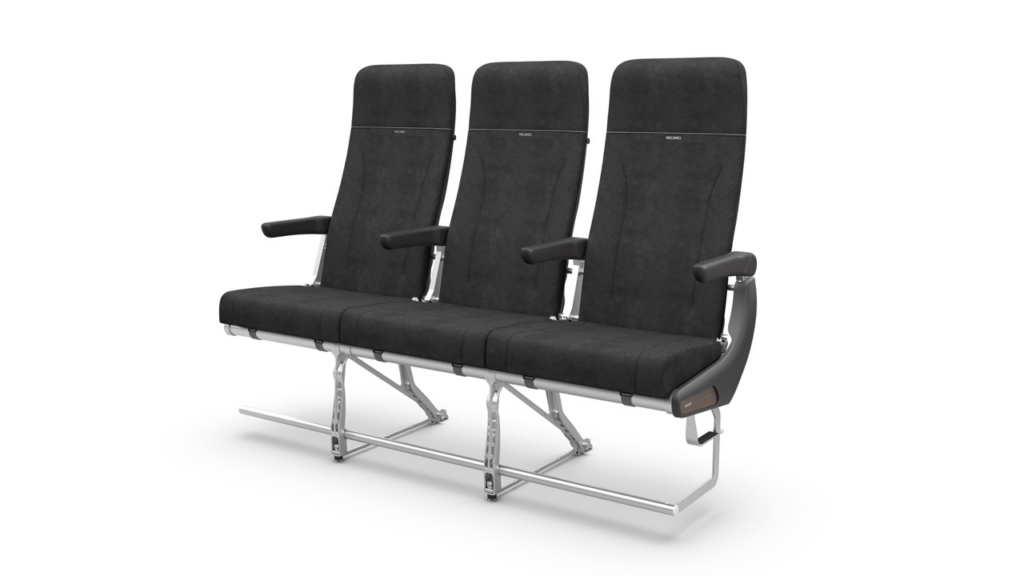
The seat has fully modular components, simplifying repairs, including separable, recyclable dress covers, to minimise waste and extend the seat’s lifecycle, keeping it in service longer. It is also designed to be easier to clean, helping airlines keep their cabins tidy even during shorter aircraft turn times.
R Sphere has undergone proof-of-concept trials with RECARO’s airline partners and is progressing toward regulatory certification.
Testori earns a nomination for its plant-based fibre textile system
Italian specialist mill Testori Textiles earned its nomination as a Crystal Cabin Awards 2026 finalist with its plant-based fibre textile system, developed for seat covers, curtains, and vertical surfaces in aircraft cabins.
Aircraft interiors use many textiles, all of which must pass stringent flammability testing to ensure cabin safety. Materials cannot rapidly propagate flame; instead, they must extinguish quickly without emitting toxic smoke.
Wool has proven to be a reliable material over the decades due to its natural flame-retardant properties. Suppliers have also developed synthetic materials treated to meet the flame test requirements. Finding alternative, sustainable plant-based fabrics for the industry that are equally flame-retardant is no easy feat.
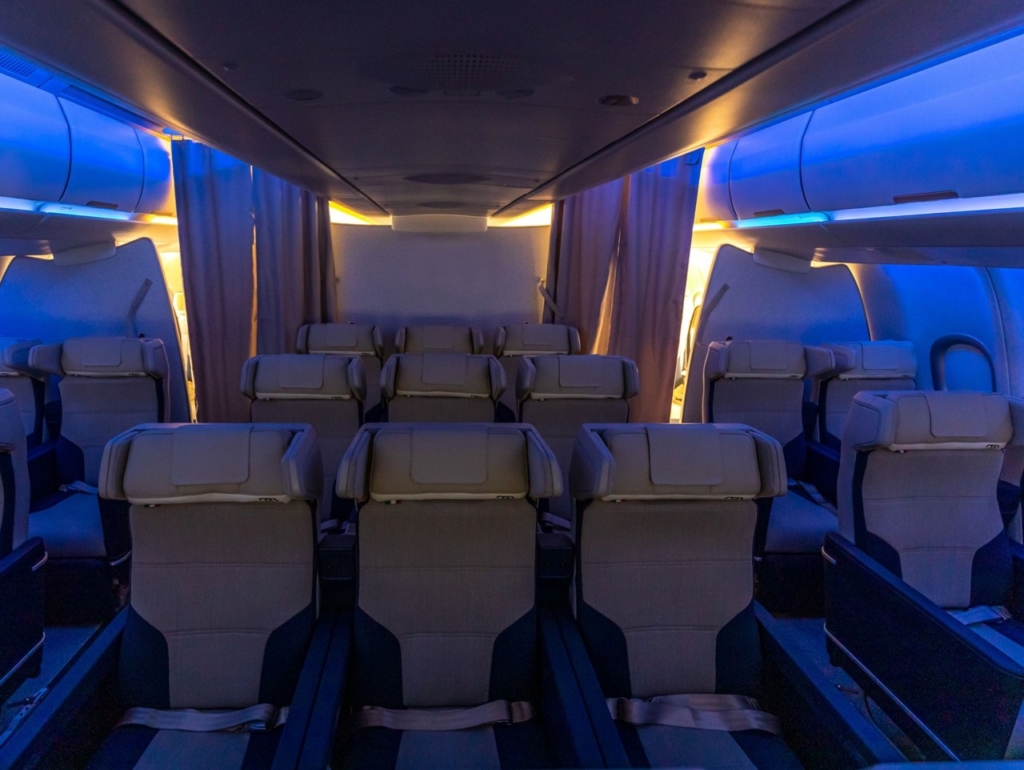
Testori has met the challenge of developing cotton-based materials that meet the same technical, aesthetic, and flame-retardant standards as synthetic or animal-based fibres. They contribute to product circularity (since cotton is naturally biodegradable), reducing the environmental footprint.
“Our plant-based fibre technology redefines cabin textiles—offering airlines a real, certified alternative to fossil-based materials, while enhancing passenger comfort and brand storytelling,” Testori states in its Crystal Cabin Awards application.
ZIM rounds up the sustainable cabin finalists with seats made of wood
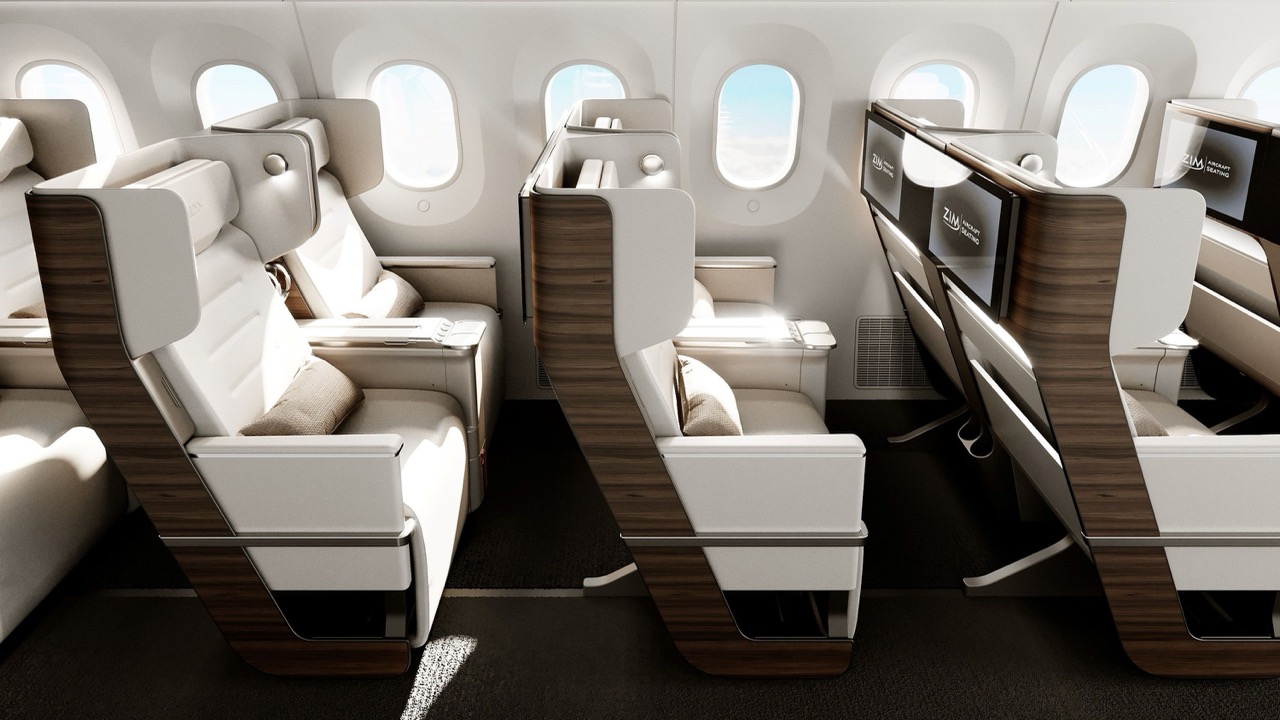
ZIM Aircraft Seating has introduced The Frame, a new generation of aircraft seats that use modular, repairable wood components designed for durability and low maintenance.
Wood is an attractive natural material with pleasing aesthetic and tactile properties, but the same flammability requirements apply to all cabin components, and wood burns readily. This has largely led the commercial airline industry to avoid wood materials. Flame-resistant wood veneers—most often used in the VIP cabins of business jets—are expensive.
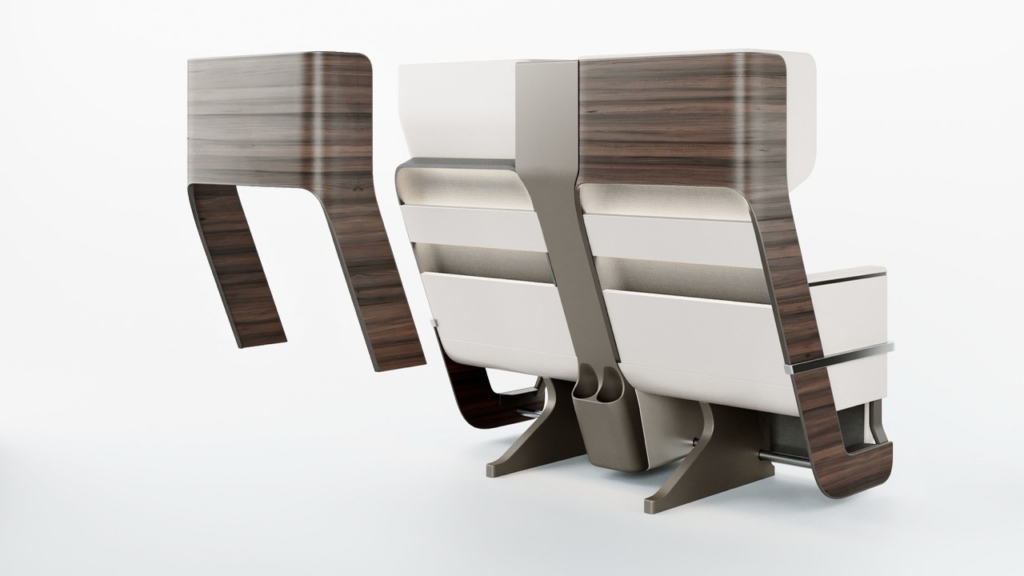
In The Frame, ZIM uses laminated wood elements that reduce the use of synthetic materials, lowering the seat’s overall weight and reducing aircraft fuel consumption. The material’s natural properties support recycling at the end of life.
“The rigid frame, crafted from moulded wood, sets new standards for comfort, individuality and premium aesthetics in aviation interiors. Scratch-resistant surfaces provide a warm, tactile feel and a visually appealing environment,” the manufacturer states in its Crystal Cabin Awards application.
Crystal Cabin Awards 2026 winners will be announced during the Aircraft Interiors Expo
The Crystal Cabin Awards recognise innovative aircraft interiors concepts across eight categories: accessibility, cabin concepts, passenger comfort, cabin technologies, in-flight entertainment and connectivity (IFEC)/digital services, sustainability, breakthrough start-ups, and university submissions.
Judges will select the winners for each category in a final vote at the Aircraft Interiors Expo (AIX) in Hamburg. Trophies for the top innovations are awarded at a gala ceremony on the evening of April 14, during AIX.
Featured Image: ZIM Aircraft Seating