Iran conflict travel chaos: What your insurance really covers if flights are disrupted

April 8, 2026
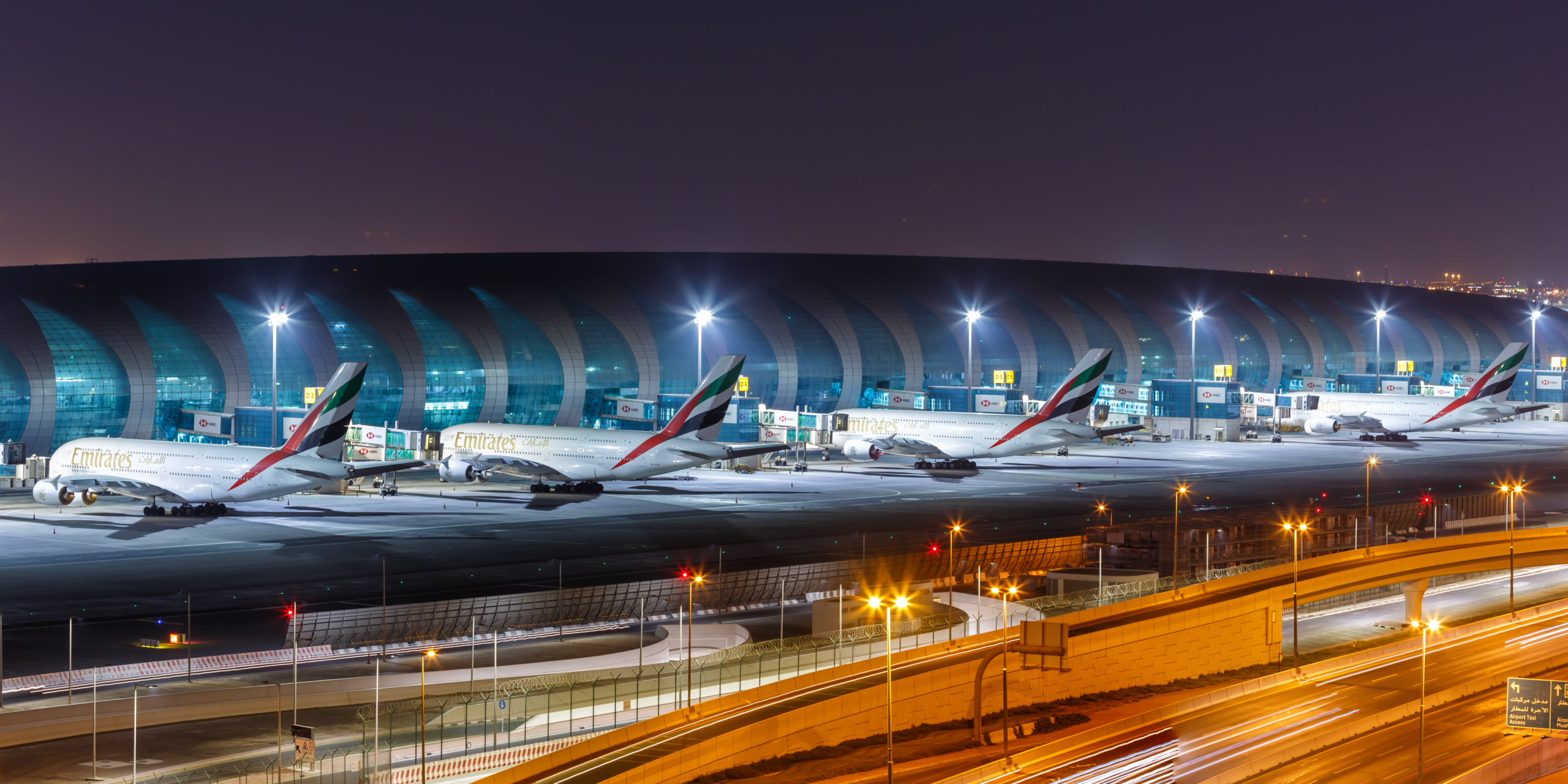
The conflict in Iran has upended global aviation, with airlines worldwide adjusting routes or trimming schedules amid high airspace risks and spiking fuel prices.
For travellers, the bigger concern is covering the added costs of disrupted itineraries. As reported by Condé Nast Traveller, travel insurers in the UK have seen a surge in customers seeking policies as the conflict escalates, with holidaymakers wanting to prepare for unforeseen circumstances.
The key questions airline passengers currently face are simple: Will my insurance cover cancellations? Can I change my flights? And what happens if I miss a connection?
Here’s what travellers need to know.
Does travel insurance cover flight disruptions caused by war or conflict?
Unfortunately, standard travel insurance policies may not cover disruptions caused by war or military conflict.
Most policies include “war exclusions,” which limit payouts for cancellations, delays, or trip interruptions directly caused by geopolitical events.
That means if an airline cancels or reroutes a flight due to airspace risks related to the conflict, travellers may find that their insurance does not automatically cover replacement flights or accommodation.
However, policies vary widely. The safest approach is to carefully review your policy wording and contact the insurer to ensure coverage before making any changes to your travel plans.
What travel insurance add-ons cover flight cancellations during conflicts?
Some travel insurance companies provide additional coverage with high-risk travel insurance policies. Insurers may also offer Cancel for Any Reason (CFAR) and Interruption For Any Reason (IFAR) coverage as add-ons, which can help offset some disruption costs.
CFAR may provide at least partial reimbursement of your non-refundable costs if you cancel your trip for any reason. IFAR will allow you to cut a trip short when you need to return home sooner.
However, the availability of both of these insurance add-ons has “foreseeable event” limitations. Travellers can get CFAR or IFAR coverage before a conflict is confirmed or widely known, but once it becomes public knowledge, neither of these additional coverage options may be available.
Insurance limitations are tricky, even for those offering coverage. As Insurance Business reports, “Wordings around war, terrorism and airspace closures need to be unambiguous and supported with plain-language explanations, including examples of both covered and excluded scenarios.
Distributors, particularly online travel agents and aggregators, may need to improve how they explain CFAR and IFAR options, including the narrow window in which they can be purchased and the limits imposed by foreseeability.”
Some travellers may still be covered in certain circumstances, particularly if the disruption is classified as secondary to the conflict, such as a standard operational delay impacting an alternate flight outside the conflict zone, rather than a war-related delay or flight cancellation.
Travel insurance can still protect you against other issues that may arise during a trip, such as medical emergencies or lost baggage.
When airlines or governments cover cancellation costs
During conflicts, governments, airports and airlines may help stranded travellers cover their costs while they wait for a recovery flight. Insurance coverage may only apply once these other potential sources of emergency coverage are exhausted.
So, if your hotel stay or meals are covered by the government, the airport, or the airline, then your travel insurance may not accept claims for these items.
Can I cancel my flight and get a refund?
Whether you can cancel your flight and recover your money depends on the type of ticket you hold and who cancels the flight first.
If the airline cancels your flight, passengers holding non-refundable tickets are usually entitled to either:
- A full refund, or
- Rebooking on an alternative flight.
Many airlines also introduce temporary travel waivers during major disruptions, allowing passengers to change travel dates without additional fees.
But if you voluntarily cancel the trip because you are worried about the conflict, airlines often treat it as a standard cancellation. In that case, refunds may not be available on non-refundable tickets.
Travellers who don’t hold fully refundable tickets should wait until the airline cancels the flight rather than cancelling their booking in advance.
What happens if I miss a connecting flight?
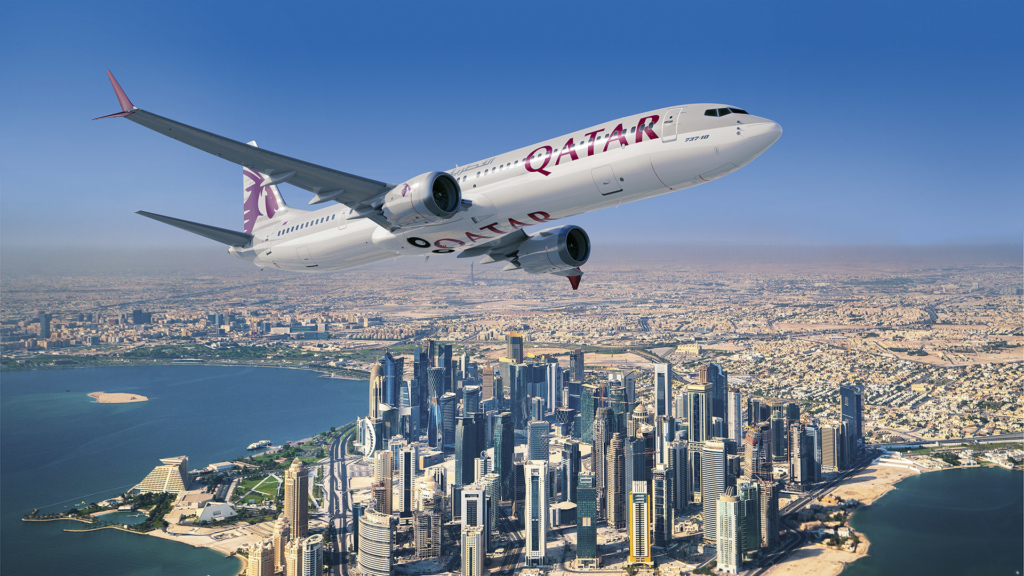
Missed connections are one of the biggest risks when airlines reroute or delay flights. With the Iran conflict disrupting connections through major Gulf hubs, including Dubai, Abu Dhabi, and Doha, and airlines making alternative arrangements at hubs outside the conflict region, missed connections are a risk.
If you have booked all your flights on a single ticket or itinerary, the airline is normally responsible for getting you to your final destination. Airlines will usually rebook travellers who miss a connection due to delays or cancellations automatically.

The situation is more complicated for passengers who book separate tickets with different airlines. In that case, the second airline may treat the missed connection as a “no-show,” meaning the passenger could lose the ticket entirely.
Travel insurance sometimes covers missed connections, but again, the details depend on the policy wording.
Why is travel insurance demand rising?
The heightened interest in travel insurance is understandable given the current uncertainty impacting aviation. Travellers may be in a rush to buy coverage after disruptions begin, though that may be too late.
Insurance typically only covers events that occur after the policy is purchased. In other words, buying insurance after a conflict is underway may not guarantee coverage for that specific event.
How to prepare for flight disruption before you travel
Travellers should take a few simple steps ahead of an upcoming flight to ensure they are protected.
- Check government travel advisories. Governments will usually warn their citizens in advance when they receive intelligence that travel will be unsafe. For example, the UK Foreign, Commonwealth & Development Office (FCDO) regularly updates its travel advice pages by country. Take note: travelling against official warnings can invalidate insurance policies entirely.
- Monitor airline communications. Carriers often introduce flexible rebooking policies during major disruptions. Check your airline’s official channels and download your airline’s app to keep up to date on your itinerary.
- Avoid cancelling too early. Waiting for the airline to cancel may preserve your right to a refund or rebooking.
- Review your travel insurance. Look closely at sections covering war exclusions, trip interruption and missed connections.
- Turn to government and other aid in an emergency. While insurance coverage may be limited by conflict clauses, there may be other sources of support available including from governments, airports and airlines.
Travel advice: What to check before changing your flight plans
Travellers should also monitor the news for signs of potential problems arising for their trip, and choose the appropriate level of travel insurance coverage in advance, providing some protection if a conflict arises later.
Although airlines have begun adjusting schedules as the Iran conflict affects airspace and fuel markets, most travellers will feel the impact through uncertainty rather than direct cancellations.
Understanding how government travel advisories, airline policies and travel insurance work can make a major difference when plans change.
For now, the best strategy is simple: stay informed through official channels, monitor your flight status and read the small print before making any decisions about your trip.
Featured Image: Markus Mainka / stock.adobe.com