Clean Aviation officially launches four projects to advance next-gen regional aircraft by 2035

February 20, 2026

ATR, Pratt & Whitney, and Safran Electrical & Power are spearheading new concepts to accelerate low-emission regional aviation.
As part of the European Union’s Clean Aviation initiative – a joint undertaking that funds research and innovation to develop low- and zero-emission aircraft technologies – four projects have officially launched a five-year collaboration to help build the next generation of ultra-efficient regional aircraft.
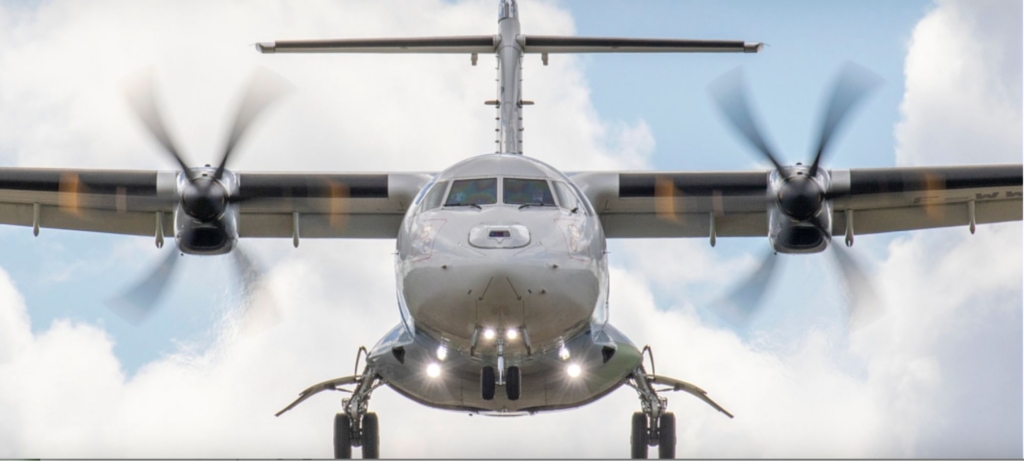
Two of the projects, HERACLES and DEMETRA will be led by leading French regional aircraft manufacturer ATR, while PHARES will be led by Pratt & Whitney Canada, and OSYRYS will be coordinated by Safran Electrical & Power.
What is Clean Aviation?
As part of the EU’s climate goals and the European Green Deal, Clean Aviation aims to significantly reduce aviation’s CO2, NOx and noise emissions by accelerating the transition to more sustainable air transport. The goal is to push the boundaries of electrification while ensuring safety, performance and reliability.
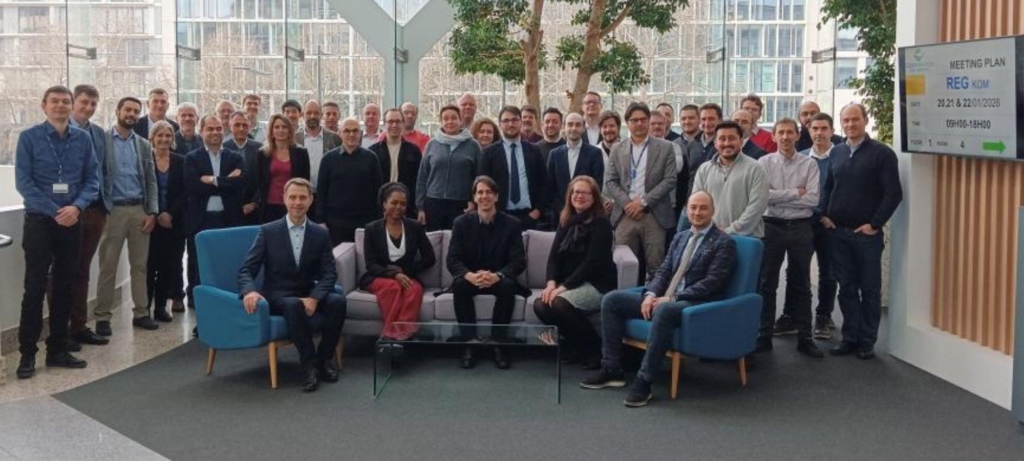
The four projects in the initiative share a common objective: to achieve a hybrid-electric flight demonstration that will validate technologies contributing to the overall objective of 30% CO2 reduction.
ATR’s role in the Clean Aviation initiative
Coordinated by ATR, HERACLES defines the ultra-efficient regional aircraft concept, while DEMETRA ensures flight demonstration and validation of the concept. Meanwhile, PHARES will focus on the development of the hybrid-electric propulsion system and OSYRYS has been tasked with developing electrical power generation and distribution solutions, as well as thermal management and Avionics solutions for energy management.
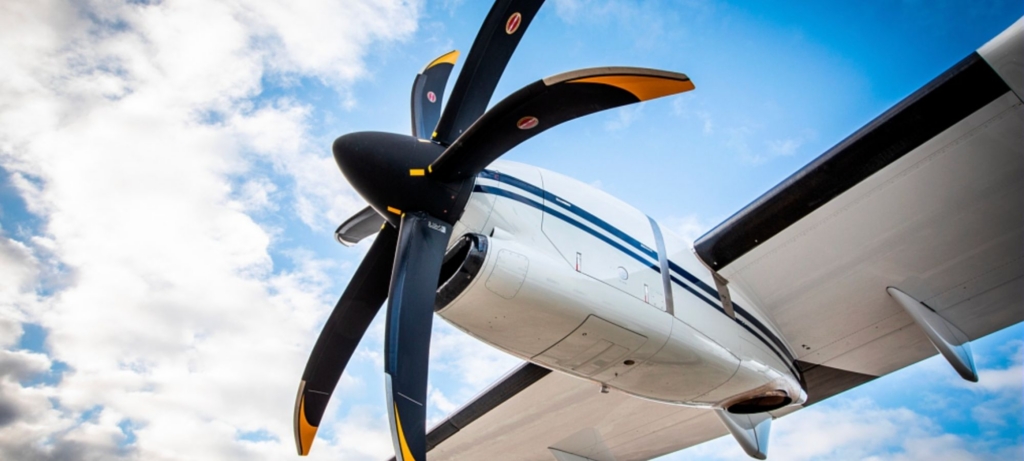
“Net zero is a combination of different paths and initiatives, one of which is technological innovation,” Marta Sabin Miralles de Imperial, Market Strategy Director at ATR told Aerospace Global News during Connect Aviation in Lublin this week.
“ATR is delighted to have been selected to lead two programmes – HERACLES, targeted at creating a sustainable low-emission aircraft by 2035 and DEMETRA, the demonstrator of the programme,” Miralles de Imperial continued.
“We will be able to develop aircraft design and architecture. We are working alongside partners across the sector, including Pratt & Whitney on propulsion and Safran on electrical technology integration and battery power to create a hybrid-electric aircraft. This aircraft will be demonstrated in flight by 2030 and will deliver at least at least 30% less emissions than current technologies.”
How Safran Electrical & Power is powering the future of regional aviation
The OSYRYS consortium, comprised of 24 partners including Safran, Airbus, Collins, Liebherr, Thales will develop electrical power generation and distribution systems. These are essential for powering and controlling new hybrid-electric architectures, reducing carbon emissions and supporting the seamless integration of new propulsion systems.
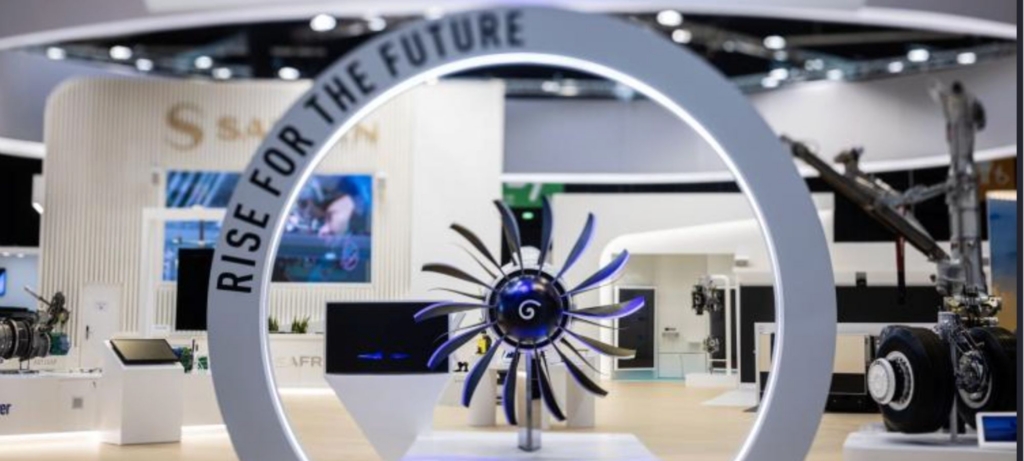
Describing OSYRYS as a “crucial project for the regional stream”, Jaime Perez De Diego, Clean Aviation Joint Undertaking Project Officer, said it will provide “paramount power distribution and cooling solutions for the hybrid-electric flight demonstration platform and the next ultra-efficient regional aircraft expected to enter into service in the next decade.”
Clean Aviation marks a first for Pratt & Whitney Canada
Marking the first time a Canadian company has been selected to participate in and lead a Clean Aviation programme, Pratt & Whitney Canada’s president, Maria Della Posta, previously said: “hybrid-electric propulsion and electrified aircraft systems are key parts of RTX’s technology roadmap for optimising performance and enhancing fuel efficiency across multiple future aircraft platforms. PHARES represents a transformative opportunity to demonstrate the potential for regional aviation.”
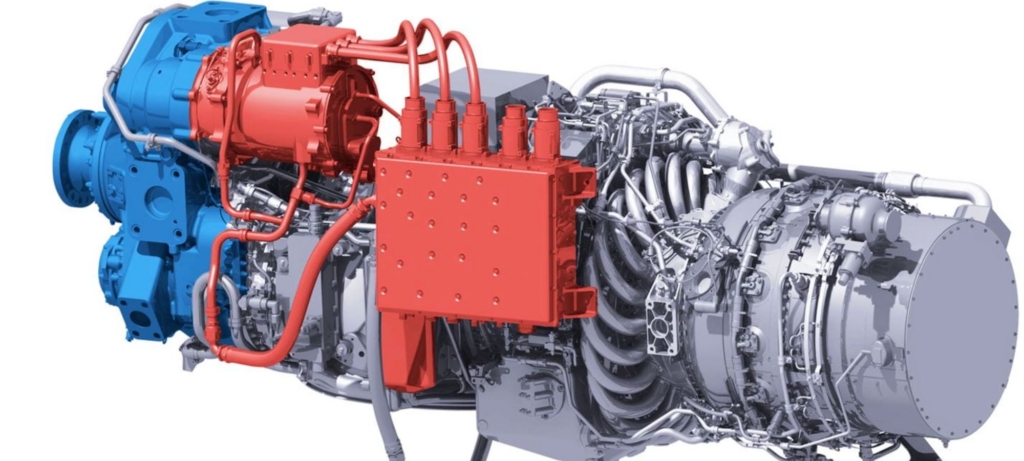
With all four projects now entering their implementation phase, their collaborative efforts will play a critical role in advancing aircraft design, validation and certification, paving the way for the next generation of ultra-efficient regional aircraft to enter service by 2035.
Featured image: Adobe stock