Civil Air Patrol: The world’s largest fleet of Cessna aircraft is getting even bigger

December 16, 2025
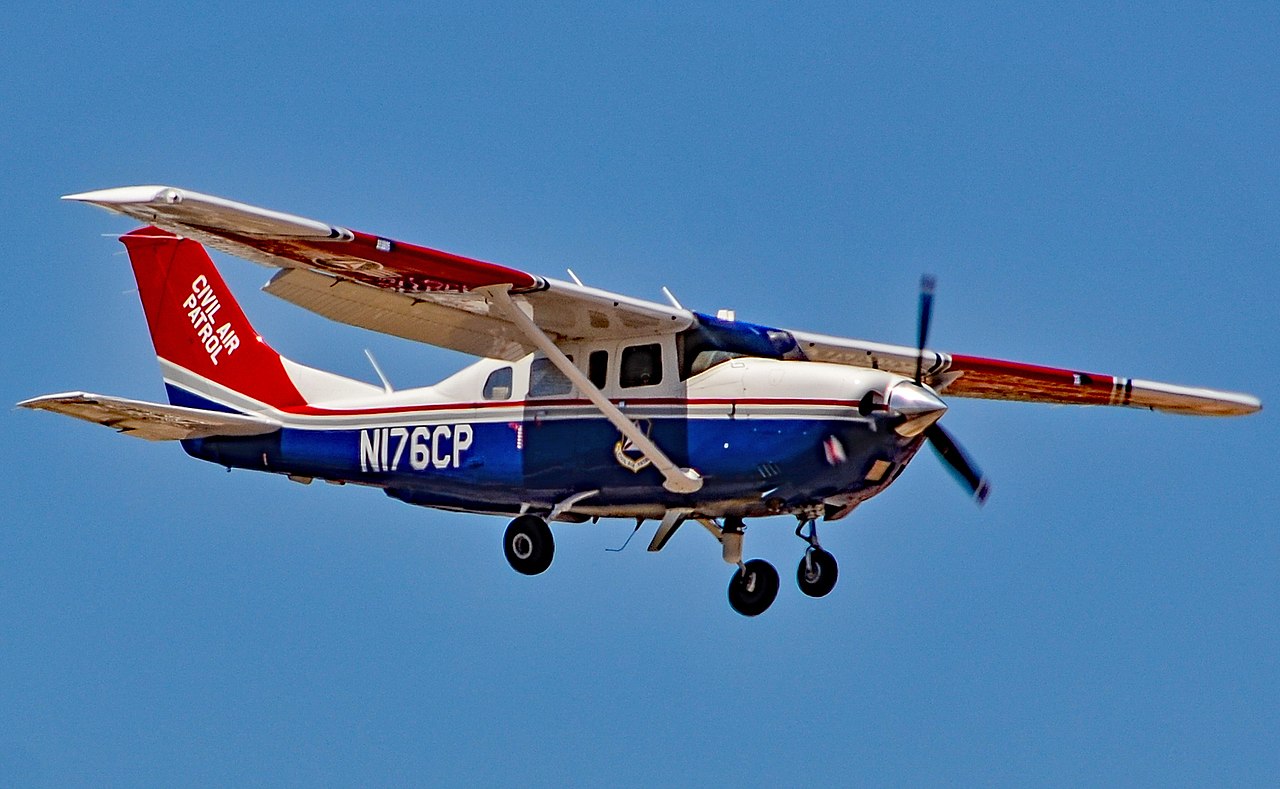
The US Air Force (USAF) Civil Air Patrol, based at Maxwell Air Force Base in Alabama but with locations distributed throughout the United States, has ordered a further 15 Cessna piston-engined aircraft to add to its fleet.
The aircraft on order will bring the non-profit organisation’s total fleet to over 500 aircraft, assisting in tasks related to emergency services, search & rescue, disaster relief, aerospace education, and youth development, as well as supporting USAF missions.
Civil Air Patrol orders 15 more Cessna single-engined aircraft
On 15 December, Cessna, part of Textron Aviation, announced that Civil Air Patrol (CAP), the world’s largest operator of Cessna aircraft, would strengthen its national mission capabilities with an order for 15 additional piston-engine aircraft.
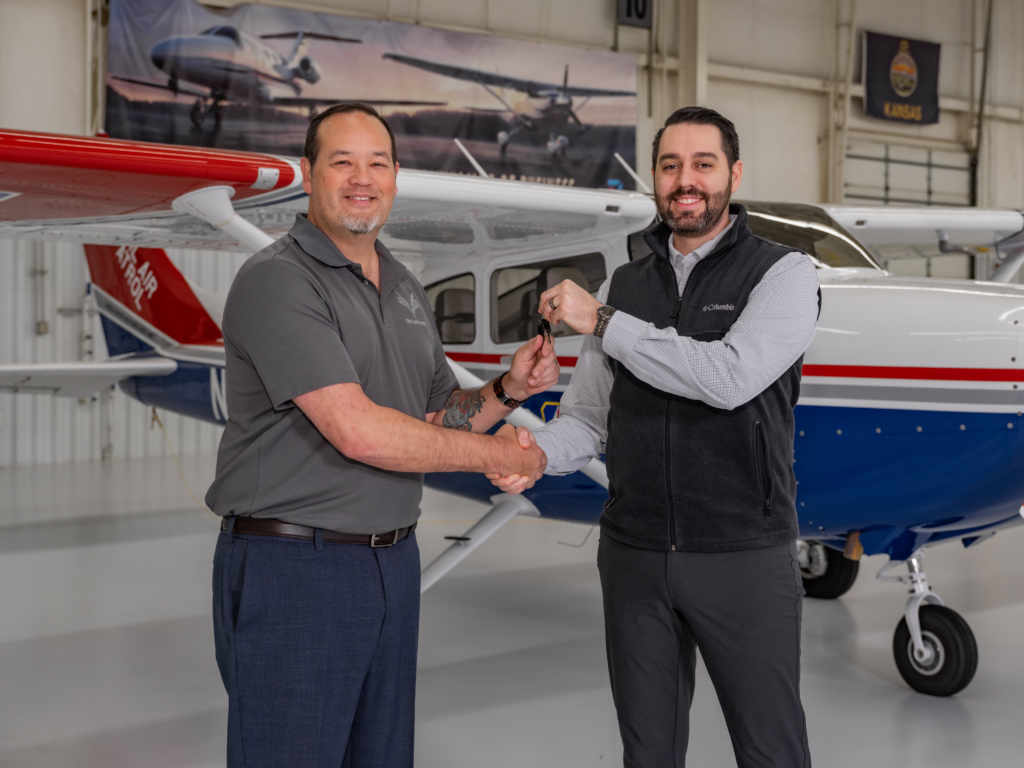
The order includes a requirement for seven additional Cessna 172 Skyhawks and eight Cessna 182 Skylanes. The new aircraft are scheduled to be delivered to CAP in 2026 and will be distributed around the 52 sites from which CAP operates throughout the US.
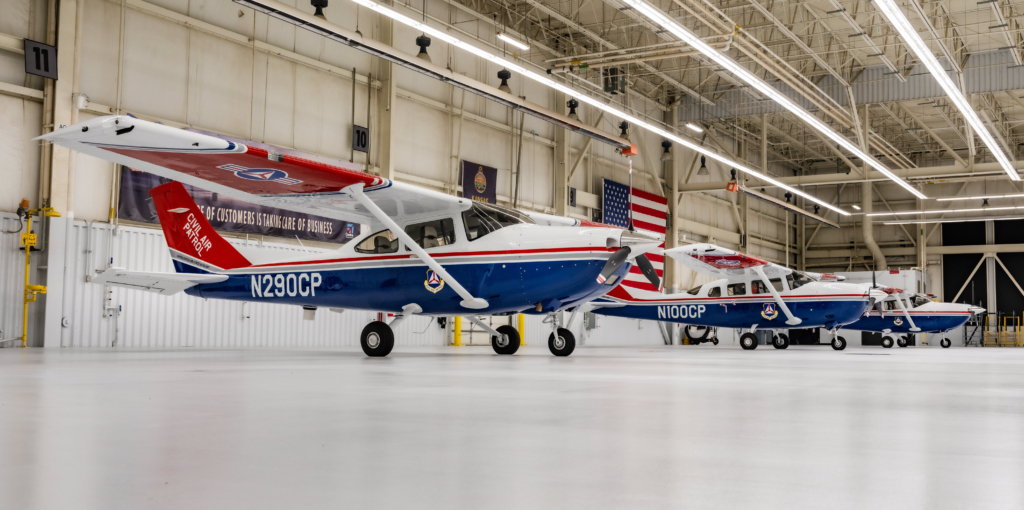
The 15 new aircraft are in addition to two Cessna Skylanes and one Cessna Turbo Stationair HD that were recently delivered to CAP. These deliveries, along with the new aircraft, will bring the total nationwide fleet of Cessna aircraft operated by CAP to over 500 aircraft.
Supplementing CAP’s mission capabilities
The CAP Cessna-built aircraft are all powered by a single piston engine and accommodate a crew of between four and eight. The aircraft can offer a range of between 600 and 800 nautical miles with varying payloads, depending on the number of passengers on board.
“These new aircraft strengthen our ability to respond quickly, train effectively and support communities nationwide,” said Major General Regena Aye, National Commander and CEO of CAP.
“These new aircraft strengthen our ability to respond quickly, train effectively and support communities nationwide,” she added. “Textron Aviation has been a steadfast supporter in helping us fulfil our mission to serve and protect.”
CAP’s achievements during 2025
According to a Cessna statement, in 2025 alone, CAP has flown more than 100,000 hours with its exclusively Cessna-based fleet, carrying out over 400 search and rescue missions.
The organisation has recorded over 200 ‘finds’ through performing those missions and has saved at least 36 lives as a result.
“CAP’s missions demand aircraft that are reliable, versatile and ready to perform in critical moments,” said Bob Gibbs, vice president, Special Missions Sales at Cessna. “We’re honoured that CAP continues to choose Cessna aircraft to support life-saving operations across the country.”
What is the Civil Air Patrol?
Civil Air Patrol is the congressionally chartered civilian auxiliary of the US Air Force (USAF) and a volunteer-based national service organisation. It has, at its core, a commitment to “serving America’s communities, saving lives and shaping futures.”
CAP has thousands of trained aircrew and ground volunteers operating across 52 wings in all 50 US states, including Puerto Rico in the US Virgin Islands, and the District of Columbia. It also has a presence in more than 1,400 communities worldwide.
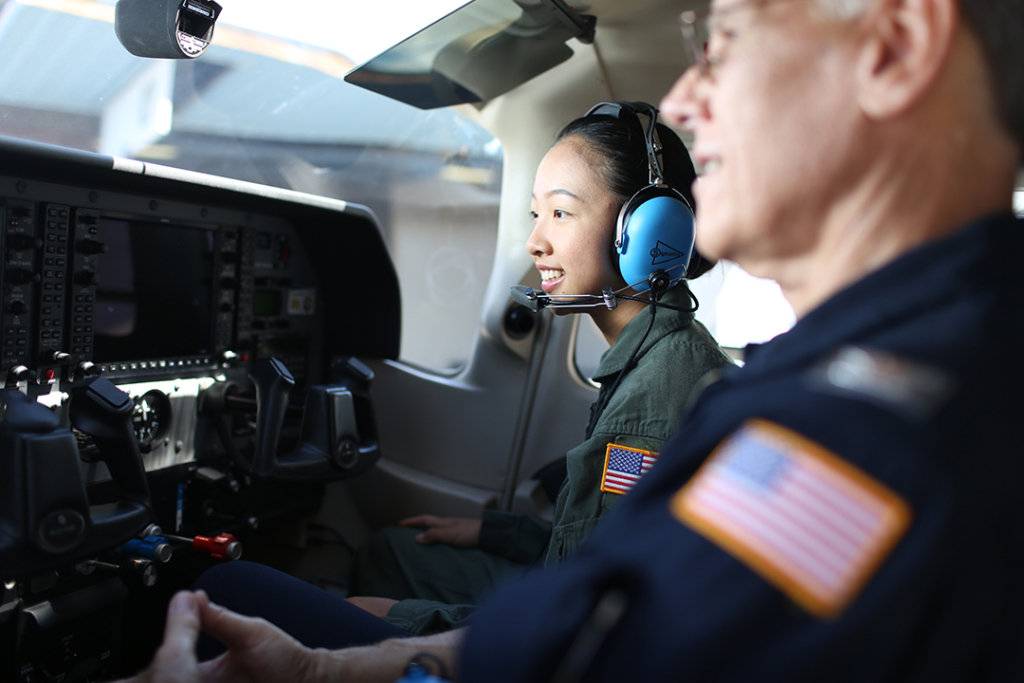
CAP uses a versatile fleet of small aircraft, ground teams and cadet programs to deliver search and rescue support, disaster relief and humanitarian support tasks, as well as perform USAF-assigned missions. The CAP website states that the organisation also helps “foster aviation awareness and leadership skills among young people.”
CAP’s specialist capabilities
According to the USAF, the CAP’s mission is “supporting America’s communities with emergency response, diverse aviation and ground services, youth development and promotion of air, space and cyber power through aerospace education.”
CAP serves as an auxiliary air services supplier for military, civil and government agencies by providing affordable mission support across the US.
Additionally, the Air Force states that the CAP “executes aerial target missions to maintain combat readiness of air defence assets, conduct special-use airspace surveys, and fly orientation flights for teachers, Air Force Reserve Officers Training Corps (ROTC) and USAF Junior Reserve Officers Training Corps (JROTC) cadets.”
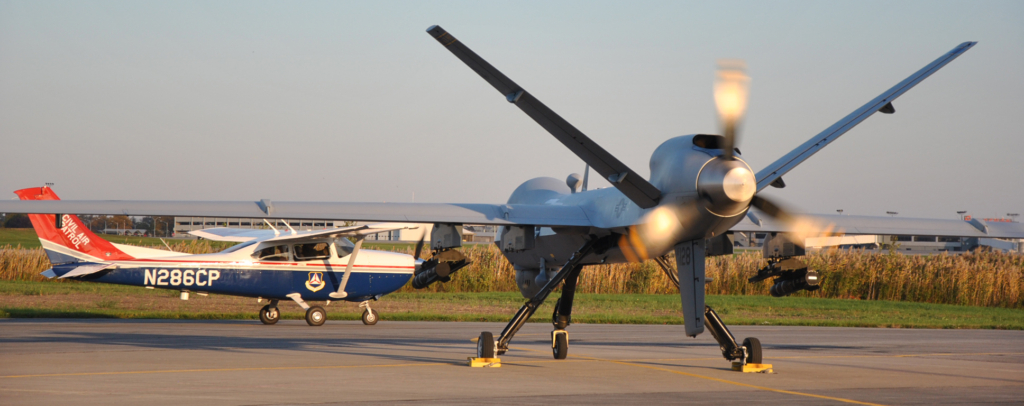
“Its search and rescue network combines skilled air and ground teams with national speciality units, including the National Cell Phone Forensics Team, National Radar Analysis Team and small unmanned aircraft systems to help locate missing persons and aircraft quickly and effectively.
CAP also brings advanced technology to emergency and disaster operations, offering high-definition imagery, LIDAR (light detection and ranging) 3D scanning, geospatial products and cell phone forensics to support decision-makers in the field,” says the USAF website.
Additional services performed by CAP
Additional services provided by CAP include natural disaster damage photography from the air, airborne tsunami-warning support, and airborne communications relay services when traditional communication links are disrupted.
CAP is larger than many of the world’s air forces in terms of members. 38,000 adult members are listed as actively involved in CAP, as well as over 28,000 cadets spread across over 1,500 units. Its organisational pattern and rank structure mirror those of the USAF.

Cadets within CAP are aged between 12 and just under 21 years old (with senior members aged 18 years and over). Most members are expected to wear the full CAP uniform while performing their tasks for the organisation.
Featured image: Tomás Del Coro / Wikimedia Commons