China dominates anti-drone patents as demand for counter-UAV grows

March 16, 2026
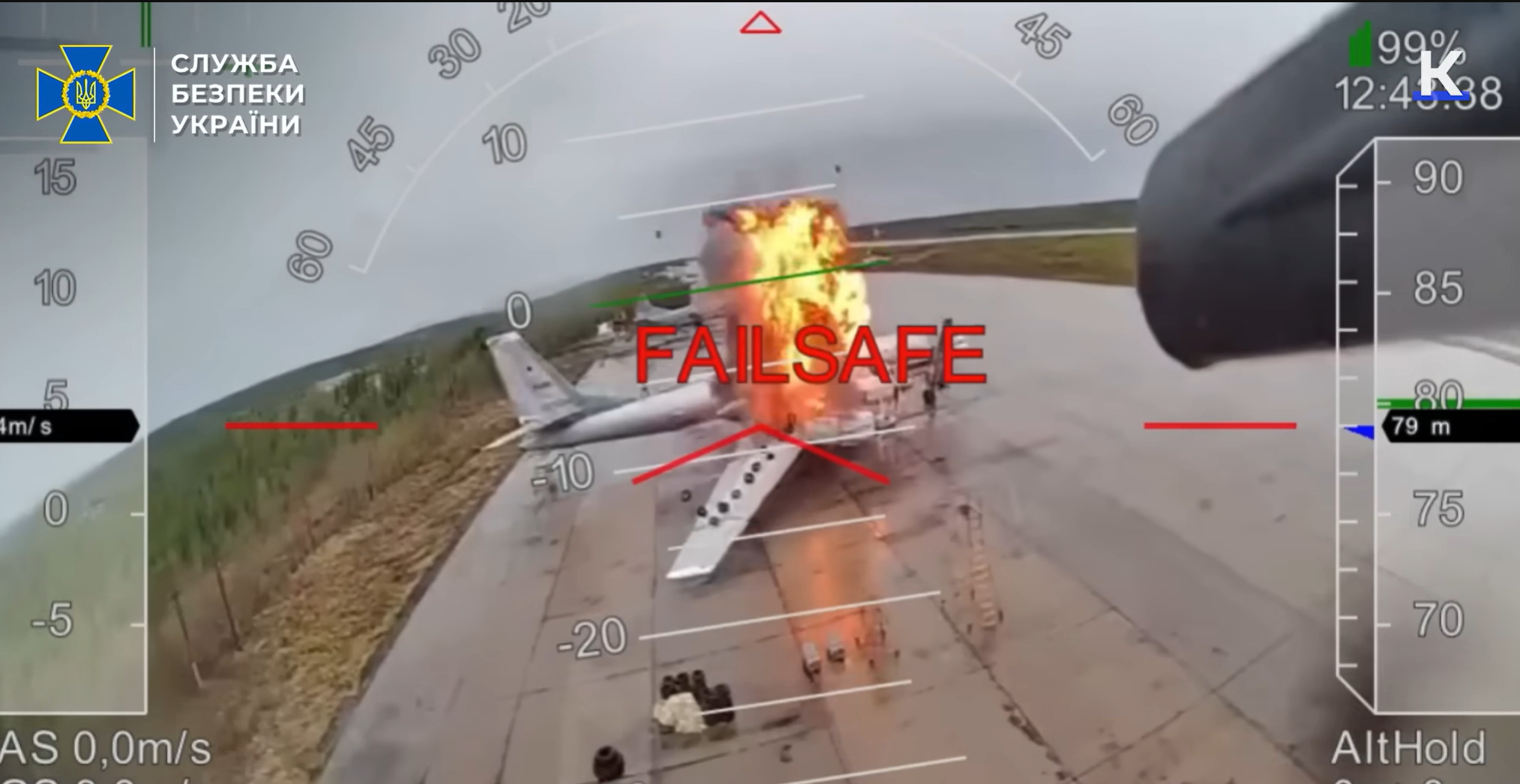
Counter-UAV patent applications were up 27% largest year, reflecting a broader push to counter the proliferation of drones. According to a new report by Mathys & Squire, China now leads in the number of patent applications for anti-drone technologies.
China dominates global counter-drone patent applications
In the year to March 2025, Mathys & Squire, in an email to AGN, stated that a total of 126 anti-UAV patient applications were filed, up from 99 in the 12 months prior.
“Saudi Arabia prepping 'huge deal' for Ukrainian weapons amid Iranian drone threat”https://t.co/l4rxeeQw0R
— John Hardie (@JohnH105) March 12, 2026
Mathys & Squire stated, “The sharp rise in patents filed reflects growing global demand for systems capable of disabling or neutralising drones, whose use has expanded rapidly.”
The report says China now dominates the global anti-drone patent landscape, accounting for 82 of the 127 applicants. The US came next with 22 new anti-drone patent submissions, followed by South Korea.
Mathys & Squire state, “European filers appear to be lagging in anti-drone patent filings, even though since September, seven major European airports have faced drone-related disruptions, including major hubs such as Brussels and Munich.”
The most common area of innovation was interference and jamming, which accounted for 49 of the past year’s new patents (up from 33). It signals an effort to develop non-kinetic countermeasures disrupting a drone’s communications and navigation systems.
Very interesting footage from Russians indicating that Ukrainian Forces use laser light beam to fry fiber optic on "waiter" drones.
— Dimko Zhluktenko 🇺🇦⚔️ (@dim0kq) March 10, 2026
Quite unexpected turn of the warfare, take notes. pic.twitter.com/C1zDkBo8oU
The next most common patent technology type was laser, with 39 patents, up from 28. This was followed by microwave countermeasures at 24 patents, up from 18. Other counter-UAV patents include bullet-based (6), target-capturing (1), and rocket (1) countermeasures.
More patents do not mean China is leading in counter-drone technology
While it may be that China is leading in the number of registered commercial counter-UAV technology patents, this does not necessarily mean China is the world’s leader.
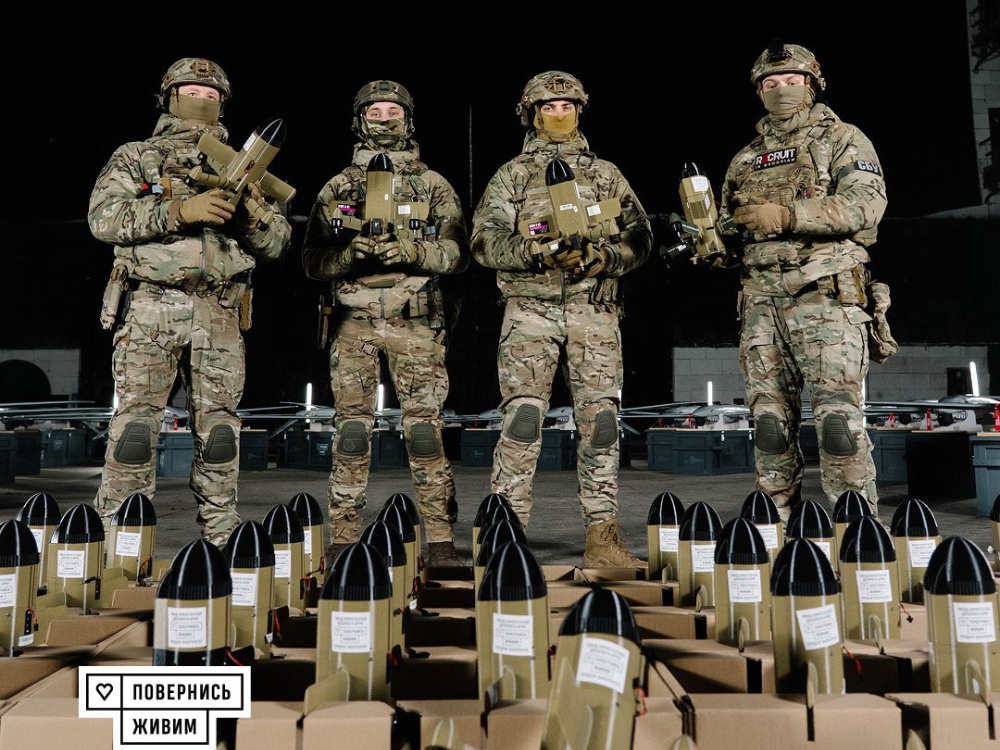
Fact: There are nights when Ukrainian soldiers shoot down over a hundred Shaheds using STING interceptors.
— Wild Hornets (@wilendhornets) March 11, 2026
Another fact: we assemble one STING in just 2 minutes.
In short — more to come! pic.twitter.com/5PUdJEeU55
More patents are not the same as more innovation; it is impossible to conclude the quality of the patents from the report.
Perhaps most importantly, this is primarily a military area and military systems are typically classified with many contractors avoid patenting it entirely. To patent a technology, companies have to publicly disclose it.
The Invention Secrecy Act of 1951 (Secrecy Order) in the US is one example of a legal mechanism that may result in US innovations being banned by the government from patenting.
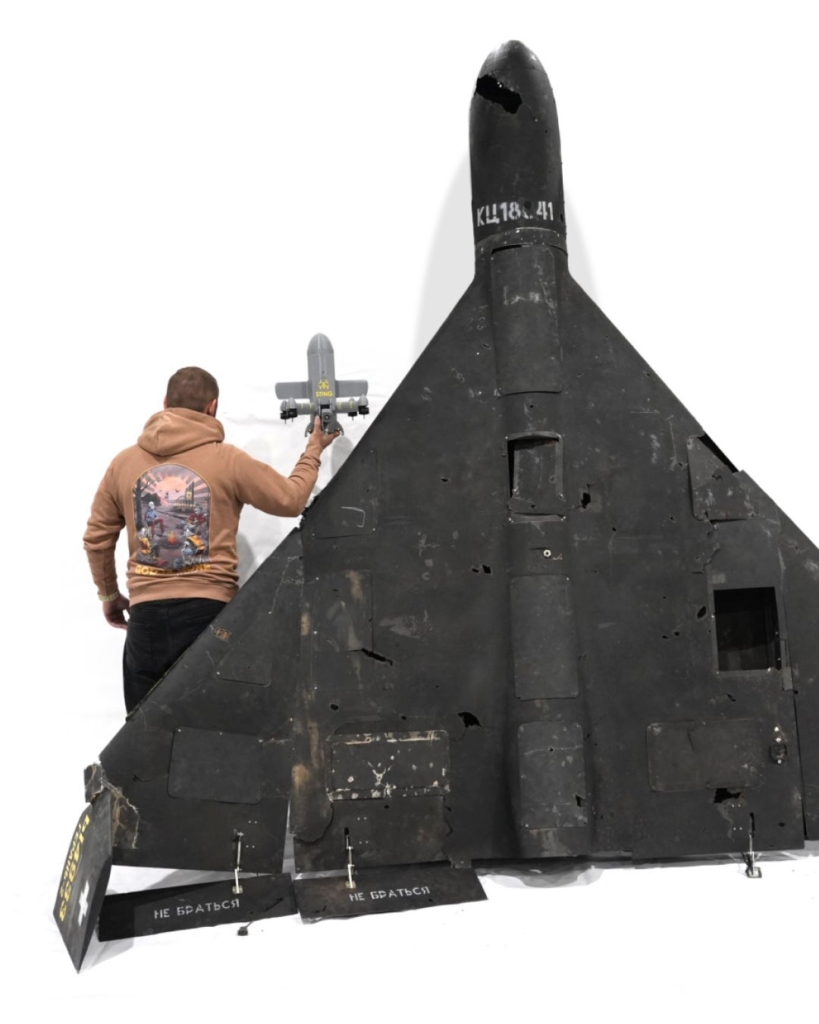
Ukraine is one of the world’s leaders in counter-drone technology, but wartime innovation is rarely patented. Ukrainian engineers are focused on rapid production and battlefield deployment, not bureaucratic legal filings.
Ukraine’s systems, like Wild Hornet STINGERS and the Israeli Iron Beam laser system, will not appear in the patent list. The same is likely true of China’s military counter-drone technologies.
Making matters more distorted is that China famously has structurally inflated patent numbers. CIGI points out that this is driven by Chinese companies receiving subsidies, funding bonuses, and career promotion points for filing patents, but not necessarily commercialising them.

Chinese companies are known to file multiple patents for minor variations of the same concept, including a single jamming algorithm.
127 patents is an extremely low number and speaks little to the true scale of innovation currently underway by companies like Wild Hornets, Anduril Industries, Eprius, Elbit Systems, Saab, and many others.
Get the latest aerospace defence news here on AGN.
The growing importance of counter-drone systems in modern conflict
The need for counter-UAV technologies has been on display for over a decade for those paying attention. In 2020, Turkey’s Operation Spring Shield was mostly fought with drones, while drones were the deciding factor in the 2020 Nagorno-Karabakh War.
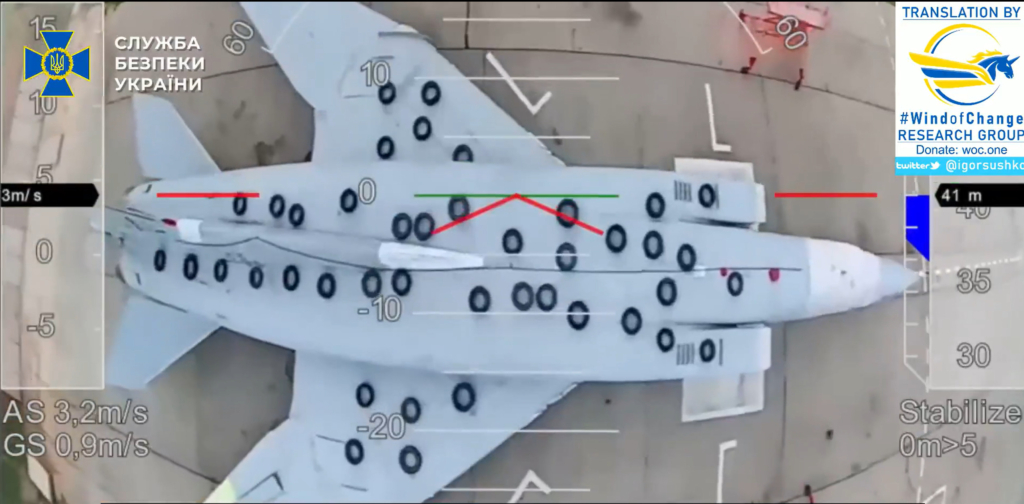
ISIS elements used small FPV-type drones to destroy multiple Russian fighter jets on the ground in Syria in 2015-2016. They were also used extensively in Libya and Ethiopia.
The war in Ukraine has driven the proliferation of drones into overdrive, with the two peer states leaning into drones to make up for their lack of capabilities in other areas. This includes making up for artillery shell shortages and building a “poor man’s” air force.
Now the conflict in the Gulf is exposing weakennesses were the US and Gulf states may not have learned lessons to the degree that could have been expected. The awareness of the need for counter-drone capabilities has also been laid bare by drones intruding into airport space in Europe in 2025.
Featured Image: Ukraine Armed Forces