Cathay Pacific lists £20,000 business-class fare as Gulf disruption drives airline cost surge

March 11, 2026

Travellers trying to fly between Australia and Europe are encountering eye-watering airfares. One Cathay Pacific itinerary listed business-class return tickets from Sydney to London for more than £20,000 amid widespread aviation disruption linked to the conflict in the Gulf.
As the Guardian reported, the sky-high airfare appeared this week on Cathay Pacific’s booking system. The sudden price spike can be attributed to a combination of higher operating costs and capacity tightening on long-haul routes due to the conflict in the Middle East, impacting hubs such as Dubai, Doha and Abu Dhabi.
As several airlines are suspending or reducing services through the region, travellers are increasingly seeking alternative routings via Asia. Seats on these routes are filling quickly, and prices are rising.
A £20,000 ticket to avoid the Gulf
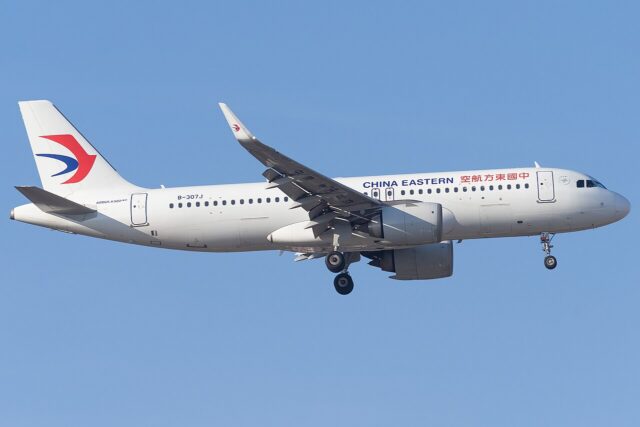
The pricey Cathay Pacific itinerary—roughly A$39,577 (£20,000) for a return journey in April—combines several routing segments between Australia, Hong Kong and London, with seats in different cabin classes on each leg of the journey.
The typical airfare for long-haul business-class flights between the UK and Australia ranges from £3,000 to £4,000 under normal market conditions. It is currently more expensive to fly in Cathay’s business class than in first class—with a first-class fare of A$28,146 (£14,900) in April—though that may also rise with higher demand.
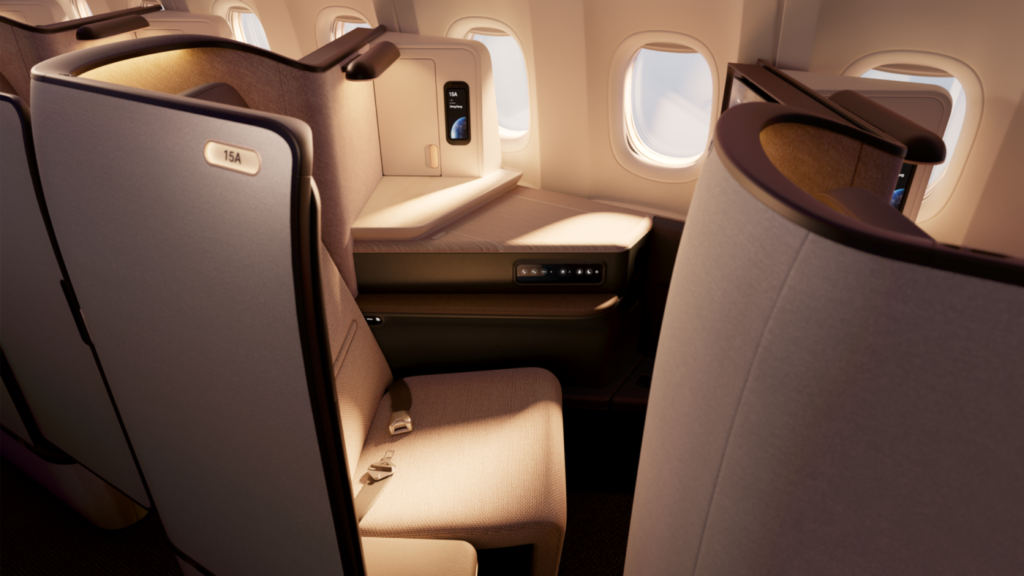
A Cathay Pacific spokesperson told the Guardian that the “current fare volatility reflects a short-term supply-demand imbalance as passengers prioritise alternative routes … While we continue to offer competitive fares and broad availability, high load factors have resulted in elevated fares in select cabin classes on peak days.”
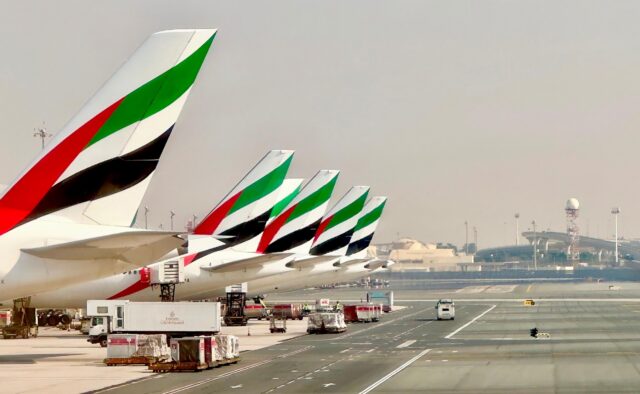
The fare spike is a by-product of disrupted air corridors through the Middle East, a region that has become the backbone of ultra-long-haul connectivity between Europe and Australasia. Gulf carriers such as Emirates, Qatar Airways and Etihad have traditionally handled a large share of the traffic via their hub networks.
However, regional airspace closures and safety concerns have forced many airlines to suspend or reroute flights, tightening available airline capacity.
Airlines cancel flights to the Middle East
Several airlines have limited or cancelled their operations in the region as the conflict escalates.
Cathay Pacific, for example, confirmed that its passenger flights to Dubai and Riyadh are cancelled through at least the end of March, due to volatility in the Middle East.
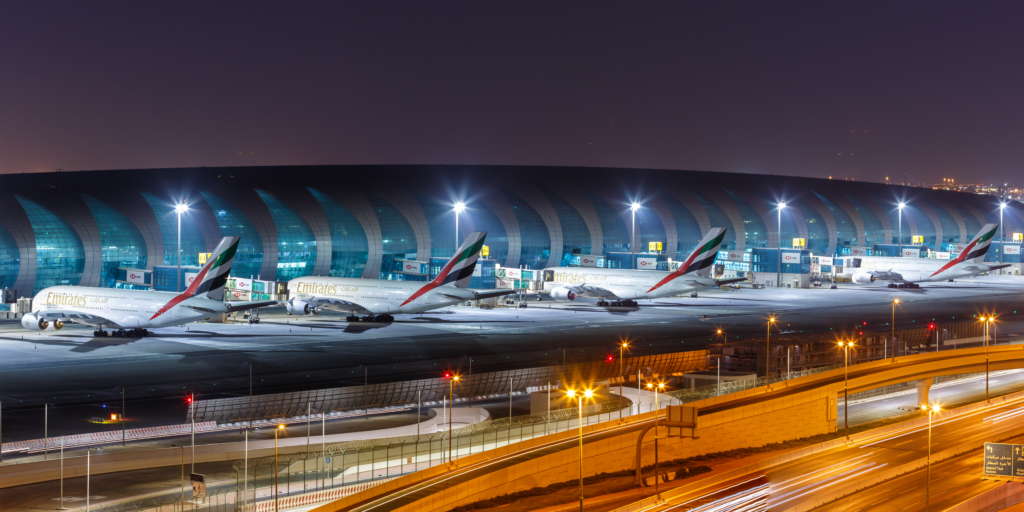
Across the industry, thousands of flights have been cancelled as governments close airspace and airlines avoid conflict zones. Thousands of flights to and from the Middle East were cancelled between late February and early March. The disruption is particularly acute on routes linking Europe, Asia and Australia, where airlines must either take longer flight paths along the remaining safe airspace or cancel high-risk routes.
Jet fuel shock pushes airfares higher
Beyond the extended routes that require higher fuel burn, airlines are facing a second problem: surging fuel costs.
The conflict in Iran has sent oil prices soaring. As Reuters has reported, Jet fuel was priced at $85 to $90 per barrel before the US-Israeli strikes on Iran and has since risen to $150 to $200 per barrel. Jet fuel typically accounts for 20–30% of an airline’s operating costs, making airlines especially vulnerable to spikes in oil prices.
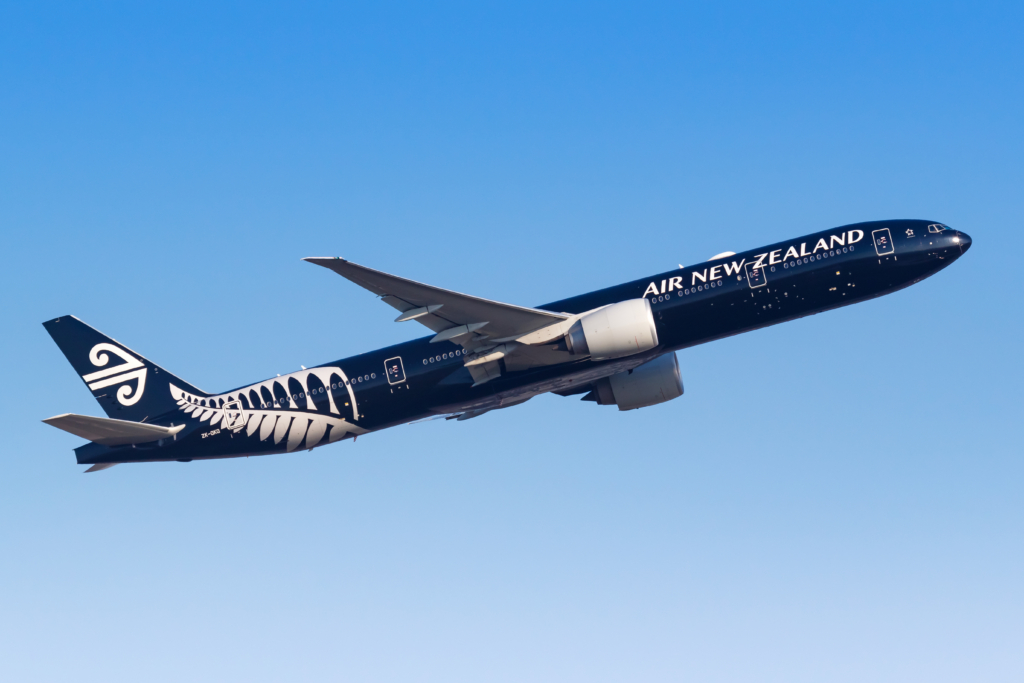
Several carriers have already moved to pass those costs on to passengers. Some carriers across Europe and Asia are responding to the fuel crisis by raising ticket prices and introducing or increasing fuel surcharges. For example, SAS and Air New Zealand have said they will increase ticket prices to offset higher fuel costs. Hong Kong Airlines will introduce a 35.2% increase in its fuel surcharges, and Air India will begin a phased increase in fuel surcharges on domestic and international routes.
Other airlines have fuel hedging in place to manage short-term fuel price increases without passing added costs on to passengers, but even they may need to raise airfares if the situation is not resolved quickly.
Airlines are also concerned over the interruption of supply. As a Finnair spokesperson told Reuters, “A prolonged crisis could affect not only the price of fuel but also its availability, at least temporarily.” Finnair has hedged over 80% of its fuel requirements for the first quarter.
Passenger demand shifts to alternative routes
The Middle East conflict is also reshaping global flight demand. As passengers avoid the potential complications of Gulf connections, alternative routings through East and Southeast Asia are becoming more popular.
This shift in passenger demand is driving up prices on routes via Hong Kong, Singapore, and other Asian hubs, even as airlines add capacity. Qantas is reviewing how it might redeploy capacity to Europe.
Cathay Pacific said it is adding flights to London and increasing capacity to Zurich to accommodate passengers affected by disruptions in the Middle East.
A hint of what prolonged airspace disruption could mean for travellers
The £20,000 ticket reflects the vulnerability of global long-haul networks to geopolitical shocks.
The Gulf’s strategic location has made it a central connecting hub for intercontinental travel. When those routes become too risky to operate, the industry must quickly shift traffic onto narrowing safe corridors, which can lead to higher fares, longer flight times and reduced availability.
If the Iran conflict and associated fuel price volatility persist, travellers could see continued fare increases and more limited flight options on ultra-long-haul routes linking Europe, Asia and Australia.
Featured Image: Altair78 / Wikimedia Commons