Lockheed Martin pauses C-130J Super Hercules deliveries due to communications upgrade delay

February 11, 2026
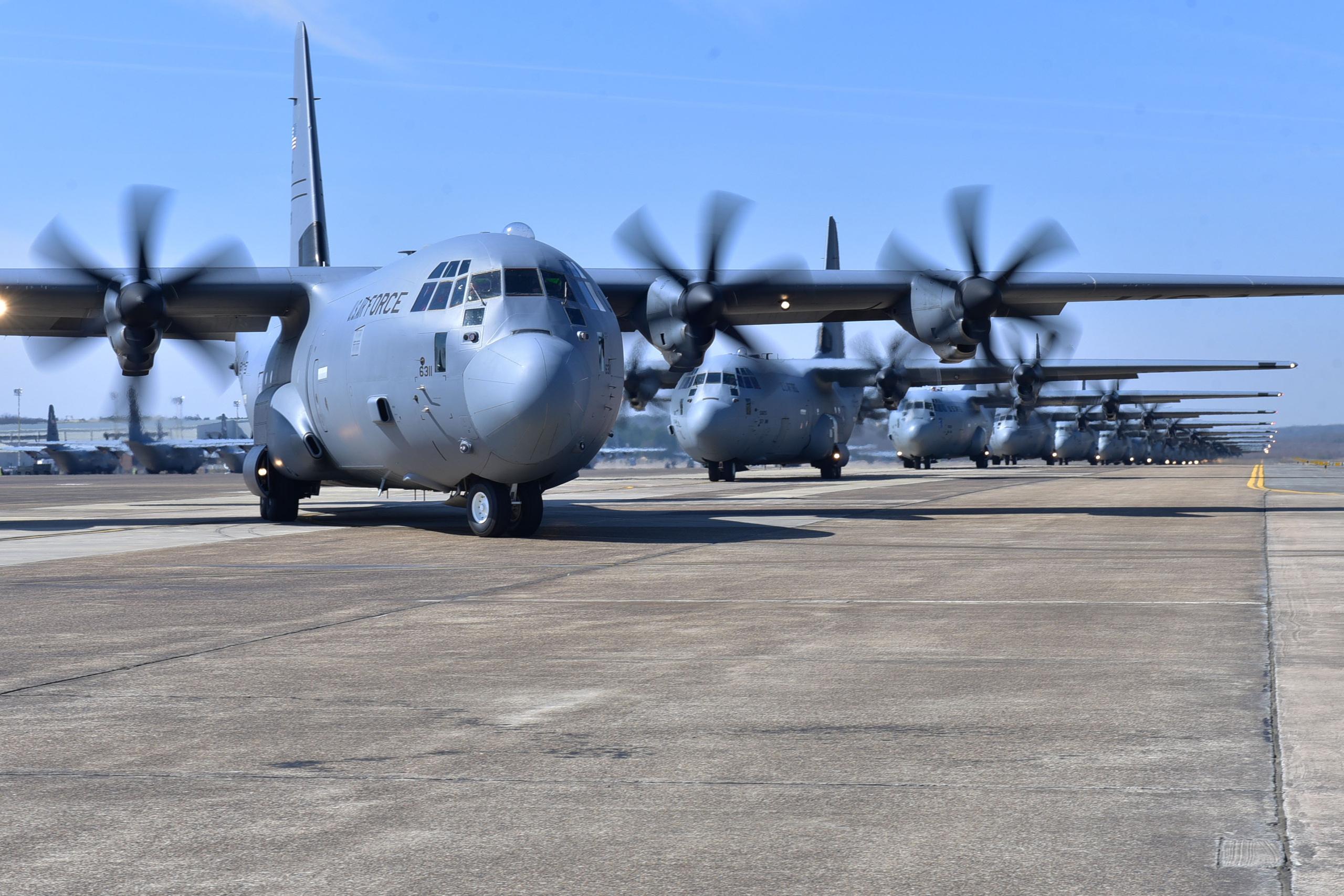
Issues with the C-130J’s new comms system are causing delivery delays, although Lockheed continues to produce the Super Hercules as normal. Meanwhile, the Air Force has been accepting Lockheed’s F-35s without radars for over six months.
C-130J deliveries paused due to comms delay
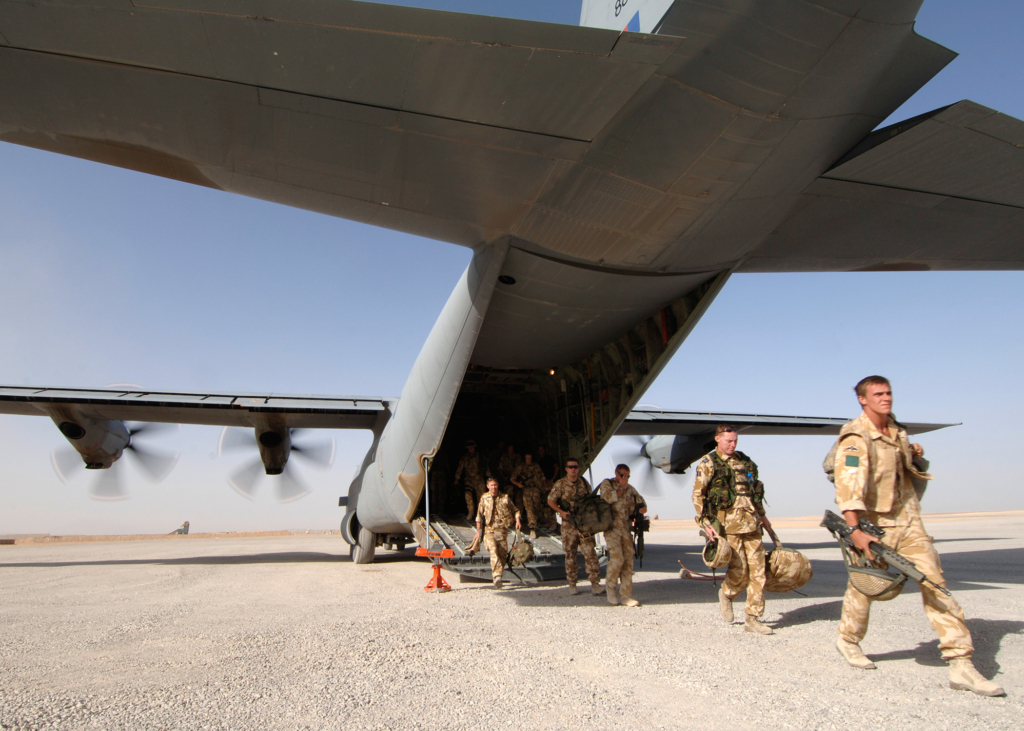
Yesterday, Aviation Week reported that Lockheed Martin has paused deliveries of its C-130J Super Hercules airlifter “due to a problem with certifying a new communications upgrade.”
AGN reached out to Lockheed Martin for comment, and Lockheed’s Senior Manager of Communications, Air Mobility and Maritime Missions, Chris Karns, responded in an email.
“In 2025, we integrated a new communications suite into the C‑130J production line due to obsolete components,” Karns explained. “We are finalising certification of the new C-130 implementation design with our customers.”
Karns stated that Lockheed is projecting to deliver 16-24 C-130Js this year. Aviation Week also wrote that in 2025, Lockheed only delivered two C-130Js with none in the final quarter, due to the problem.
Karns explained Lockheed “never stopped during this time. We have strong customer demand for this versatile, proven, and high‑performance platform.”
US Air Force testing new Super Hercules comms hardware
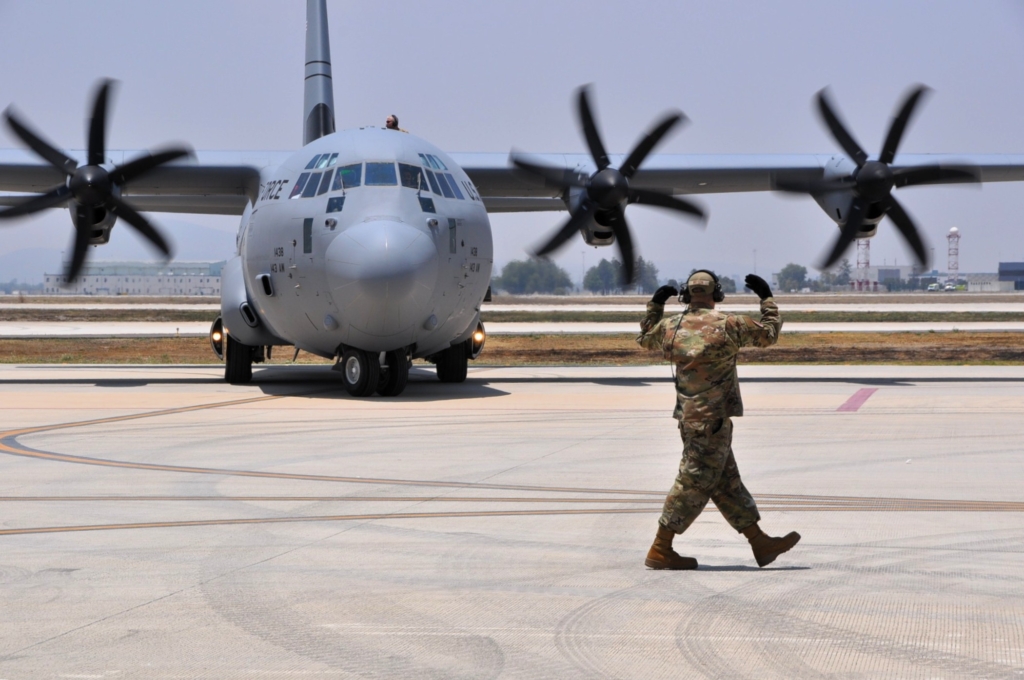
While unclear if related to the delivery delays, in mid-2025, DVIDS reported that the US Air Force 317th Airlift Wing was testing advanced communications hardware for certification on C-130J Super Hercules aircraft.
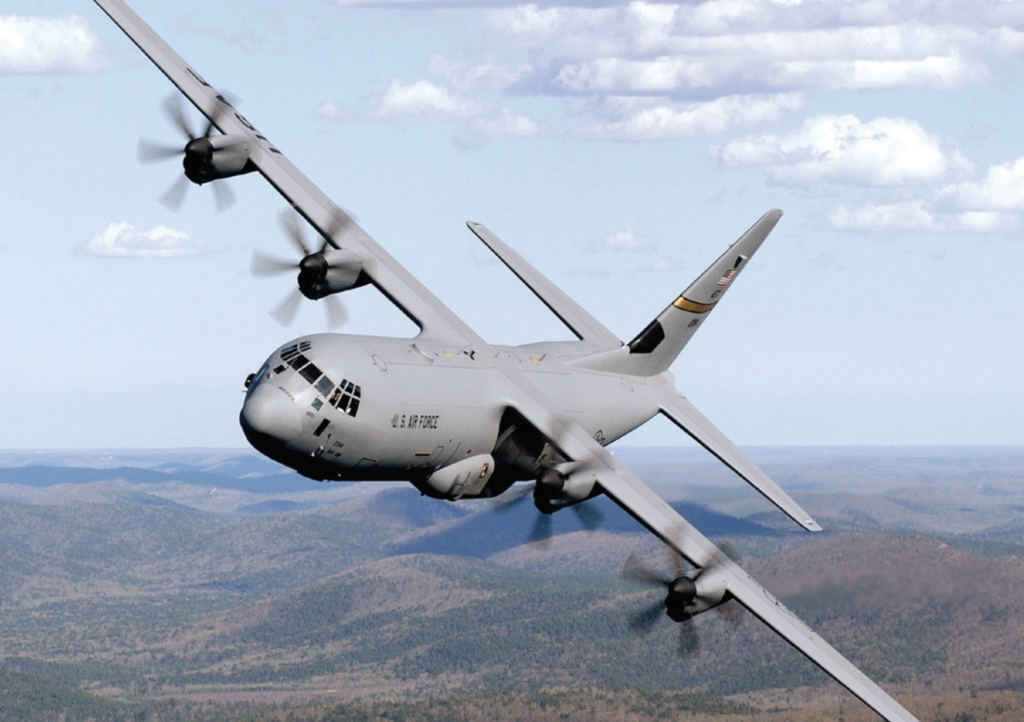
This is to enhance situational awareness and command connectivity for the tactical airlifter.
The news release stated, “…the Joint Deployable Airborne Package, paired with hatch-mounted radio frequency antennas. The antennas enable commercial satellite communications through SpaceX’s Starshield Low Earth Orbit constellation…”
This provides the aircraft with ultra-high-frequency, secure, beyond-line-of-sight capabilities. It is designed to provide air and ground commanders with real-time, accurate information.
It also says the upgrades are designed to integrate seamlessly with existing aircraft systems and can be quickly installed.
The Air Mobility Command aimed to equip 25% of its fleet with in-flight communications for both secret and unclassified information by the end of 2025. It is unclear if it reached that goal.
Get the latest aerospace defence news here on AGN.
Common for issues to interrupt deliveries, not production
While the comms issues limited Lockheed’s ability to deliver the Hercules in 2025, it didn’t stop it from producing them.
This is common in military and civilian aviation alike. In 2024, Lockheed struggled with TR-3 upgrades for the F-35, causing the Department of Defense to refuse deliveries.

Lockheed continued producing aircraft, and this led to some 100 F-35s being stored around its facilities.
In the commercial sector, the FAA refused to certify specific seats in Lufthansa’s new Allegris-equipped Boeing 787 Dreamliners. The delay saw around a dozen pile up in North Charleston, unable to be delivered.
Sometimes aircraft are accepted even when not all systems are operational. As a counterexample, Avionics International has reported that since June 2025, US F-35s have been delivered without their critical AN/APG-85 radars.
Export customer F-35 deliveries are unaffected, as these are being delivered with the older AN/APG-81 radar. The issue is that work needs to be done on the radar mountings to fit the new radar.
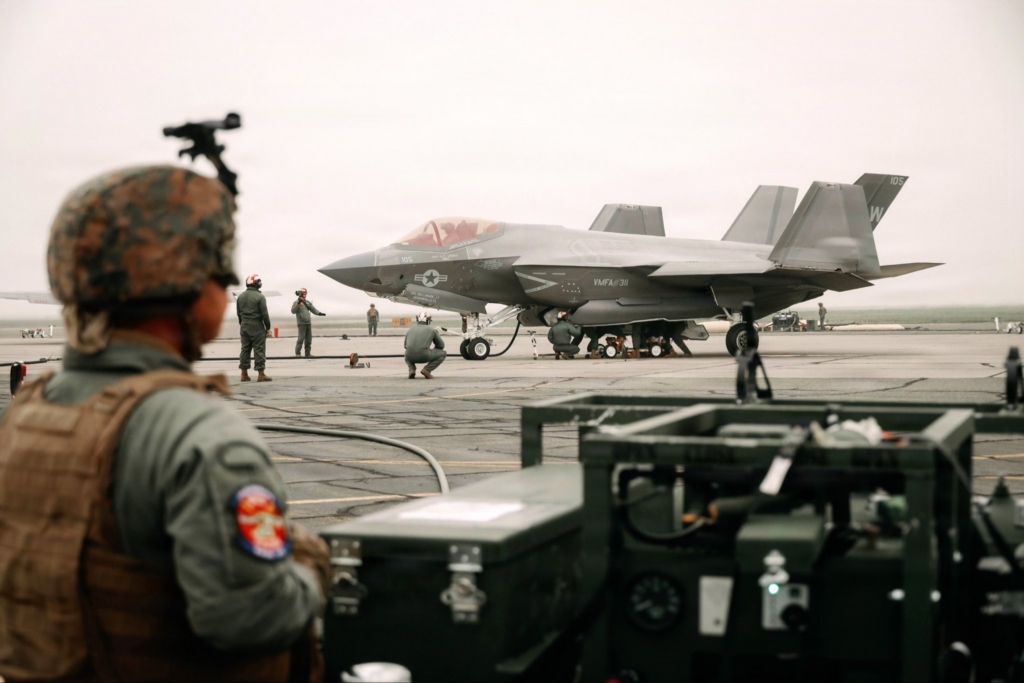
It seems the US is willing to accept the aircraft now without the radars and fit them later. Fitting them with an interim AN/APG-81 radar would be expensive.
Featured Image: US Air Force