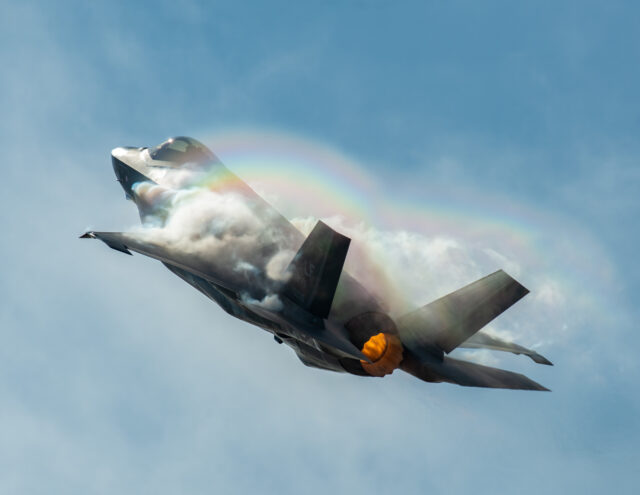
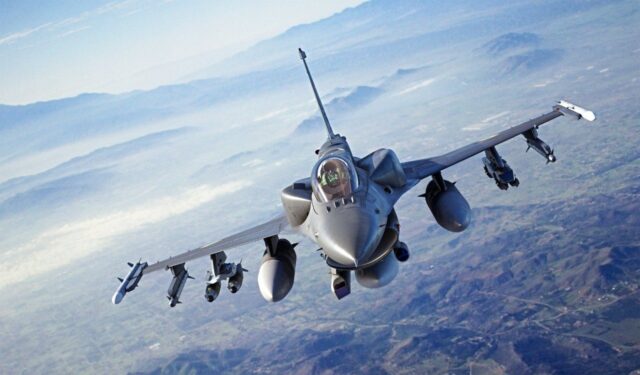
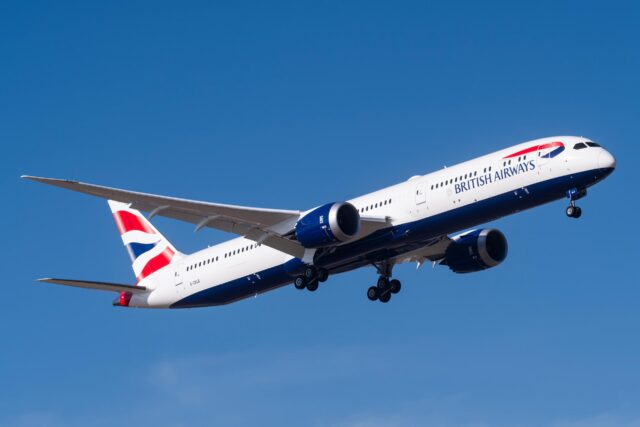
Last QF-16 ‘zombie Viper’ target practice F-16s delivered as Boeing ends conversion programme

December 10, 2025

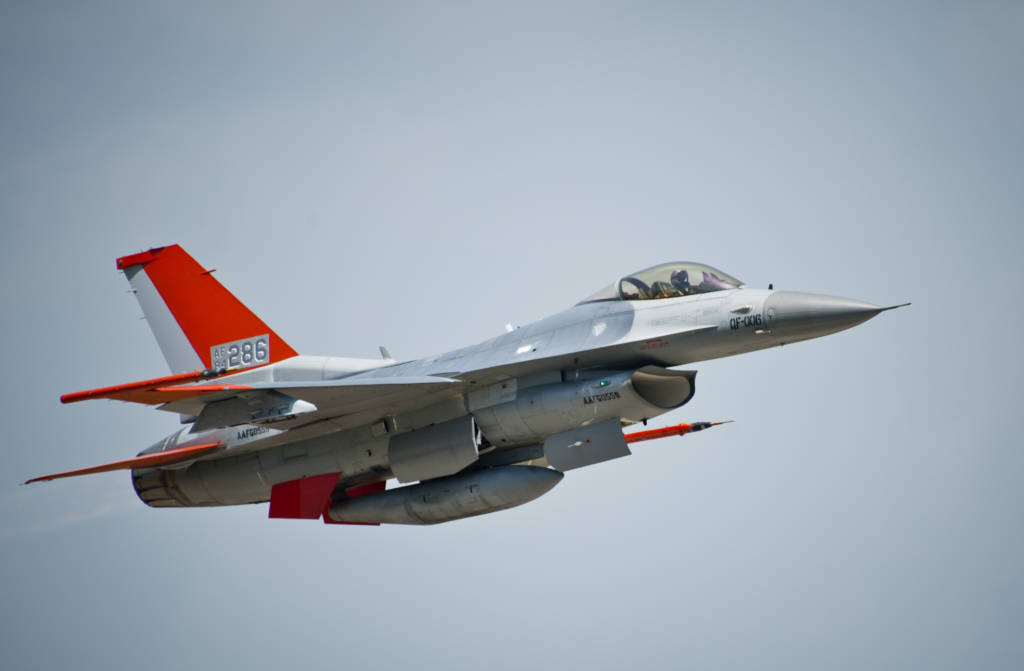
On 4th December, Boeing announced it had delivered the last QF-16 zombie full-scale target. QF-16 aerial targets should not be confused with the current US Air Force VENOM-AFT programme that converts F-16s into zombies to test advanced AI autonomy software.
Boeing delivers final QF-16 zombie
The project to convert F-16s to targets began in 2010 as more F-16 Fighting Falcons were retired and the US ran out of F-4 Phantom IIs to convert into targets. The QF-16 is currently the only full-scale target in the US inventory.
Right on target.
— Boeing Defense (@BoeingDefense) December 4, 2025
The QF-16 makes its final delivery to the @USAirForce. Hear from #TeamBoeing employees how retired F-16s are transformed into advanced aerial targets for the U.S. military and allies, and what’s next for the program. pic.twitter.com/571fuVLBDR
Boeing takes retired aircraft out of retirement, gets them back into a flying condition, and then installs a bunch of systems on the aircraft to enable it to fly uncrewed. The QF-16 can represent 4th-generation aircraft
In all, Boeing has delivered 127 of these full-scale targets, mostly to the Air Force, but also to the Navy, Marine Corps, and allies. While Boeing may not be delivering any more QF-16s, the ones the Air Force already has can serve for the next 5-10 years.

While Lockheed Martin is the primary contractor for the F-16, Boeing is the primary contractor for converting them to full-scale targets. In a video speaking of the last QF-16s delivered to the Air Force, Boeing noted it had to learn how an aircraft they “didn’t design and build” works.
Origins of full-scale aerial targets
The use of aircraft as full-scale aerial targets is as old as air forces themselves. After all, no one wants air defence gunners to be learning on the job, learning how to shoot down aircraft during an actual air raid.
The British Royal Flying Corps (RFC) developed the first prototype radio-controlled aircraft in 1917 called the “Aerial Target” (AT).
The use of radio-controlled target aircraft evolved during the interwar years and became much more popular in WWII. The British developed the de Havilland DH.82 Tiger Moth, which was then developed into the DH.82 Queen Bee.
American observers were impressed by the Queen Bee target drone and built their own counterparts, including the Target Drone Denny 1 (TDD-1). The word “drone” (originally a reference to the Queen Bee) caught on for pilotless aircraft.
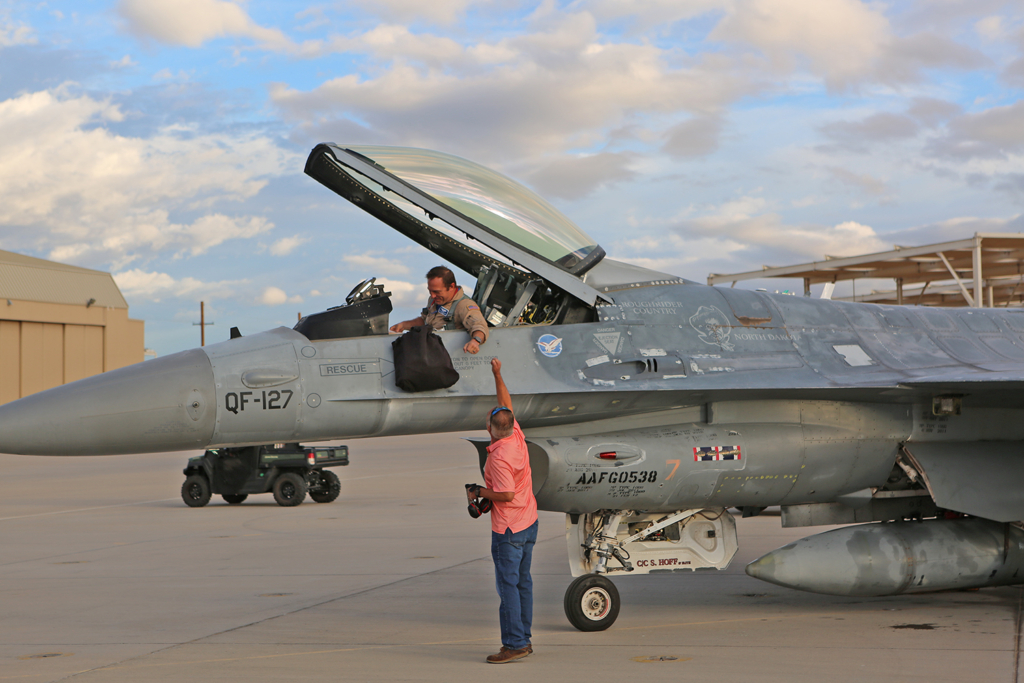
In a way, this makes the QF-16 a “drone” in the original sense of the word.
Get the latest aerospace defence news here on AGN.
Plenty of future left for the F-16
The F-16 remains in production, although it is not only purchased by the US Air Force. According to Flight Global’s 2026 review of world air forces, the US Air Force still has 822 F-16s in service.
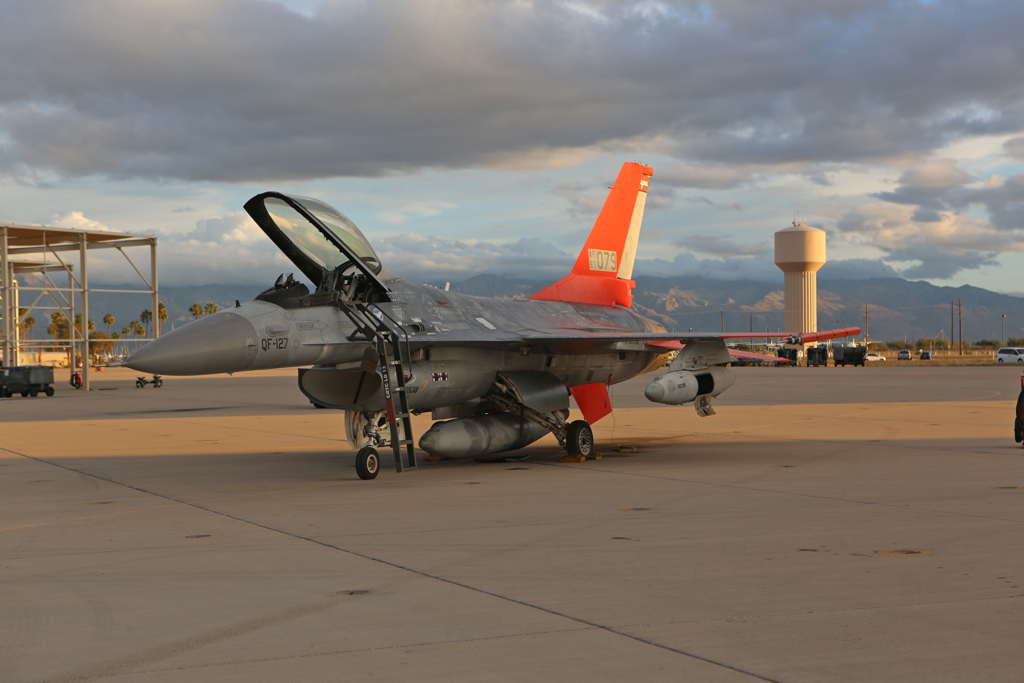
These are constantly upgraded with modern systems, including some systems developed for 5th-generation fighter jets. F-16s are expected to continue flying for the US Air Force into the 2040s.
Many of the retired F-16s are placed in storage at the boneyard by Davis-Monthan Air Force Base. According to AMARC Experience, a total of 340 F-16s are in storage. The majority of these are F-16Ds (157) and F-16As (136).
The 309th Aerospace Maintenance and Regeneration Group, which is responsible for maintaining all the aircraft in the boneyard, posted, “The last QF-16 has officially flown out of AMARG!”
It is unclear if the US Air Force will order more QF-16 targets in the future, but there remain plenty in storage should it want them.
Featured Image: US Air Force