FAA certifies higher takeoff weight for Boeing 787-9 and 787-10 Dreamliners

March 25, 2026
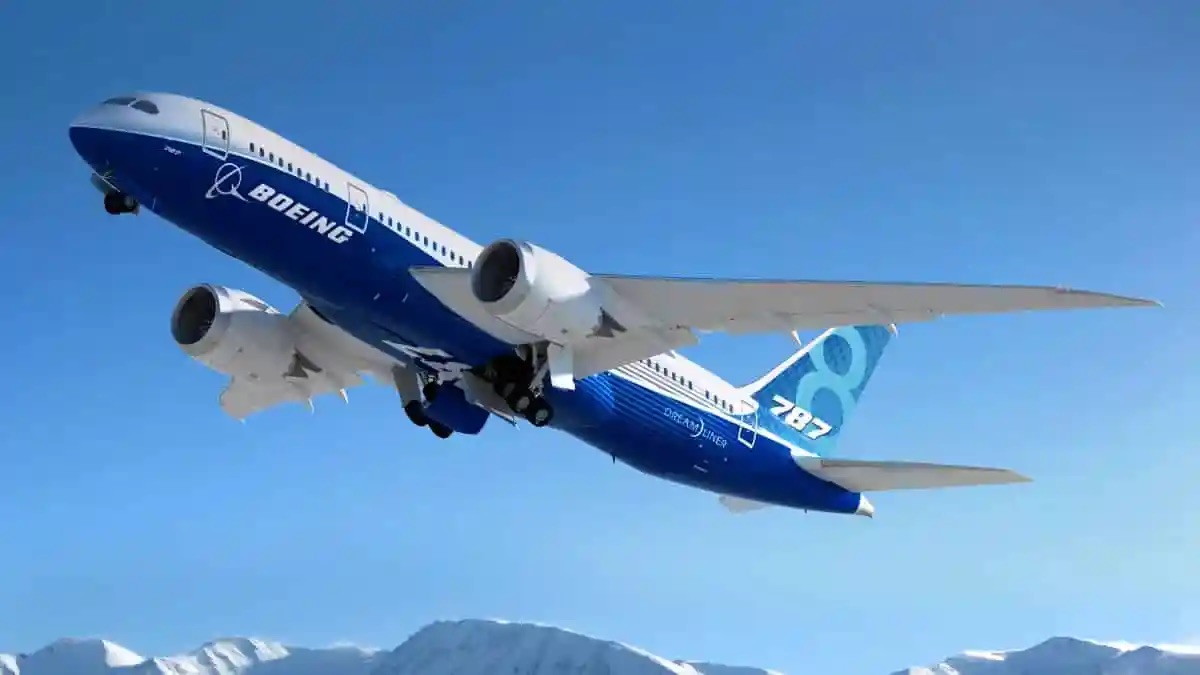
Boeing has secured certification for a higher maximum takeoff weight for its 787-9 and 787-10, enabling the two larger Dreamliner variants to fly further or carry an increased load.
All 787-9 and 787-10 aircraft assembled from December 2025 onwards are structurally capable of lifting the increased maximum takeoff weight (iMTOW).
The first aircraft built with the capability, which has now been signed off by the Federal Aviation Administration, are due to be delivered soon.
Air New Zealand is set to be one of the first 787 operators to benefit from the higher weight.
Boeing lost out to Airbus when Qantas was choosing an airframe for its Project Sunrise ultra-long-haul services from Australia to London and New York non-stop, but the US planemaker has judged that there remains a market for flying further or with more passengers or cargo using its hugely successful 787.
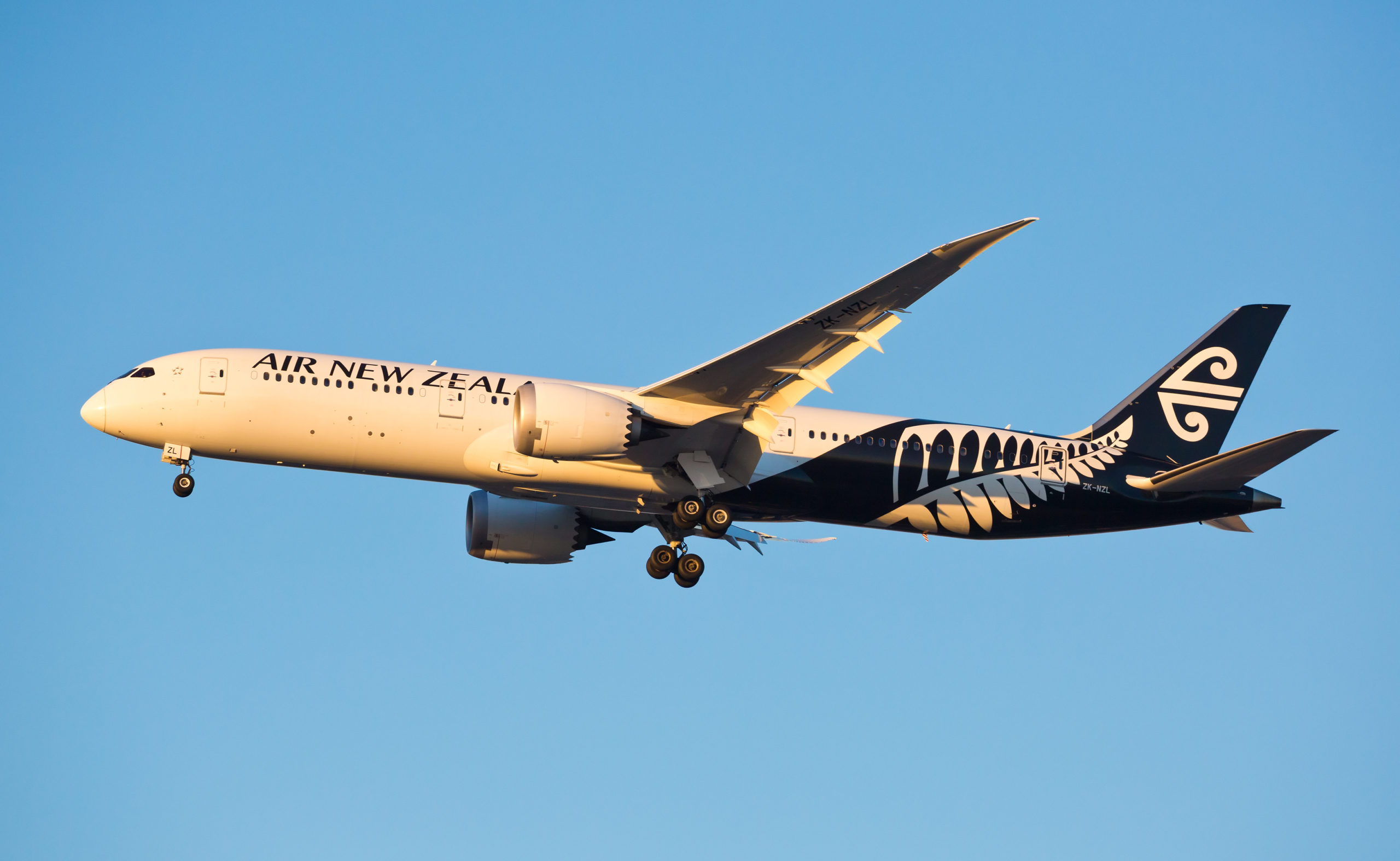
Boeing 787’s improved range or payload with higher MTOW
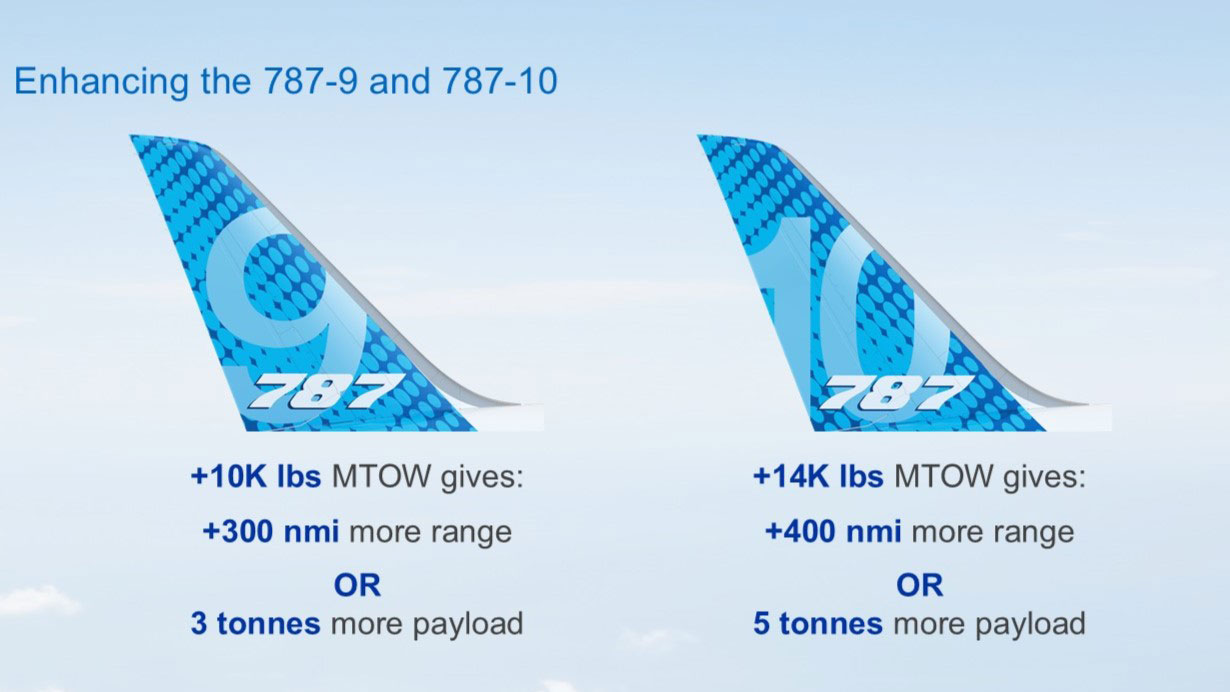
The new 787-9 can carry roughly 10,000 pounds (4,540 kilograms) more, allowing for an additional three metric tons of payload or extending its range by over 300 nautical miles (560 kilometres).
The larger 787-10 benefits even more, with an extra 14,000 pounds (6,350 kilograms) enabling about five additional metric tons of payload and giving it more than 400 nautical miles (740 kilometres) of extra range.
However Boeing said that its airline customers can opt to take delivery of a previous-generation 787 with the lower MTOW, and the associated lower airport landing fees, if that is the preferred option.
“We started this effort after airlines sent Boeing a clear message: they wanted greater flexibility,” said John Murphy, 787 chief project engineer.
“Some wanted the 787-10 to fly longer missions; others wanted the 787-9 to carry additional payload with range trade-offs. Boeing designed a solution that delivers both.”
Boeing’s extensive testing programme
The upgraded MTOW comes about 15 years after the 787 Dreamliner first entered service, in 2011.
Since then, more than 1,250 of the type have been delivered.
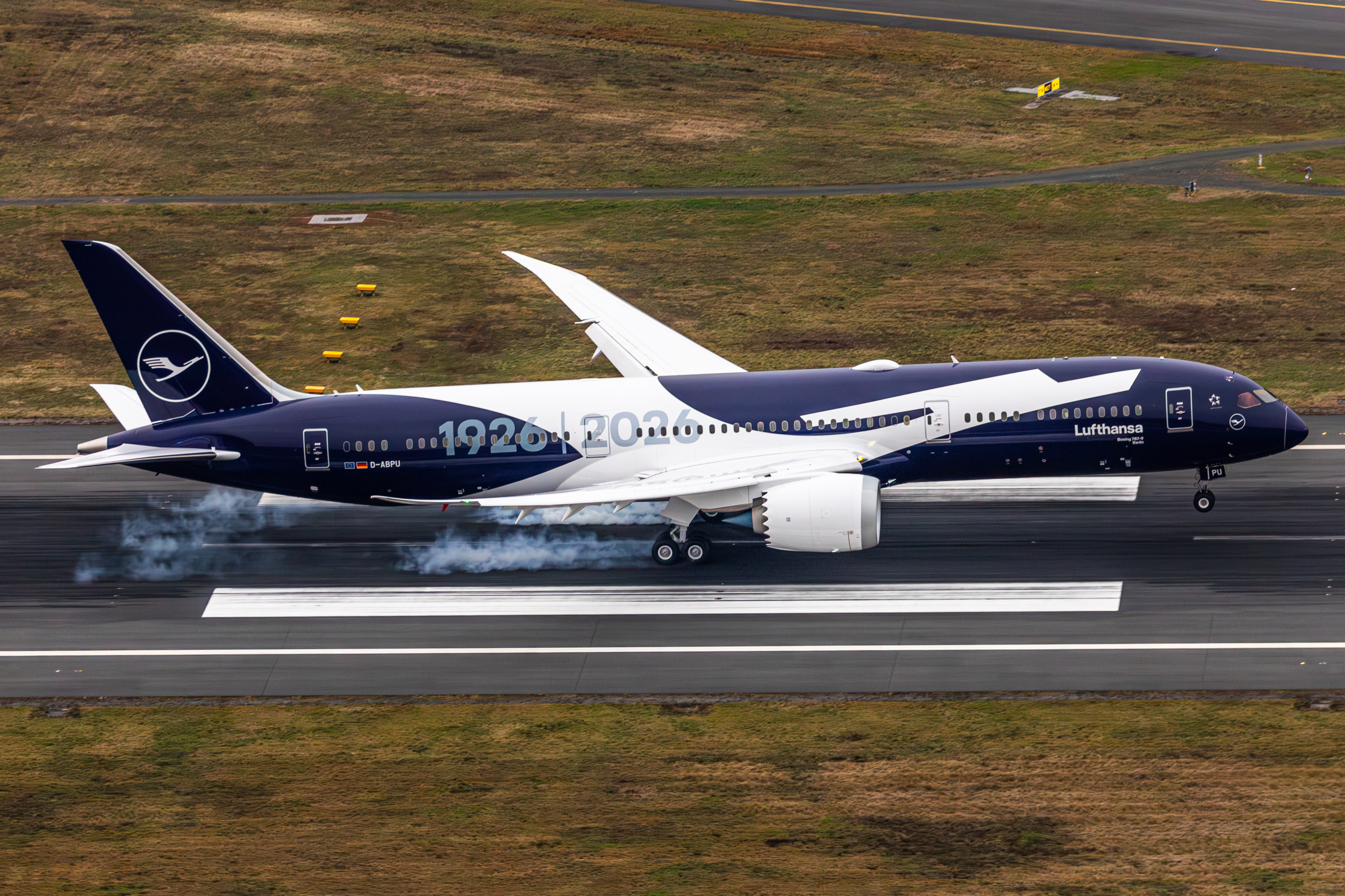
Certification approval of the new iMTOW has followed a lengthy programme of data analysis to validate structural loads, performance and systems behaviour at the higher weight.
“It’s incredibly exciting to see our first 787-9 with the increased maximum takeoff weight completing assembly and preparing for its final inspections and flight tests,” said Baden Smith, Air New Zealand general manager of Strategy, Networks and Fleet.
“This upgrade gives us greater ability to carry additional payload on our ultra long-haul routes – an important enabler for our network ambitions, supporting trade, tourism and better connectivity for New Zealand. We’re looking forward to bringing this new airplane into our fleet.”
Boeing retires last 787-8 test aircraft
Last month, Boeing retired its last 787-8 Dreamliner test aircraft, which was sent to an Arizona boneyard for parts.
ZA004 (registered as N7874) entered Boeing’s flight test programme in February 2010, and accumulated more than 2,250 flight hours across more than 670 flights.
The aircraft was used to test aerodynamics, high-speed performance, propulsion performance, flight loads, noise and extended operations (ETOPS) and other test conditions over its 16 years of service – part of Boeing’s extensive test programme.
While Boeing has achieved the upgraded 787-9 and -10, all eyes are on its 777-X programme.
The Boeing test team has logged more than 1,600 flights and 4,500 flight hours with the 777-9, conducting Boeing testing and certification testing with the US Federal Aviation Administration to gather data required for certification.
Boeing still sets 2027 as the target year for first delivery of the 777-9, however the aircraft has been much delayed and that timeline is by no means guaranteed.
Featured image: Boeing