Boeing eyes 14-per-month 787 Dreamliner output as Charleston becomes key growth driver

December 2, 2025
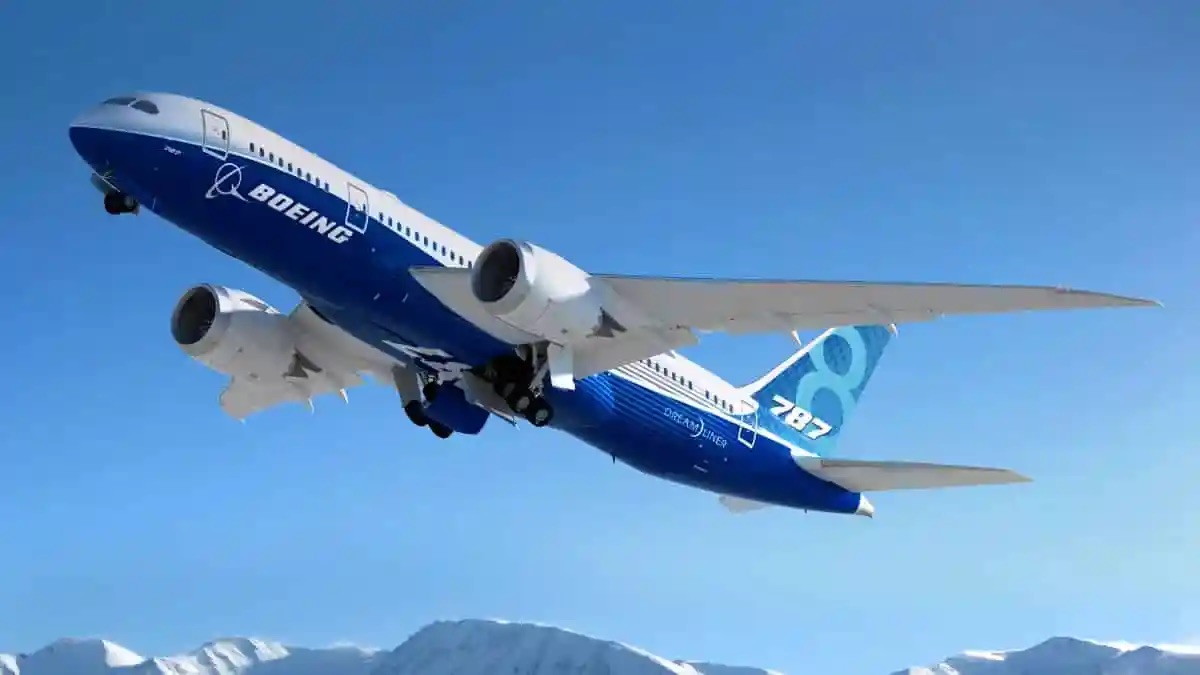
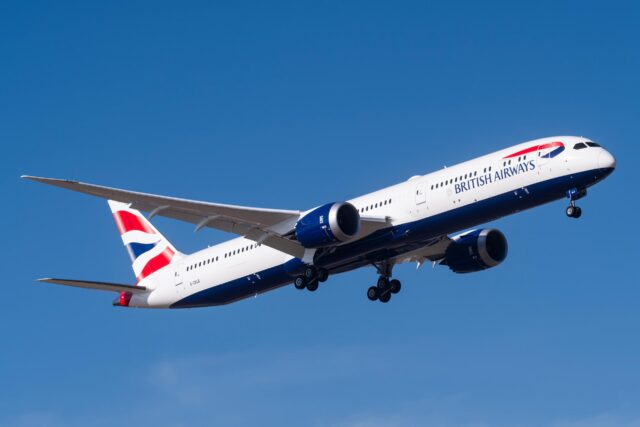
Boeing’s $1 billion production ramp-up of the 787 Dreamliner could see the manufacturer returning to pre-pandemic highs of around 14 aircraft per month, a leap from the current rate of approximately seven.
The company has previously disclosed a target rate of eight per month by end-2025, 10 per month in 2026/7, potentially increasing beyond that.
Today, Boeing’s chief financial officer, Jay Malave, has suggested the company could eventually push 787 Dreamliner output to around 14 aircraft per month.
That’s double what Charleston currently produces and equal to the highest output year (2019), when it took both Charleston and Everett to reach that level.

Speaking at the UBS Global Industrials and Transportation Conference, Malave described Boeing South Carolina as “our growth driver on the 787” and said current investment at the site “is going to be an enabler for us to drive up our rates, up to around 14, over time, per month”.
The North Charleston plant already builds every 787 and is producing around seven to eight aircraft a month, having climbed steadily from four to five earlier in 2025.
Boeing’s two growth levers: The 787 Dreamliner and the F-47
Malave said Boeing’s rising capital expenditure is being driven by two programmes he characterised as “multi-decade growth drivers”: the expansion of 787 production in Charleston and the F-47.

Capex is growing next year, really, on the back of two projects,” he said. “One is our growth driver in Charleston on the 787 … as well as the investment that we’re making for the new F 47 programme.”
Noting that the F-47 is a “good, multi-decade growth driver for the company,” he revealed little else about the secretive 6th-generation fighter jet project. But on the commercial side, he made clear that the Dreamliner is the key investment where Boeing can really make headway.
“This creates some short-term pressure on capex and free cash flow,” Malave noted, “but those are great long-term projects for us.”
Charleston expands to support higher Boeing 787 Dreamliner rates
To support the ramp, Boeing is investing heavily in its South Carolina campus. The company broke ground in November on a second 787 final assembly building, roughly matching the size of the current 1.2-million-square-foot facility.
The wider expansion also includes a new parts-preparation centre, a vertical fin paint building, extra flight-line capacity and enlarged interiors manufacturing.
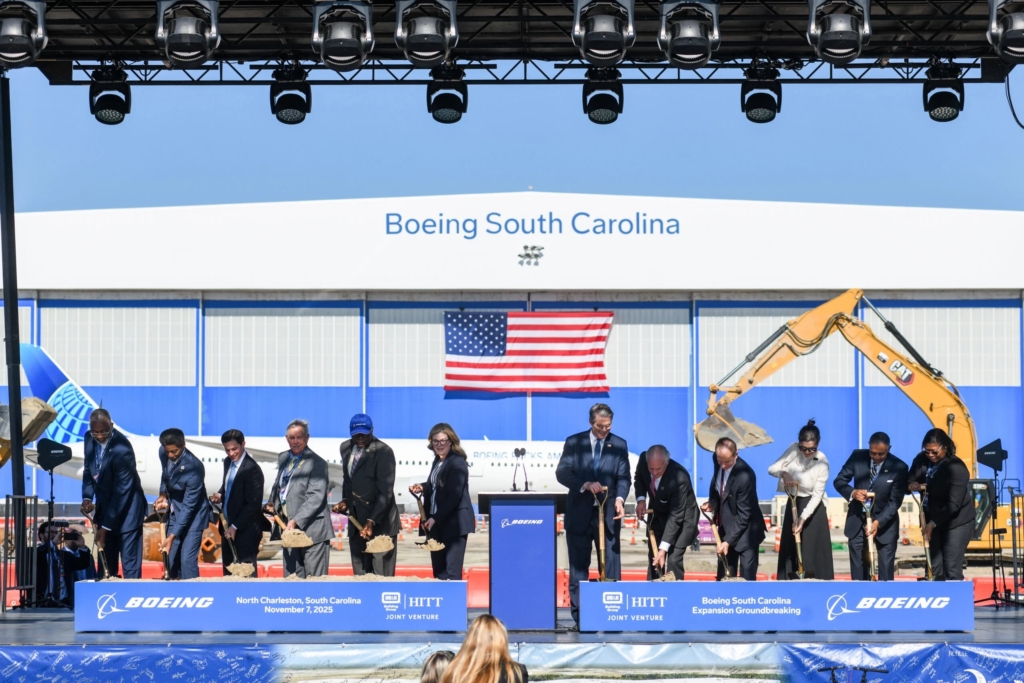
Boeing expects the new buildings to come on line later this decade, effectively doubling the 787 final assembly footprint and giving the company a path from its near-term 10-per-month target toward the higher “teens” rate that Malave and CEO Kelly Ortberg are now openly discussing.
Over time, Malave said, once production ramps are complete and major certification milestones are cleared, Boeing sees no reason it cannot return to generating around $10 billion of annual free cash flow, similar to its performance in 2017 and 2018.