Small scratches, big impact: Boeing slows 737 MAX deliveries over wiring issue

March 12, 2026

Boeing has slowed deliveries of some 737 MAX aircraft after discovering scratched electrical wiring on several jets awaiting delivery.
The company said the issue was identified during production checks and affects a group of aircraft still in the manufacturing process. Boeing said the scratches were caused by a machining error, meaning the affected wiring will need to be inspected and reworked before the aircraft can be handed over to airline customers.
The manufacturer has not disclosed how many aircraft are affected, but the additional work is expected to slow deliveries during the first quarter of 2026.
Boeing has emphasised that the problem does not affect aircraft already in service and does not represent a safety issue for the flying fleet.
What we know, and what Boeing hasn’t said, about the 737 MAX wiring issue
So far, Boeing has released very little technical detail about the defect.
The company has described the problem only as “small scratches” on electrical wiring insulation caused by a machining error, but it has not said:
- which wiring system is affected
- how the scratches occurred
- whether the issue originated with Boeing or one of its suppliers
- how many aircraft require rework

In aircraft electrical systems, even minor damage to wire insulation can require repair or replacement. Aircraft wiring is routed through tightly packed bundles and structural channels, meaning damaged insulation can potentially lead to electrical faults if left unaddressed.
As a result, even cosmetic damage is typically corrected before an aircraft can be delivered.
Boeing also has not clarified whether the scratches occurred during final assembly in Renton or earlier in the supply chain. Wiring harnesses are commonly delivered pre-assembled by suppliers and installed during aircraft assembly, meaning the source of the problem could lie either with Boeing’s own production process or with a supplier component.
FAA directive on 737 MAX wiring highlights ongoing scrutiny
The delivery slowdown comes shortly after a separate Federal Aviation Administration directive involving the 737 MAX electrical system.
In that case, the FAA required inspections and corrective actions relating to a ground wire fault affecting the environmental control system on certain aircraft.
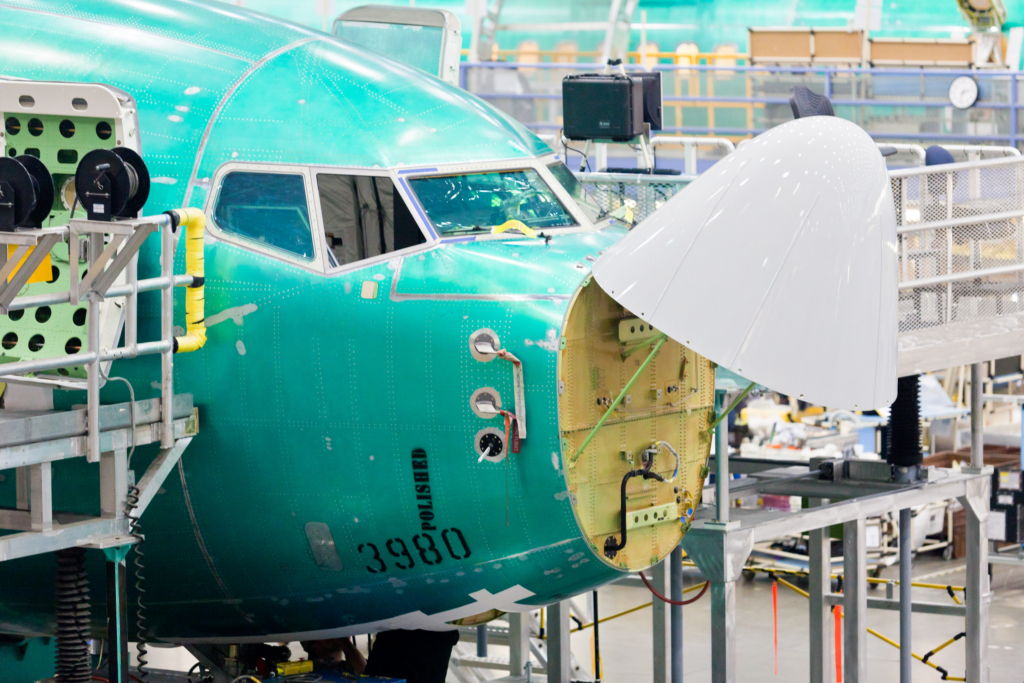
While the two issues appear unrelated, the timing underscores how closely regulators are now scrutinising manufacturing quality and electrical system integrity on Boeing’s best-selling narrowbody.
Since the Alaska Airlines 737 MAX 9 door plug accident in early 2024, the FAA has imposed stricter oversight of Boeing’s production processes and quality controls.
Latest 737 MAX wiring issue highlights Boeing’s manufacturing challenges
The wiring rework is the latest in a series of manufacturing issues that have complicated Boeing’s efforts to stabilise production of the 737 MAX.
Over the past few years, the programme has faced several quality problems, including:
- fuselage manufacturing defects involving supplier Spirit AeroSystems
- drilled hole issues in the rear pressure bulkhead
- the 2024 MAX 9 door plug blowout that triggered a production slowdown
- repeated delivery pauses tied to inspection and rework requirements

At the same time, Boeing has been working to rebuild confidence with regulators and customers while gradually increasing production rates.
The company has introduced tighter factory quality controls and expanded inspections across its manufacturing system, steps that executives say are necessary to create a more stable production environment.
The scratched wiring issue highlights the reality of that transition. While the defect appears relatively minor, it shows how even small production errors can ripple through the delivery schedule of Boeing’s most important commercial aircraft programme.
Featured image: Thiago Trevisan / stock.adobe.com