Astro Mechanica teams with UK SME Helix to build hybrid-electric engines for the next generation of supersonic aircraft

December 1, 2025
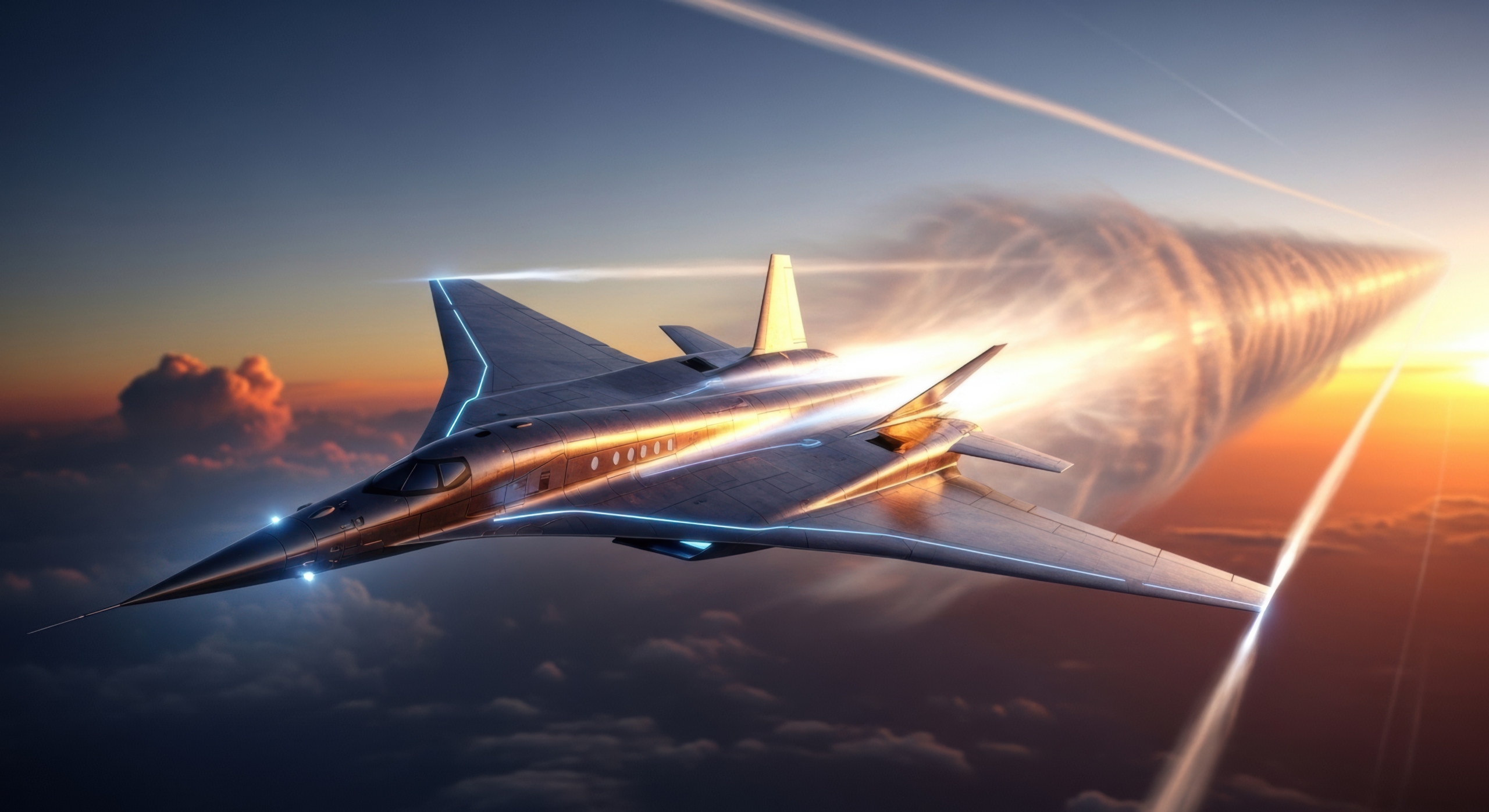
The return of commercially viable supersonic travel has long been one of aviation’s most stubborn engineering challenges. After Concorde, the industry spent decades searching for a propulsion system capable of delivering high-Mach performance without the crushing weight, fuel burn and operating costs that killed the first generation of supersonic aircraft.
A young California startup, Astro Mechanica, now believes it has found the missing piece. Its solution is a radically adaptive propulsion system called DualityTM, and at its heart sits a UK SME you may not have heard of: Helix, a company whose ultra-dense electric motors have become one of the most important enabling technologies in the project.
Together, the US–UK partnership is developing a turboelectric combined-cycle engine that can behave like three different powerplants in one, opening the door to long-range, efficient, and potentially affordable supersonic flight.
Love innovation and technology? Discover more of our stories here.
How a UK SME is powering the next generation of supersonic aircraft
Astro Mechanica’s innovation begins by splitting the traditional engine architecture into separate modules. Instead of a single turbine driving both compressor and fan, DualityTM uses a gas turbine solely to generate power, while a series of Helix electric motors drive the core compressor and fan independently.
This architecture lets the engine reshape how it behaves in flight:
- a turbofan for take-off and climb,
- a turbojet at supersonic speeds,
- and a ramjet beyond Mach 2,
all without changing hardware.
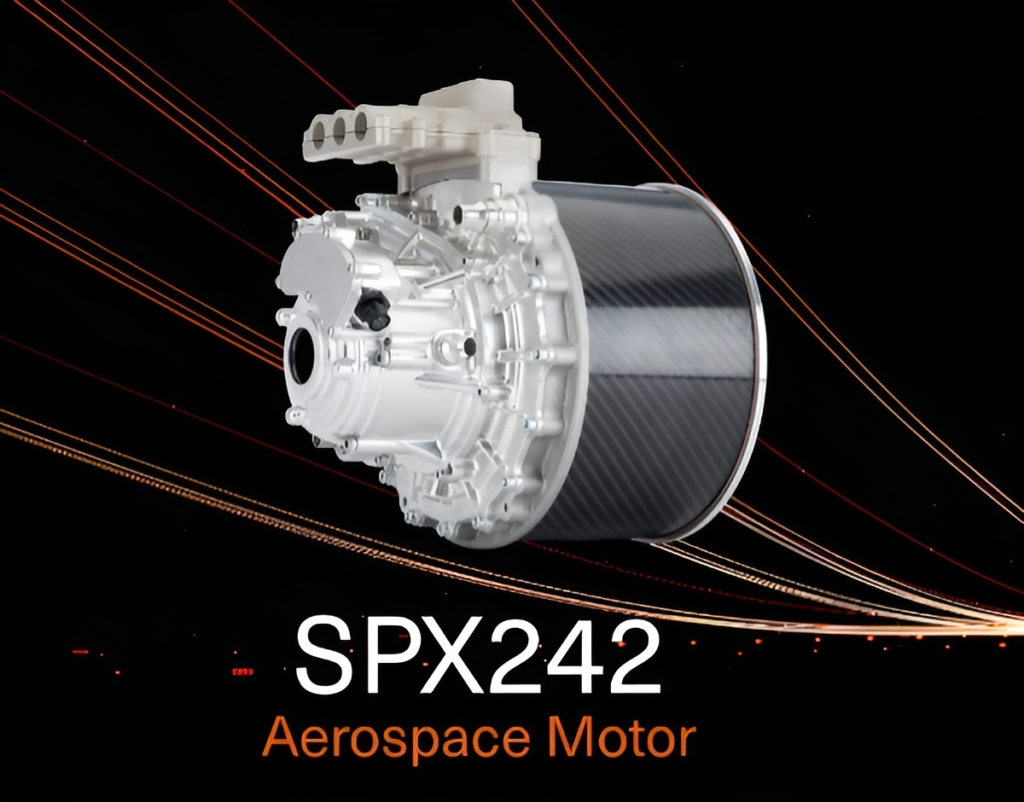
Helix’s contribution is the key. The fourth-generation DualityTM prototype uses four Helix SPX242-94 motors, each delivering 400 kW peak power and 470 Nm of torque while weighing just 31.3 kg. That power density is the difference between a theoretical design and one that can actually fly.
“DualityTM shows what becomes possible when you remove weight as the limiting factor,” said Derek Jordanou-Bailey, Aerospace Chief Engineer at Helix. “For decades, we’ve pushed electric powertrain performance to its limits, and now that same technology is enabling the next generation of high-speed flight.”
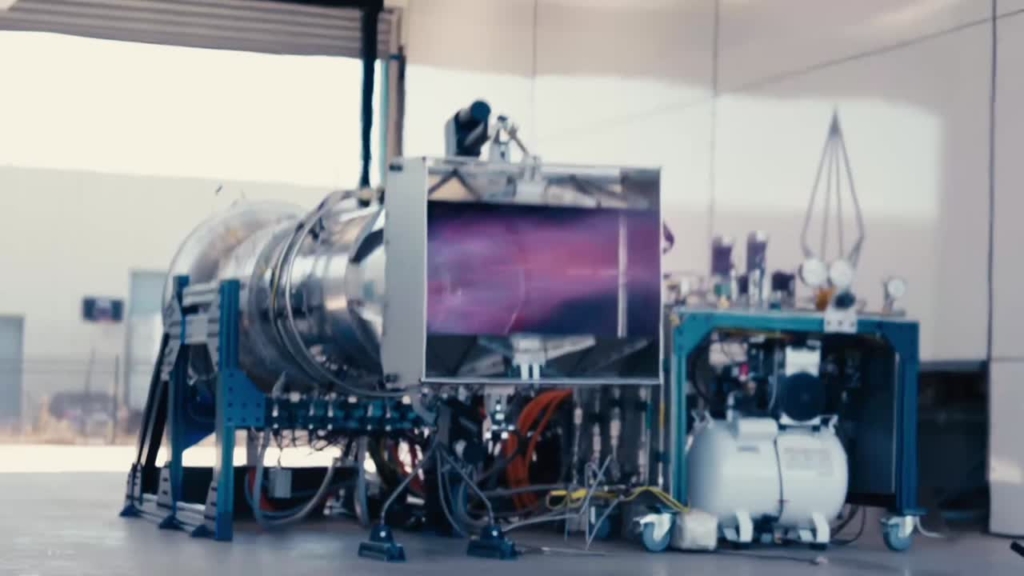
Astro Mechanica has validated the architecture through hot-fire testing of its third-generation engine. The current fourth-generation system is in active testing, with preparations underway for a flight demonstrator within three years.
How hybrid-electric propulsion could make long-range supersonic flight viable
Concorde’s biggest flaw was not speed, but fuel burn. It consumed enormous quantities of kerosene even during taxi. Astro Mechanica’s combined-cycle architecture addresses that directly.
Because the motors control airflow independently of the turbine, the engine can maintain optimum compression across all speeds. The design borrows heavily from electric automotive innovation, with high-efficiency motors spinning lightweight blisks and compressors to reduce drag and avoid the high fuel penalties that scaled conventional turbojets must endure.
Helix is already developing next-generation motors for DualityTM that will deliver 900 kW of continuous power, nearly triple today’s output, operating at 20,000 rpm and designed for extreme altitude and temperature environments.
Astro Mechanica also plans to fuel the aircraft with liquefied natural gas (LNG), which offers:
- around 61% more range than kerosene,
- roughly 30% lower CO₂ emissions,
- and potential for synthetic, net-zero production.
The company’s commercial vision is equally unconventional. Rather than recreate the hub-and-spoke airline model, it envisages smaller supersonic aircraft flying point-to-point from smaller airfields, using on-demand service and low-infrastructure operations to make fares competitive with today’s long-haul flights.
Why defence will adopt supersonic hybrid engines before commercial aviation
Astro Mechanica is clear that government and defence customers will be the first adopters, enabling faster testing cycles and earlier deployments.
“The government sector, where new capability carries greater value, will be the first adopter,” the company told AGN. “Civil adoption depends on reliability and economics. Starting with government applications allows us to place less emphasis on longevity initially and accelerate our testing.”

This dual-use approach mirrors the strategy of many breakthrough aerospace programmes, and the company already has interest from multiple US defence agencies.
It has also secured $27.1 million in new funding, including investment from United Airlines Ventures, giving the project both financial runway and industry validation.
The engineering hurdles to scaling hybrid-electric supersonic engines
Asked about the biggest technical barrier to scaling DualityTM into a certifiable supersonic engine, Astro Mechanica pointed to two core issues:
- Staying within mass limits, because hybrid-electric systems naturally add weight
- Achieving target TSFC/Isp efficiency across the entire flight envelope, especially at high-Mach cruise
Maintenance could become the single biggest economic risk.
“Performance assumptions must be validated before operations can begin,” the company said. “Maintenance needs, however, will not be fully known until later. That presents a greater risk of unexpected impact.”
Why Helix’s power-dense motors are essential to Astro Mechanica’s DualityTM engine
Helix is not a household name in aerospace, but its influence is substantial. Its motors are used in Formula E, hypercar programmes, defence platforms, and now in one of the world’s most ambitious supersonic engine projects.
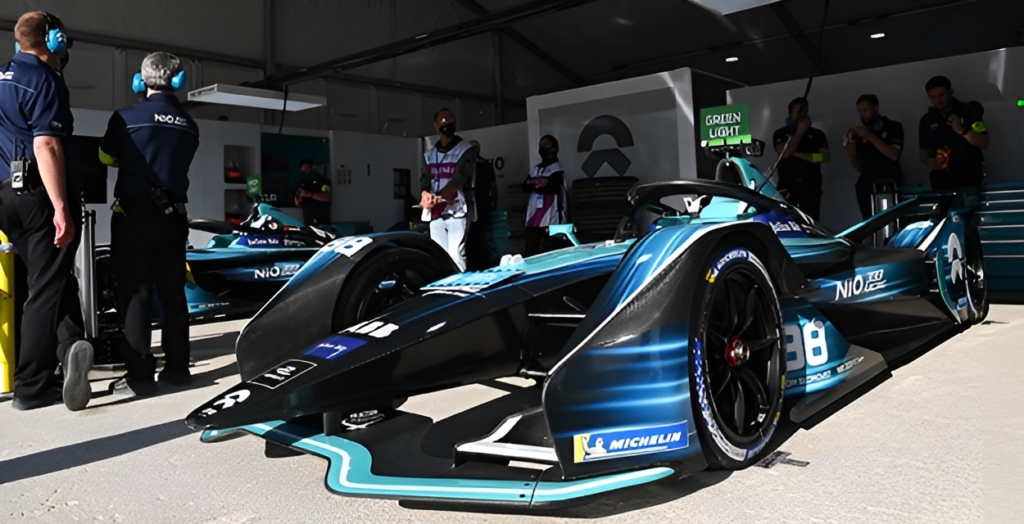
Without high power density, DualityTM would simply become too heavy to fly economically. With it, Astro Mechanica believes the world’s first transpacific, Mach 2–3 aircraft could be flying within the decade.
For the UK, Helix’s role signals something important: even at the cutting edge of future supersonic and hypersonic propulsion, innovative SMEs remain crucial.
What Astro Mechanica is building is bold, speculative, and hugely challenging, but increasingly real. If Helix can keep pushing power density upward while pulling weight downward, the next era of high-speed flight may arrive much sooner than expected.
Featured image: Lunar Muse / stock.adobe.com