Analysis: Why the Allegiant–Sun Country merger could test US antitrust rules

January 12, 2026

Allegiant and Sun Country announced their proposed merger on January 11. While the deal promises network growth for leisure travellers, it also raises distinctive competition questions for regulators.
The Allegiant and Sun Country deal terms at a glance
The merger was announced on January 11 in a deal valued at $1.5 billion.
Under the definitive agreement announced by the airlines:
- Sun Country shareholders will receive 0.1557 Allegiant shares and $4.10 in cash per share
- The transaction values Sun Country at about $1.5 billion, including net debt
- Allegiant shareholders will own approximately 67% of the combined company, with Sun Country shareholders holding about 33%
- The combined airline will be headquartered in Las Vegas, with a significant operational presence in Minneapolis–St. Paul
- The new carrier would serve nearly 175 cities across more than 650 routes
- The combined fleet would include approximately 195 aircraft, with additional jets on order
- Allegiant expects the deal to generate around $140 million in annual synergies within three years through network optimisation, procurement savings and fleet utilisation
What the airlines’ CEOs said about the merger
In the joint announcement, Allegiant CEO Gregory C. Anderson, who will lead the combined company, emphasised the carriers’ shared focus on underserved markets.
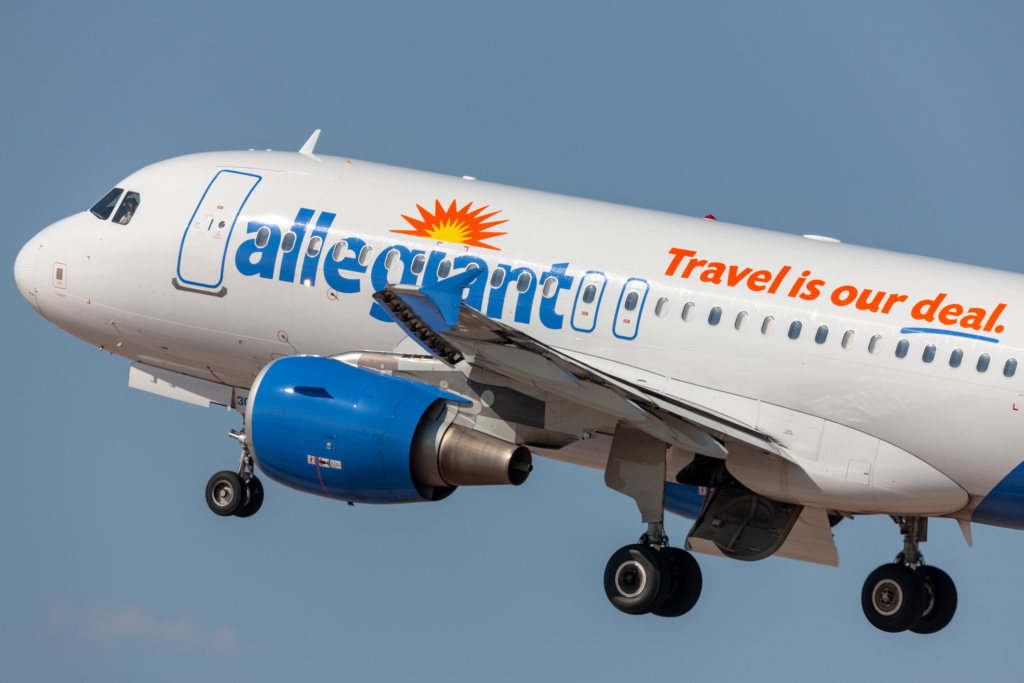
“This combination is an exciting next chapter in Allegiant and Sun Country’s shared mission in providing affordable, reliable, and convenient service from underserved communities to premier leisure destinations,” Anderson said.
“Together, our complementary networks will expand our reach to more vacation destinations, including international locations. With our combined strengths– including operational excellence, consistent profitability, strong balance sheets, and fleet ownership, we will create an even more resilient and agile airline that delivers greater value to travellers, partners, Team Members, shareholders, and the communities we serve.”

Sun Country President and CEO Jude Bricker, who will join the board of the merged airline, framed the deal as a growth opportunity.
“Over Sun Country’s 43-year history, we have grown to become one of the nation’s most respected low-cost, leisure airlines,” Bricker said. “We are two customer-centric organisations, deeply committed to delivering affordable travel experiences without compromising on quality.”
An airline merger built around thinly served airports
A central theme of the merger—and a likely focus for regulators—is Allegiant’s long-standing strategy of operating at small and mid-sized US airports that are served by no major network carriers.
In several cases, Allegiant is effectively the only regularly scheduled airline at an airport, giving it a dominant role in local air service. The airline’s low-cost model has also helped keep fares affordable in these markets, with some of the lowest average airfares in the US.
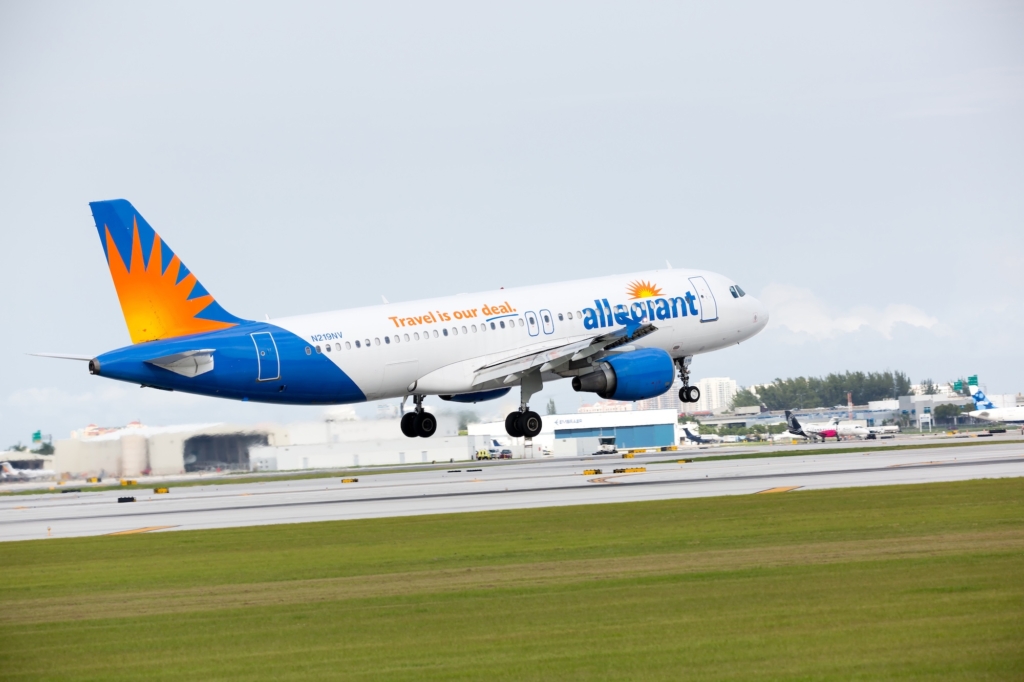
According to figures published by the Bureau of Transportation Statistics, the National Average airfare in 2025 was $385.50. However, many airfares at airports where Allegiant is the sole or near-sole air service provider are significantly lower.
- Punta Gorda Airport (PGD) (2025 average airfare $127.39)
Allegiant has historically been the primary—and at times the only—scheduled commercial airline, turning the airport into a major leisure gateway for southwest Florida. - St. Pete–Clearwater International Airport (PIE) (2025 average airfare $109.12)
- Allegiant accounts for the overwhelming majority of scheduled passenger traffic, with limited, often seasonal competition.
- Phoenix–Mesa Gateway Airport (AZA) (2025 average airfare $132.42)
Located well outside Phoenix Sky Harbor, the airport relies heavily on Allegiant for scheduled service to leisure destinations. - St. Cloud Regional Airport (STC) (2025 average airfare $150.86)
Allegiant provides limited but critical nonstop leisure links from a market that otherwise has very little scheduled air service.
Sun Country contributes more leisure destinations and cargo services
Sun Country’s network, by contrast, is concentrated in larger markets and in seasonal leisure flying to sun destinations in the US, Mexico, Central America and the Caribbean.
At its base in Minneapolis–St. Paul International Airport, the average airfare in 2025 was $401.09, though Sun Country offers low-cost airfares below that average. The airline is rarely the sole carrier at an airport but often operates unique nonstop routes that larger airlines do not.
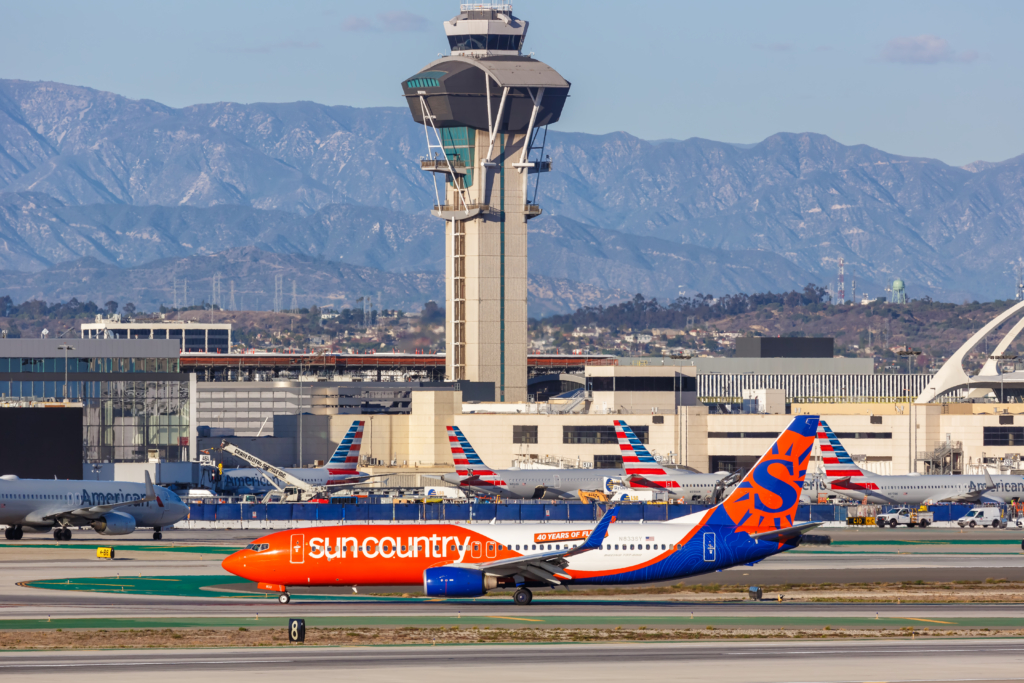
The merger would also add Sun Country’s charter and cargo operations — including long-term freight flying — to Allegiant’s predominantly passenger-focused model.
What the merger will mean for Allegiant and Sun Country employees
Allegiant and Sun Country framed the merger as providing employees with “increased opportunities,” including new roles, advancement, and cross-training across the combined airline, resulting from a larger network and fleet. The airlines stated that their corporate cultures are complementary and “will remain central to training, operations, and customer care.”
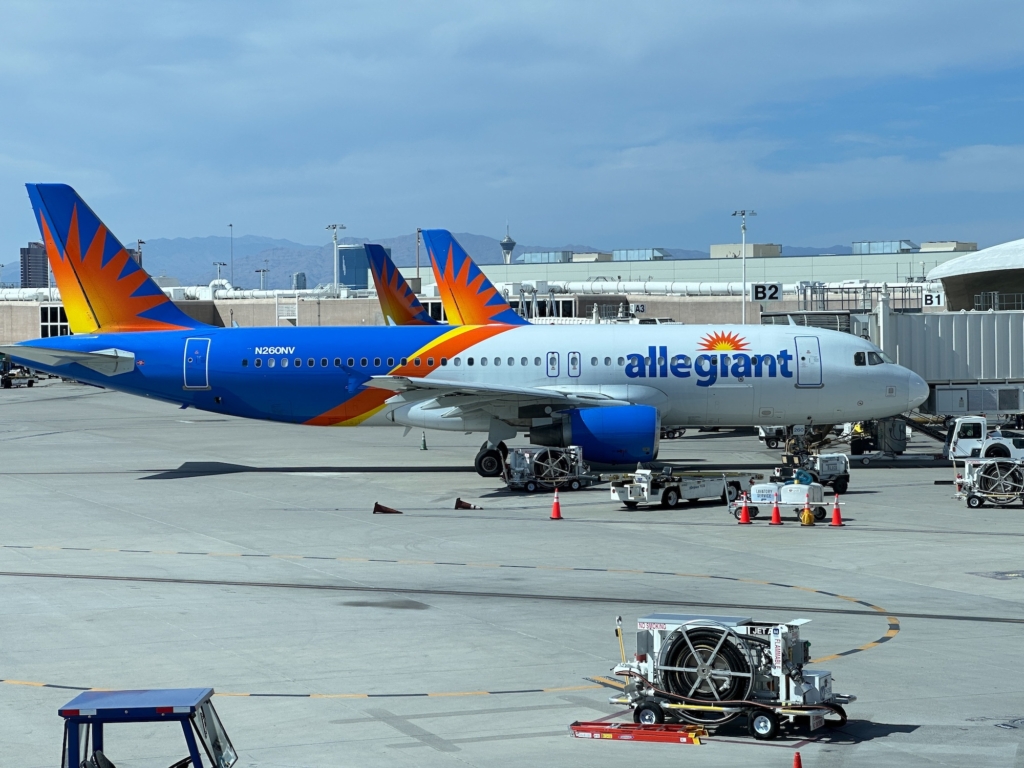
The airlines foresee more opportunities for pilots, crew and operational staff through combined operations and service of Sun Country’s long-term charter contracts and cargo partnerships.
“Allegiant and Sun Country will work closely with employees and their unions — including pilots, flight attendants, mechanics, ground staff, and dispatchers — to ensure a smooth and transparent integration process,” the airlines stated. “Existing collective bargaining agreements will remain in effect, and the companies will follow all processes required under the Railway Labour Act.”
The Allegiant and Sun Country merger still needs to pass regulatory scrutiny
For regulators, the Allegiant and Sun Country deal could raise questions about competition in markets that already have limited airline choice. Regulators will closely examine the impact of the airlines’ tie-up, particularly at airports where Allegiant already dominates scheduled service.

US antitrust authorities have taken a tougher stance on airline consolidation in recent years.
In early 2024, the DOJ sued to stop JetBlue Airways’ $3.8 billion acquisition of Spirit Airlines, arguing it would reduce competition, eliminate an aggressive low-fare competitor, and lead to higher fares and fewer choices for travellers.
A federal judge agreed with the Department of Justice and blocked the merger on antitrust grounds, and JetBlue ultimately abandoned the transaction.
What the Allegiant and Sun Country merger means for travellers
For travellers in smaller cities, the airlines argue the merger could result in more nonstop leisure options and access to a broader combined network. Both airlines said there would be no immediate changes to schedules, loyalty programs, or booking platforms while regulatory approvals are pending.
However, the airlines did note: “Adding Sun Country’s more than 2 million members to Allegiant’s 21 million member base further enhances the relevance of the combined program, driving greater customer rewards.”

If approved, the Allegiant–Sun Country merger would create a leisure airline with a distinctly different profile from the major US network carriers with fewer hubs, more point-to-point flying, and a business model built around airports that many larger airlines have long bypassed.
Whether that strategy proves attractive to regulators may ultimately determine how quickly the deal clears for takeoff.
Featured Image: angeldibilio | stock.adobe.com