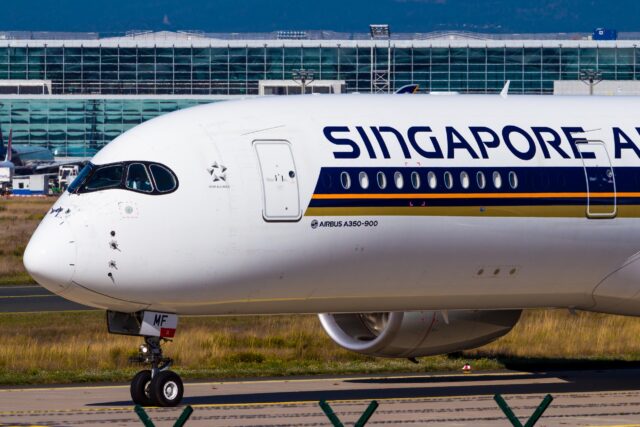
Airlines and airports urge EU to delay Schengen Entry/Exit System rollout over fears of 4-hour summer queues

February 11, 2026
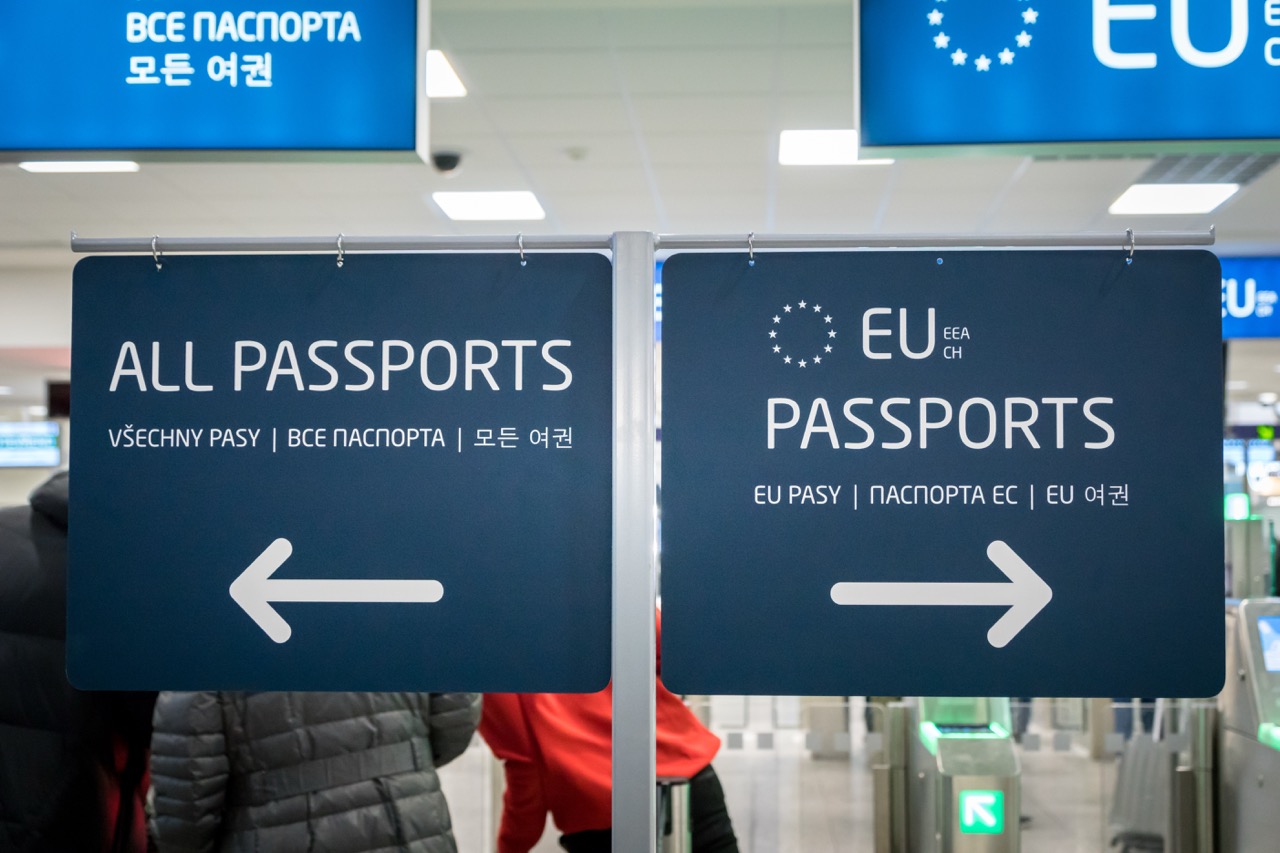
Europe’s aviation sector is urging the EU Commissioner to delay the full rollout of the Schengen Entry/Exit System (EES) to the end of October. The EU has recently updated EES requirements, allowing member states to delay deployment through early September, if necessary.
The associations warn of severe passenger disruption this summer, with queues at airport border controls potentially stretching to four hours or more unless the EU takes urgent action.
In a joint intervention, Airports Council International Europe (ACI EUROPE), Airlines for Europe (A4E) and the International Air Transport Association (IATA) wrote to EU Commissioner for Internal Affairs and Migration, Magnus Brunner, drawing attention to the operational challenges of introducing the biometric border-control system across the Schengen zone.
EES rollout is already causing airport border delays across Schengen
According to the aviation industry groups, passengers are already facing excessive waiting times of up to two hours at airport border checkpoints during the current phase of the rollout. It requires registration of 35% of third-country nationals entering the Schengen zone.

They argue the disruption stems from three unresolved structural problems:
- Chronic understaffing at border control points
- Ongoing technology and automation issues are affecting the new system
- Low adoption of the Frontex pre-registration app among Schengen states
Without rapid mitigation, the organisations warn that the shift to full mandatory EES registration during the July–August peak could push waiting times at major airports to more than four hours.
Airline groups urge EU to delay full ESS rollout
Airlines and airports urged the European Commission to confirm that member states can partially or fully suspend EES operations until the end of October 2026 if disruption becomes unmanageable.
The EU recently announced that member states can partially suspend EES operations after the original April 10 deadline, for up to 90 days, with the option to extend by an additional 60 days to cover the summer peak. That would mean initial flexibility through July 9, with an additional 60-day coverage extending through September 7.

Industry leaders say it remains unclear whether the additional 60-day summer coverage will be granted under the Schengen Border Code’s provisions for relaxing border-control checks, raising the risk that the flexibility could end in early July. They warn this lack of clarity creates uncertainty for airline and airport peak-season planning.
IATA, A4E and ACI EUROPE warn of severe summer border disruption
In a joint statement, ACI EUROPE Director General Olivier Jankovec, A4E Managing Director Ourania Georgoutsakou, and IATA SVP External Affairs Thomas Reynaert warned that policymakers risk underestimating the real-world impact of the system’s rollout.
“There is a complete disconnect between the perception of the EU institutions that EES is working well, and the reality, which is that non-EU travellers are experiencing massive delays and inconvenience,” they said.
“We need to be realistic about what will happen during the peak summer months, when traffic at Europe’s airports doubles. The rollout of EES must be flexible to react to operational realities. This is an absolute prerequisite for its success – and for safeguarding the reputation of the EU as an efficient, welcoming and desirable destination.”
What the EU Entry/Exit System means for Schengen travel and ETIAS
EES will replace passport stamping with biometric registration and automated tracking of short-stay visitors. It is part of the EU’s wider digital border-management strategy, which also includes the new ETIAS (European Travel Information and Authorisation System) digital pre-clearance for visa-exempt travellers. A delay of one results in a delay of the other, and both systems are already four years behind schedule.
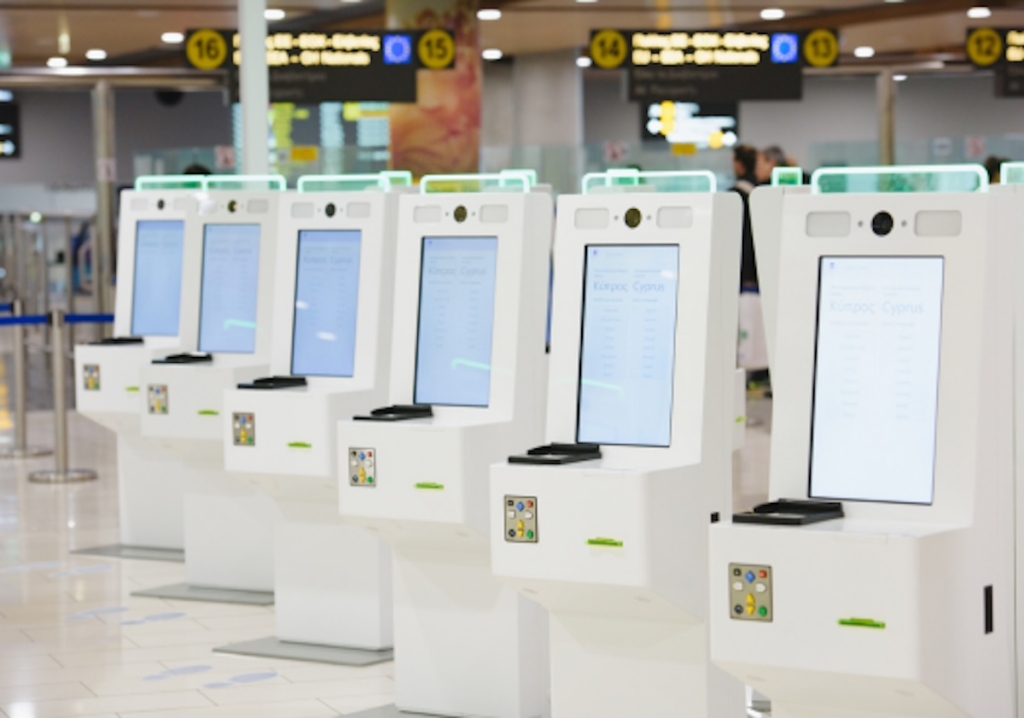
- EES has had several major postponements due to technical and administrative issues impacting implementation since its original first-half 2022 target.
- ETIAS implementation is also delayed from its original 2022 target, largely because EES must first become operational. The EU currently plans to launch ETIAS in the last quarter of 2026, following the EES rollout.
With passenger volumes rebounding and airports already operating at capacity during summer peaks, aviation leaders warn that EES implementation without operational safeguards could undermine both traveller experience and Europe’s competitiveness as a destination.
Over the coming months, the EU’s ability to address staffing shortages, technology readiness, and deployment flexibility will determine whether EES launches without significant air travel chaos this summer or becomes one of the most disruptive border-control transitions in European aviation history.
Featured Image: Marius Karp | stock.adobe.com