IAG’s transatlantic boutique airline: What happened to British Airways OpenSkies?

February 15, 2026
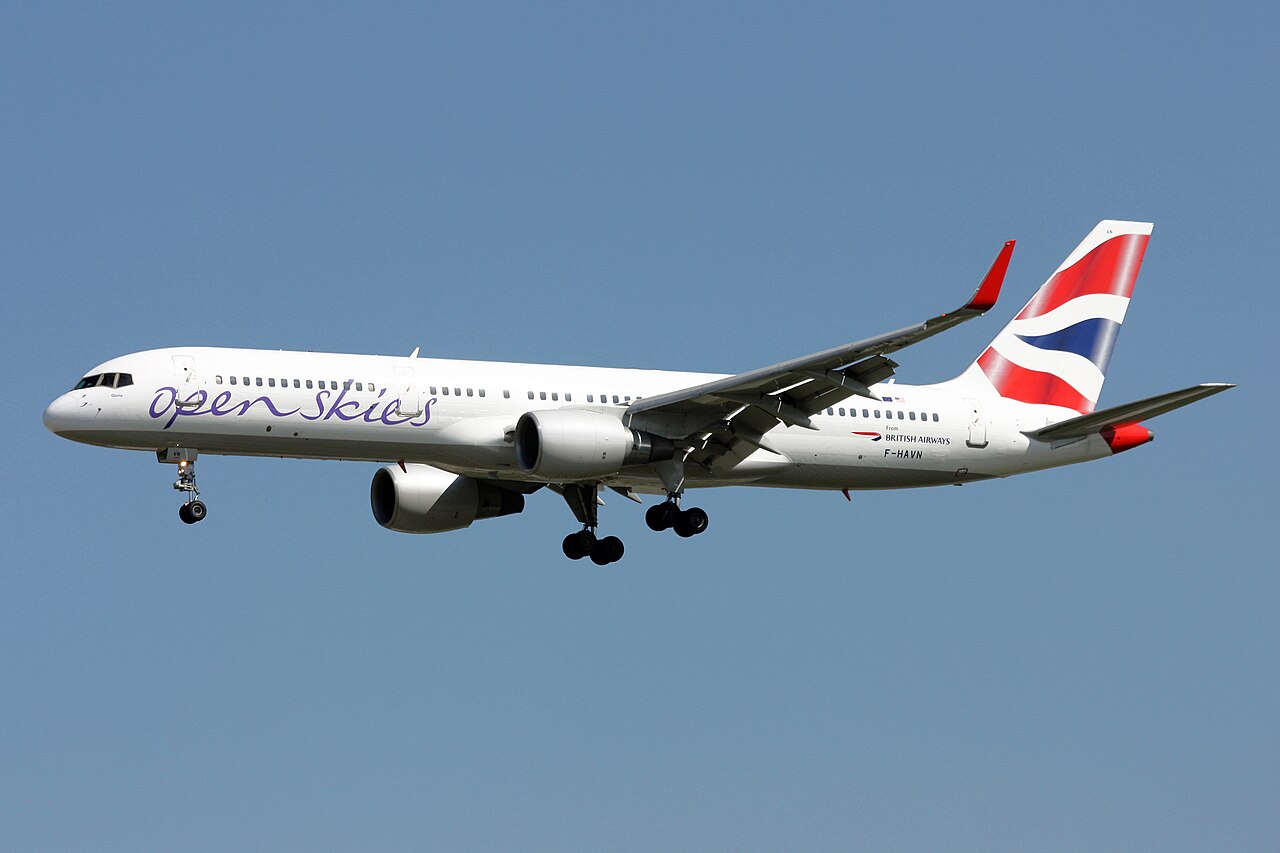
Open skies, in aviation jargon, conjures up impressions of liberalised air service agreements reached between two or more countries, to broaden connections by air between the participating members. However, if you go back far enough, it was also the moniker selected to be the name of an IAG boutique airline that would fly scheduled passenger flights across the Atlantic.
Flying from 2008 until its rebranding in 2018, OpenSkies existed as a subsidiary of British Airways for 12 years, operating niche routes from continental Europe to points in the US.
Aerospace Global News explores the history behind British Airways OpenSkies, its operation and ultimately its demise just as COVID-19 encompassed the globe.
The establishment of British Airways OpenSkies
British Airways OpenSkies (‘OpenSkies’) was first established in 2008. With growth in long-haul business travel continuing to prosper, UK flag carrier British Airways decided to expand its transatlantic operations and broaden its reach into continental Europe.
The strategy employed at the time was to expand the parent airline’s appeal on foreign shores and remove the over-reliance on London Heathrow Airport (LHR), which by this time had become overcrowded and slot-constrained.
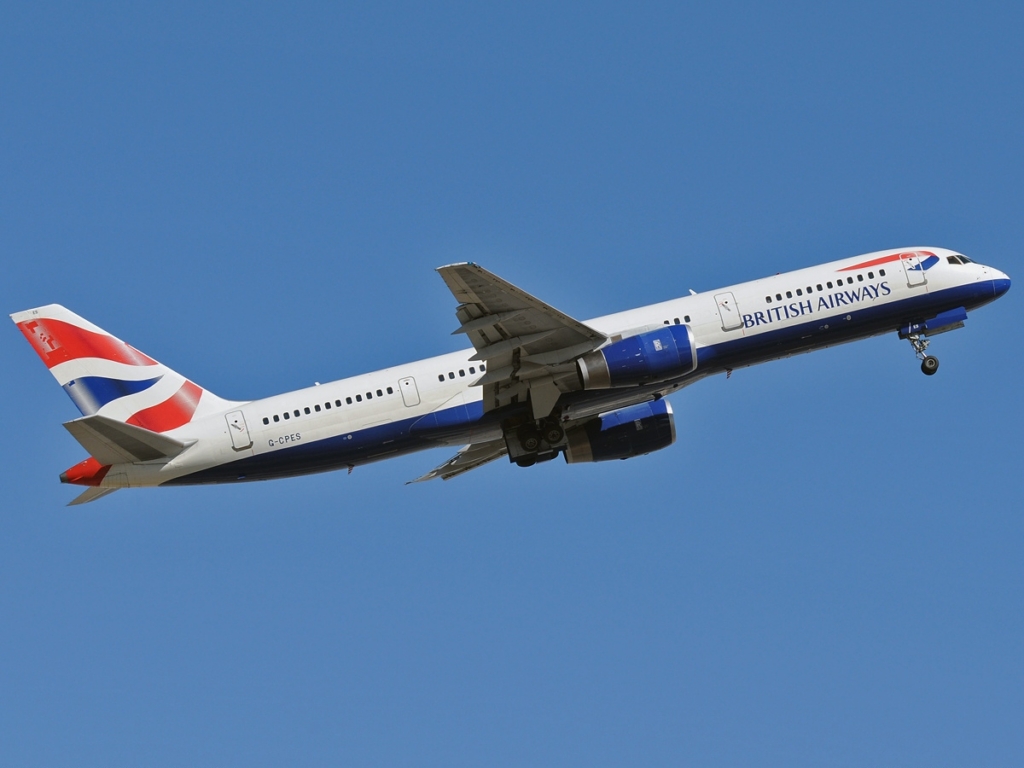
The strategy would see the new airline operating from major European cities such as Paris and Amsterdam to US cities including New York and Washington DC – cities that could easily be reached by ETOPS-certified Boeing 757-200s, which would be provided by the parent airline.
Routes between the EU and the US had just become available under a newly signed Open Skies agreement between the two parties in March 2008, making access to the routes relatively easy for British Airways to enter the market (the UK was still part of the European Union at this stage).
The newly signed EU-US Open Skies Agreement effectively permitted any airline based in the United States or the European Union to operate services between any two points in the EU and the United States without restriction.
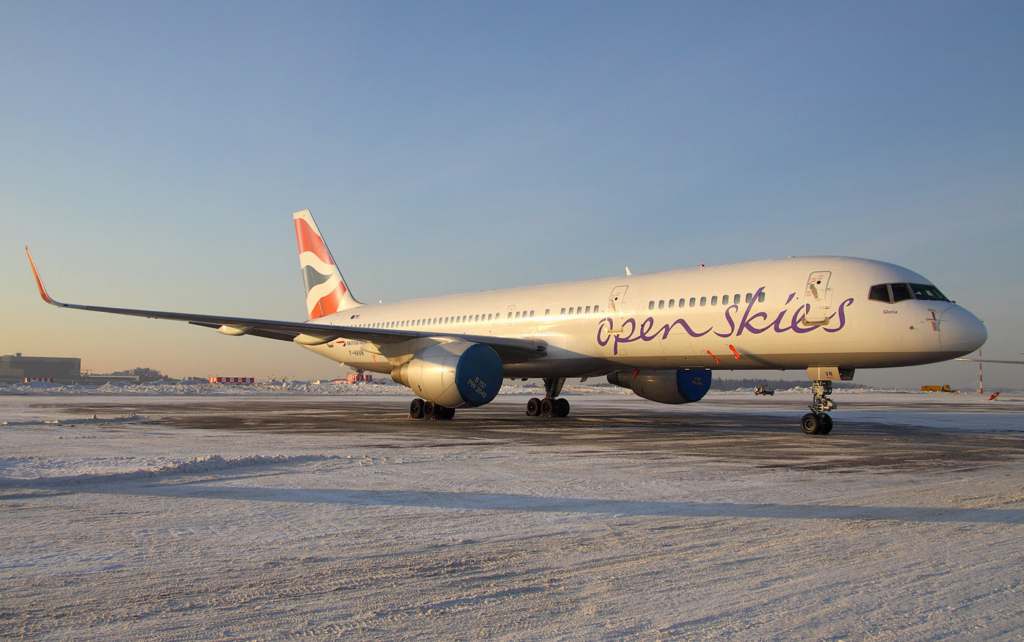
The plan was to provide the new carrier with a large number of reconfigured Boeing 757s that were due to be phased out by British Airways. However, the launch of OpenSkies caused some controversy and provoked industrial relations tensions with British Airways pilots who objected to the establishment of a new airline outside of their collective bargaining agreement with the airline.
On launch, OpenSkies would be particularly aimed at the US market with its long-haul business class branded as ‘Biz Bed’. The branding and service at the time of launch were deliberately made distinctive from that offered by British Airways and took its inspiration from other transatlantic boutique premium airlines such as SilverJet and eos that were operating at that time.
2008 – Open Skies takes to the air for its first flight
In March 2008, in order to facilitate the new airline, IAG founding member British Airways launched a new subsidiary airline called BA European Limited, trading as OpenSkies (and previously known as ‘Project Lauren’). The airline initially launched with a UK Civil Aviation Authority–issued Type A Operating Licence.
This licence would permit the new airline to carry passengers, cargo, and mail on aircraft with 20 or more seats. The CAA certificate was later surrendered in favour of operating under a certificate issued by the French Ministry of Transport, as a result of the airline becoming Paris Orly-based (ORY).
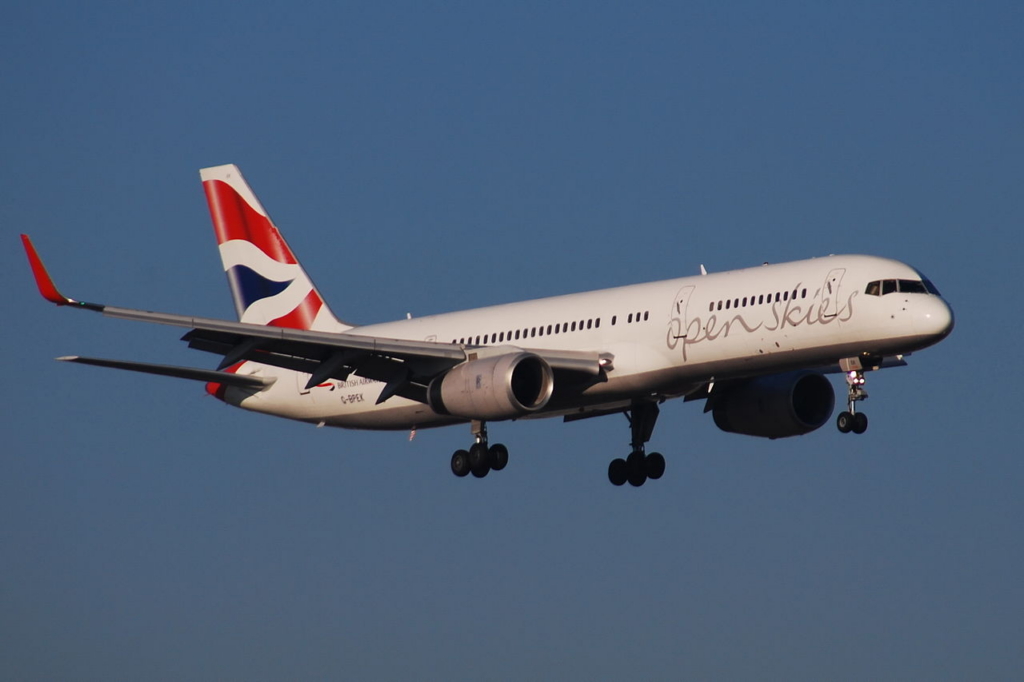
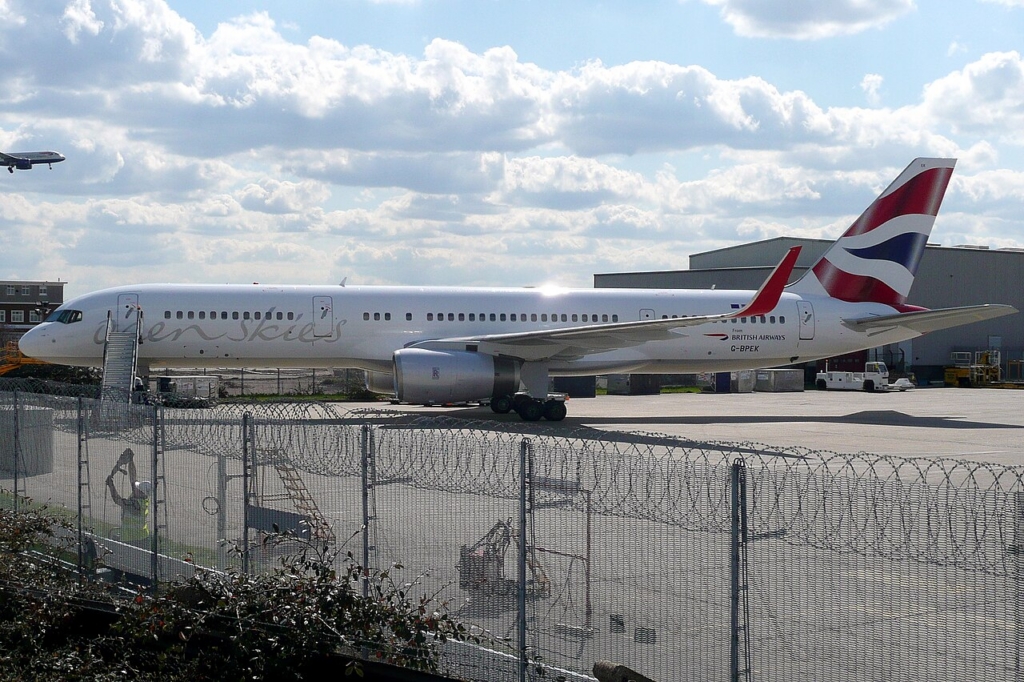
OpenSkies’ first flight operated from New York JFK Airport (JFK) heading to Paris Orly, on 19 June 2008, using a single Boeing 757 (F-GPEJ) transferred from the BA fleet and previously registered as G-BPEJ. A second aircraft would join in the form of F-GPEK, formerly G-BPEK with British Airways.
Acquisition of L’Avion spurs growth of OpenSkies
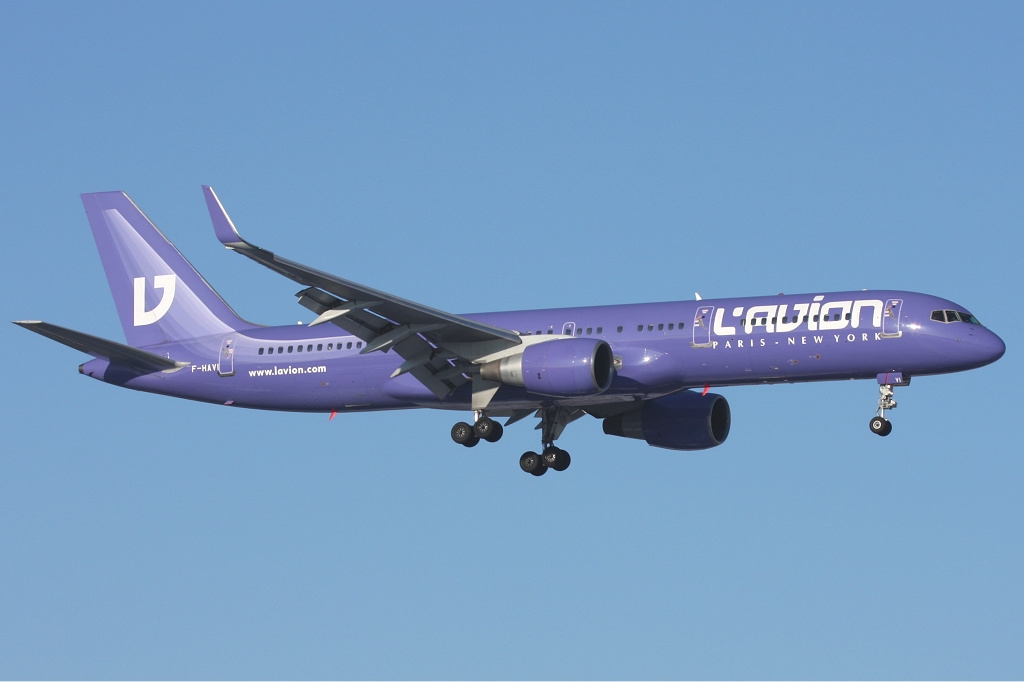
With a view to growing its new airline more quickly, in July 2008, British Airways purchased the Orly-based French boutique airline L’Avion, another all-Boeing 757 airline, for £54 million ($73 million). BA’s European operations merged with those of L’Avion on 4 April 2009, with the latter airline’s fleet of two Boeing 757-200s joining the OpenSkies fleet.
With four aircraft now at its disposal and its operations up and running, in late 2008, OpenSkies announced that potential future routes for the airline included routes to the US from Dublin, Frankfurt, Madrid, Brussels, Rome and Milan.
The third destination for OpenSkies (after JFK and CDG) was Amsterdam Schiphol (AMS), when flights to New York began on 15 October 2008. Additionally, with the incorporation of L’Avion, flights between Paris and Newark-Liberty International Airport (EWR) were added to the network in April 2009, as were flights between Paris Orly and Washington Dulles Airport (IAD).
However, on 24 July 2009, the airline announced that the route from New York-JFK to Amsterdam Schiphol would be suspended as of 16 August 2009 due to economic pressures. Then, on 30 September 2009, the airline announced that the Washington to Paris service would also be dropped from 29 October.
Then, in December 2009, the airline announced a change of its New York operations, whereby from January 2010, all OpenSkies flights would operate from Newark instead of JFK Airport – a move that was said at the time to be due to congestion and a lack of parking lots at the British Airways-owned terminal at JFK.
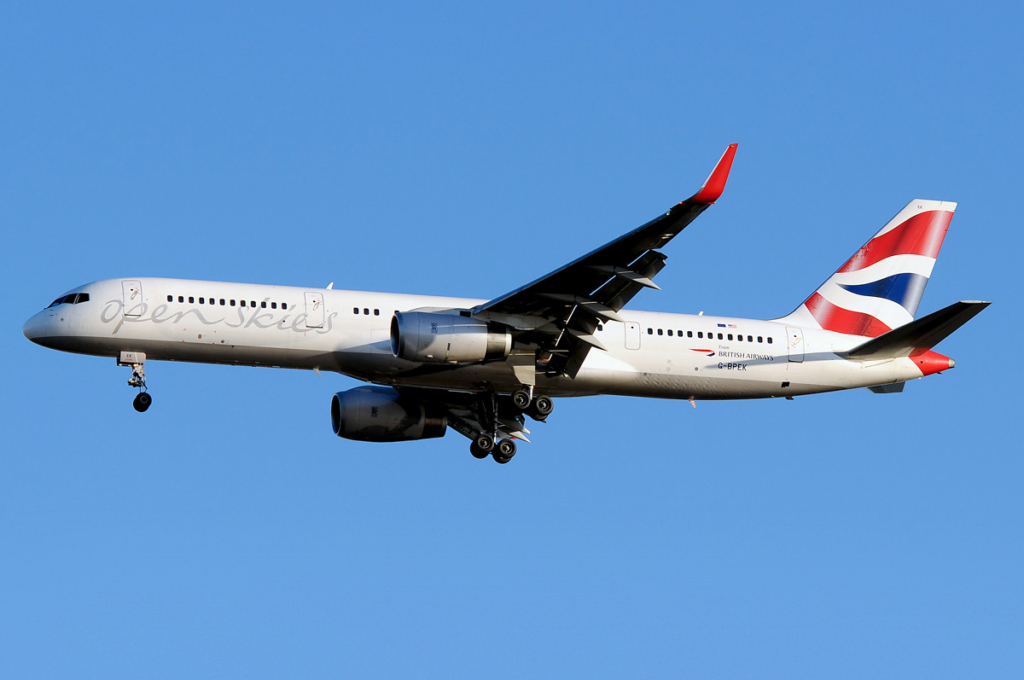
In 2012, OpenSkies joined the oneworld alliance, of which British Airways had been a founding member since its inception in the late 1990s.
While the airline was flying high on its core routes from Paris, by this stage, it appeared to have scaled back its initial growth aspirations. In early 2009, British Airways said it had decided to sell what remained of its Boeing 757 fleet rather than transfer them to OpenSkies.
Details about the OpenSkies fleet
According to Planespotters.net, OpenSkies operated a fleet of five aircraft in total during its existence. Two Boeing 757-200s were the former British Airways machines, while two others (F-HAVN and F-HAVI) were the former L’Avion aircraft.
Three of the four 757s featured a three-class, 114-seat configuration. This consisted of 20 business class seats, 28 in premium economy, and then a 66-seat economy cabin at the rear of the aircraft. The airline’s fourth 757 featured a far greater premium-heavy configuration with just 64 seats (24 in first class and 40 in business class).
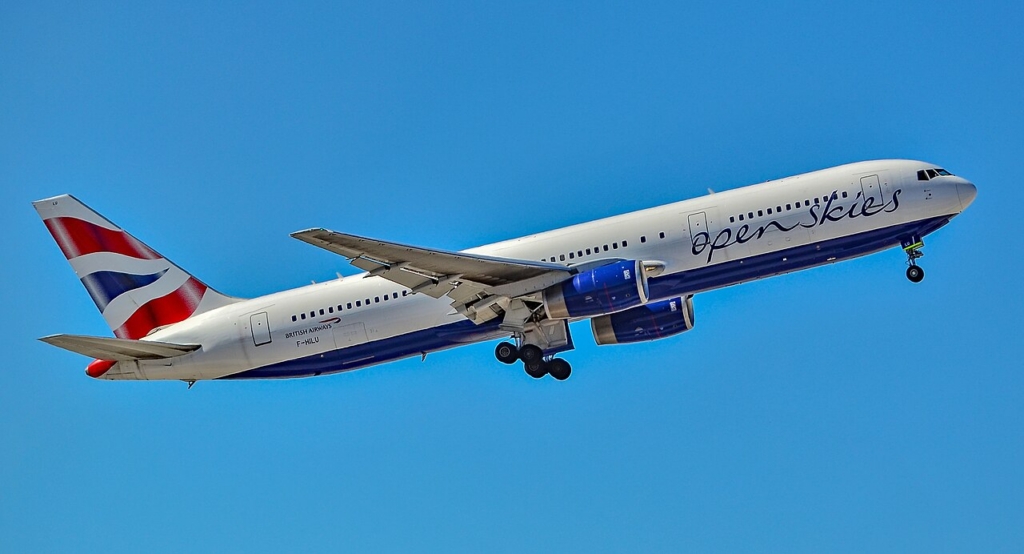
In addition to the quartet of Boeing 757s on strength, OpenSkies later acquired a single former British Airways Boeing 767-300ER in 2016. Registered as F-HILU (formerly G-BNWI with BA), this aircraft had already served for 26 years as part of the British Airways widebody fleet.
This aircraft, operated in a three-class, 192-seat layout featuring 24 seats in business class, 24 in premium economy and 144 in economy. However, this aircraft would only serve with Open Skies for around two years before being scrapped by British Airways in 2018.
OpenSkies becomes LEVEL France
After 10 years operating under the OpenSkies banner, the airline was subjected to a rebranding program orchestrated by IAG, which started in 2017. On 28 November 2017, IAG announced that its Spanish-based low-cost airline brand LEVEL would launch flights in July 2018 from Paris Orly Airport under the LEVEL France brand.
This new airline would be operated by staff who were currently employed by OpenSkies and using that airline’s air operator’s certificate.
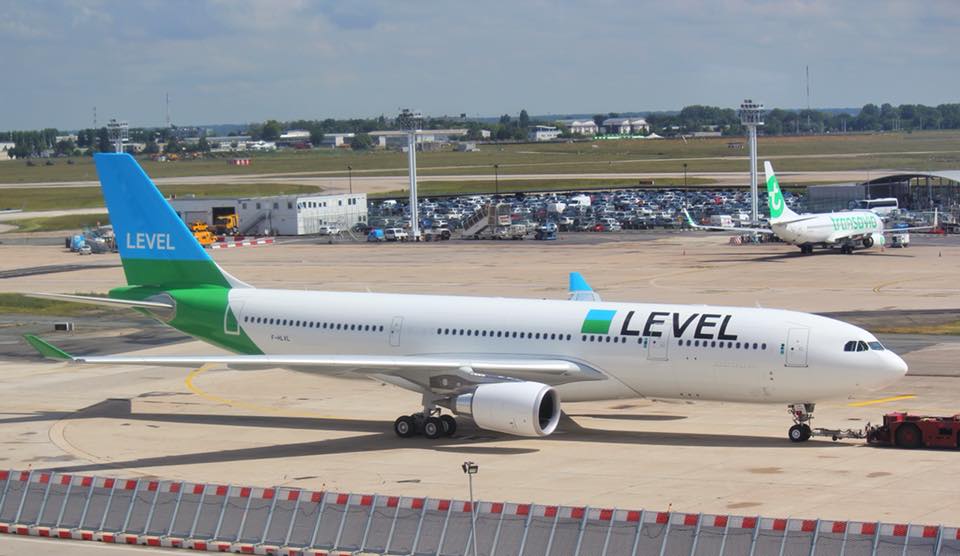
In preparation for the change, OpenSkies’ two-letter IATA code was changed from EC to LV in May 2018. The four remaining Boeing 757s were disposed of and replaced by three incoming Airbus A330-200s sourced from IAG-owned Iberia.
But the name change would also mark a change in direction for IAG. Rather than pursue the business-heavy travel sector, LEVEL France (like its sister airline in Spain) would be a low-cost carrier with high-density seating in its aircraft. Its A330s were more densely configured, with just 21 premium economy seats ahead of a 293-seat economy section, which dominated the aircraft.
2020 – the curtain finally falls on OpenSkies
The OpenSkies brand officially ceased to operate on 2 September 2018, after which all its staff began to operate LEVEL flights. The last OpenSkies-branded flights between Paris Orly and New York JFK operated on 24 March 2018, while the last flights between Paris Orly and Newark operated on 2 September 2018. From then on, all flights were operated by OpenSkies trading as LEVEL France.
On 8 July 2020, IAG announced that OpenSkies/LEVEL France would be closed entirely due to the onset of the COVID-19 pandemic. Its three A330s were returned to LEVEL’s sister airline in Spain.
While reservations for flights operated by LEVEL France were reopened at a later date with the hope that services would resume in October 2020, this restart was later postponed to December 2020. However, flight operations ultimately never resumed, and all future reservations were cancelled, bringing the curtain down on 12 years of OpenSkies operations.
Featured image: Kambui / Wikimedia Commons