Airbus trims A320neo production rates over Pratt & Whitney GTF engine delays

February 19, 2026
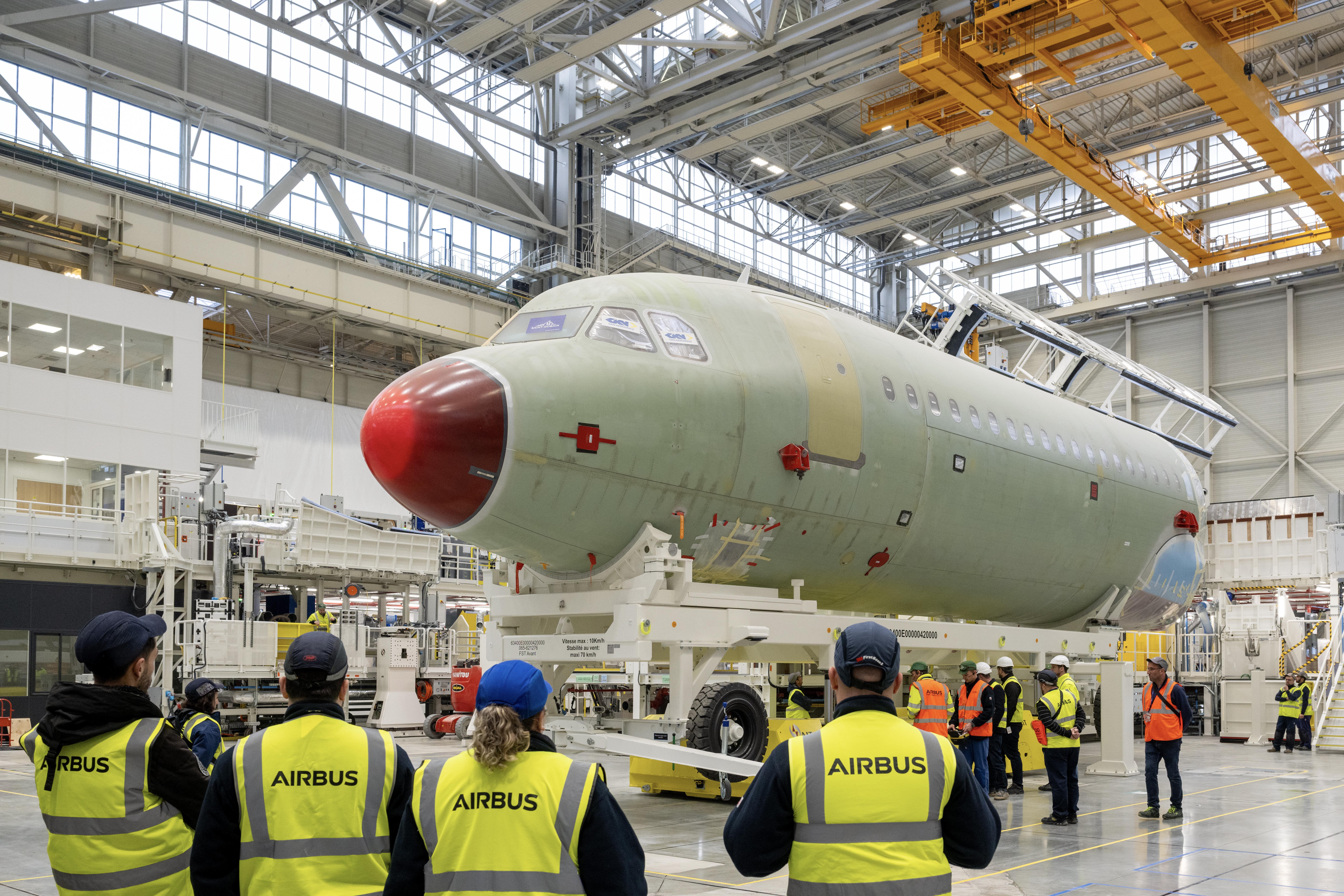
Airbus has been forced to curtail its ambition to reach ‘rate 75’ with its A320neo family of aircraft as slower-than-expected engine deliveries weigh heavily on its timelines.
Calling the situation “very painful and unsatisfactory”, Airbus CEO Guillaume Faury reset investor expectations on production rates, noting that the rate 75 target was now the end of 2027.
Airbus had been working towards a production rate of 75 narrowbody aircraft a month in 2027, the highest production rate ever seen in civil aerospace.
Even with these headwinds, Airbus has committed to a higher delivery target than in 2025. It guides for around 870 commercial aircraft deliveries this year, up from 793 in 2025.
Airbus in dispute with Pratt & Whitney over engine delays
Airbus made clear that it is still in a period of ramp-up and that it expects production rates to grow in 2026. However, the CEO was clear that Airbus’s efforts were being undermined by contractual misses from Pratt & Whitney.
“Pratt & Whitney’s failure to commit to the number of engines ordered by Airbus is negatively impacting this year’s guidance and the ramp-up trajectory for this year,” Faury said. “As a consequence, we now expect to reach the rate of between 70 and 75 aircraft a month by the end of 2027, stabilising at rate 75 thereafter.”
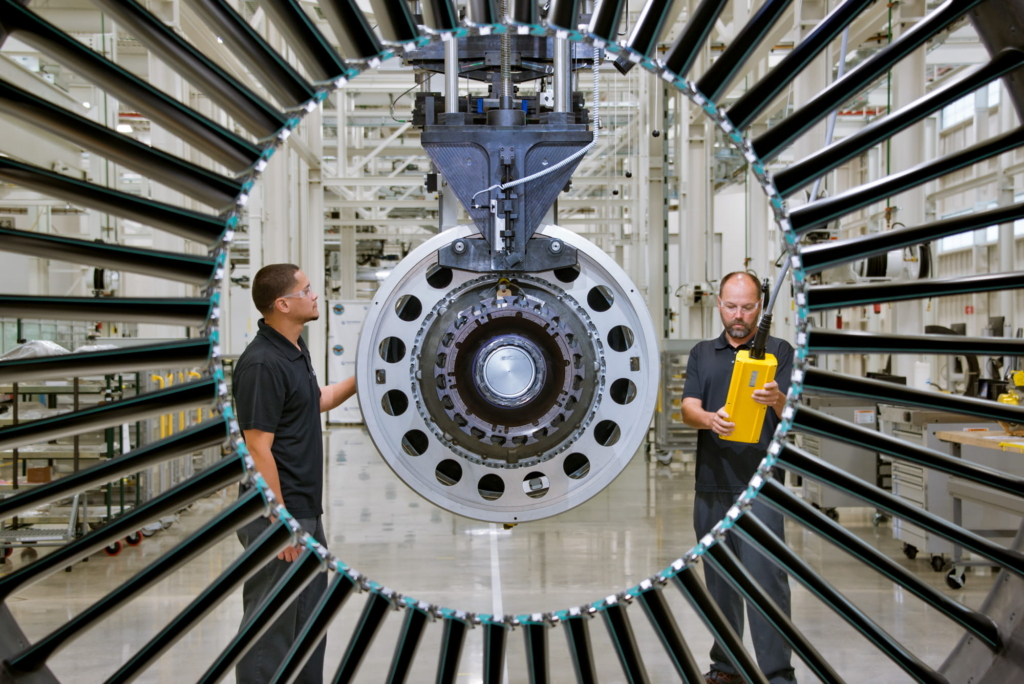
Airbus blamed delays in engine deliveries on the ongoing engine recall that Pratt is working its way through. Under pressure with aircraft on ground with its airline customers. Pratt & Whitney is walking a fine line between supporting the in-service fleet and new engine deliveries, and Airbus doesn’t think the current balance is fair.
“Pratt & Whitney want to allocate a large part of their efforts of their material and engines to supporting the fleet,” said Faury. “We are very dissatisfied with this. We don’t agree with this. They have to increase output more than what they’ve done so far to be able to serve both needs.”
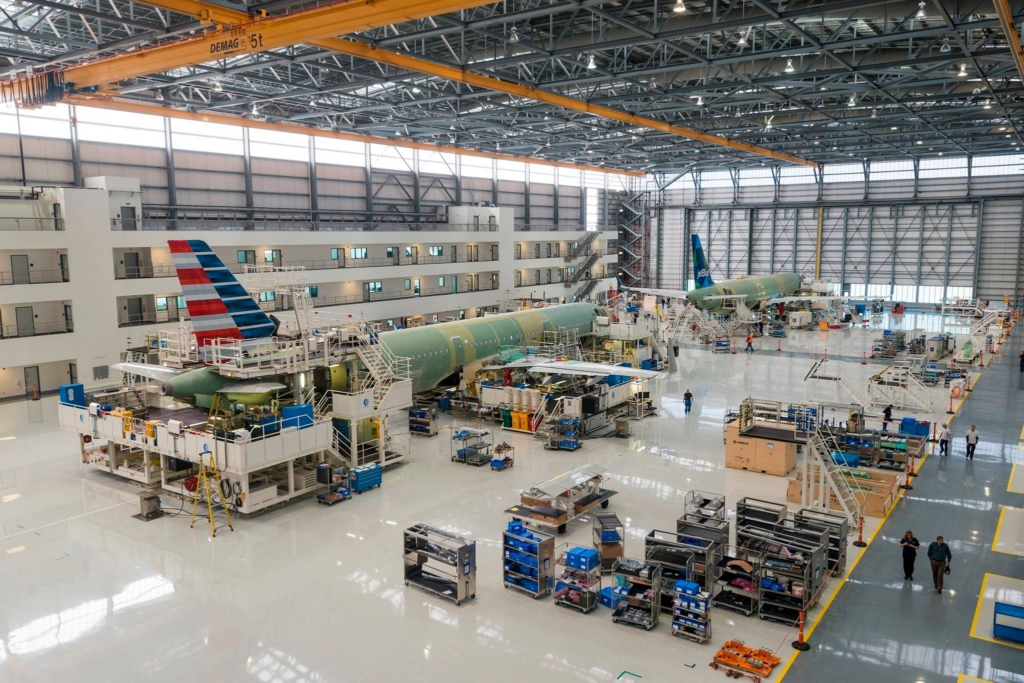
Deliveries in 2025 were highly backloaded for Airbus, with record aircraft handovers in the final quarter of the year. Part of this was engine-related, as CFM delays became unsynchronised with production, but that engine provider has ‘recovered’ now, according to Airbus executives. Now, the issue solely lies with Pratt & Whitney.
“As you can imagine, we’re in dispute with Pratt & Whitney on this,” said Faury. “We want to enforce our contractual rights, but this will obviously take time.”
When will Pratt & Whitney’s GTF engine issues be resolved?
Faury explained that Pratt & Whitney has flagged that AOG resolutions have been taking longer than had been expected. The engine maker has been attempting to deliver a widespread recall affecting hundreds of narrowbody aircraft.
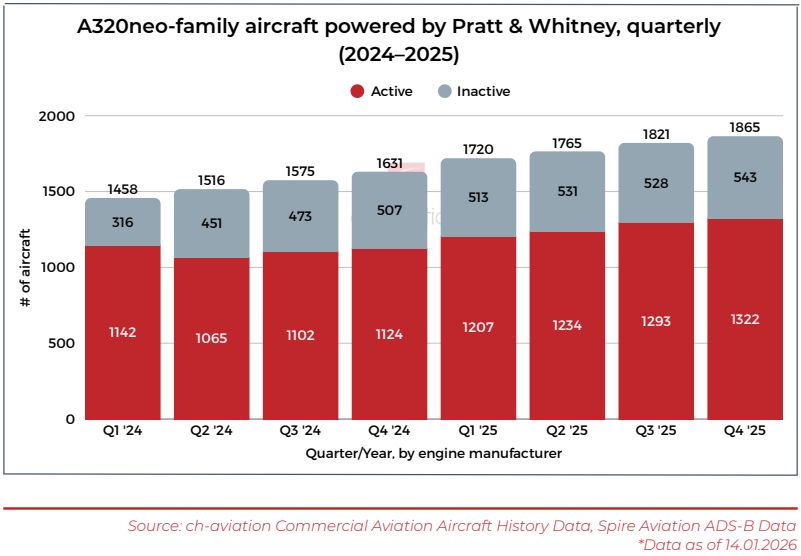
According to ch-aviation analysis, Pratt & Whitney groundings reached a record high in the final quarter of 2025, with almost 550 aircraft inactive.
For its part, Pratt & Whitney maintains that everything is moving in the right direction. During its earnings call last month, CEO Chris Calio said, “Output was up 39% in the fourth quarter, which included a 16% reduction in turnaround time and a significant increase in repair volume.”
The engine maker has signalled that it expects things to continue improving through 2026.
On the subject of the split between work for Airbus and AOG customers, RTX CFO Neil Mitchill noted that the company had “talked at length… about the mix in the OE and balancing the need to support the flying fleet today as well as installs in Airbus.”
He added, “We think we put together a plan that does just that.”
For Airbus, it expects engine delays to materially impact its ability to ramp up A320neo production through 2026 and into 2027.