Air New Zealand slumps to half-yearly loss as engine issues continue to plague carrier

February 26, 2026
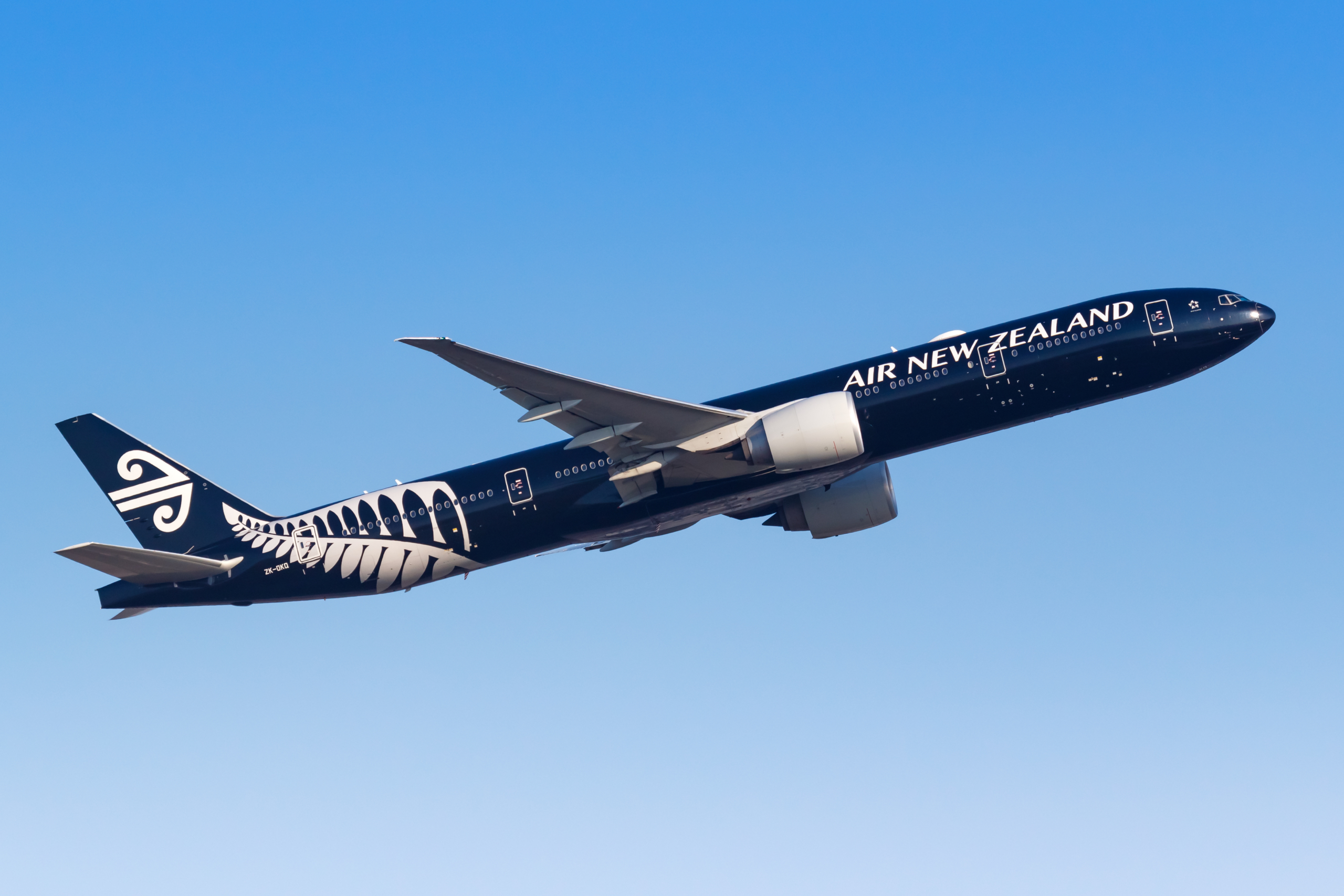
Air New Zealand’s underlying results for the first half of its 2026 financial year (1H26) fell as the airline continues to grapple with suppressed demand, other economic factors, and engine issues affecting a significant proportion of its mainline fleet. Despite these issues expected to ease in the second half, the airline is forecasting that its second-half performance for the year will remain around the same level.
Air New Zealand records a NZ$59 million loss
The Auckland-based carrier saw its earnings before tax remain steady at NZ$347 million ($208 million) for the six months to 1 December 2025 (an increase of just 1% year on year). Its 1H26 loss before taxation bottomed out at NZ$59 million ($35.3 million).
The carrier’s net loss after taxation equated to NZ$40 million ($28 million), a drop of NZ$146 million ($87.5 million) over the same period a year previously when the carrier posted a net profit of $106 million ($63.5 million).

The pre-tax loss came in worse than market expectations and the airline’s own forecast of between $30 million and $55 million. As a result of the disappointing figures, the airline has said that it will not be paying shareholders a dividend for the period.
Based on current trading conditions and assuming an average jet fuel price of $85 per barrel for the second half, Air New Zealand expects second-half earnings to be broadly in line with, or modestly below, the first half.
Why is Air New Zealand making a loss?
The airline said the result was largely driven by global engine maintenance delays, slower-than-expected recovery in domestic demand, increasing costs, and a weaker New Zealand dollar. These factors have combined to suppress demand for the airline’s services over the past six months, leading to fewer passengers travelling and its costs per revenue seat rising as a result.
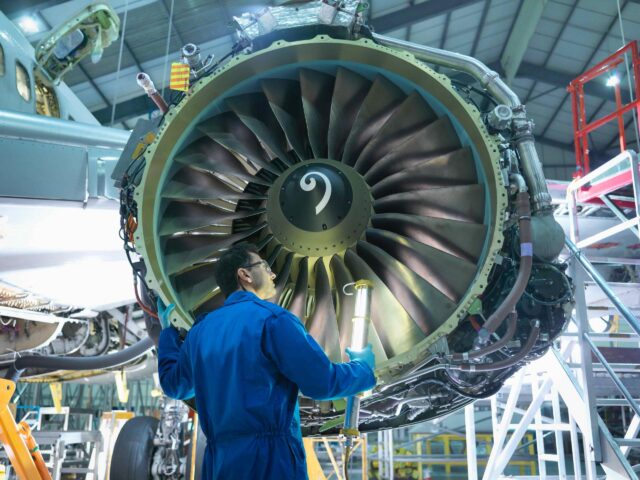
The airline has also faced widespread aircraft groundings over the past 18 months due to engine issues, which have impacted the airline’s operation and customer perception. At one point, the carrier had four of its Airbus A320neo fleet and four Boeing 787-9s grounded due to a lack of spare engines.
While the impact of this issue has been softening over recent months, it is not expected to be fully resolved until the end of 2026.

The airline said that it had received NZ$55 million ($33 million) in compensation from engine manufacturers Pratt & Whitney and Rolls-Royce for the first half of 2026. However, it said that it estimates an additional NZ$90 million ($54 million) of earnings could have been included within the 1H26 result had the fleet operated as intended.
The airline is in ongoing negotiations with engine manufacturers to improve certainty around engine return schedules and appropriate compensation for the rest of the fiscal year.
“While we are disappointed that the engine availability issues have taken longer than anticipated to resolve, we are pleased with recent progress and now expect a total of four grounded Airbus neo and Boeing 787 aircraft to return to service throughout the 2026 calendar year,” said the airline’s CEO, Nikhil Ravishankar.
Demand for air travel in New Zealand continues to be subdued
Air New Zealand said overall passenger revenue improved 4% to NZ$3 billion ($1.8 billion) on the back of more capacity to Australia and the Pacific Islands, and more premium seats being made available on long-haul routes.
However, it added that domestic demand remained slower than expected, which has led to further cuts being made to its domestic network, blaming the cutbacks on weak economic conditions. It said the changes being made domestically would result in a 2% drop in seats on its domestic network between February and June of this year.

The airline had previously announced that services between Wellington and regional cities like Rotorua, Gisborne and Blenheim would see the most cuts. The airline said it was responding to the domestic economy and adapting to the changing market while meeting community needs.
“Like other airlines in Aotearoa, our domestic business continues to be impacted by challenging conditions, including high operating costs and soft domestic demand, particularly across corporate and government customers,” said the airline. “As a result, we’ve made some changes to our services in the areas where we are seeing the most impact from less flying.”
Air New Zealand to undertake major strategic review to cut costs
Ravishankar added that Air New Zealand would also be undergoing a major review of the business as it looks to cut costs and return to profitability. This comes amid continuing cost escalation across the aviation system and pressure on the airline’s supply chain.
The airline said that its concern is not only about the current level of these costs, but the future trajectory and potential for further increases over time, which are likely to place additional pressure on the business and the sustainability of regional connectivity.
“With the support of the board, we are undertaking a comprehensive review of all aspects of the business, with the objective of returning the airline to sustained profitability through enhanced operational performance, growth and further cost transformation initiatives,” he said.

Meanwhile, Chair of Air New Zealand, Dame Therese Walsh, added, “Given the ongoing volatility, including continued global engine maintenance impacts and a slower recovery in domestic demand, the Board and I asked the CEO to undertake a full strategy review when he took up his role in October 2025.
“As New Zealand’s national airline, we play an important role in supporting New Zealand, particularly as it relates to export and tourism. The strategy reset will allow us to be firmly focused on strengthening and growing our airline to deliver long-term growth and prosperity for New Zealand.”
Walsh continued by clarifying that several performance and product improvements were already underway at the carrier, including improvements in domestic punctuality and reliability, and a decision to upgrade the interiors of its existing 777 fleet, so that the airline’s widebody product was “consistent, modern and mission-ready.”
Air New Zealand’s outlook for the rest of 2026
While capacity is expected to increase modestly in the second half, as aircraft return to service and new aircraft enter the fleet, the airline said that improvements in aircraft availability were unlikely to translate immediately into earnings uplift. This is because widebody capacity cannot be operationalised into the schedule and sold at short notice, according to the carrier.
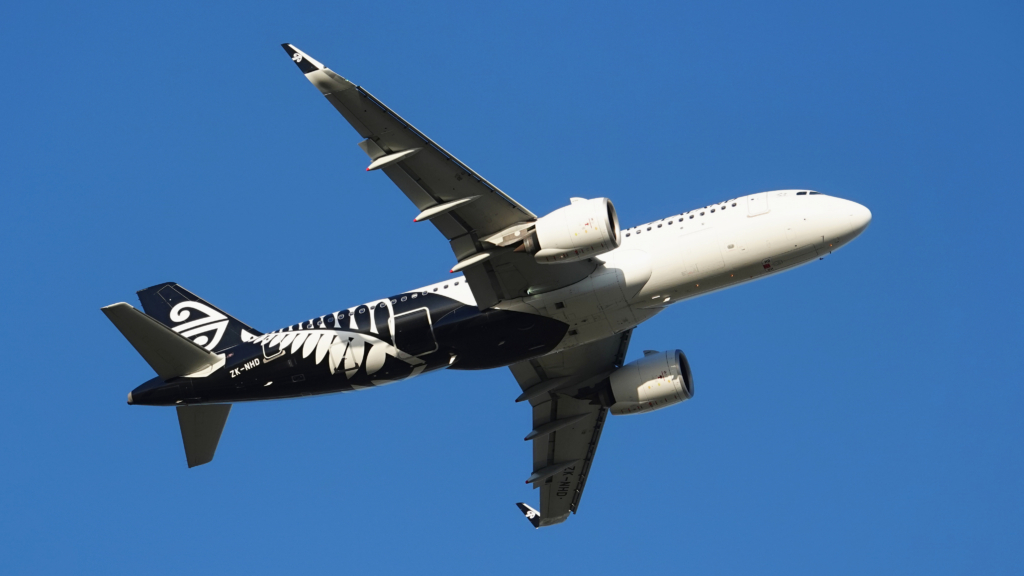
The airline added that while it was frustrated that aircraft were taking longer than expected to return to the fleet, it was planning for four grounded Airbus A320neo family and Boeing 787-9s to return to service throughout the 2026 calendar year.
Additionally, the carrier expects to take delivery of two of the ten new 787-10 aircraft later in the year, which will add capacity growth of around 20-25% over the next two years.
Featured image: Markus Mainka / stock.adobe.com