Air Inuit prepares to introduce world-first Boeing 737-800NG combi

January 13, 2026
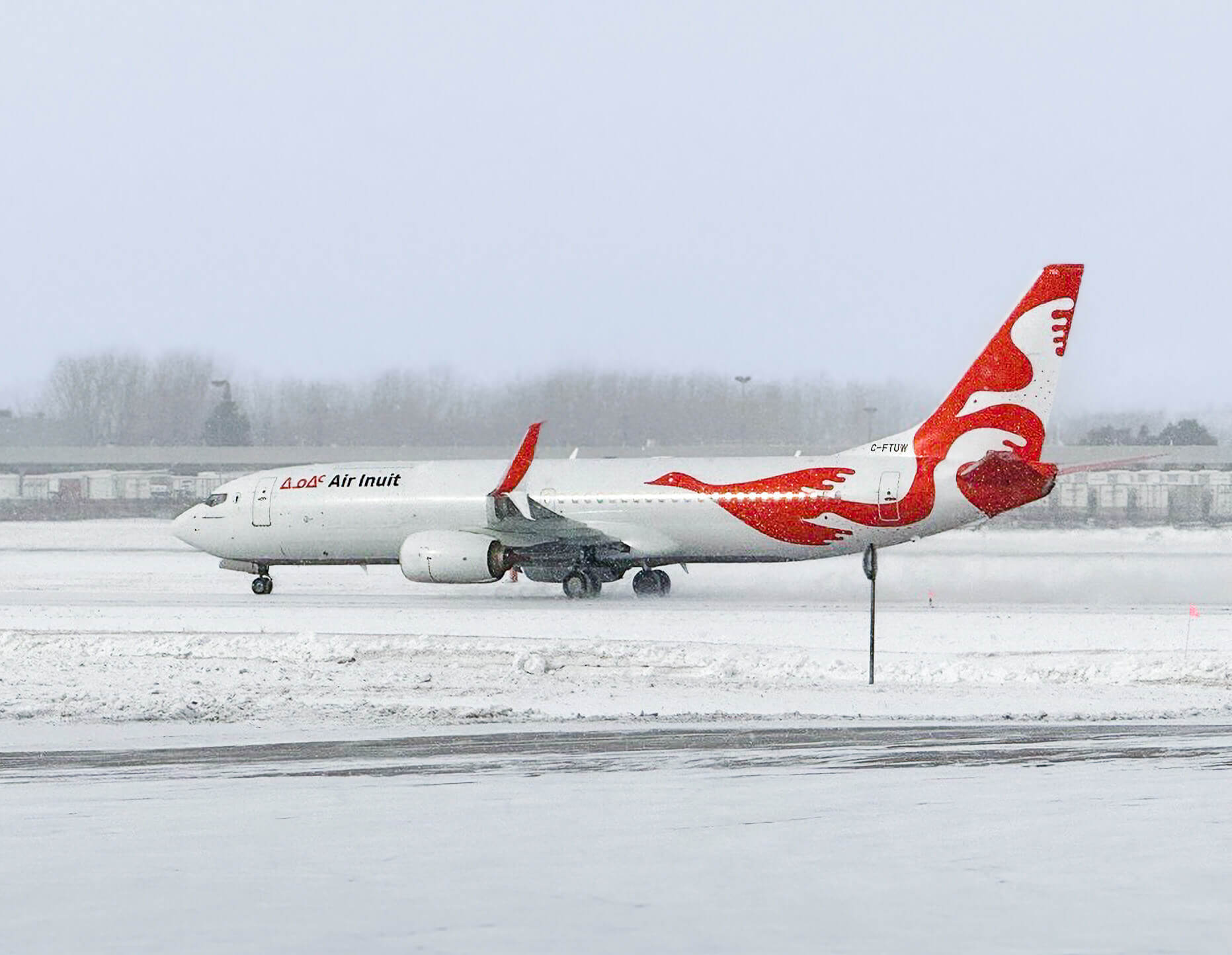
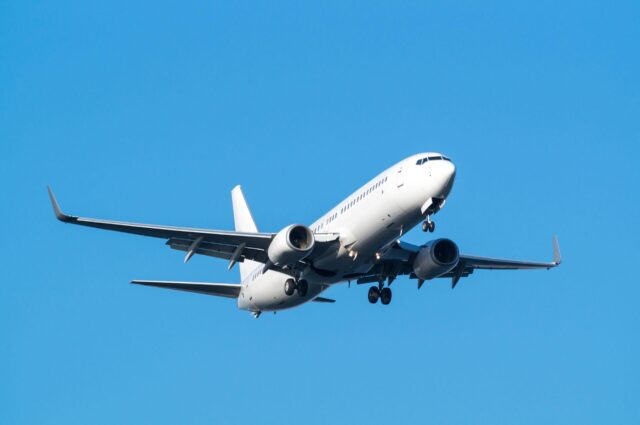
Air Inuit is set to begin operations with a Boeing 737-800NG combi, following Canadian regulatory approval of what is the first of the type configured as a mixed passenger-and-freight aircraft.
The airline said Transport Canada has certified the re-engineered aircraft, clearing the way for entry into service on 13 January on flights between Montréal and Kuujjuaq.
The approval represents a significant technical milestone, both for the Inuit-owned carrier and for the aircraft modification sector.
Air Inuit’s Boeing 737 combi aircraft tailored to the Arctic
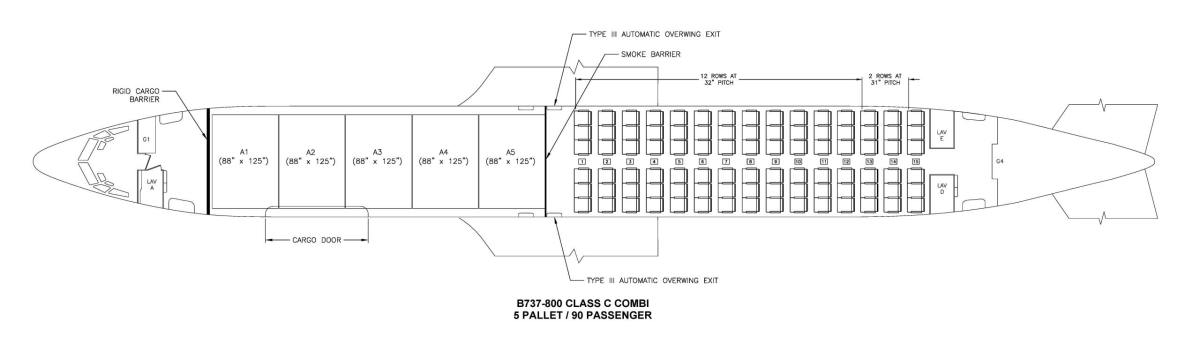
The aircraft combines a forward main-deck cargo compartment with seating for 90 passengers in the rear of the cabin, providing Air Inuit with the flexibility required to serve remote northern communities where demand for freight often rivals that for passenger travel.
Air Inuit, which is wholly owned by the Inuit of Nunavik through Makivvik Corporation, has long relied on mixed-use aircraft to sustain essential supply chains across Quebec’s Arctic region. Its existing jet operations are centred on ageing Boeing 737-200s, a type valued for its robustness but increasingly costly to operate and maintain.
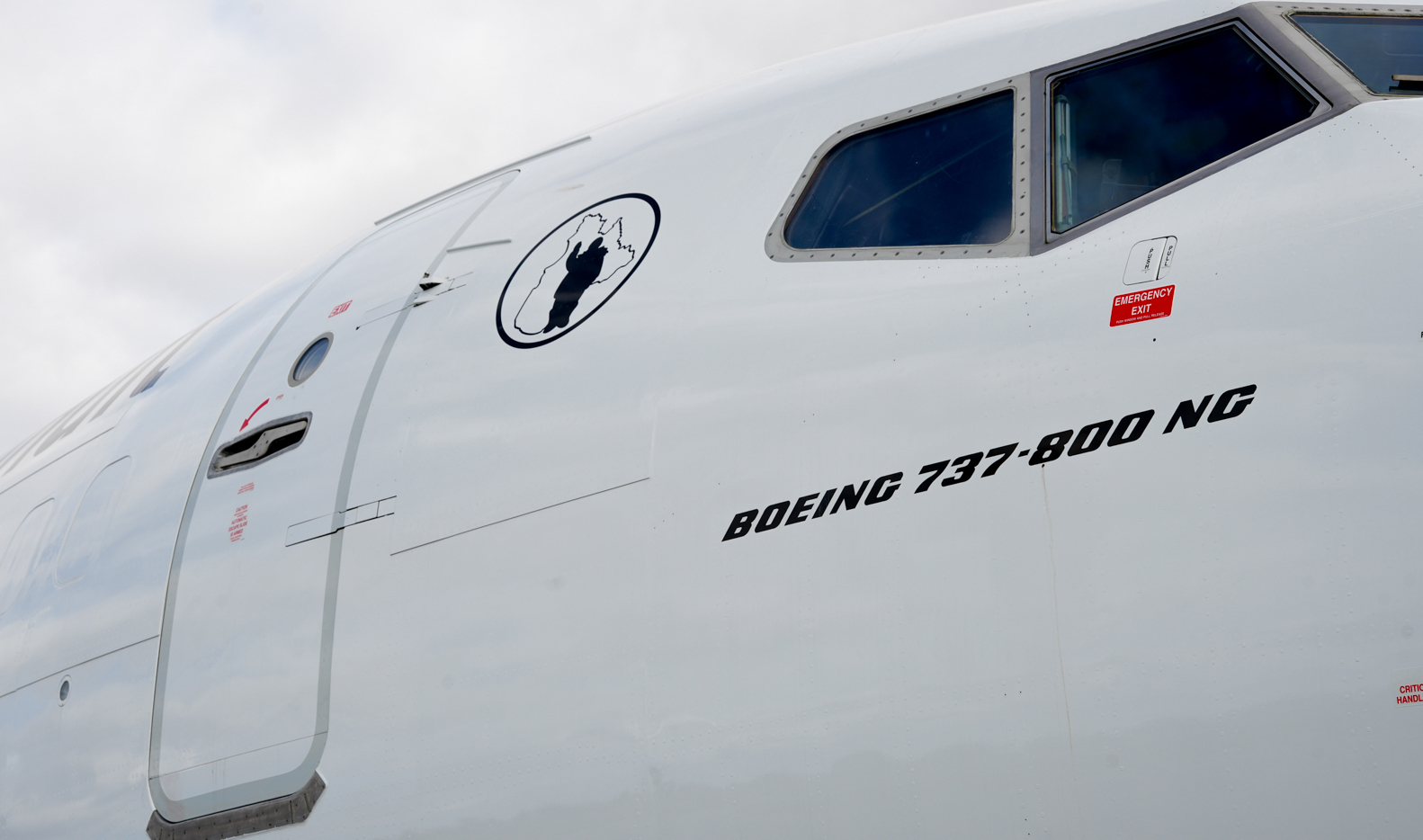
The arrival of the 737-800 combi marks the first step in replacing that fleet with more modern, fuel-efficient aircraft.
Fleet renewal for Air Inuit
Air Inuit acquired three Boeing 737-800s in 2023 as part of a broader fleet renewal strategy. Rather than pursuing a conventional passenger-only layout, the airline opted for a bespoke conversion that would replicate the mixed-role capability of its older aircraft.
Compared with the 737-200, the 737-800NG offers substantially improved fuel efficiency, reduced emissions, and enhanced reliability.
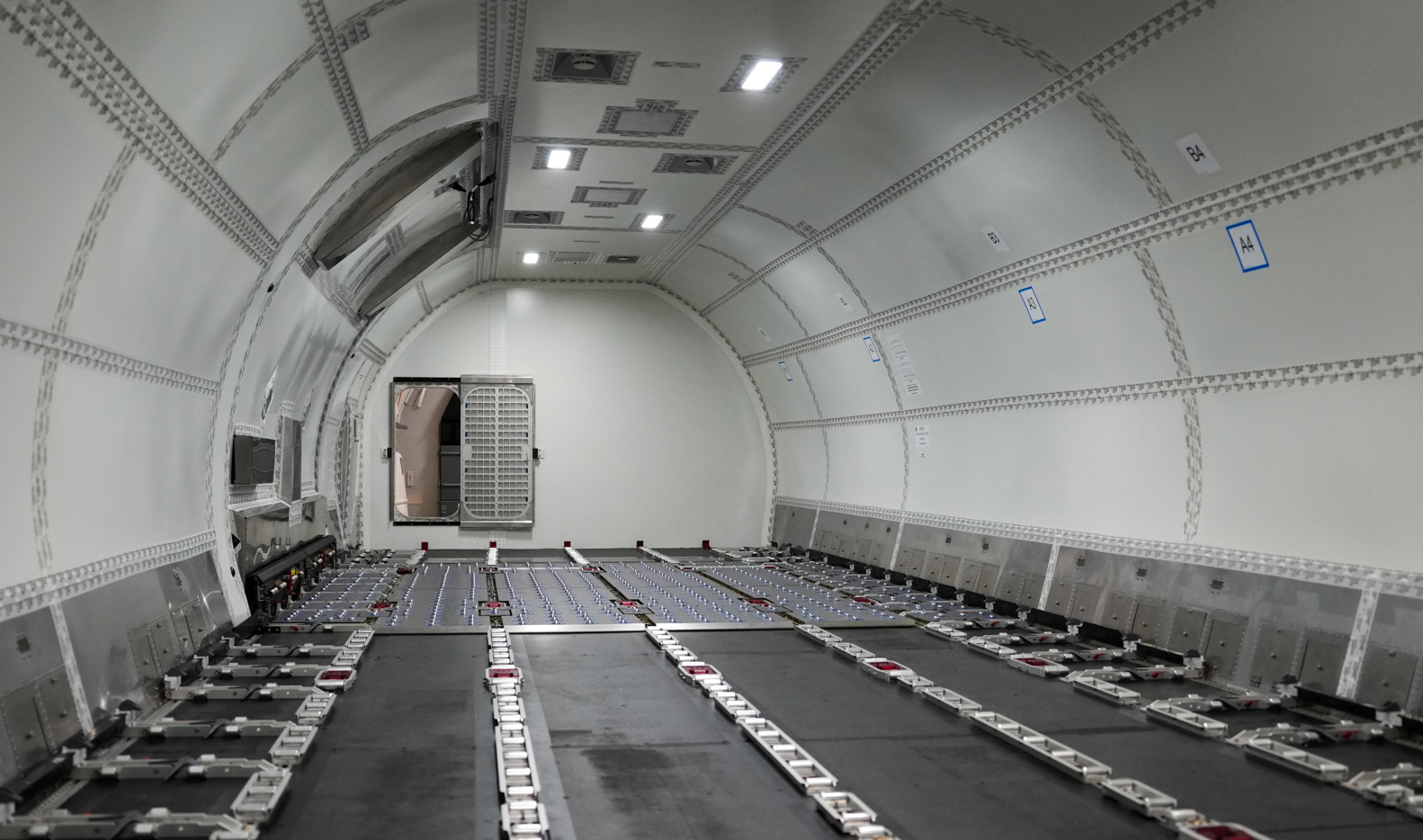
The aircraft is also equipped with modern avionics and inflight connectivity, including Starlink-powered Wi-Fi.
“Our investment in this next-generation combi reflects Air Inuit’s commitment to innovation that directly serves the unique passenger and freight needs of the communities and the people we serve,” said Christian Busch, President and CEO of Air Inuit. “This aircraft allows us to modernise northern jet service while preserving the flexibility that is essential to our mission.”
KF Aerospace delivers a world-first Boeing 737 conversion
The conversion programme was undertaken by Canadian MRO specialist KF Aerospace, which secured a Supplemental Type Certificate from Transport Canada earlier this month for the modification.
The approval is significant beyond the Air Inuit programme. While combi aircraft have historically played an important role in remote and developing markets, certification complexity and regulatory barriers have largely curtailed new combi developments in recent decades.
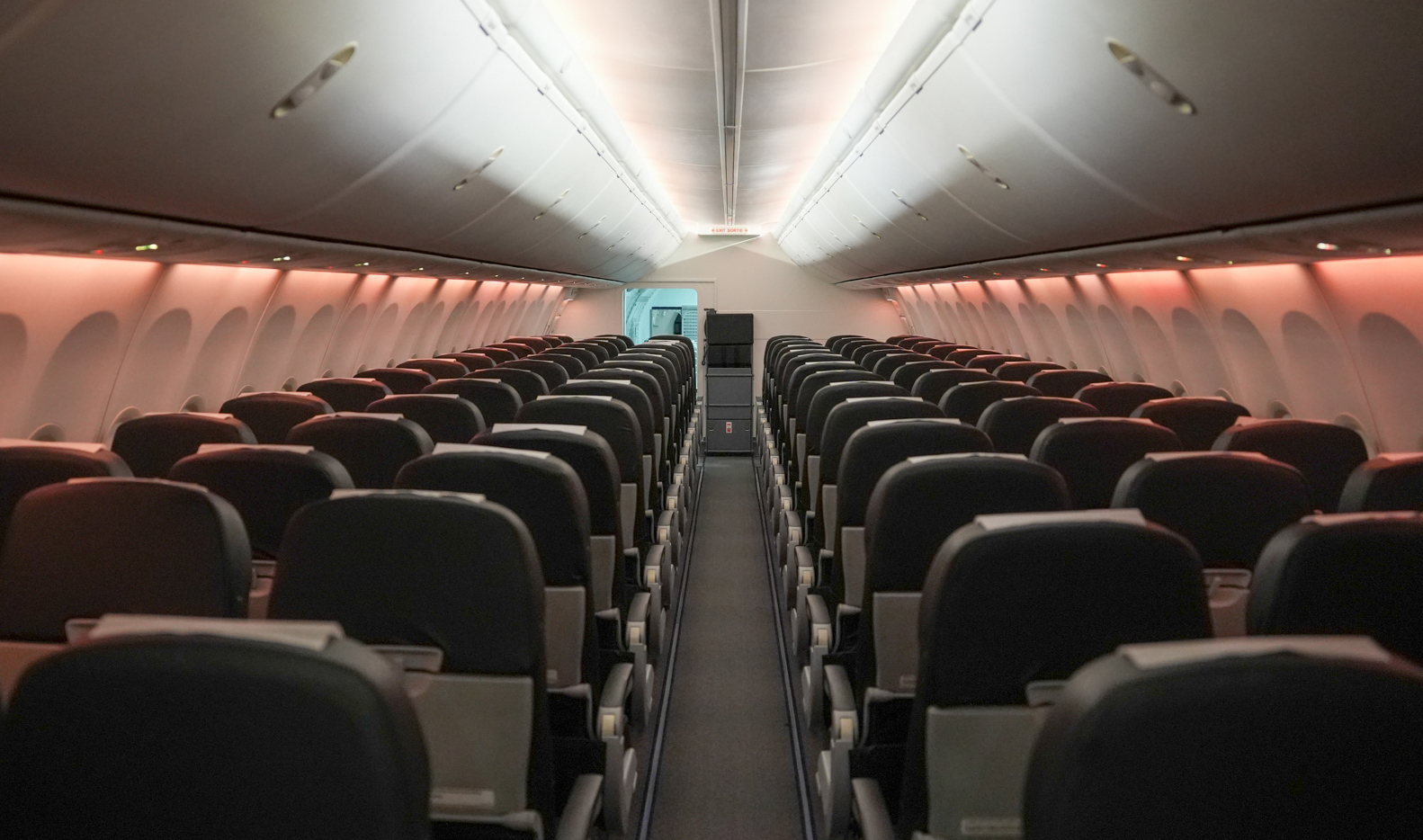
KF Aerospace’s solution builds on a proven 737-800 freighter cargo door design, but required extensive additional engineering to meet combi-specific safety requirements.
These included the integration of fire detection and halon-based suppression systems, smoke containment measures, and structural changes throughout the forward fuselage.
The company said the programme involved the design and manufacture of hundreds of bespoke components, alongside extensive systems integration and certification testing.
“This project reflects the ingenuity, dedication, and deep technical expertise of our entire team,” said Gregg Evjen, President of KF Aerospace. “KF is proud to deliver a world-first solution that expands what’s possible in aircraft conversion and supports our customers’ complex operational needs.”
Implications beyond Air Inuit
Although developed to meet the specific needs of Air Inuit, the successful certification of the 737-800 combi could have broader implications for operators facing similar mixed-demand profiles.
The 737-800 remains one of the most widely available aircraft types on the secondary market, and the ability to deploy it in a certified combi configuration may reopen a niche that has largely disappeared.
The second of Air Inuit’s three 737-800s is expected to undergo a similar conversion, with work on the third aircraft scheduled for completion in early 2026.
Featured image: Air Inuit