Geopolitics of Starlink: Air France faces backlash from politicians over WiFi provider

December 27, 2025
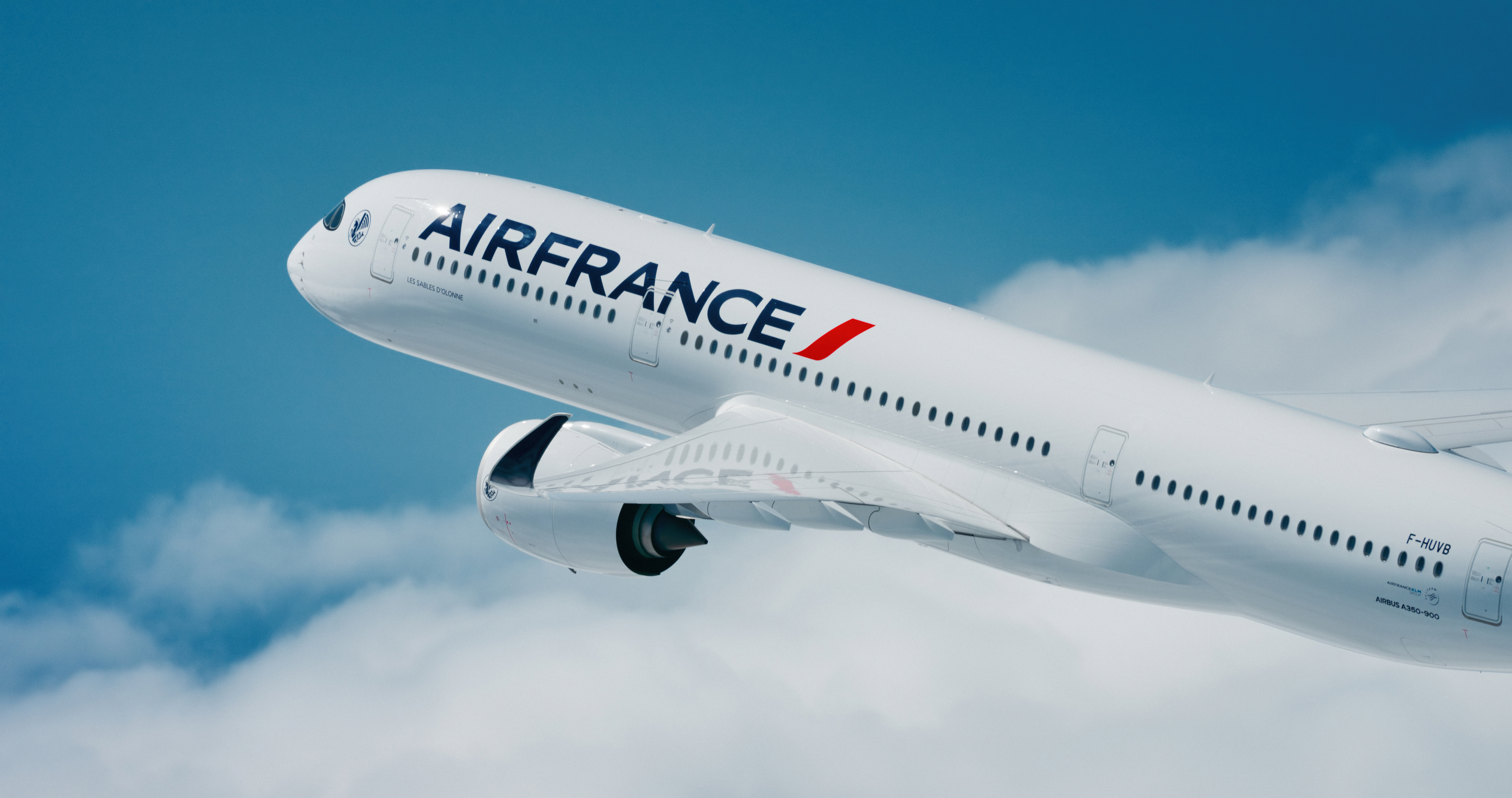
Earlier this week, Air France faced backlash over its decision to fit its aircraft with Elon Musk’s Starlink inflight WiFi product. French politicians took to social media to denounce the company’s choice, arguing that its siding with an American company over the local alternative was deeply concerning.
Interestingly, the backlash this week follows nearly 14-months of silence; the deal with Starlink was announced in September 2024.
The resurgence of the debate over Air France’s choice has had an impact on its reputation. The company has defended itself, arguing that Starlink’s technology is currently the best on the market.
Politicians take to social media against Air France
Jean-Luc Mélenchon, a prominent French political figure on the left attacked Air France for its decision, adding that the company is taking advantage of its homeland. He argued that the French company Eutelsat was “more environmentally friendly and equally secure.”
“Big business of this kind has no homeland,” he continued. “Except when it comes to subsidies and aid with no strings attached. The welfare state for very large companies must end.”
Air France choisit Starlink de Musk pour ses connexions Wi-Fi en vol plutôt que l'entreprise française et sa liaison géostationnaire plus écologique et aussi sûre.
— Jean-Luc Mélenchon (@JLMelenchon) December 21, 2025
Le grand patronat de ce type n'a pas de patrie. Sauf pour les subventions et les aides sans contreparties.…
Mélenchon is the de-facto head of the French La France Insoumise party on the left of the political spectrum. He is also a former member of the European Parliament.
Other prominent figures, including Aurore Lalucq – a member of the European Parliament – also expressed their concern. “Starlink? Is this a joke?” she wrote on X.
Starlink? C’est une blague? https://t.co/CpV6ebZXML
— Aurore Lalucq 🇪🇺 (@AuroreLalucq) December 20, 2025
Why did Air France choose Starlink?
When Air France announced its decision to sign with Starlink in 2024, it pointed to the product’s superior qualities.
It said that Starlink was the “world leader in connectivity” and provides low-latency and high-speed internet access worldwide, “including the most isolated areas” thanks to its constellation of satellites.
Speaking to Aerospace Global News, Editor-in-Chief at French aviation news site Gate7, Christophe Chouleur, said: “This drama is unfortunately the typical nonsense that french politicians of far right and far left love to create.”
“They have no knowlege of airline economics and challenges and very superficial knowlege of what Eutelsat and Starlink can offer. In my opinion Air France has made the right choice in a very competitive environment by choosing what it’s clients expect of a modern international airline.”
Onboard WiFi is becoming a common theme – and arguably essential if airlines want to remain competitive. Carriers across the world are rolling out Starlink – which they are required to offer to customers for free. This includes United Airlines, Emirates and Qatar Airways to name a few.
Comparing WiFi providers
Starlink’s technology is factually speaking the most advanced currently available on the market. Air France’s response to the criticism it received on social media was that had a viable European alternative been available, it would have studied that option as well.
Low Earth orbit satellite internet platforms
| Criterion | Starlink (SpaceX) | Eutelsat OneWeb | Amazon Leo |
| Current status | Operational (B2C & B2B) | Operational (B2B) | Early deployment phase |
| LEO satellites in orbit | 9,000+ in orbit | 650 (+34 GEO) | 180 launched |
| Orbit altitude | ~550 km | ~1,200 km | ~600 km |
| Typical latency | 20–40 ms | 50–70 ms | Estimated <50 ms |
| Max throughput (per aircraft) | 350+ Mbps | ~195 Mbps (theoretical) | 400 Mbps (target) |
Source: Numerama
Featured image: Air France