Five defence aviation trends to watch in 2026

January 1, 2026

If 2025 was about signals and stress-testing assumptions, 2026 is shaping up to be the year those signals turn into operational decisions.
Across defence aviation, air forces are no longer debating whether technologies such as autonomy, AI or immersive training matter, but how fast they can be trusted, integrated and scaled. These are the five trends that will matter most in the year ahead, and why.
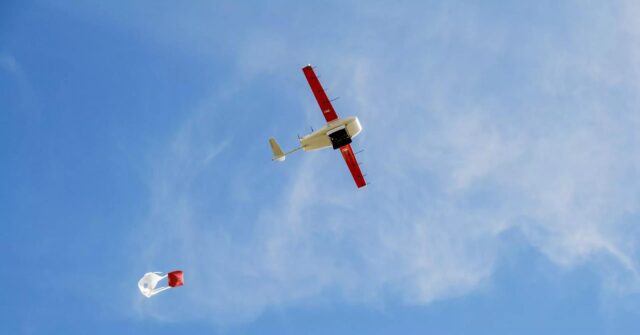
Autonomous aircraft and loyal wingmen reshape defence aviation
Autonomy made tangible progress in 2025, shifting from demonstration flights to credible operational concepts. Loyal wingman programmes advanced in parallel across the US, Australia and Europe, with uncrewed aircraft increasingly framed as force multipliers rather than niche assets.

In 2026, autonomy will matter because it directly addresses two pressures air forces cannot escape: pilot shortages and rising platform costs. Programmes linked to the USAF’s NGAD effort and Australia’s MQ-28 Ghost Bat are expected to push further into weapons integration, distributed sensing and higher levels of independence.
The question will no longer be whether autonomous systems can fly, but how much decision authority commanders are willing to hand over.
AI-driven decision-making becomes central to military airpower
Artificial intelligence quietly embedded itself across defence aviation in 2025, from predictive maintenance and logistics to sensor fusion and mission planning. What changed was tone; AI stopped being framed as experimental software and started being treated as operational infrastructure.

In 2026, AI’s importance will lie in its role as a decision accelerator. Air forces are increasingly focused on shortening the observe–orient–decide–act loop in highly contested environments. Expect more emphasis on AI-enabled battle management, threat prioritisation and multi-domain coordination, alongside growing scrutiny around explainability, verification and trust.
Virtual reality and simulation accelerate military pilot training
Pilot training emerged as a quiet but critical theme in 2025. With air forces struggling to generate enough trained aircrew while protecting expensive frontline aircraft, immersive training solutions gained momentum.
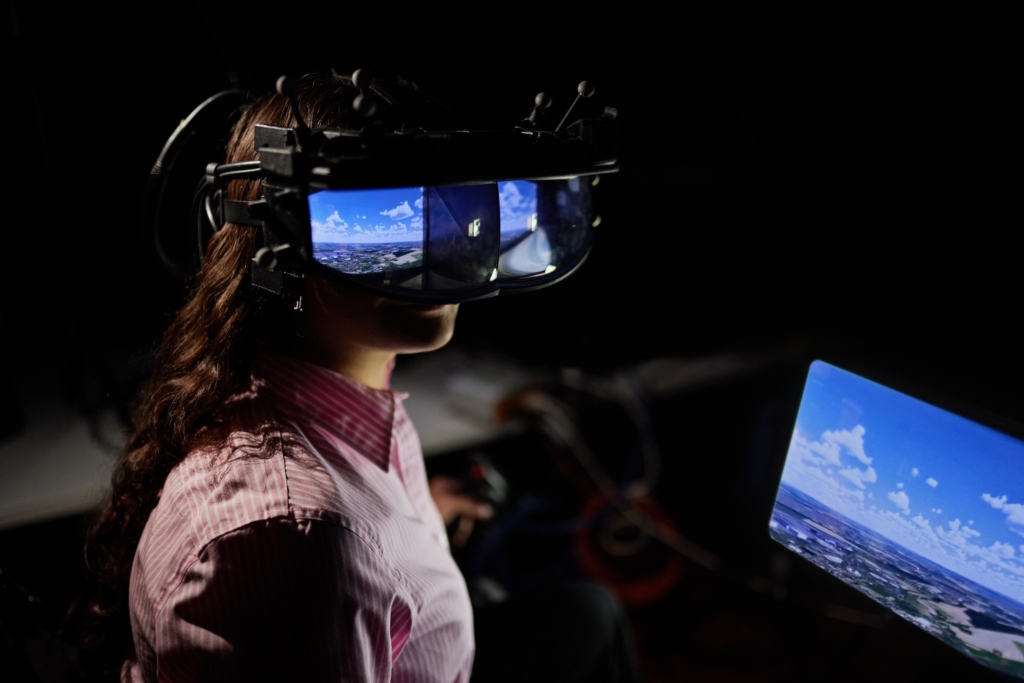
Virtual reality and high-fidelity simulation platforms moved beyond basic procedural training into complex mission rehearsal and emergency scenarios. In 2026, VR matters because it directly affects readiness.
Faster training throughput, lower cost per hour and the ability to rehearse rare or high-risk scenarios give air forces the flexibility they cannot achieve through live flying alone. Expect closer alignment between VR, digital twins and live-virtual-constructive training environments.
Electronic warfare and GPS resilience become core defence aviation priorities
If one lesson from 2025 cut across multiple theatres, it was that airpower cannot assume clean electromagnetic environments. GPS jamming, spoofing and electronic attack are no longer theoretical risks.

In 2026, electronic warfare resilience will be a defining trend. Upgrades to defensive aids, alternative navigation methods and spectrum management tools are becoming as important as new aircraft acquisitions. Air forces are increasingly treating EW survivability as a baseline requirement rather than a specialist capability.
Fleet sustainment and readiness challenge defence aviation modernisation
Several of AGN’s biggest stories in 2025 highlighted a tension that will sharpen in 2026, the gap between ambitious future programmes and the ageing fleets that still carry the operational load today.
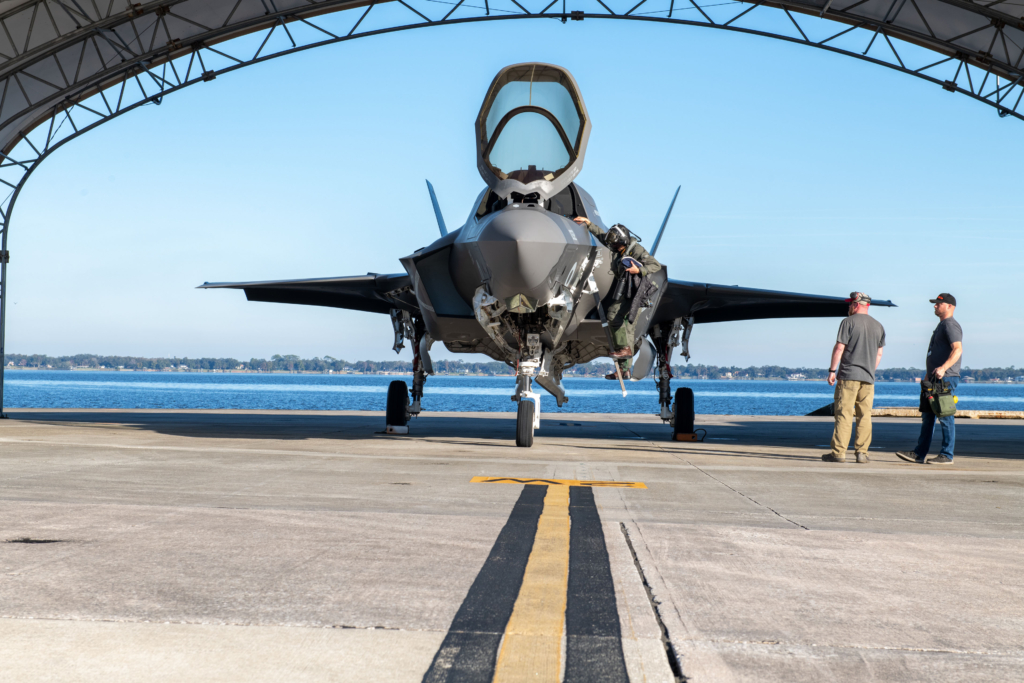
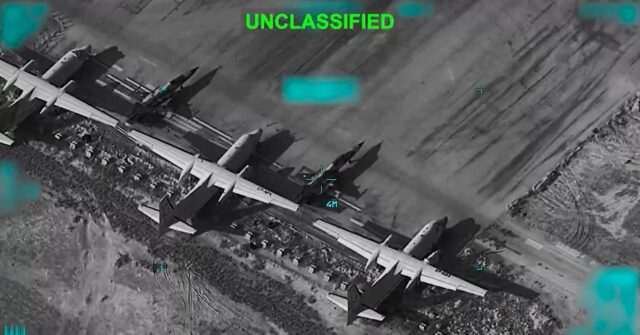
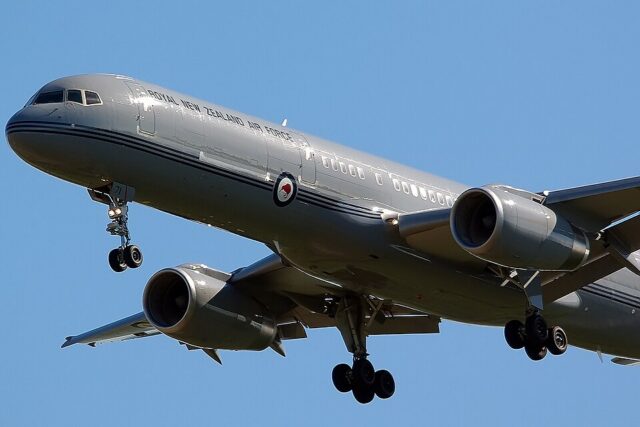
Corrosion issues affecting Royal Navy F-35B Lightning II, blocked retirements of legacy USAF aircraft under NDAA 2026, and multiple transport aircraft losses all underscored how sustainment has become a strategic issue. In 2026, air forces will be judged not just on what they plan to buy, but on how effectively they keep existing fleets safe, available and relevant.
Defence aviation trends to shape 2026
Taken together, these trends point to a year where defence aviation decisions become less reversible. Autonomy, AI and immersive training are moving from optional enhancements to core enablers, while sustainment and resilience increasingly dictate what is operationally credible. For air forces, 2026 will be about balancing speed with trust, innovation with reliability, and ambition with realism.