Just 40% full: Is Air Côte d’Ivoire’s long-haul venture to Paris struggling to take-off?

January 24, 2026
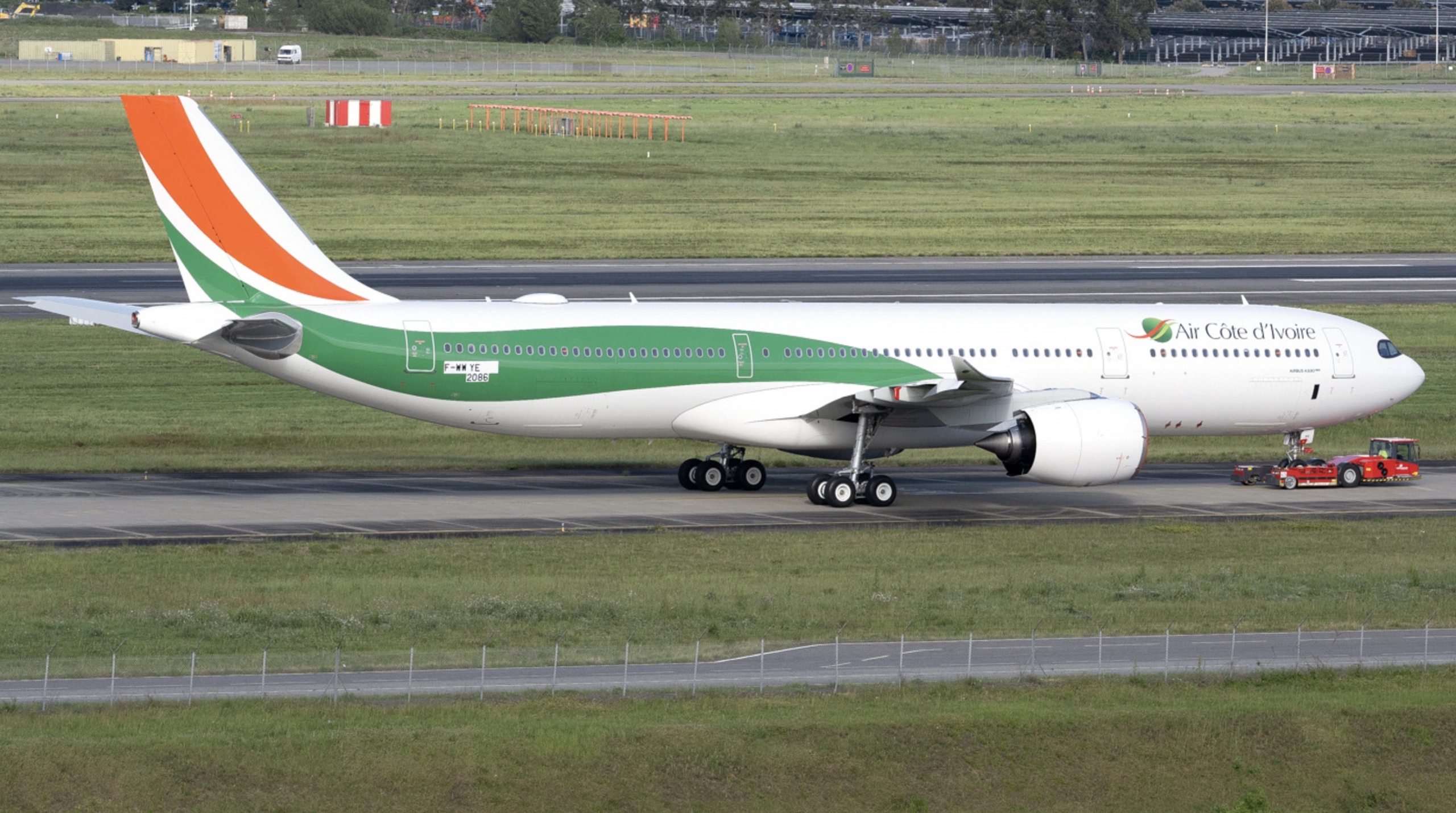
It’s never easy launching a new route. Air Côte d’Ivoire’s ambitious venture connecting Abidjan to Paris with its Airbus A330neo is a case in point. It is the airline’s first long-haul route, which will be joined by flights to Beirut in March 2026 and New York further down the line.
Earlier this week, the CEO of the company Laurent Loukou revealed traffic figures related to its Paris route. Across 136 flights, it transported just over 13,000 passengers. According to Aerospace Global News calculations, this reflects a load factor of 40%.
But what constitutes success? African aviation expert Sean Mendis notes that from a commercial standpoint, the route is likely not doing well at all. As we explore, the motives behind the route reflects a common feature among state-owned airlines: prestige.
What do we know about the performance of the Paris flight?
Loukou’s publication on social media provides details about the route’s passenger numbers and the total flights it operated during the period between October and December. Indeed, the route began in late-October meaning this shows its traffic figures for the first three months of operation.
As confirmed by other data sources – including aviation analytics firm Cirium – it flew 136 flights roundtrip during this period. This included the initial four weekly frequencies, which later increased to six weekly and then daily flights in December.
The carrier’s Airbus A330-900s that operate the route are configured with 242 seats. It is a reasonably premium-heavy layout as pointed out by One Mile At A Time, more so than some of its competitors. This includes 4 in First Class, 44 in Business, 21 in Premium Economy and 173 in Economy.
Loukou also revealed that it carried 13,150 passengers during those three months. With 242 seats across 136 flights, it had space for 32,912 total passengers. In other words, it had an average load factor of just 40%.

It is worth noting that Air France operates this route 12x per week this month, increasing to double daily from the end of March 2026 using Boeing 777 equipment.
Measuring the success of an airline route: commercial strategy vs prestige
To measure the success of a route, there are several factors that come into play.
From a commercial perspective, a route’s success will be defined by its overall profitability and/or contribution to the network (including other spokes). Yields will play a big role in this calculation, in combination with average loads and hence overall revenue. Costs will also be factored in, ultimately determining whether the route is commercially sound. Network contribution refers to the added value the given route provides to other spokes.
“When state owned airlines launch routes like this, the definition of “success” has to be viewed through the appropriate filter,” Sean Mendis, a former executive in various African airlines, told Aerospace Global News.
He added: “If success is defined as having an appropriate vehicle for a vanity project and political patronage at taxpayer cost, this is a remarkable success. If intended to run as a commercial operation however, this leaves much to be desired.”
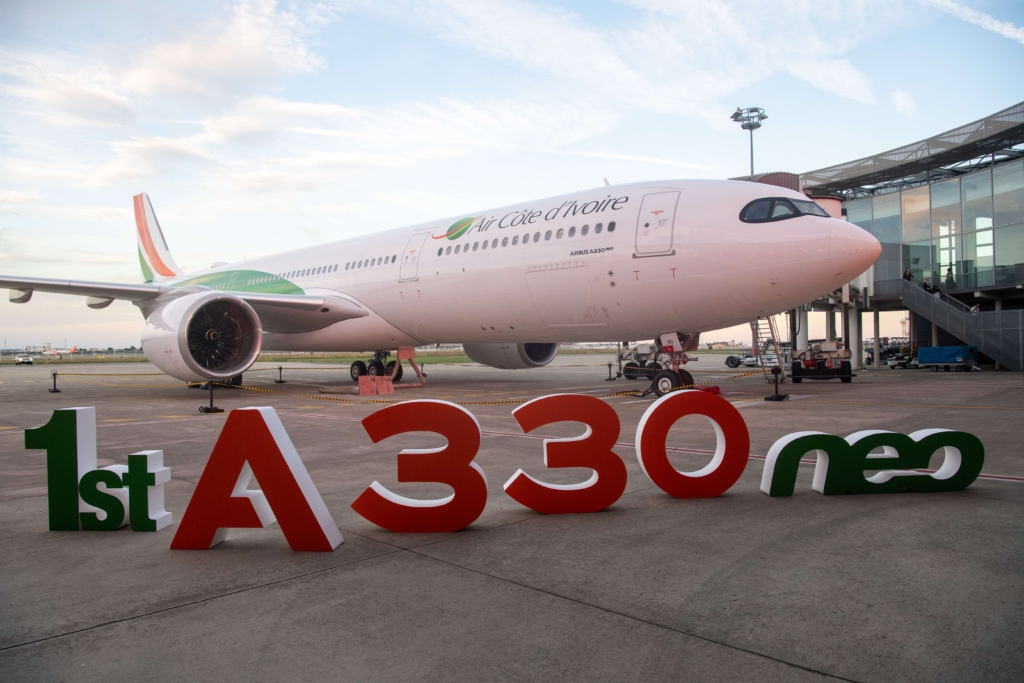
It is not easy for any airline to open new long-haul services. Air Côte d’Ivoire’s traffic figures are not great, but the route nevertheless reflect its continued ambition.
It is also worth highlighting a key barrier-to-entry for many carriers in the region when it comes to long-haul flights. European carriers continue to dominate the market, leveraging their deeper pockets and industry maturity. This makes it even harder for new long-haul flights from local African airlines to work.
Featured image: Courtesy of dn280TLS / Planespotters