Boeing 787 with just 13 hours of flight time being broken up for spare parts

6 min read
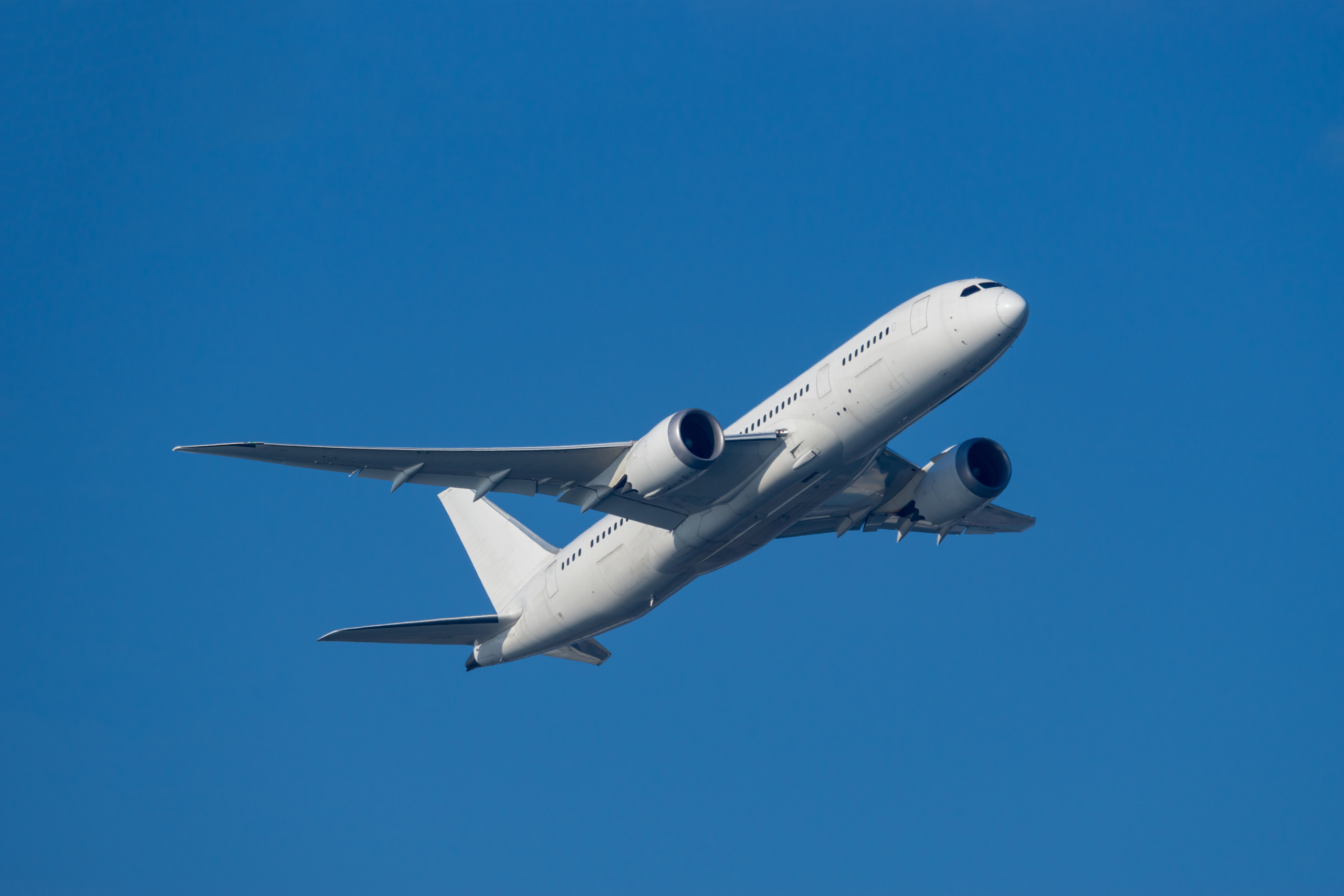
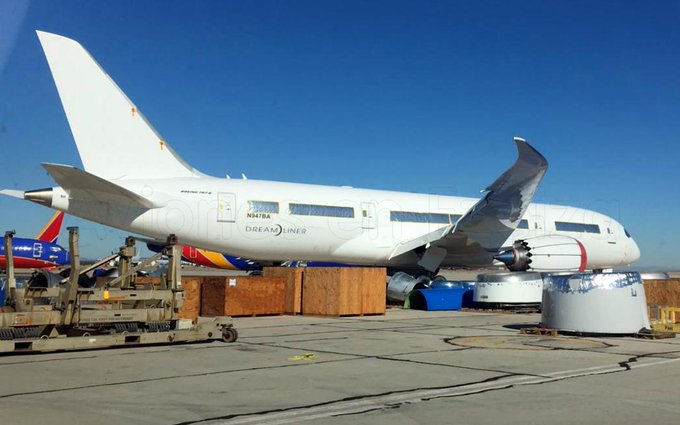
A Boeing 787 with just 13 hours of logged flight time is to be broken up for spares, making it one of the youngest commercial aircraft to be disassembled since its first flight.
The aircraft, which has been in storage for almost ten years, has been acquired by an aircraft parts company and will be torn down for its valuable parts that are in high demand on the rotable aircraft parts market.
Boeing 787-8 Dreamliner to be broken up for spares
While the cannibalisation of aircraft for valuable spare parts is not a new phenomenon, the news that a virtually unflown Boeing 787-8 Dreamliner is facing a similar fate will come as a surprise to many.
The aircraft concerned, a 9.5-year-old example registered as N947BA, is currently in the process of being broken up at Roswell International Air Centre (ROW) in New Mexico, as the value of its parts exceeds the total value of the entire aircraft.
As reported by Simple Flying, N947BA was the 17th 787 Dreamliner to roll off the Boeing 787 assembly in September 2016. The aircraft was originally built for Royal Air Maroc but was not taken up by the airline due to manufacturing issues.
The plane has logged just two ferry flights since it was completed (outside of test flights) and is now listed by Planespotters.com as under the official ownership of the Bank of Utah.
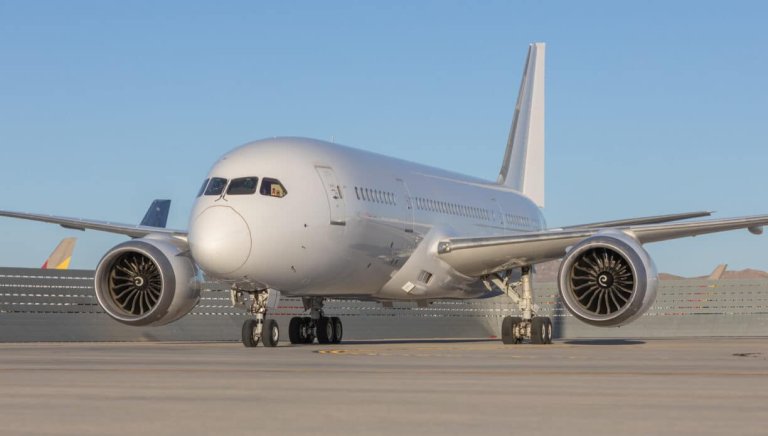
Global aircraft support services company C&L Aviation is now marketing various components that will be removed from the aircraft. The company states that the dismantling of N947BA marks the first time a GE Aerospace-powered Boeing 787 has been dismantled in the US and the first time that a new/unused 787 has been dismantled anywhere in the world.
“The timing of this project for the 787 is perfect,” said Tim Brecher, President of C&L Engine Solutions. “The 787 fleet is hitting the 12-year mark from first deliveries and entering a busy schedule for heavy maintenance. The shortage of spares in the marketplace, combined with the ongoing challenges in the supply chain, makes this project critical to OEMs and operators.”
So, how does a virtually new Boeing 787 that was ordered by and built for an airline customer end up being broken before it ever entered service? The answer lies in a combination of factors that have led to N947BA facing a date with the scrapper before ever carrying a single revenue passenger.
Soaring global demand for highly valuable 787 spare parts
The stripping down of relatively young aircraft has become more common since the pandemic. As the demand for spare parts (used serviceable materials/USM) has risen, the supply chain has struggled to keep up, leading to a deficit in the global supply of USMs to airlines. As demand has risen and supply has stagnated, the cost of such USMs has continued to climb, making them highly valuable assets.
Because of this high demand for USMs, N947BA became an ideal candidate for stripping down due to an unusual course of events that saw the aircraft rejected by its customer and left in storage by Boeing for almost a decade.
As the 17th 787 built, N947BA is one of the early production 787s that faced several manufacturing issues, with this group of aircraft being given the rather unhelpful moniker of the ‘terrible teens.’
ZD009 787-8 line 17 N947BA ferry flight VCV-PAE and line 17 stored in Everett October 2010 pic.twitter.com/nc4nAxCfxc
— Paine Airport (@mattcawby) November 2, 2016
Several of these aircraft were either rejected by their airline customers or were never delivered by Boeing due to significant manufacturing shortcomings, including structural weakness where the aircraft wings meet the fuselage, which required custom-fitted reinforcements to rectify.
However, such modifications increased the overall weight of the aircraft, making them less efficient and reducing their maximum take-off weight by up to 12 tonnes, representing a severe performance penalty for both Boeing and the airlines.
Once completed in September 2016, N947BA was initially stored at Everett-Paine Field (PAE) near Seattle. Having been rejected by Royal Air Maroc, the plane was then earmarked for Rwandair. However, it was never delivered to that carrier either. In March 2017, the aircraft was sold by Boeing to Crystal Cruises, which intended to use the aircraft to operate luxury worldwide air cruises.
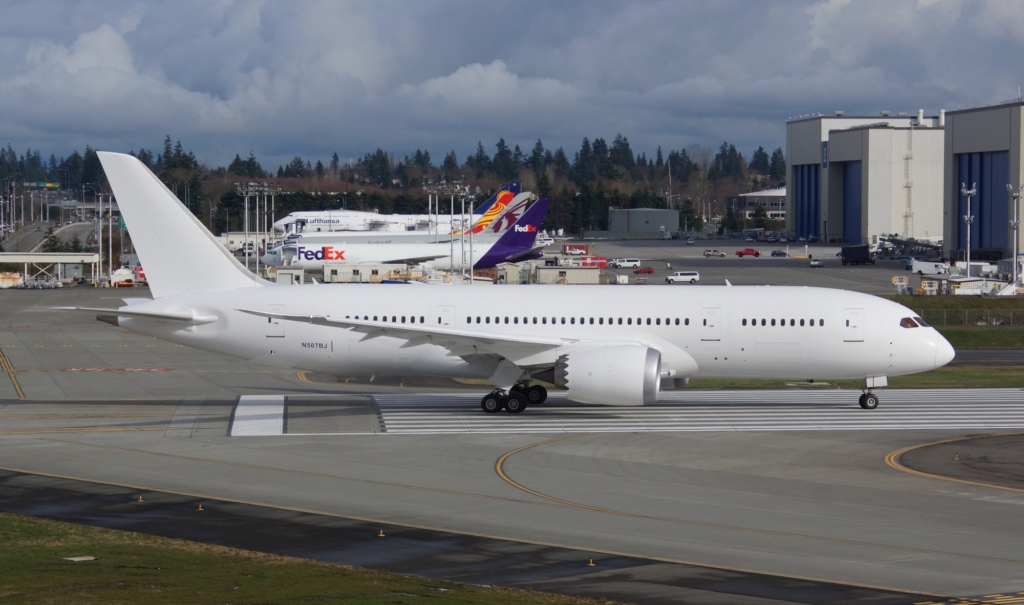
Ferried to Victorville in March 2017, the aircraft became a long-term resident after the cruise line abandoned its plans in light of the COVID-19 pandemic.
The aircraft eventually left Victorville in March 2024 and headed for Roswell, where it has been in storage since. It is now being disassembled for its reusable spare parts, which include two highly valuable GE Aerospace GEnx-1B engines.
How N947BA became a Boeing 787 spare part warehouse
With its chequered history and a lack of interest from any potential airline customers, the ideal solution for N947BA appeared to be to break it down for its valuable parts, effectively monetising what remains of an unwanted widebody aircraft.
With well over 1,200 Boeing 787s in active service with airlines worldwide, and with very few retired from service or being broken up, the demand for on-demand spare part inventories remains huge to keep serviceable aircraft in the air. As such, when a rotable unit (avionics, hydraulic pumps, landing gear and such) becomes unserviceable, competition for replacement parts is fierce.
“Disassembling a virtually new 787 aircraft having only a few ferry cycles has never been done before,” said David Weiss, Managing Partner of Cloud Investment Partners, which is working with C&L Aviation on the dismantling of N947BA. “We recognise the benefit of new parts in the market to assist OEMs in supporting their customers as well as providing a source for airlines to purchase hard-to-find parts.”
Only a few 787s have been dismantled since service entry
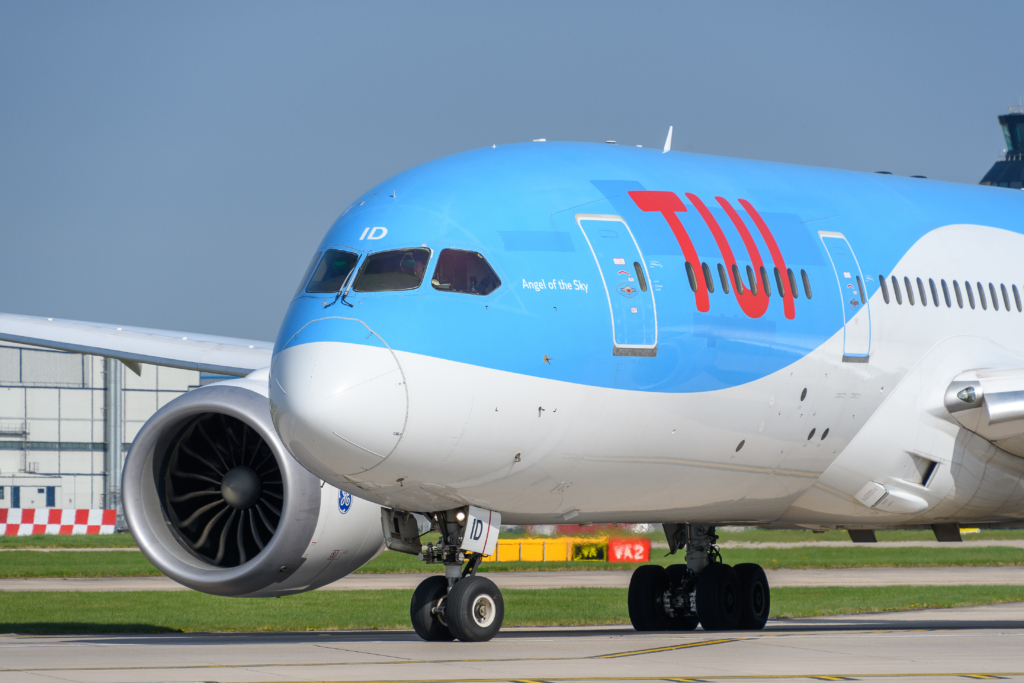
Very few 787s have so far been dismantled after seeing active airline service. In October 2023, a pair of former Norwegian Airlines 787-8s were dismantled at Glasgow-Prestwick Airport (PIK), while more recently, in December 2025, European leisure airline TUI Group sent its first 787-8 (registered G-TUID) for scrapping and parts recovery.
Elsewhere, Boeing testbed aircraft N787FT was broken up in 2018, while the first 787-9 Dreamliner to be scrapped was VP-BDA, a VIP-configured aircraft that never entered service and was scrapped at Cotswold Airport in the UK in May 2024 for spare parts.
With a huge in-service fleet of 787s and a demand for USMs that shows no sign of abating, more low-time 787s will likely be broken up for spares as that demand increases. One such candidate could be VP-CSC, another of Boeing’s ‘terrible teens’ (19th off the line and a sistership to N947BA).
Also originally destined for Royal Air Maroc, the aircraft last flew in 2017 and is located at Moses Lake Airport in Washington state. According to reports, this aircraft flew just three times and has not flown for 8.5 years.
Featured image: motive56 / stock.adobe.com