


Airbus weighs ATR assembly line in India as regional aviation demand and competition grow

4 min read
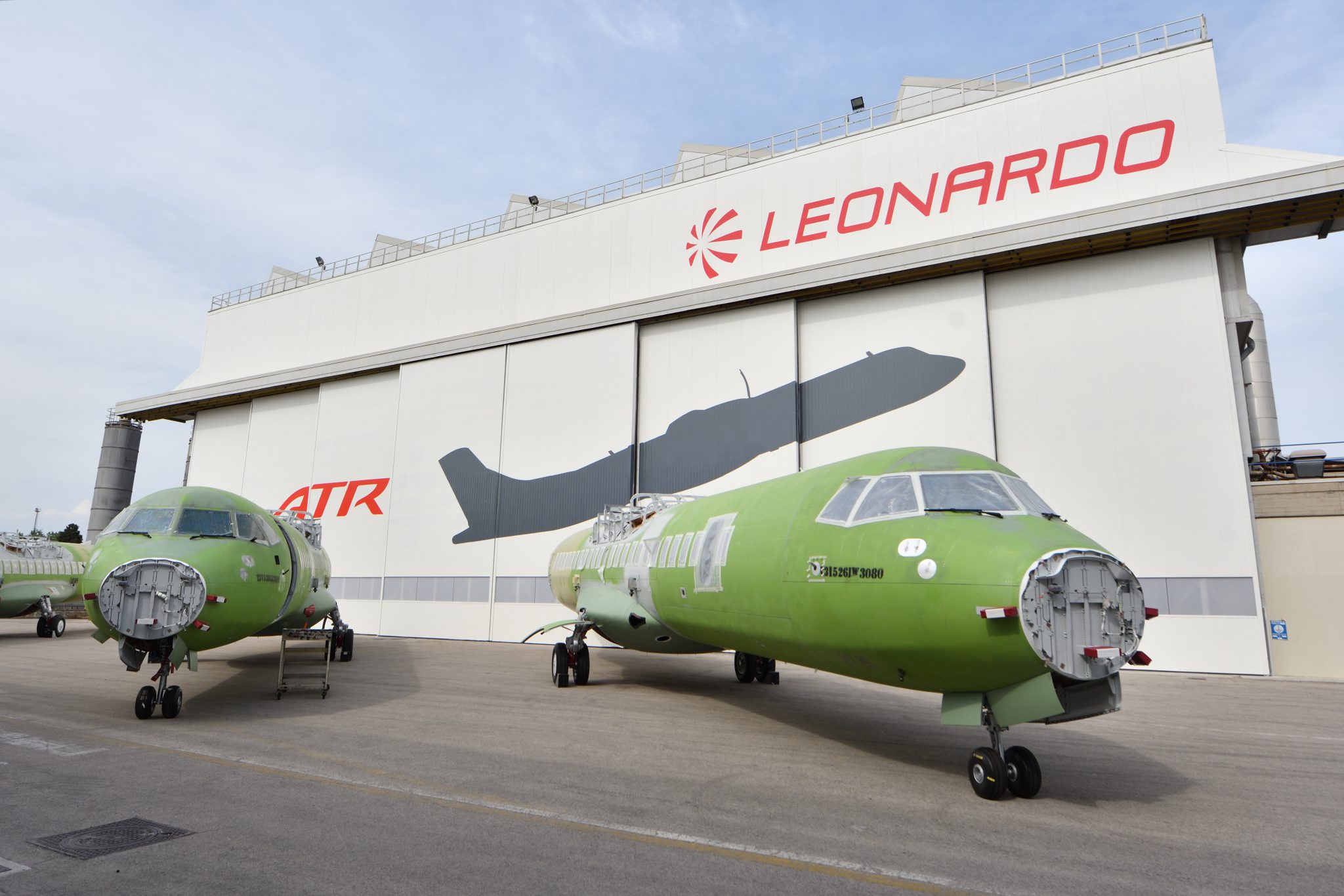
Airbus is exploring the possibility of setting up a final assembly line (FAL) in India for ATR regional aircraft, signalling a potential expansion of its industrial footprint in one of the world’s fastest-growing aviation markets.
The move, still under evaluation, would mark the first time ATR aircraft are assembled in India and reflects a broader shift towards local manufacturing driven by both policy and market demand.
The development was first reported by The Times of India, which noted that Airbus has begun consultations with stakeholders to assess whether a viable business case exists for assembling ATR turboprops in the country.
India’s regional aviation push strengthens case for ATR assembly
At the centre of Airbus’s thinking is India’s renewed focus on regional connectivity, backed by government policy and funding.
According to reports, the government has approved a revamped regional connectivity scheme (RCS) with a significant budget outlay aimed at bringing smaller towns into the aviation network and developing new airstrips into operational airports.
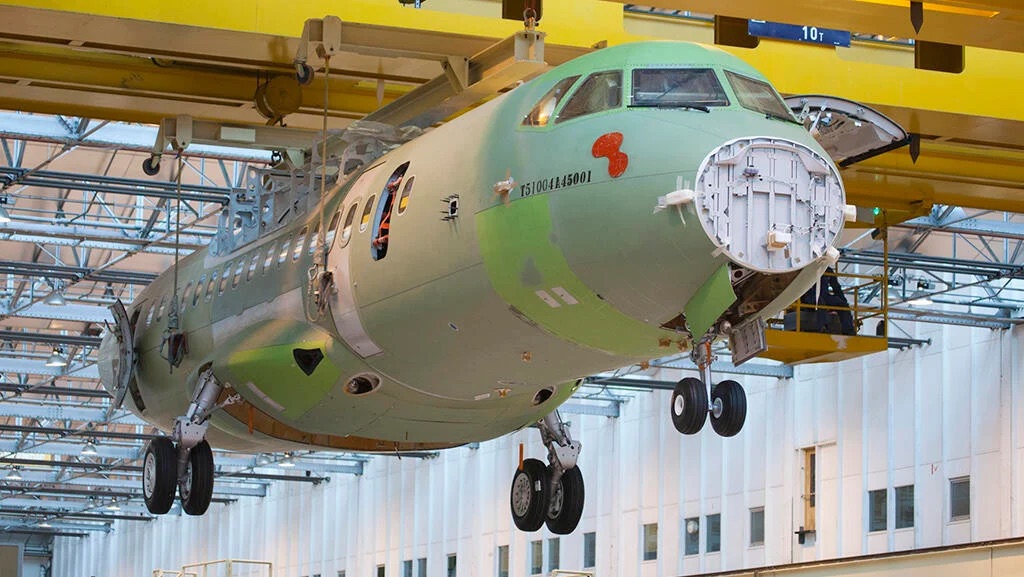
This policy environment has direct implications for aircraft demand. Turboprops such as the ATR 42-600 and ATR 72-600 are particularly suited to short-haul routes, operating from smaller or more challenging airfields where jet aircraft are less efficient.
ATR aircraft, which seat up to 78 passengers, are already well established in India. Low-cost carrier IndiGo operates a sizeable fleet, while newer regional carriers are expanding their turboprop operations, underlining the depth of the market.
Globally, ATR positions itself as a leader in regional aviation, delivering turboprop aircraft to more than 200 airlines across 100 countries, with a focus on connecting underserved routes, according to the company.
Airbus builds on growing aerospace manufacturing footprint in India
Any decision to establish an ATR assembly line would build on Airbus’s already significant manufacturing presence in India.
The company currently operates two final assembly lines in partnership with Tata Advanced Systems Limited (TASL). One produces the C295 military transport aircraft in Vadodara, while another assembles H125 helicopters in Karnataka.
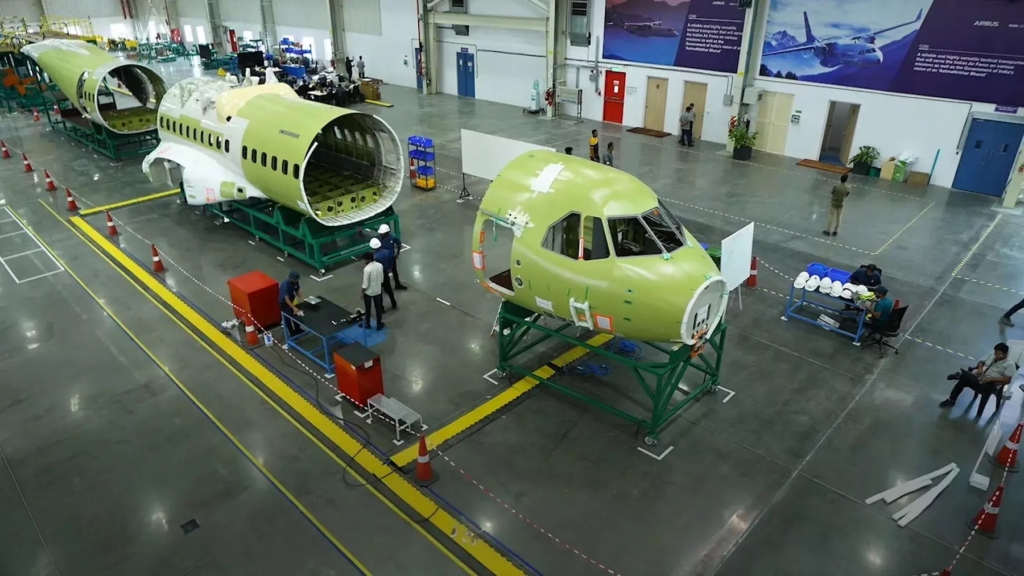
Beyond final assembly, Airbus has also cultivated a supply chain ecosystem. Indian firms contribute key structures, including A220 aircraft doors produced by Dynamatic Technologies and A320 family cargo and bulk doors manufactured by TASL.
This established base lowers the barrier for expanding into ATR assembly, particularly if component indigenisation can help reduce acquisition costs for airlines, a key factor under consideration.
Cost and training challenges remain barriers to ATR expansion in India
While the opportunity is clear, Airbus’s evaluation is understood to hinge on two core challenges: operating costs and acquisition costs.
India remains a high-cost environment for airlines, with factors such as fuel pricing, airport charges and navigation fees weighing on regional operators. These pressures are particularly acute for smaller aircraft operating on thin routes.

At the same time, acquisition costs remain a barrier for airlines looking to expand regional fleets. Local assembly, combined with increased indigenisation of components, could help bring those costs down.
Pilot training costs also present a structural issue. Type-rating for turboprops such as ATR and Embraer aircraft is often more expensive relative to narrowbody jets like the A320 or Boeing 737 in the Indian context, which can discourage uptake in the regional segment.
Embraer and Adani partnerships intensify competition in India’s regional aircraft market
Airbus’s deliberations come at a time of growing competition for India’s regional aircraft market.
Brazilian aerospace manufacturer Embraer has already signalled plans to establish a final assembly line in India in partnership with the Adani Group, contingent on securing a substantial order pipeline.
That proposal reflects a broader industrial shift, with India increasingly positioning itself as a manufacturing base rather than simply a customer market.

Separately, Adani has also partnered with Leonardo to localise production of AW169M and AW109 helicopters, reinforcing the group’s ambition to build a vertically integrated aerospace ecosystem spanning both rotary- and fixed-wing platforms.
Taken together, these developments point to a more competitive and industrially active landscape, where global OEMs are aligning with Indian partners to secure long-term market access.
ATR aircraft position strengthened by demand for regional connectivity in India
ATR occupies a distinct niche within this evolving ecosystem.
The ATR 42-600 remains one of the few aircraft in the 30–50 seat segment, while the larger ATR 72-600 dominates the 70–78 seat category. A dedicated freighter variant, the ATR 72-600F, adds cargo capability to the family.
These aircraft are designed for efficiency and accessibility, capable of operating from short, high-altitude or otherwise constrained runways, conditions common across many parts of India.
Their lower fuel burn compared to regional jets further strengthens their case in a market where cost sensitivity remains high.
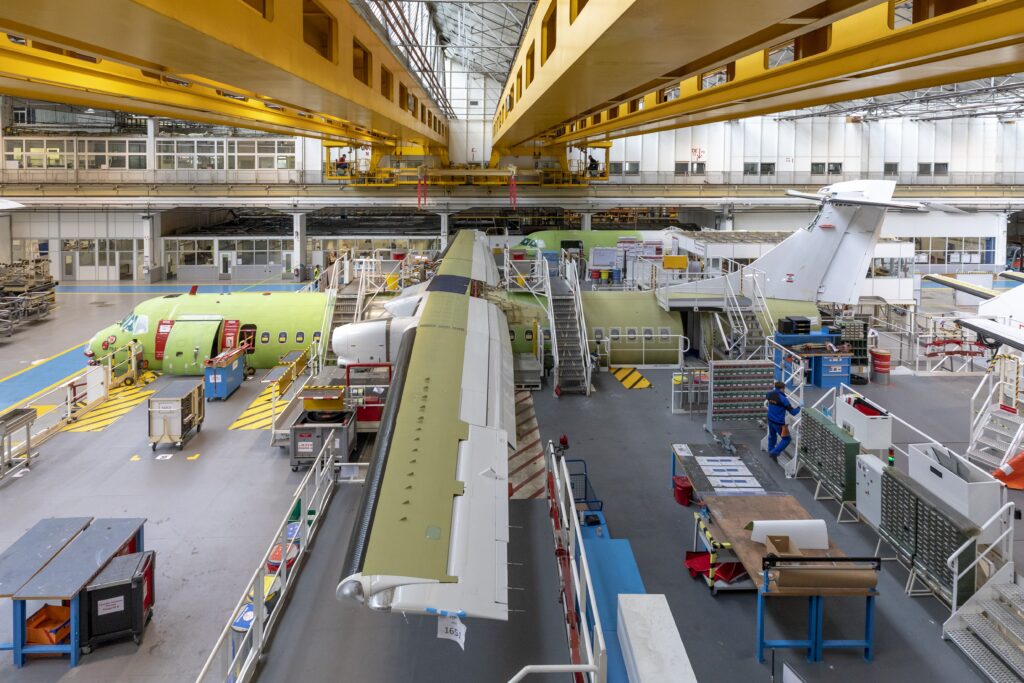
The timing of Airbus’s exploration is significant.
India is not only one of the fastest-growing aviation markets globally but also one where policy, demand and industrial ambition are increasingly aligned. The government’s emphasis on “Make in India”, combined with large aircraft orders from Indian carriers, has created a strong incentive for OEMs to localise production.
Airbus has already demonstrated its willingness to invest ahead of firm demand, having established the H125 helicopter assembly line in India before securing local orders.
If the ATR final assembly line proceeds, it would represent a logical next step, extending Airbus’s footprint from military and helicopter programmes into the regional commercial aircraft segment.
Featured image: ATR
Sign up for our newsletter and get our latest content in your inbox.


More from

October 4, 20264 min read

October 3, 20267 min read


