


More routes and a reshuffling of aircraft: Inside Wizz Air’s expansion plans

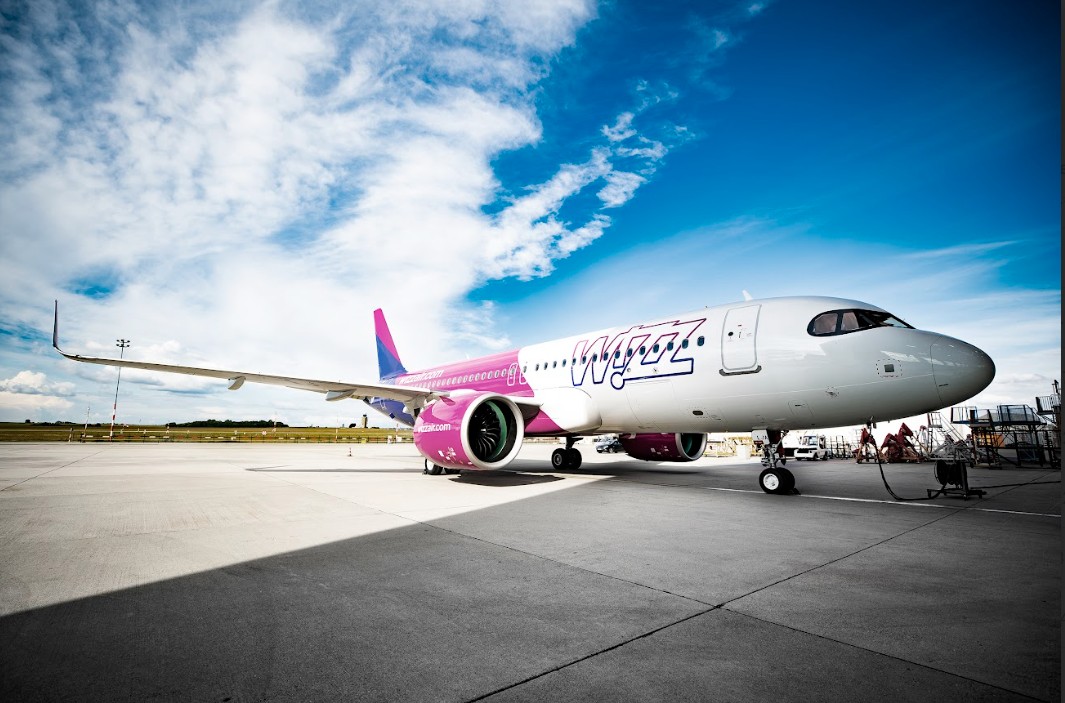
Having launched 9 new bases in the past year, Wizz Air is now preparing to further expand its network and fleet.
Since launching just over two decades ago, Wizz Air has grown into one of Europe’s largest low-cost carriers. The airline recently celebrated its 500 millionth passenger and now has its sights on reaching one billion passengers within the next decade.
András Szabó, Network Officer at Wizz Air highlighted the diversified demand that continues to fuel the airline’s growth during this year’s Connect Aviation Forum held in Lublin from 17–19 February.

“We continue to see huge demand for leisure travel, including city breaks,” Szabó said. “But we’re also seeing increased business traffic due to the rise of remote working and digital nomads.”
According to Szabó, this shift has changed the type of routes the airline now operates. Initially, the carrier’s initial focus was on Visiting Friends and Relatives (VFR) traffic, he said. But that has now diversified.
“Ten years ago, Wizz Air was primarily serving VFR markets,” he said. “Today our network expansion is far more multifaceted.”
Wizz Air’s network growth
The scale of the airline’s recent expansion has been significant. Over the past 12 months, Wizz Air has opened nine new bases and launched approximately 300 routes across its network.
“Our recent growth has been mind-blowing,” admitted Szabó.
Part of this growth has been facilitated by a strategic reshuffling of the airline’s network, including the repositioning of aircraft following the closure of the carrier’s Abu Dhabi base in September 2025. Aircraft previously operating in the Middle East have since been redeployed to European markets, where demand remains strong.
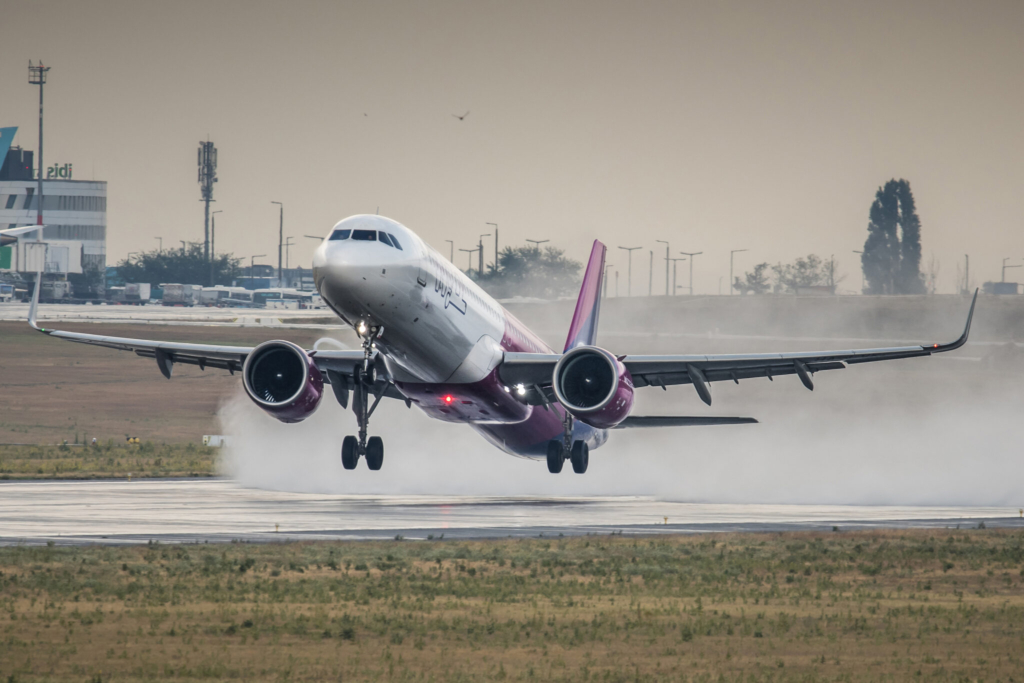
One country that has emerged as particularly important in the airline’s expanding network is Poland.
In January, Wizz Air announced two new routes from Warsaw Modlin Airport to Varna and Rimini, as well as a new service linking Kraków with Rhodes.
Further growth followed in February, when the airline confirmed four additional routes from Poland. These include new connections from Lublin to Maastricht and Rijeka, as well as routes linking Katowice with Comiso in Sicily and Radom with Burgas.
“Poland is currently one of the most important development countries for Wizz Air,” said Szabó. “It’s a huge market, where we see strong demand for our products and services.”
Low-cost, long-term fleet plans
Alongside network expansion, Wizz Air is also reshaping its long-term fleet strategy.
Last July, the airline revised its order for the Airbus A321XLR, reducing the number on order from 47 to 11 aircraft. Six of those aircraft have already been delivered.

There has also been speculation within the industry that the airline may ultimately choose not to take delivery of the remaining five aircraft, instead retaining only the six currently in operation. In addition, several deliveries have been deferred, with aircraft originally scheduled for delivery in fiscal year 2030 now expected to arrive in 2033.
“By 2029, we plan to operate an exclusive, or almost exclusively, neo fleet as we phase out older aircraft,” confirmed Szabó, referring to the newer generation of Airbus aircraft that offer improved fuel and cost efficiency. “We have extended the delivery deadline but are still taking a lot of units,” he said.
He added that the airline’s operational needs have also changed since orders were first placed, in part due to the redistribution of aircraft across the network following the closure of the Abu Dhabi base.
While Szabó did not confirm specific numbers, he acknowledged that the airline would likely convert its original A321XLR order to other Airbus narrowbody aircraft. He also underlined the airline remains “fully committed to the A320 family and doesn’t see a place in its fleet for the A220.”
However, with the airline’s model relying on high-capacity aircraft, such as the 239-seat A321, Szabó also noted this can limit opportunities on routes where smaller aircraft might be required.
“Some routes would need a smaller jet and a different framework that is outside our model,” he explained. “In those cases, unfortunately, we sometimes have to say no.”
The driver behind the new Wizz products
Alongside its network growth, Wizz Air has also been experimenting with new customer offerings.
In recent months, the airline has begun trialling a business-style seat product called Wizz Class. Rather than introducing a traditional premium cabin, the concept allows passengers to block-book adjacent seats to create additional space.
“It’s not about reconfiguring or retrofitting aircraft,” Szabó explained. “Instead, it’s a supplemental capability that allows seats to be reserved together. Passengers travelling with Wizz Class also receive priority boarding as well as complimentary snacks and beverages.”

The airline has also introduced Wizz Link, a digital platform developed in partnership with Dohop. The platform allows passengers to book multi-leg journeys in a single transaction, significantly expanding the range of travel options available across the network.
With Wizz Link, travellers can now access nearly 8,000 route combinations across the airline’s growing network.
“From a network perspective, this is hugely exciting,” said Szabó. “It allows passengers to connect much more widely across our network.”
A culture driving growth
According to Szabó, part of Wizz Air’s success lies in the company’s internal culture.
“One key strategy is inclusivity and diversity,” he said. “We have a very strong culture in our offices and bases. We employ people from more than 100 nationalities, and that diversity brings different perspectives and ideas.”
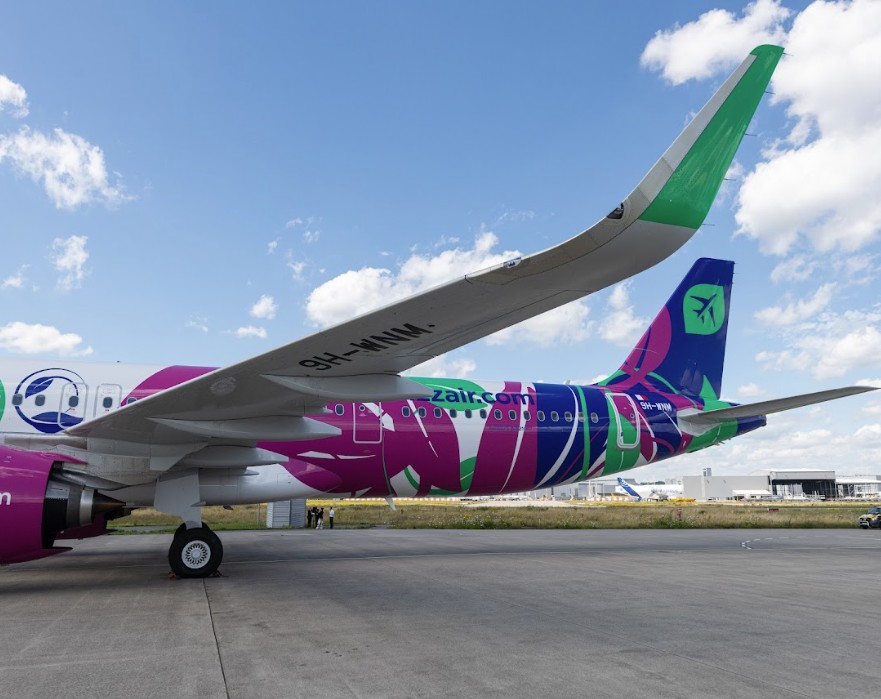
He added that the airline’s entrepreneurial spirit, agility and focus on cooperation and cost efficiency have supported its rapid growth, innovation and ability to unlock opportunities, including its announcement that it has received the necessary approvals to operate flights between the UK and the US.
While the airline has stated it has no plans to launch regular commercial transatlantic flights, it does present an opportunity for it to provide tailored charter flights for European football teams and supporters to travel to the World Cup, as well as for tour operators organising group travel.
As the airline continues expanding both its network and fleet, that diversity alongside its inclusive, collaborative culture could play an important role in shaping the next phase of its growth.
Featured image: Wizz Air


