Your next Uber ride may be an air taxi: Here’s how it works

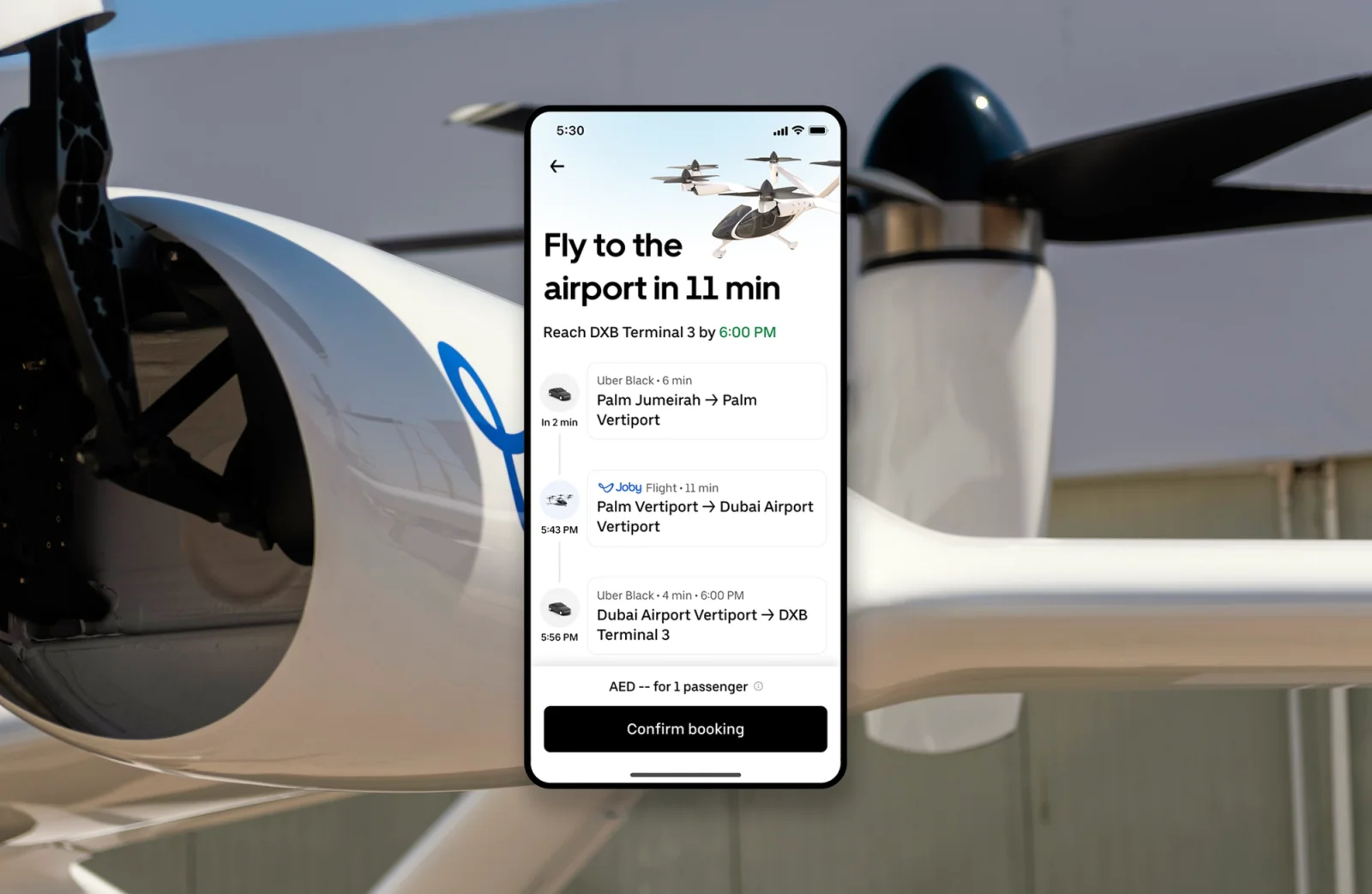
In a fresh push toward commercial urban air mobility, Joby Aviation and Uber have announced plans to integrate electric air taxi services directly into the Uber app. It would allow passengers to book short-haul aerial journeys as easily as they would order a car.
The plan is to launch the first commercial operations in Dubai in 2026. When it happens, it will be a significant real-world deployment of electric vertical take-off and landing (eVTOL) aircraft.
A new altitude option in the Uber app
Under the agreement, users booking a journey through Uber may see an air taxi option for qualifying routes. Ground transport to and from designated vertiports would be coordinated within the same booking flow, creating a door-to-door itinerary that combines car and aircraft.
“We set out to build a new layer of urban transportation,” said Eric Allison, Chief Product Officer at Joby, in the company’s announcement. “Our focus has always been on creating a flight experience that operates quietly and integrates naturally into the rhythm of city life.
“By partnering with Uber, we’re making this new mode of transportation familiar and accessible, connecting the ground and the sky through a system designed to save people time and fit seamlessly into how they already move.”
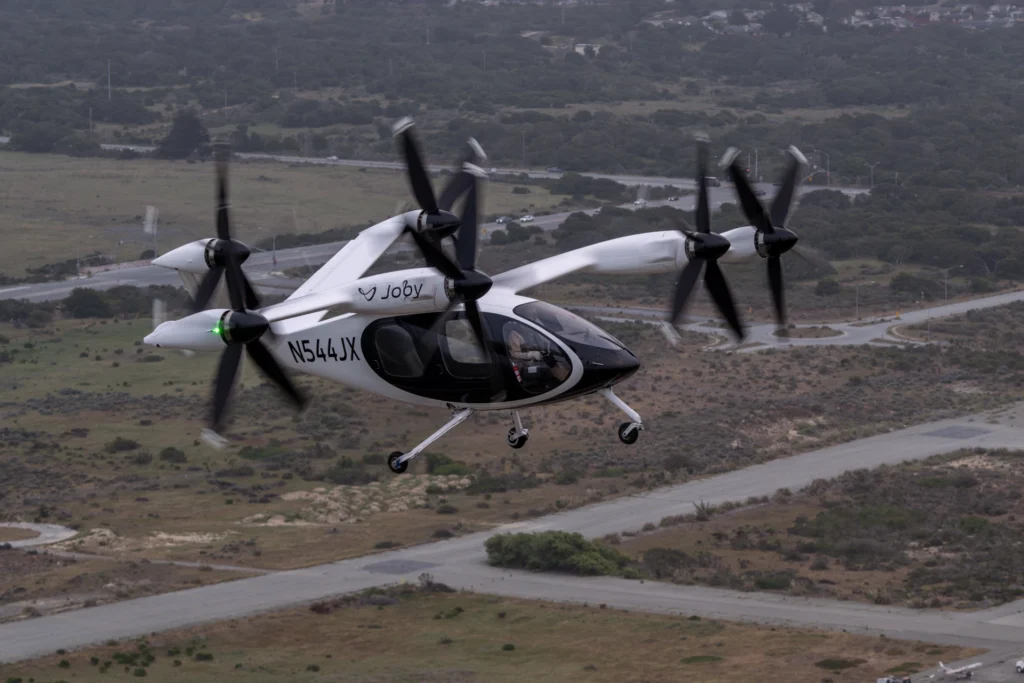
Joby’s aircraft is a piloted, all-electric, six-propeller eVTOL designed for four passengers and a pilot. The company says it can reach speeds of up to 200 mph (approximately 320 km/h) and operate routes of up to 100 miles (160 km) on a single charge.
Unlike conventional helicopters, the aircraft is significantly quieter and produces zero in-flight operational emissions.
For Uber, the integration represents a return to ambitions first outlined under its former “Uber Elevate” division, which it sold to Joby in 2020. Rather than developing aircraft, Uber now provides the global customer platform, demand aggregation and multimodal integration.
“We’ve long believed in the power of advanced air mobility to transform how people move through cities,” said Sachin Kansal, Chief Product Officer at Uber. “With Uber Air, riders will be able to book Joby’s electric air taxi through a simple and familiar, one-tap experience on Uber, seamlessly connecting every leg of their journey – making ground-to-sky travel even more effortless.”
How would Uber air taxis work?
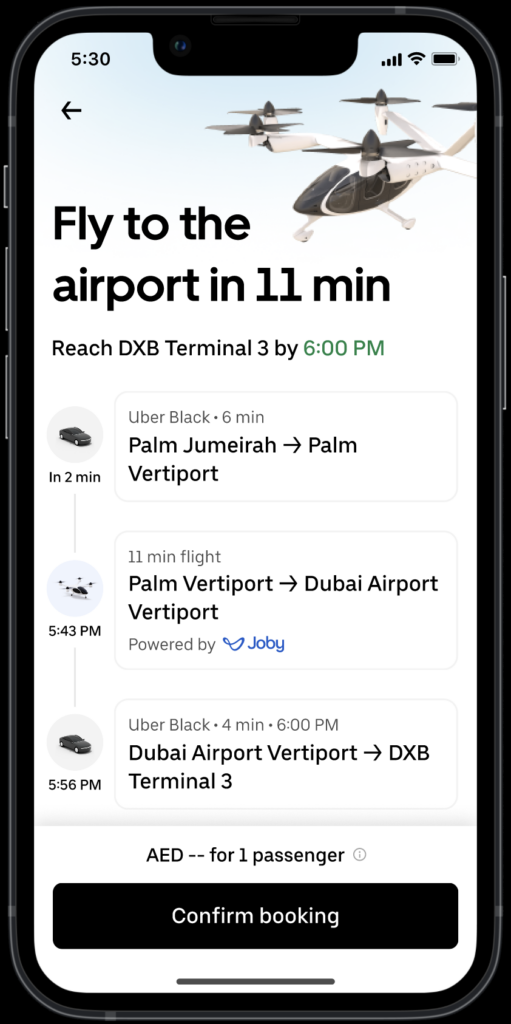
The Uber app would offer one-tap booking for air taxi services. Passengers would open the Uber app, enter their destination in the “Where to?” bar.
If air taxi services are available, Uber Air powered by Joby, will appear in the app as an option. Riders would confirm the itinerary with a tap, and the app would connect and book each leg of the journey.
An Uber Black car service would provide ground transport to the vertiport, and the Joby eVTOL would take passengers to the vertiport closest to their end-destination. The app would also book additional ground transport as required following the air taxi ride.
Joby’s all-electric aircraft is similar to a helicopter ride, but more comfortable and quieter. The aircraft uses six tilting propellers to take off vertically, then transitions to forward flight.
The air taxi can accommodate up to four passengers on what the companies describe as “comfortable seats.” The aircraft’s large windows offer panoramic views from every seat of the cityscape below.
Importantly, a certified commercial pilot would operate the air taxi, not an independent Uber driver. The aircraft also has “multiple levels of redundancies to enhance safety,” according to Joby.
Dubai as the launch market for flying Ubers
The companies have planned the initial commercial rollout in Dubai, where authorities have actively supported advanced air mobility initiatives.
The planned service would connect Dubai International Airport (DXB) with Palm Jumeirah, Dubai Marina, and Dubai Downtown, significantly shortening travel time between them. For example, a trip from DXB to Palm Jumeirah by air taxi would take only 12 minutes, compared to a 45-minute car ride.
Still, infrastructure development takes time even in cities eager to build it. Joby announced that construction of the Vertiport at DXB began in November 2024 and says it is “currently underway” in its latest announcement.
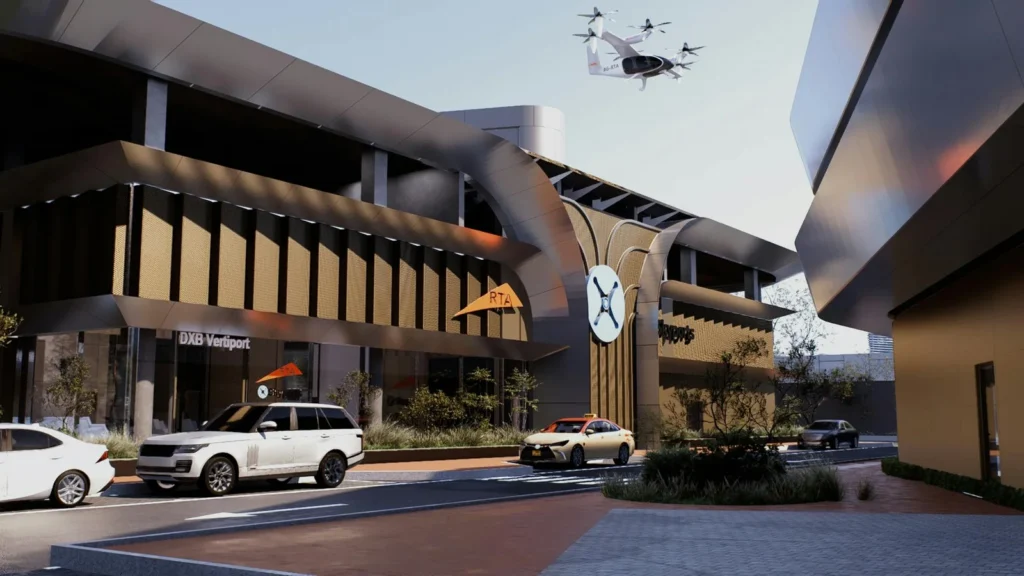
Last summer, Joby completed piloted vertical-take-off-and-landing wingborne test flights in Dubai in preparation for the launch of its air taxi service this year.
“The United Arab Emirates is a launchpad for a global revolution in how we move,” said JoeBen Bevirt, founder and CEO of Joby Aviation, in the announcement of the successful flight tests. “Our flights and operational footprint in Dubai are a monumental step toward weaving air taxi services into the fabric of daily life worldwide.”
His Excellency Mattar Al Tayer, Director General, Chairman of the Board of Executive Directors of Dubai’s Roads and Transport Authority, who witnessed flight tests, said:
“The air taxi will introduce a new premium service for residents and visitors seeking smooth, fast, and safe travel to key destinations across the city. The service will also strengthen integration with public transport systems and individual mobility options such as e-scooters and bicycles, enabling seamless multimodal travel and enhanced connectivity across Dubai, ensuring a smooth and convenient experience for all passengers.”
Certification is the key hurdle for Uber air taxis
Both Joby and Uber plan to expand the air taxi service to cities in the United States, the United Kingdom, and Japan, but the timelines depend on regulatory approvals and infrastructure readiness.
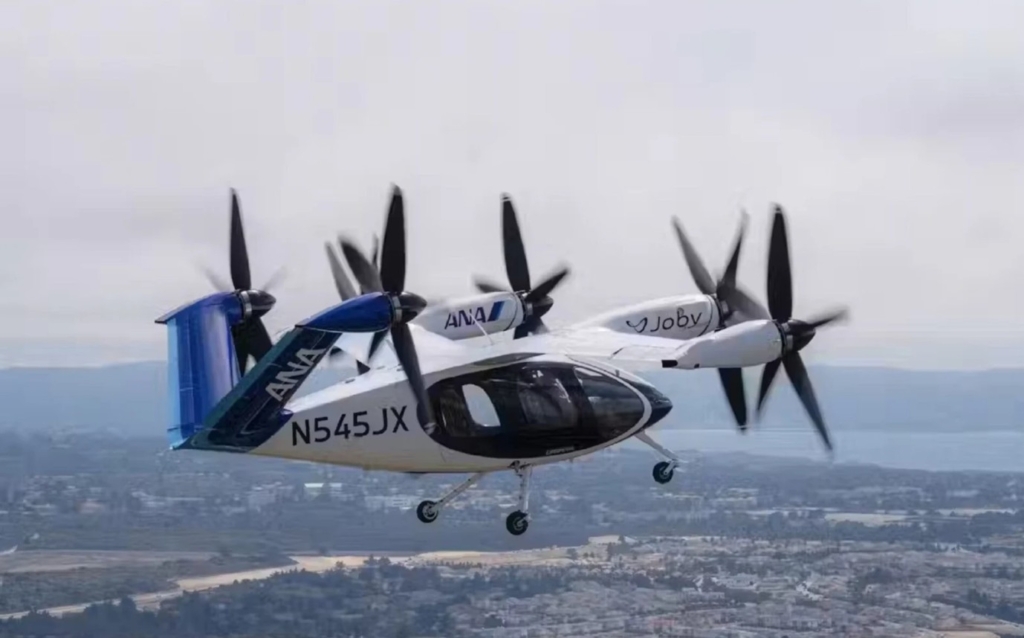
Before Joby and Uber can deploy their air taxi service worldwide, Joby must complete aircraft certification. In the United States, the Federal Aviation Administration oversees approvals, with similar approvals required by regulators in other jurisdictions.
Joby has been progressing through the FAA’s type certification process. The company states it has completed “more than 50,000 miles of flight tests across its fleet” and “begun the final stage of this certification process.”
Achieving commercial passenger operations at scale will require full certification of the aircraft, pilot training systems and operating procedures. Joby says it is now completing “thousands of hardware and software integration tests in preparation for ‘for credit’ flight testing with FAA test pilots operating the aircraft.”
A step (or a leap) toward mainstream air mobility?
The Uber-Joby integration is notable for providing aerial transport through a familiar consumer platform used by millions daily. It could make short intra-city flights feel like a routine ride.
The companies have not yet disclosed how much an air taxi ride might cost. Though it will likely be pricier than a road trip, it would save time, which might make a significant difference to more affluent travellers. The service could become more affordable as its scale increases, opening air taxi services to more people.
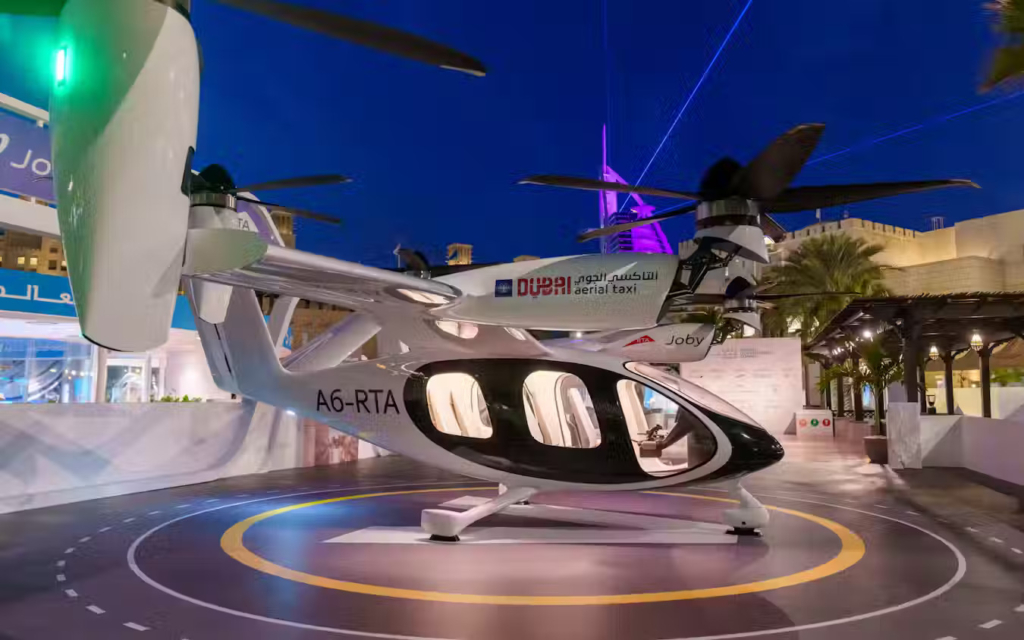
The launch of Dubai’s air taxis will help build confidence in flying Ubers. For now, the message from both Joby and Uber is that urban air mobility is coming as soon as certification and infrastructure timelines permit. When those are complete, your next Uber ride may not take off horizontally, but vertically.
Featured image: Joby Aviation