Lufthansa’s Airbus A380 retrofit will cut business class seats — and cabin crew numbers

3 min read

Lufthansa will reduce the number of flight attendants on board its Airbus A380, reflecting a smaller business class once the aircraft’s cabin refurbishment is complete.
Why Lufthansa is modernising the AIrbus A380 now
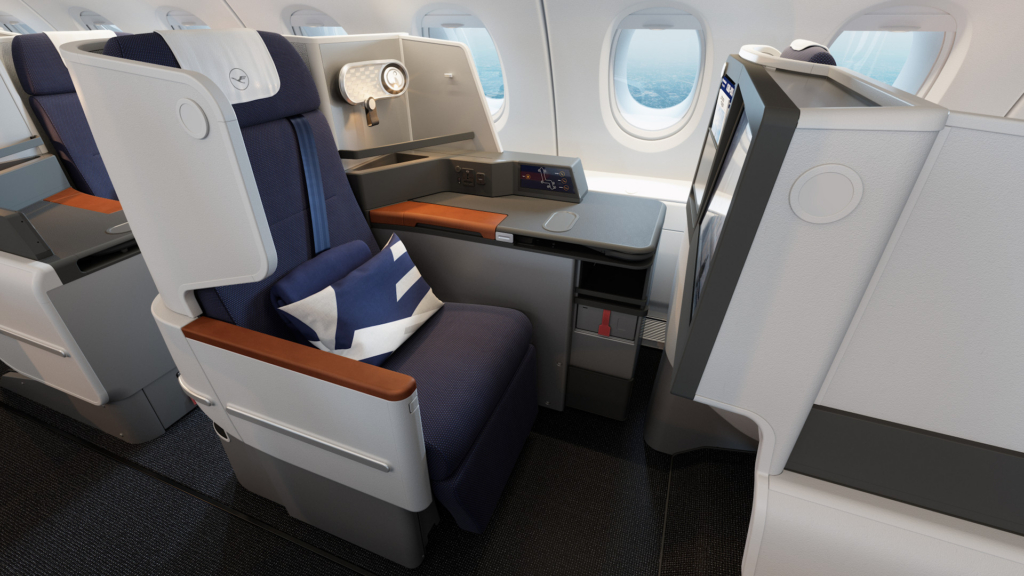
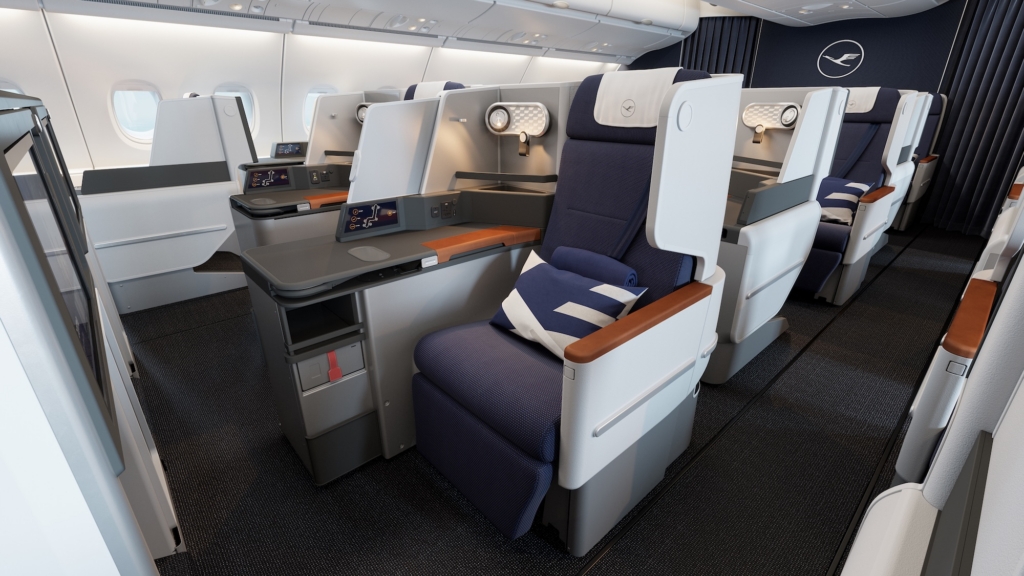
As part of a €300-million upgrade program across its eight Airbus A380s, Lufthansa is installing a new 1-2-1 business class using Thompson Aero Vantage XL seats, offering direct aisle access, greater privacy, and beds at least two meters long.
The airline’s decision to upgrade the A380 cabin is driven by delivery delays to its next-generation aircraft, including the Boeing 777X and Airbus A350-1000, which have pushed Lufthansa to keep the superjumbo flying into the early 2030s. This necessitated a cabin refresh to keep Lufthansa’s product competitive in long-haul premium travel.
The first retrofitted aircraft is expected to return to service in April 2026, with the full A380 fleet completed by mid-2027.
Lufthansa’s retrofitted A380s will have fewer business class seats, requiring fewer crew
Because the new business-class product has a larger cabin footprint, business-class capacity will decrease from 78 to 68. The airline’s first class (8), premium economy (52), and economy (371) cabin capacity will remain unchanged.
The lower-capacity business class cabin has had operational implications. According to an internal memo obtained by German aviation outlet aeroTELEGRAPH — confirmed by a Lufthansa spokesperson — the A380 cabin crew will be reduced from one purser plus 20 crew to one purser plus 19 crew, resulting in a total reduction from 21 to 20 flight attendants.
As aeroTELEGRAPH reported, the crew position being eliminated is “the U2LB (Upper Deck Left Business) position, located on the upper deck in the left section of business class.”
Lufthansa cabin crew reductions come amid wider labour tensions
The staffing change lands during a sensitive period for Lufthansa’s workforce. As Reuters reported, the airline was forced to cancel 800 flights this Thursday, due to coordinated strikes by pilots and cabin crew amid disputes over pensions and restructuring. The flight cancellations affected around 100,000 passengers.
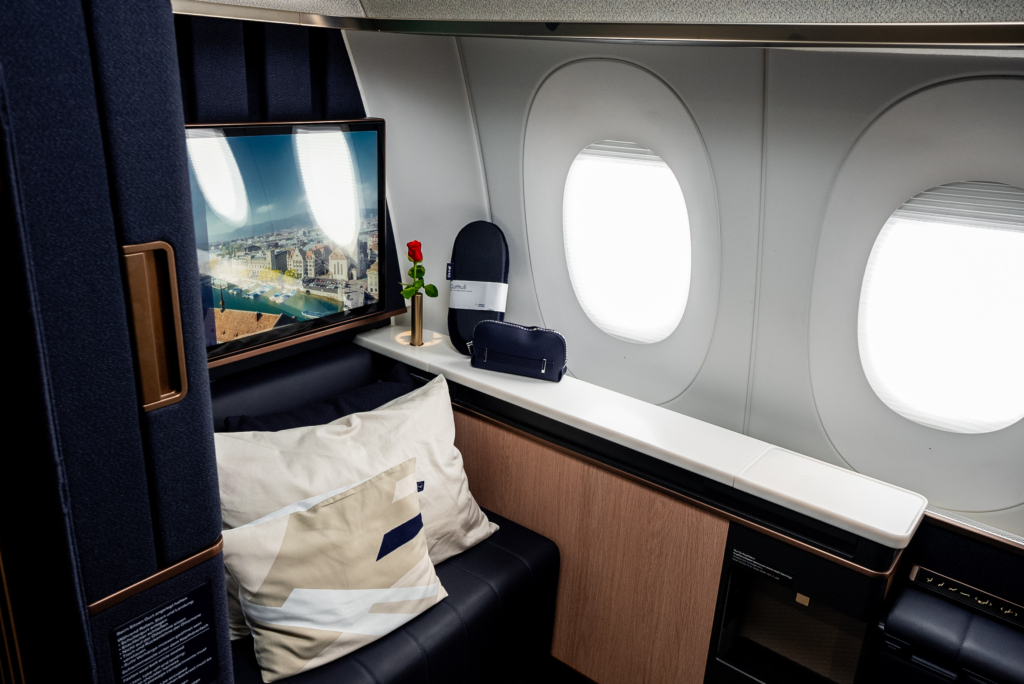
Lufthansa’s flight attendant union, UFO, has also criticised the airline’s decision to reduce staffing on the new Airbus A350 Allegris first class from two crew members to one, reflecting a 50% capacity reduction in this cabin. The crew argued that this could make delivering attentive first-class service more difficult.

However, Lufthansa is not reducing cabin crew across the board on all aircraft. As aeroTELEGRAPH also reported, the airline has assigned one additional crew member to its new Boeing 787 Dreamliners, bringing the total to 10 (including a purser) in anticipation of FAA approval to begin selling the full business class cabin.
Airlines can adjust crew to meet new cabin configurations
Lufthansa is not alone in aligning crew complements with changes in cabin layouts. Other airlines have balanced premium density, service expectations, and labour costs as new seats occupy more space but serve fewer passengers following widebody retrofit programs.
American Airlines obtained FAA approval to operate its Boeing 787-9P, fitted with new Flagship Suites, with seven cabin crew, down from eight, adjusting for a lower overall seat count.

FAA regulations require at least one crew member for every 50 passengers onboard, based on the crew’s primary role of ensuring flight safety and supporting evacuations during emergencies. EASA and the UK CAA have similar minimum crew requirements.
Airlines may assign more cabin crew than required by regulators to meet their passenger service standards, leaving some room for adjustments.
Lufthansa’s decision to reduce crew on the retrofitted A380 balances passenger experience and operational efficiency, but comes amid strained workforce relations.
Featured Image: Lufthansa
Sign up for our newsletter and get our latest content in your inbox.


More from

October 17, 20265 min read

October 17, 20264 min read