


RAF Scampton for sale as future vision revealed for former Red Arrows and Dambusters base

10 min read
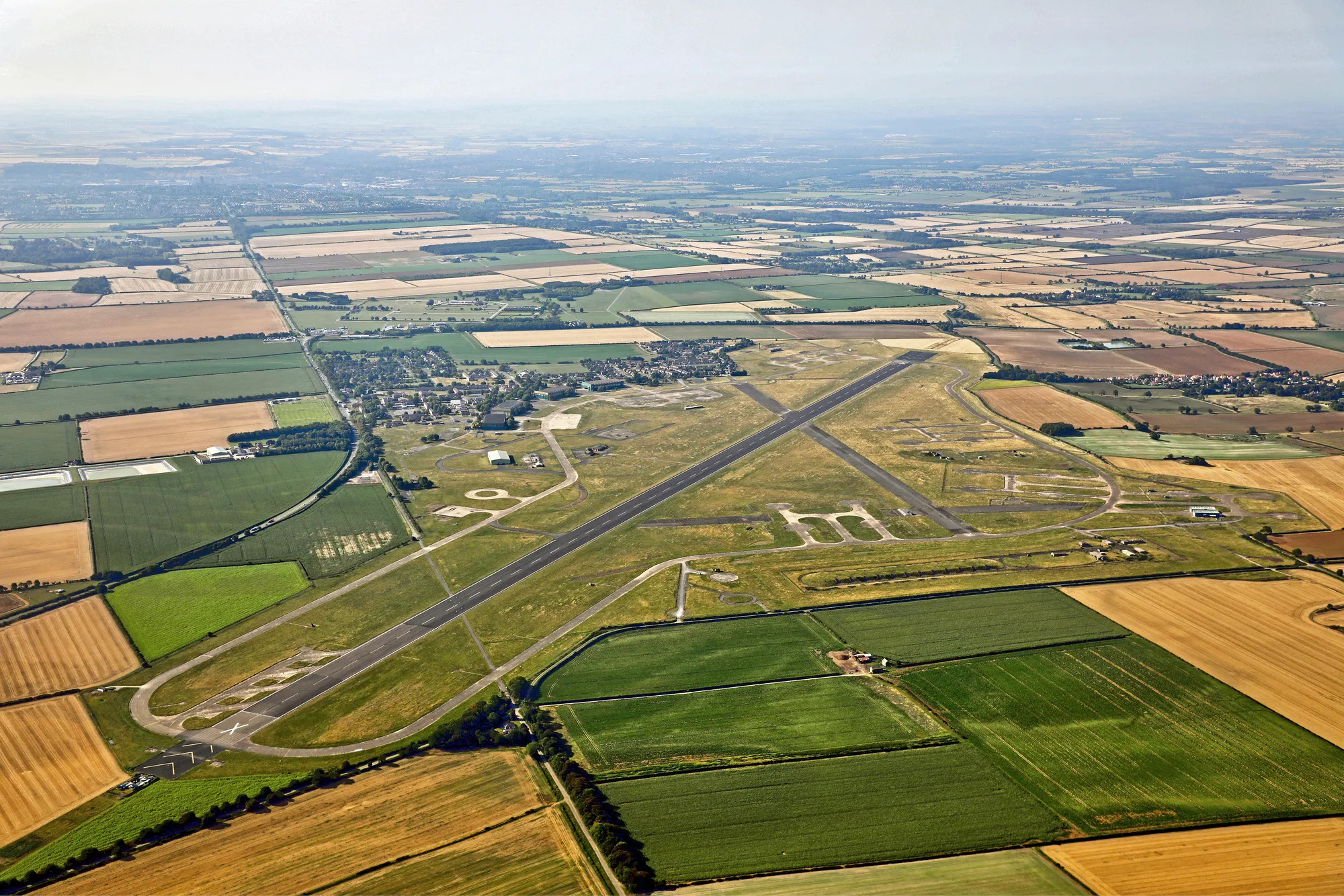
The race is now on for potential buyers to own a slice of British military aviation history as RAF Scampton in Lincolnshire – the former home of the Royal Air Force’s (RAF’s) famed ‘Dambusters’ squadron and world-leading aerobatic team, the RAFAT Red Arrows – has been listed for sale on the open market.
The move marks a significant and positive milestone for the future of the historic site, which was formally closed on 31 March 2023.
Having supported countless RAF operations for more than 80 years, the former RAF Scampton ceased flight operations in October 2022. The Hawker Siddeley (now BAE Systems) Hawk T1s of the RAFAT Red Arrows were relocated to nearby RAF Waddington, south of Lincoln.
While any sale of the historic airfield was delayed due to the UK Home Office’s now-scrapped plans to use the site to house asylum seekers, the government is now moving to quickly sell the base by the end of this year.
One keen prospective purchaser of the ex-RAF Scampton is West Lindsey District Council. It has partnered with Scampton Holdings Ltd to turn the historic airfield into a centre for aviation, heritage and education.
Inside West Lindsey District Council’s vision for Scampton
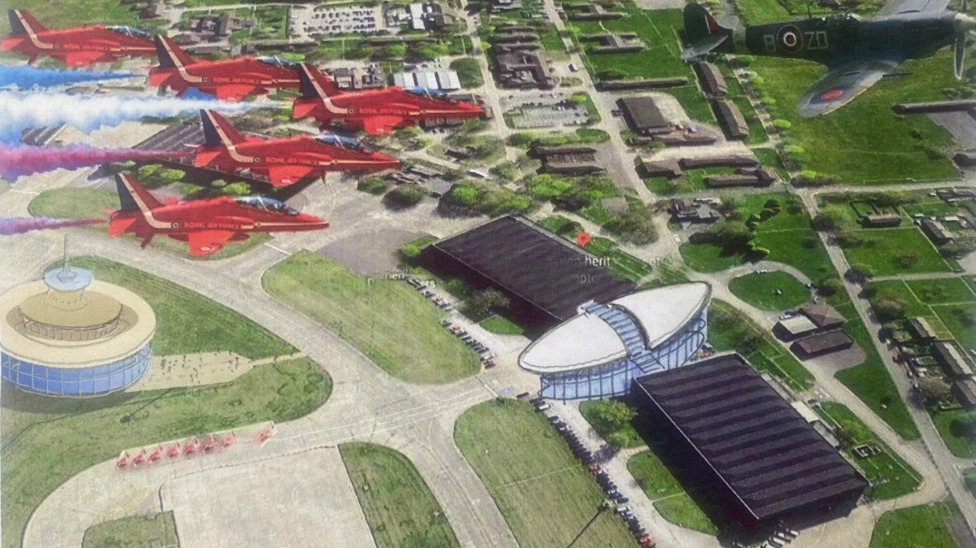
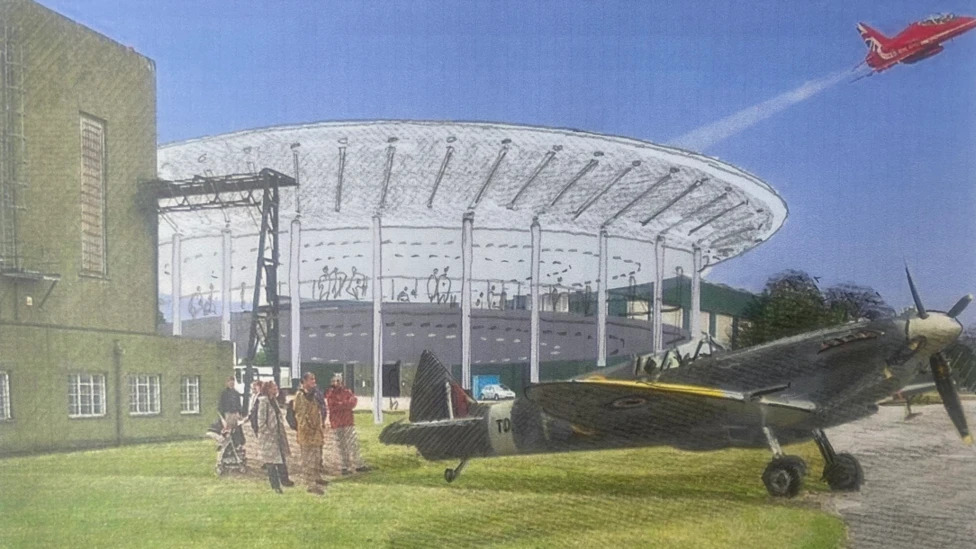
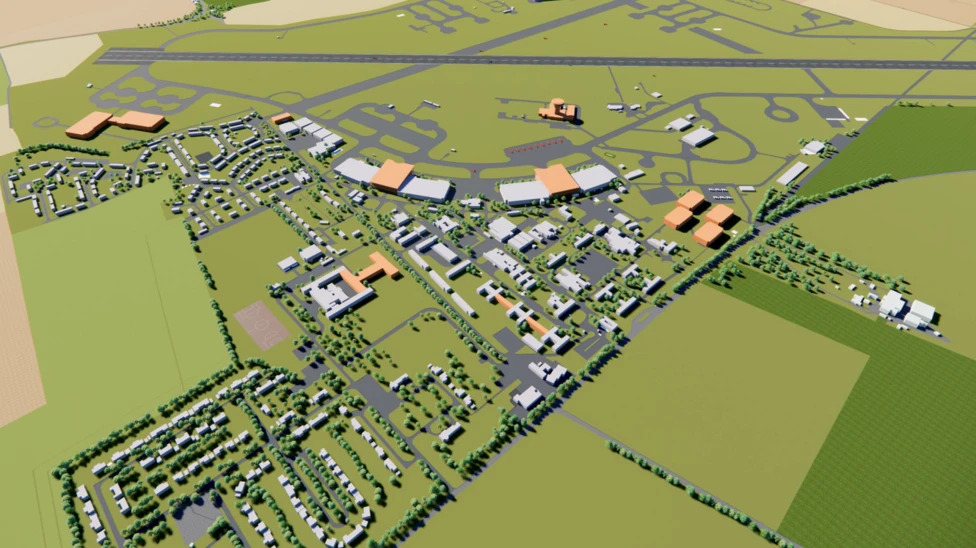
In January, Scampton Holdings Ltd released its latest vision for the future of the former home of the ‘Dambusters’ and Red Arrows. This latest vision includes artists’ impressions of how the iconic Lincolnshire base would be redeveloped with new glass buildings, museum exhibits and commercial units.
The concept images shared with this latest vision are heavily rooted in the iconography of aircraft types that once graced Lincolnshire skies from Scampton’s runway, including the red, white and blue Hawk T1s of the Red Arrows and the famed Avro Lancaster.
This updated vision marks the latest development in the council’s long-standing interest in purchasing the historic airfield, after it initially agreed a £300m plan to revive the former RAF base in March 2023 – just weeks before the then-Conservative government revealed its intention to use the site to house asylum seekers.
Commenting on this latest vision for RAF Scampton, Cllr Moira Westley – the Deputy Leader of the West Lindsey District Council – said: “Scampton is an incredibly important site for West Lindsey, and we are absolutely committed to doing what we can in securing the very best outcome for our district and our communities…
“It’s been inspiring to see the vision taking shape, particularly the care shown for our heritage and the significant investments already made. This is a once-in-a-generation opportunity, and the potential here is truly exciting,” she added.
“What is clear is that our proposed redevelopment represents an extraordinary and likely unique opportunity for both West Lindsey and Lincolnshire,” says Peter Hewitt, the chairman of Scampton Holdings Ltd.
“It offers the potential to regenerate, reinvigorate and reposition the region as a leader in advanced defence, aerospace and innovation. The vision for Scampton to become part of the UK’s Critical National Infrastructure is remarkable in its scale and ambition.”
The council adds that its latest plans for the former RAF base would generate an estimated £2.1bn for the local economy over 15 years.
What’s included in the sale of the former RAF Scampton?
With redevelopment ambitions now back on the table, the UK government has moved to restart the long-delayed disposal of the former RAF Scampton site.
After plans to use the base as asylum accommodation were scrapped, the Home Office placed the 749-acre former airfield on the open market in early February, publishing full details of what the site could offer prospective buyers for the first time.
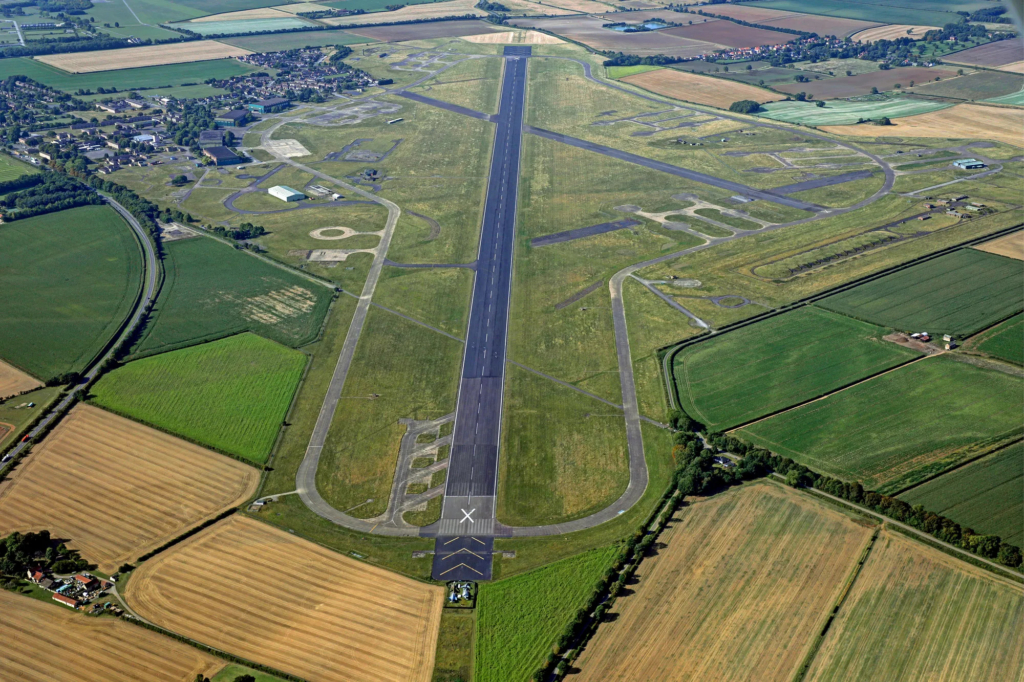
A major caveat of this deal is the inclusion of Scampton’s two runways. Notably, this includes the airfield’s large ICAO Code 4E-standard main runway. At 2,470m (8,103ft) long and 60m (196ft) wide, it can accommodate almost any aircraft type.
“This classification means the runway can handle a wide range of military and civilian aircraft, including Boeing 747s and Airbus A330s. The runway and supporting infrastructure make Scampton ideally suited for large aircraft operations, maintenance, testing, training, and aviation events,” the listing notes.
Meanwhile, the airfield’s secondary cross runway – which runs through the southwestern end of the main runway – is not currently usable due to its “inadequate surface”. This could ultimately be resurfaced for use by the base’s future owner, but as it points directly to a residential area, this may be an unlikely move.
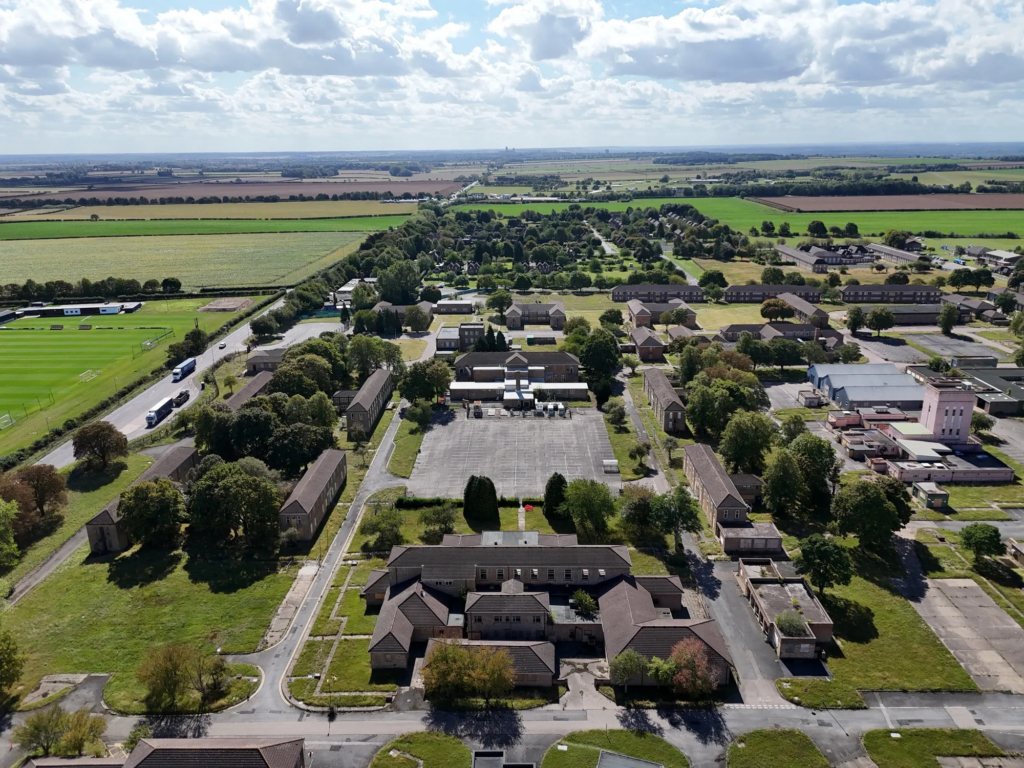
In addition to the airfield and its runways, the listing includes a diverse mix of commercial, residential, leisure and aviation-related buildings, several of which are suitable for immediate occupation. This includes 17 accommodation blocks (including the base’s listed Officers’ Mess building and Airmen’s Club) and seven hangars, which are directly linked to the main runway via aprons.
While the listing notes the site’s high development potential, it has also highlighted the historic base’s potential for aviation tourism. The listing notes that the base’s acquisition would present a “unique opportunity to celebrate and integrate aviation history into future development, creating a place that honours its past while building a distinctive destination for the future.”
The 749-acre former air base is being marketed on behalf of the Home Office by the London-based Newmark Group – a commercial real-estate advisory and services firm – with expressions of interest from all prospective buyers needed by 6 March at the latest.
Any prospective sale is subject to offers and the relatable value of the base, which has not been publicly released. Despite this, the listing does note that the site would cost £890,000 to rent for one year. The site is expected to be sold by November 2026.
Asylum housing plans delayed the sale of RAF Scampton
Following its closure, the sale of the former RAF Scampton site was delayed after the UK Home Office opted to repurpose the base as temporary asylum accommodation from late 2024, under a scheme initiated by the previous Conservative government. The site was initially expected to be used in this role until March 2027.
That plan was scrapped by the Labour government in September 2025 after projected costs escalated well beyond initial estimates and the scheme was judged to no longer represent value for money.

Early projections had put the total cost of using RAF Scampton as an asylum accommodation centre at £122m.
By the time the proposal was abandoned, the Home Office had already spent around £60m preparing the site, while estimated costs for opening and operating the facility from autumn 2024 to March 2027 had risen by a further £122m. In total, the short-term use of the former RAF base for asylum housing was expected to cost at least £180m.
The decision to abandon the plan removed a major obstacle to the site’s disposal, allowing the Home Office to restart the long-delayed process of bringing RAF Scampton to the open market.
From RFC station to Dambusters: RAF Scampton’s early years
RAF Scampton boasts a long history of supporting British military aviation operations. The base was initially built for the Royal Flying Corps (RFC) and was initially named Home Defence Flight Station Brattleby (or Brattleby Cliff). It briefly retained this name until the base was formally renamed ‘Scampton’ in 1917.
The base initially hosted Royal Aircraft Factory FE2b biplanes, which were used to counter enemy Zeppelin threats over the UK.
The site subsequently became a training aerodrome responsible for qualifying new RFC pilots with the Sopwith Camel, Pup and Dolphin. The base continued with these operations until it was first closed in April 1919.
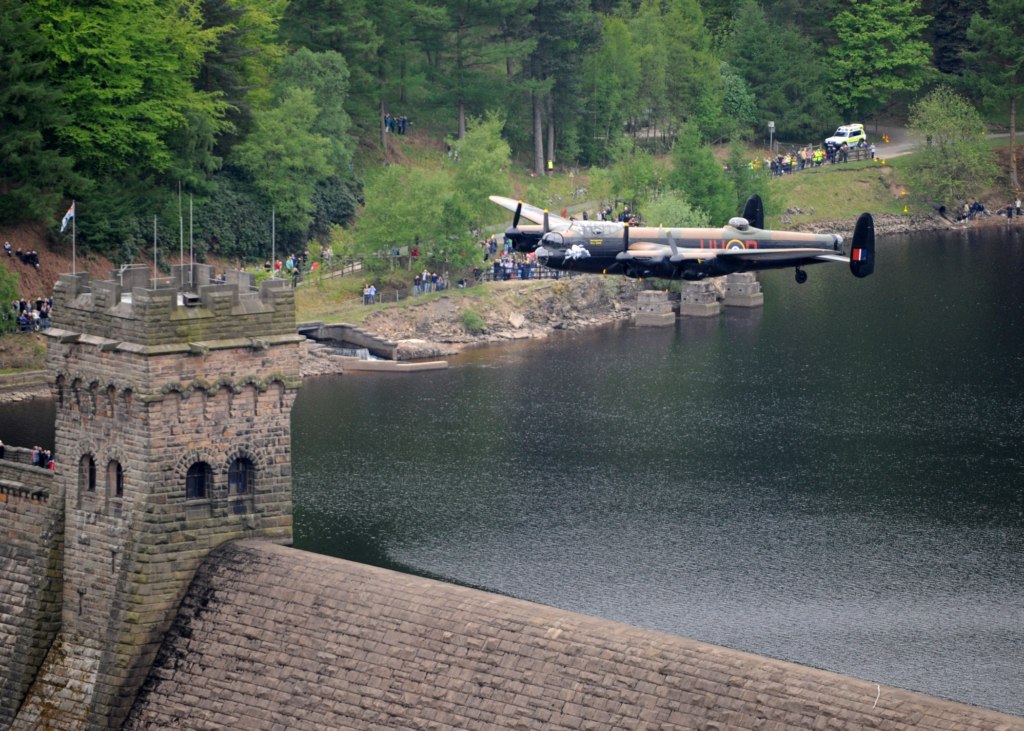
In August 1936, the newly renamed RAF Scampton was formally reopened as a fully equipped bomber base as part of the Royal Air Force Expansion Scheme.
By the start of World War Two, the base was equipped with Handley Page Hampdens operated by Nos 49 and 83 Squadrons. The base briefly operated the Avro Manchester before the units operating it subsequently converted to its far more capable successor, the Avro Lancaster.
Following the development of Barnes Wallis’ innovative Upkeep bouncing bomb, No 617 Squadron – which was originally known as ‘Squadron X’ – was specifically formed at Scampton to prepare for and conduct a high-value raid on three German dams as part of the secretive Operation Chastise.
Now more commonly known as the ‘Dambusters Raid’, the mission remains as one of the RAF’s most successful, daring and famous operations to this day.
From Cold War bombers to the Red Arrows: RAF Scampton’s final decades
By the start of the Cold War, Scampton and its facilities had been upgraded, with the base being used to support four squadrons of English Electric Canberra bomber/reconnaissance aircraft.
By 1955, Scampton had bid farewell to its Canberras after the station had been earmarked as a future Avro Vulcan base under the UK’s nuclear-capable ‘V-bomber’ force posture.
As part of this process, the base welcomed the return of No 617 Squadron (now named ‘The Dambusters’) and its Vulcan bombers in May 1958.
Equipped with British-made Blue Steel air-launched nuclear stand-off cruise missiles and Vulcan bombers, the UK ‘V-Bomber’ force’s newly dubbed ‘Scampton Wing’ was formed by October 1960.
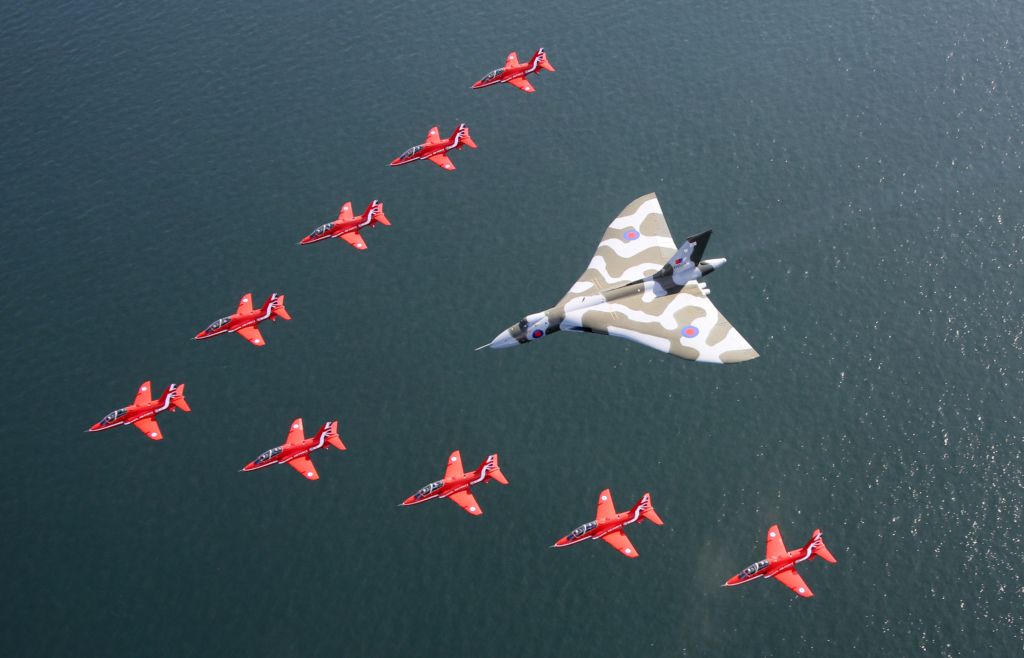
By 1968, the RAF ceased operations with the Blue Steel missile, with the Royal Navy assuming responsibility for the UK’s nuclear deterrent with its new US-made, submarine-launched UGM-27 Polaris ballistic missile. Despite this, Scampton remained a home for Vulcan operations until 1982.
The base subsequently became home to the RAF’s Central Flying School (CFS) in 1983, responsible for operating various training platforms, including the BAC Jet Provost, Scottish Aviation Bulldog and Short Tucano.
It was during this transition that the base also welcomed the iconic red, white and blue Hawk T1s of the Red Arrows to its flightline.
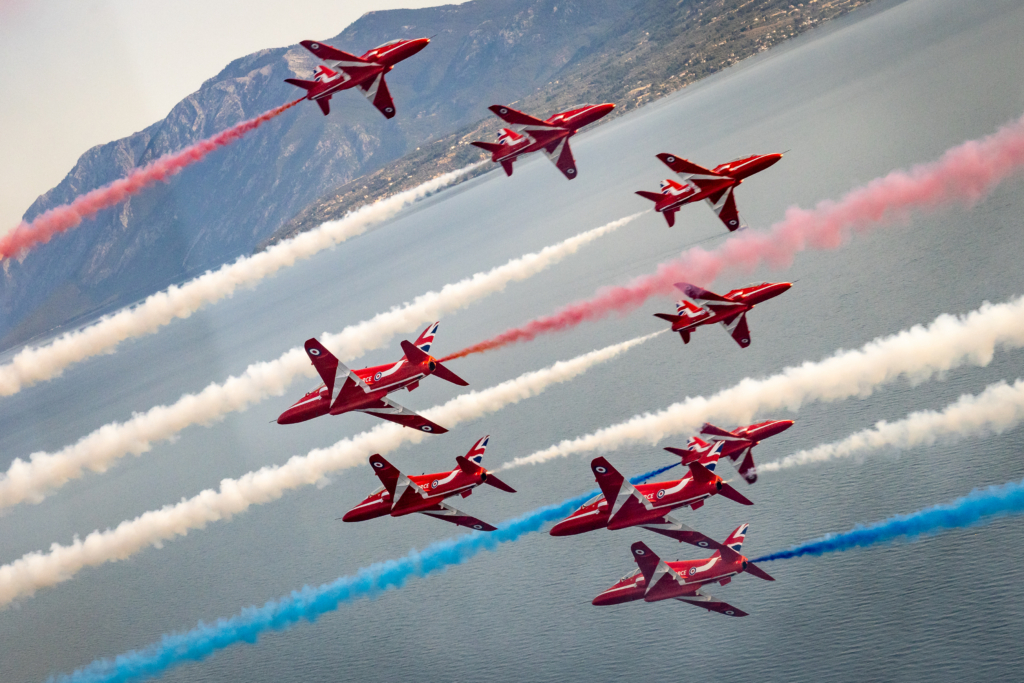
In 1996, the UK Ministry of Defence (MOD) opted to relocate the CFS from Scampton to the nearby RAF Cranwell, with Scampton being temporarily mothballed ahead of an initially planned closure. However, plans to close Scampton entirely at that time were axed, with the base remaining open for use by the Red Arrows.
However, in July 2018, the UK MOD announced that Scampton would be formally closed and sold off, with all of its remaining units set to be relocated to other RAF bases by the end of 2022.
In May 2020, it was announced that the Red Arrows would be relocated to the nearby RAF Waddington. The aerobatic team departed Scampton for the last time in October 2022, before the historic base was formally closed on 31 March 2023.
As the sale process begins, RAF Scampton’s next chapter will determine how one of the RAF’s most historic stations is preserved, repurposed or transformed.
Featured Image: A bird’s eye view of RAF Scampton in Lincolnshire. Image via Newmark Group
Sign up for our newsletter and get our latest content in your inbox.


More from


September 25, 20264 min read
September 25, 20264 min read


